
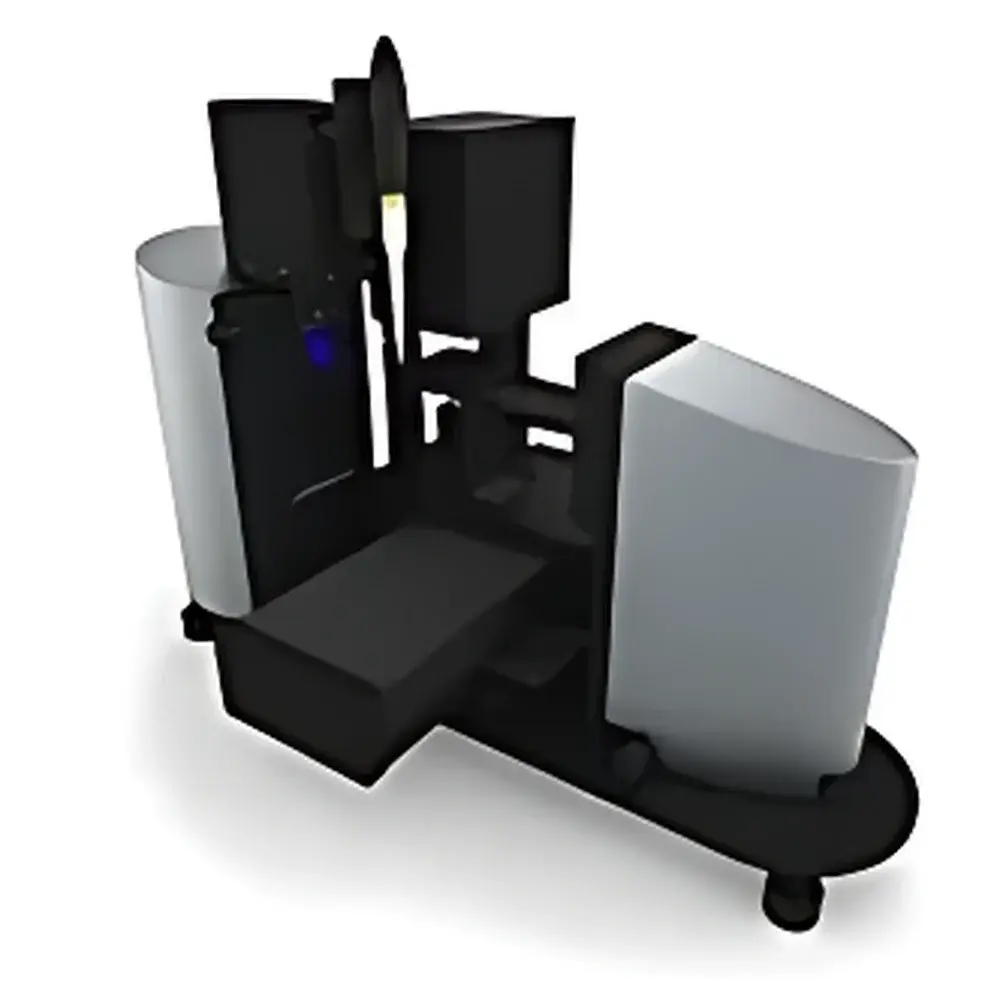
Attension Theta 3D Topography Module for Simultaneous Contact Angle and Surface Roughness Analysis
| Brand | Attension |
|---|---|
| Origin | Finland |
| Model | 3D Topography Module |
| Instrument Type | Benchtop Dynamic Contact Angle & Surface Topography System |
| Contact Angle Range | 0–180° |
| Contact Angle Accuracy | ±0.1° (standard), ±0.01° (high-resolution mode) |
| Sample Stage Dimensions | 75 × 75 mm |
| Optical Magnification | 0.7×–4.5× |
| Surface Tension Range | 0–2000 mN/m |
| Z-Range Measurement | 1–60 µm |
| Lateral Sampling Area | 1.41 mm × 1.06 mm (single frame) |
| XY Pixel Resolution | 1.1 µm × 1.1 µm |
| Working Distance | 18 mm |
| Max Sample Height | 22 mm |
| Max Sample Width | 180 mm |
| Measurement Time per Point | 5–30 s (at 1280 × 960 resolution) |
| Roughness Parameters Compliant With | ISO 4287, ISO 4288, ISO 11562 |
| Required Hardware Interface | FireWire (IEEE 1394) or PCI slot |
| Sample Requirement | Diffusely reflective surface |
Overview
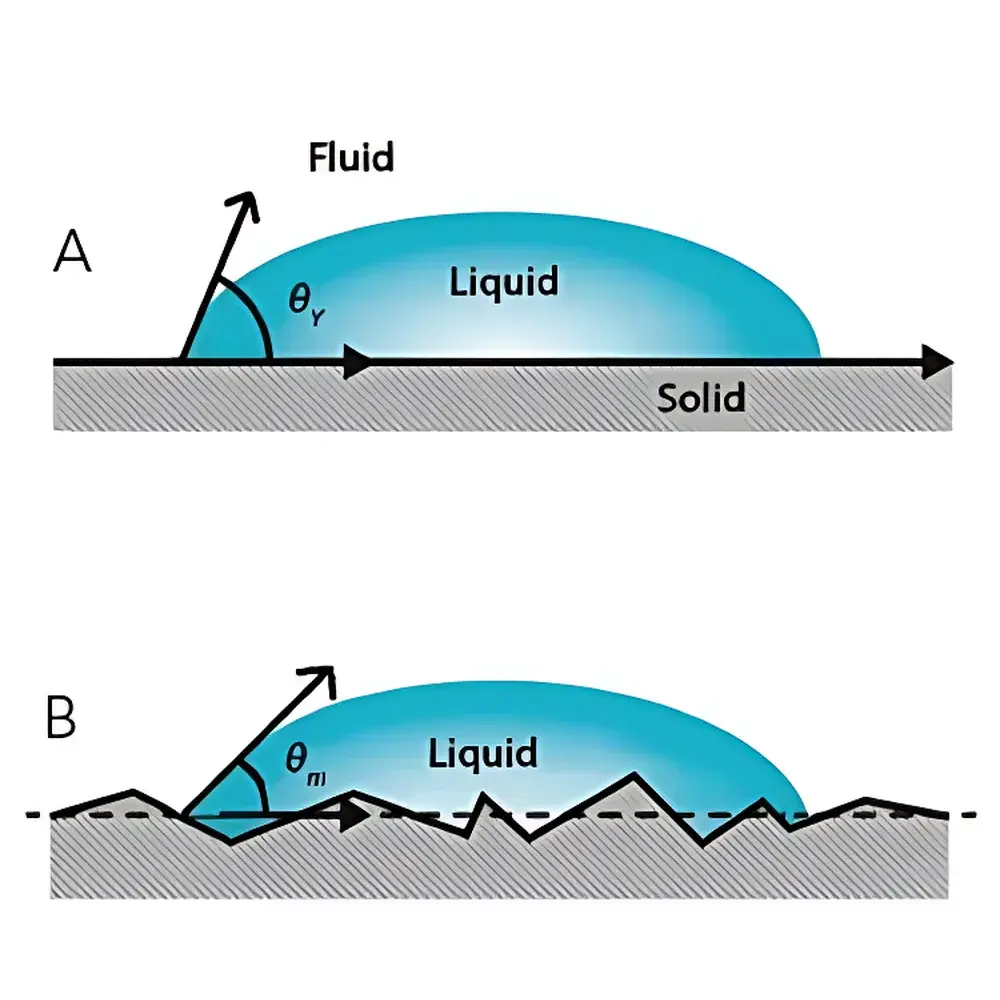
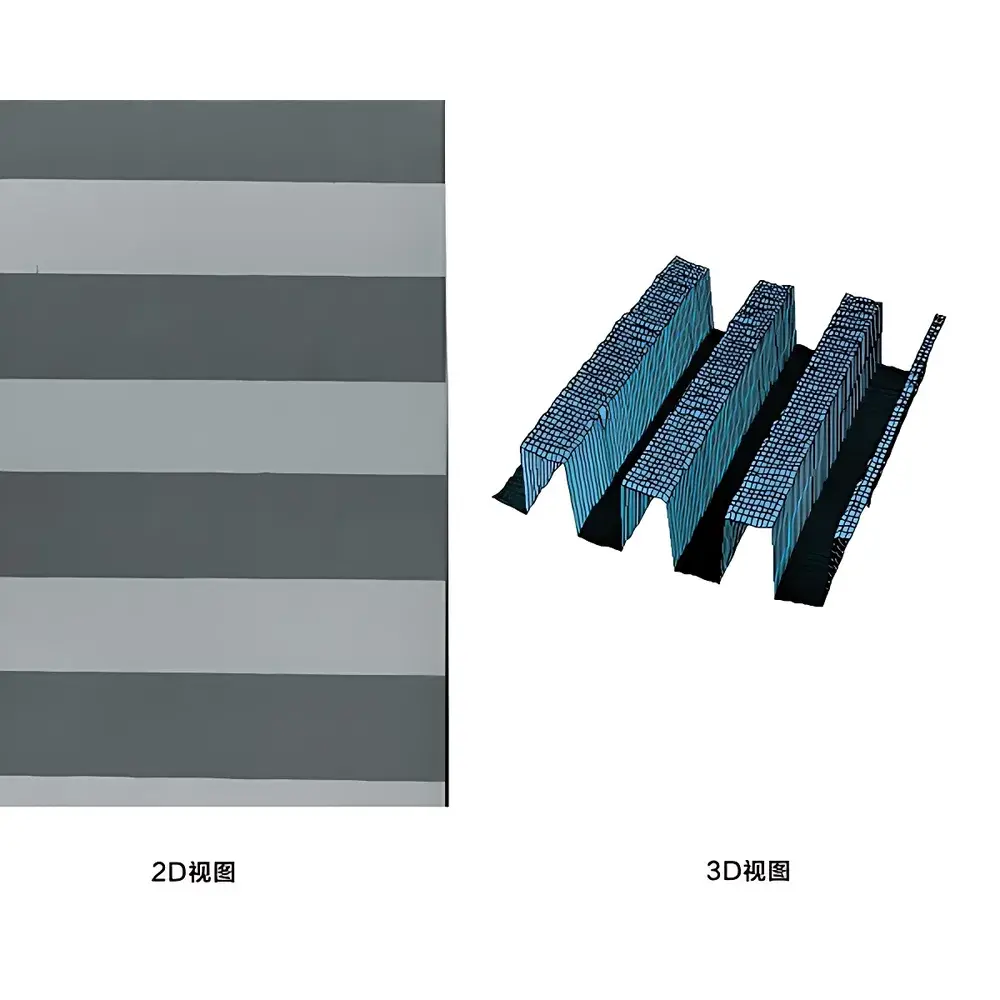
The Attension Theta 3D Topography Module is a precision-engineered add-on system designed exclusively for integration with the Attension Theta series of optical contact angle analyzers. It represents the first commercially available solution enabling simultaneous, in situ acquisition of high-resolution 3D surface topography and dynamic contact angle data on the same measurement location. Unlike conventional sequential measurements—where topography and wettability are assessed separately—the module employs structured light projection with phase-shifting interferometry to reconstruct surface height maps at sub-micron lateral resolution (1.1 µm/pixel) and nanometer-scale vertical sensitivity (Z-range: 1–60 µm). This co-localized measurement architecture directly addresses the fundamental limitation of classical Young’s equation-based analysis: its assumption of geometrically ideal, smooth, and chemically homogeneous surfaces. By delivering spatially registered roughness and contact angle datasets, the module enables rigorous application of Wenzel and Cassie–Baxter wetting models—providing experimentally validated, roughness-corrected contact angles (θc) and surface free energy values derived from physically realistic surface representations.
Key Features
- True co-registered measurement: Simultaneous acquisition of contact angle dynamics and 3D topography on identical surface coordinates using synchronized imaging and projection hardware.
- High-fidelity topography reconstruction: Based on fringe projection phase-shifting principle compliant with ISO 11562 wavelet filtering standards; supports Gaussian high-pass filtering for separation of roughness, waviness, and form components.
- Automated roughness correction: OneAttension software computes θc (Wenzel-corrected contact angle) and derives surface free energy via Owens–Wendt, Wu, or van Oss–Chaudhury–Good models—using measured Sa, Sq, Sdr, Ra, Rq, Rp, Rv, Rz, and R10z parameters.
- Benchtop modular design: Compact footprint (7 × 16.5 × 11.5 cm), low mass (2.6 kg), and universal AC input (100–240 VAC, 50–60 Hz) enable seamless integration into regulated laboratory environments without dedicated infrastructure.
- Full ISO-compliant roughness analysis: Outputs both 2D (Ra, Rq, Rp, Rv, Rz, R10z) and 3D (Sa, Sq, Sdr) parameters aligned with ISO 4287 and ISO 4288 metrology standards.
- XYZ motorized stage compatibility: Enables automated mapping across heterogeneous surfaces, statistical sampling of coating uniformity, and quantitative assessment of cleaning efficacy or contamination distribution.
Sample Compatibility & Compliance
The module requires samples exhibiting diffuse reflectivity—ideal for polymers, coated metals, ceramics, paper, wood–plastic composites, and bioactive implant surfaces. Specimens must fit within the maximum dimensions of 180 mm (W) × unlimited length × 22 mm (H), with no restriction on length due to open-stage geometry. The system is not suitable for highly specular or transparent substrates without anti-reflective treatment. From a regulatory standpoint, all data acquisition, processing, and reporting workflows comply with GLP and GMP principles. Audit trails, user access control, electronic signatures, and raw-data integrity are maintained through OneAttension software’s FDA 21 CFR Part 11–ready architecture. Exported reports include metadata traceable to instrument ID, calibration timestamp, operator credentials, and environmental conditions logged at time of measurement.
Software & Data Management
OneAttension serves as the unified platform for instrument control, real-time visualization, and post-processing. It natively imports synchronized video streams (contact angle) and height maps (topography), overlaying droplet contours onto 3D surface renderings for intuitive interpretation. Batch analysis supports statistical evaluation across multiple regions-of-interest (ROIs), generating histograms of θc, Sa, and Sdr distributions. All processed results—including ISO-standard roughness tables, Wenzel ratio (r) calculations, and surface energy component breakdowns—are exportable in CSV, PDF, and XML formats. Raw image stacks and height matrices are preserved in lossless TIFF format with embedded EXIF metadata, ensuring full traceability for internal audits or external validation (e.g., ISO/IEC 17025 accreditation).
Applications
- Coating Development: Quantifying how pigment dispersion, binder formulation, or crosslink density alters both chemical polarity and micro-roughness—enabling rational design of barrier layers for packaging films or architectural coatings.
- Biomedical Implant Characterization: Decoupling contributions of grit-blasting (mechanical roughening) versus plasma treatment (chemical activation) to hydrophilicity and protein adsorption on Ti-6Al-4V or PEEK orthopedic surfaces.
- Paper & Board Manufacturing: Correlating calendering pressure, clay loading, and wax penetration depth with local Ra/Rq gradients and corresponding water/oil contact angle hysteresis—supporting root-cause analysis of print mottle or adhesive failure.
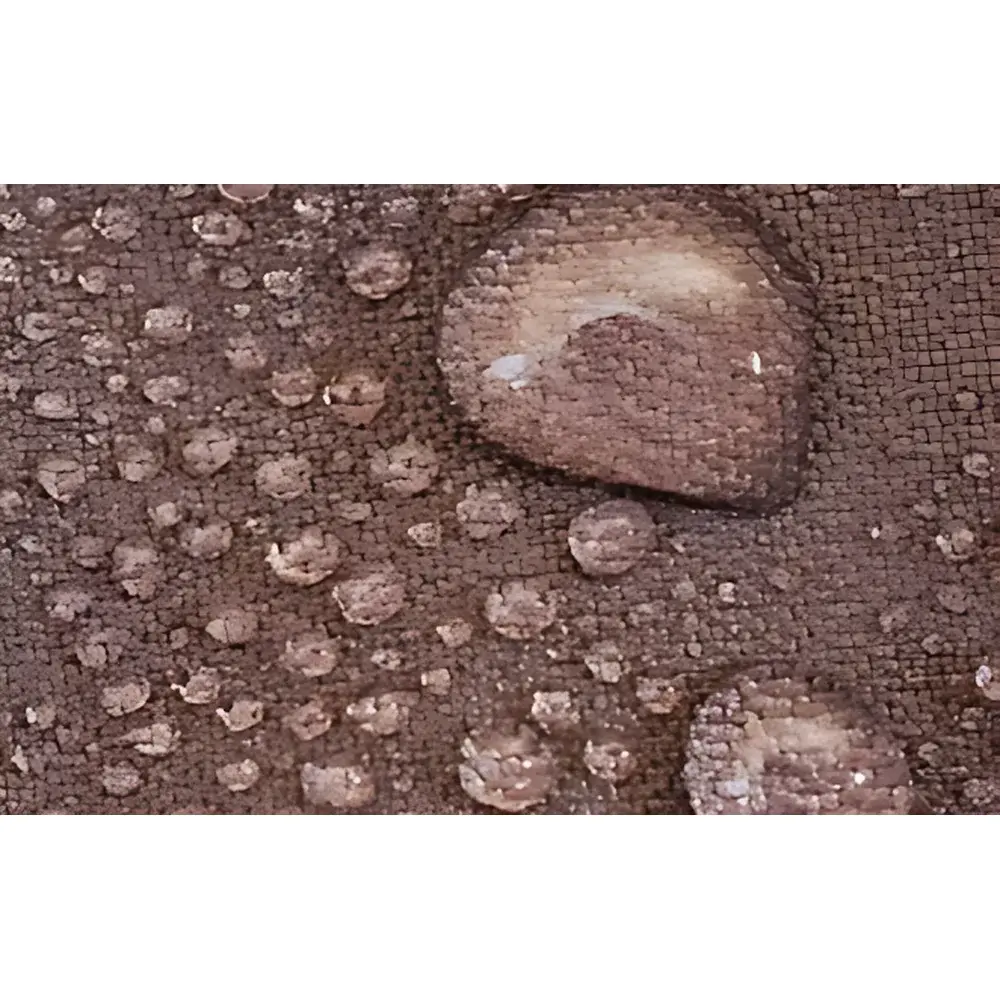
- Quality Control of Functional Surfaces: Validating batch-to-batch consistency of superhydrophobic textiles, anti-fog lenses, or self-cleaning façade panels by monitoring θc stability across defined roughness thresholds (e.g., Sa < 50 nm).
- Adhesion Science Research: Testing thermodynamic predictions of interfacial fracture energy using roughness-corrected surface energy inputs in models such as Dupré–Young or Johnson–Kendall–Roberts (JKR).
FAQ
Can the 3D Topography Module operate independently of the Theta optical contact angle system?
No—it is a hardware and software-coupled extension module requiring the Theta base unit for illumination control, high-speed camera synchronization, and unified data acquisition. Standalone operation is not supported.
What surface roughness parameters are calculated in compliance with international standards?
All 2D parameters (Ra, Rq, Rp, Rv, Rz, R10z) conform to ISO 4287; 3D parameters (Sa, Sq, Sdr) follow ISO 4288; filtering algorithms adhere to ISO 11562 for waviness separation.
Is the system suitable for measuring transparent or mirrored surfaces?
Not without surface modification—specular or optically transparent samples require matte coating or anti-reflective treatment to ensure reliable fringe contrast during phase-shift reconstruction.
How is measurement repeatability ensured across laboratories?
Through factory calibration against NIST-traceable step-height standards, documented in the Certificate of Conformance supplied with each unit; annual verification protocols are included in the service manual.
Does the software support automated pass/fail criteria for production QC?
Yes—customizable acceptance limits can be defined for any parameter (e.g., θc ∈ [72.5°, 73.5°] AND Sa ≤ 12.3 nm), triggering visual alerts and exporting non-conformance logs to LIMS systems.



