
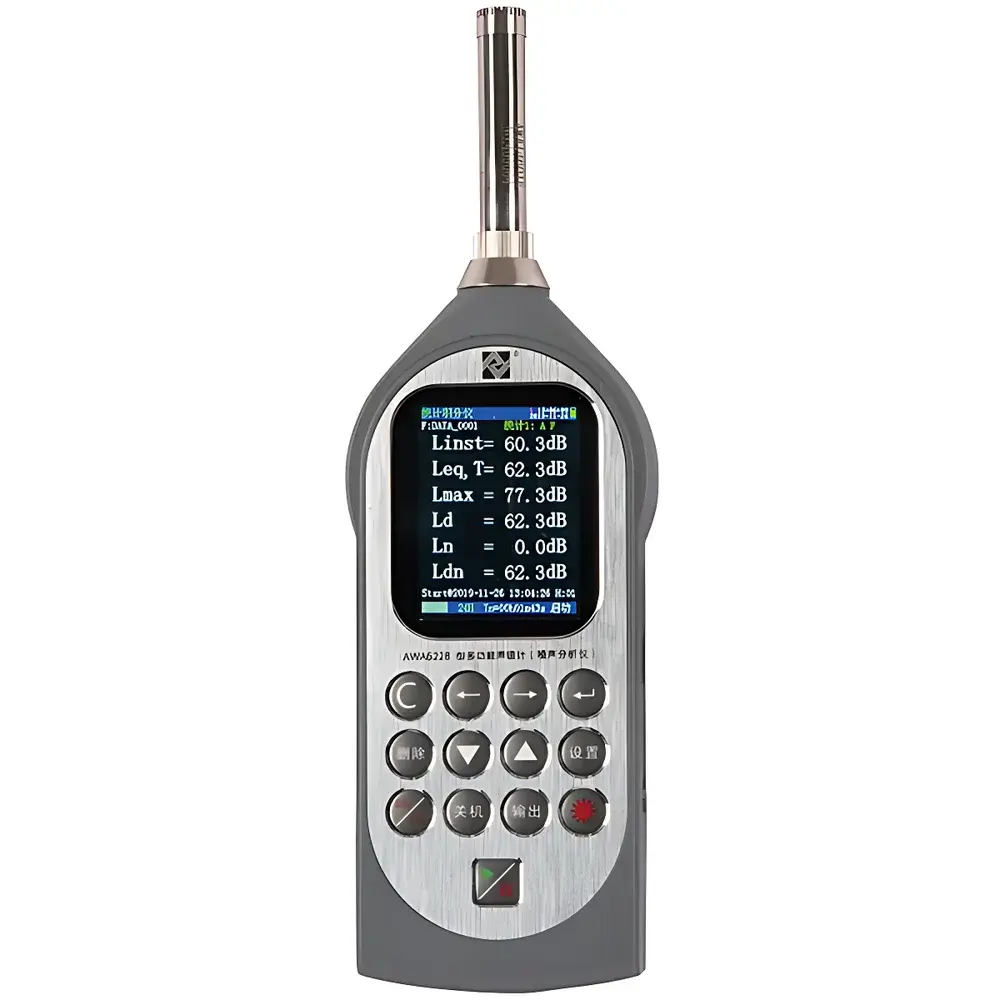
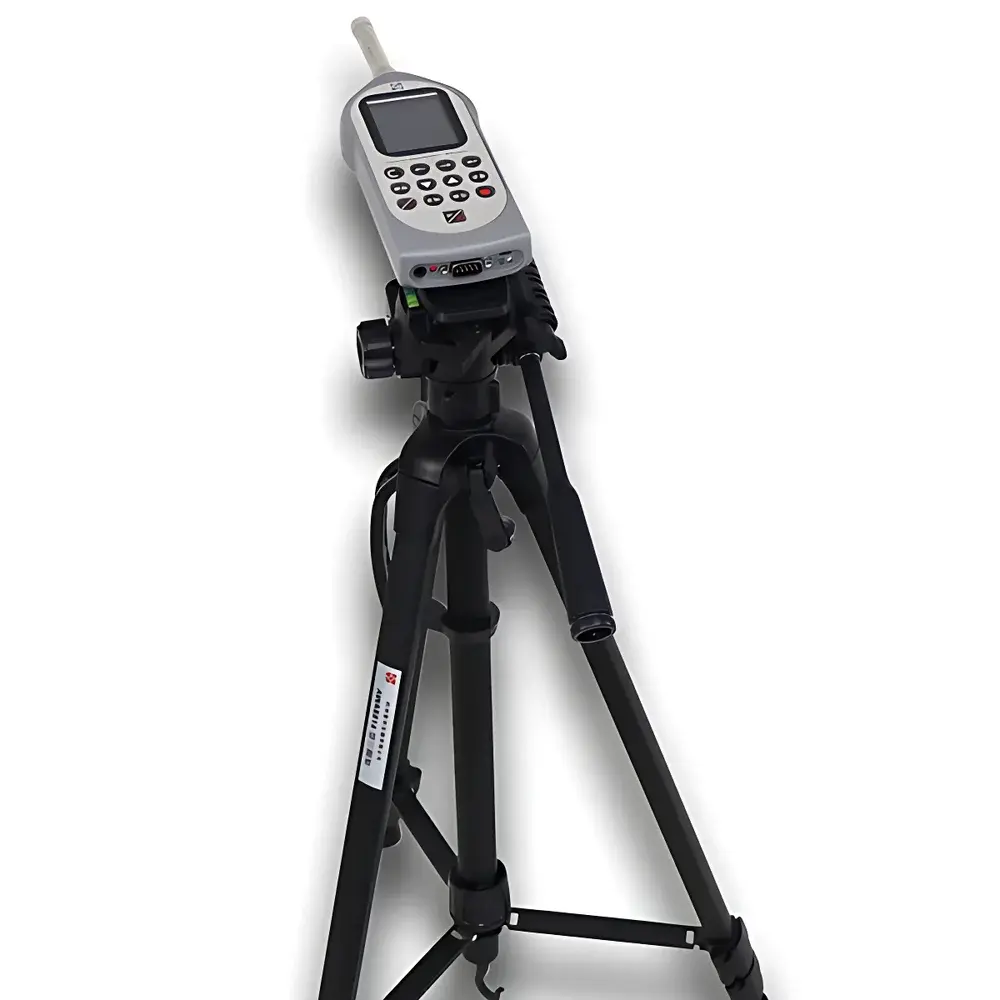
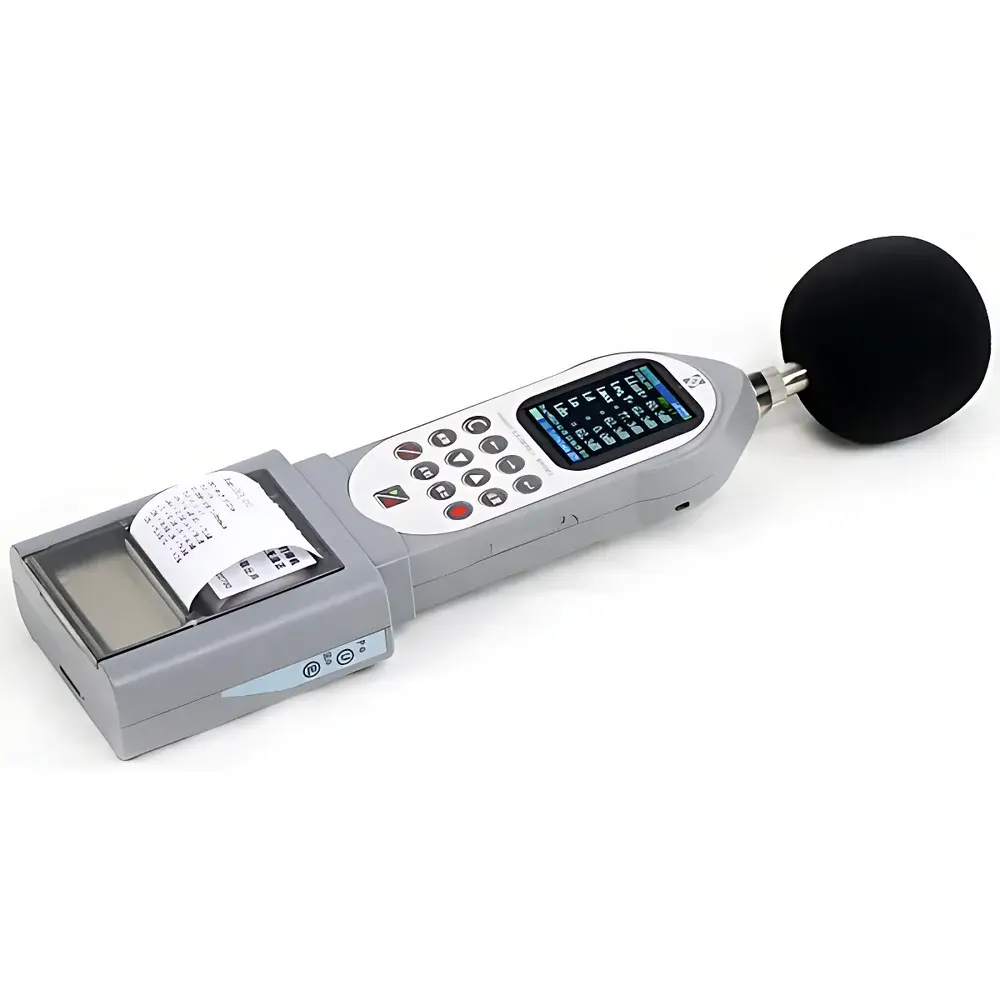
AWA AWA6228+ Class 1 Precision Sound Level Meter
| Brand | AWA |
|---|---|
| Origin | China (Shandong) |
| Model | AWA6228+ |
| Frequency Range | 10 Hz – 20 kHz |
| Measurement Range | Low Range: 20–132 dB(A), High Range: 30–142 dB(A) |
| Optional Extended Range | up to 162 dB(A) |
| Self-Noise | Low Range <12 dB(A)/17 dB(C)/22 dB(Z) |
| Accuracy | ±0.7 dB |
| A/D Sampling Rate | 48 kHz |
| Display | 2.6″ Color LCD (240×320) |
| Data Storage | 3 MB internal (expandable via SD card up to 32 GB) |
| Compliance | IEC 61672-1:2013 Class 1, IEC 61260-1:2014 Class 1, GB/T 3785.1–2010, GB/T 3241–2010 |
Overview
The AWA AWA6228+ is a Class 1 precision sound level meter engineered for high-accuracy environmental and occupational noise assessment in compliance with international metrological standards. It operates on the principle of electroacoustic transduction using a calibrated condenser microphone and low-noise preamplifier, coupled with real-time digital signal processing (DSP) to deliver simultaneous parallel analysis across multiple frequency weightings (A, C, Z, B, D, T, U) and time weightings (Fast, Slow, Impulse). Designed for field-deployable reliability, the instrument supports continuous 24-hour monitoring, long-term data logging, and modular functional expansion—making it suitable for regulatory compliance testing, industrial hygiene surveys, community noise mapping, and acoustic research applications requiring traceable, repeatable measurements.
Key Features
- Class 1 performance certified per IEC 61672-1:2013 and GB/T 3785.1–2010, validated by national type evaluation (Certificate No. 2016S593-33)
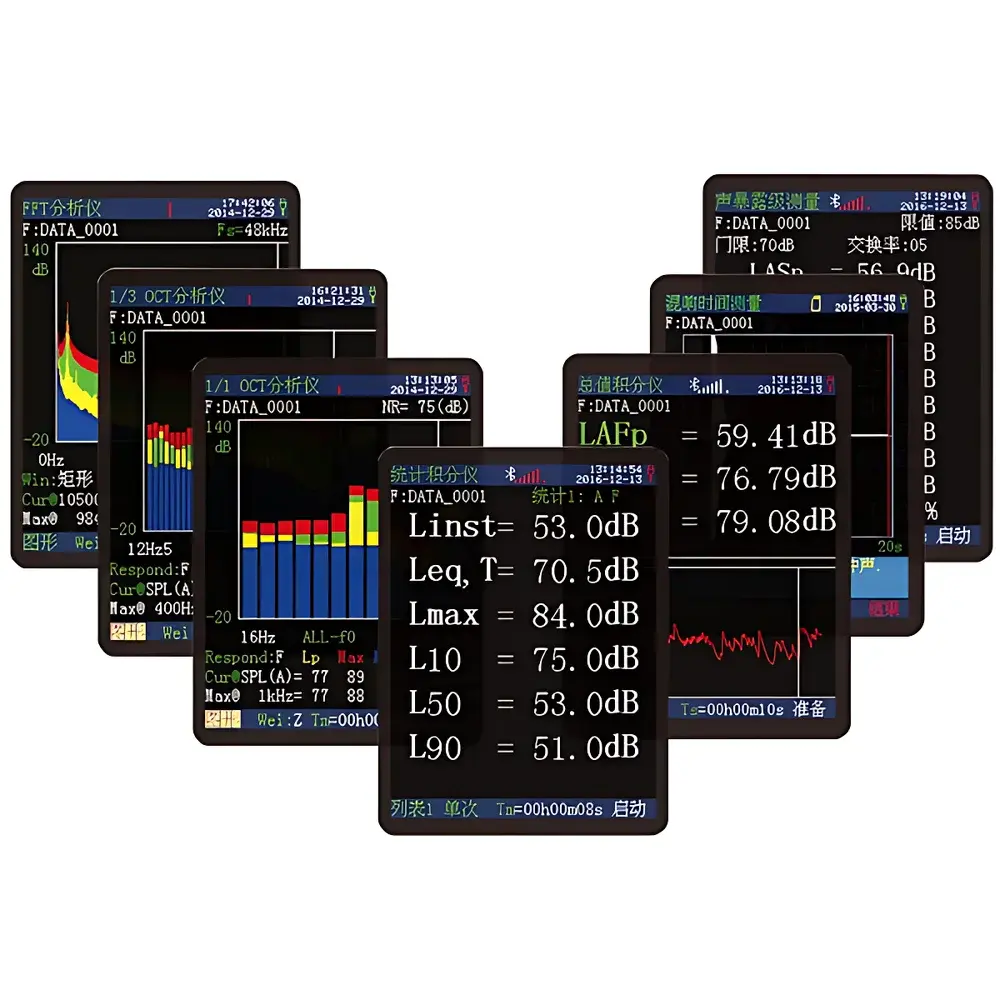
- Real-time parallel octave and fractional-octave analysis: full 1/1 OCT (16 Hz–16 kHz) and 1/3 OCT (12.5 Hz–20 kHz) bands compliant with IEC 61260-1:2014 Class 1
- High-resolution 2.6″ color LCD (240×320 pixels) with auto-adjusting backlight and customizable display layouts for rapid parameter verification
- Modular architecture enabling user-selectable firmware modules: statistical analysis, sound exposure level (SEL), dose calculation (DOSIMETER), FFT spectral analysis (2048-line), reverberation time measurement, and GPS-tagged georeferenced logging
- Low self-noise design: <12 dB(A) in low-range mode ensures valid measurements near quiet thresholds; high-range mode maintains integrity up to 142 dB(A), extendable to 162 dB(A) for impulse or blast noise characterization
- Robust power management: 4 × AA alkaline batteries support >30 hours of continuous operation—sufficient for unattended 24-hour monitoring cycles per HJ 707–2014 requirements
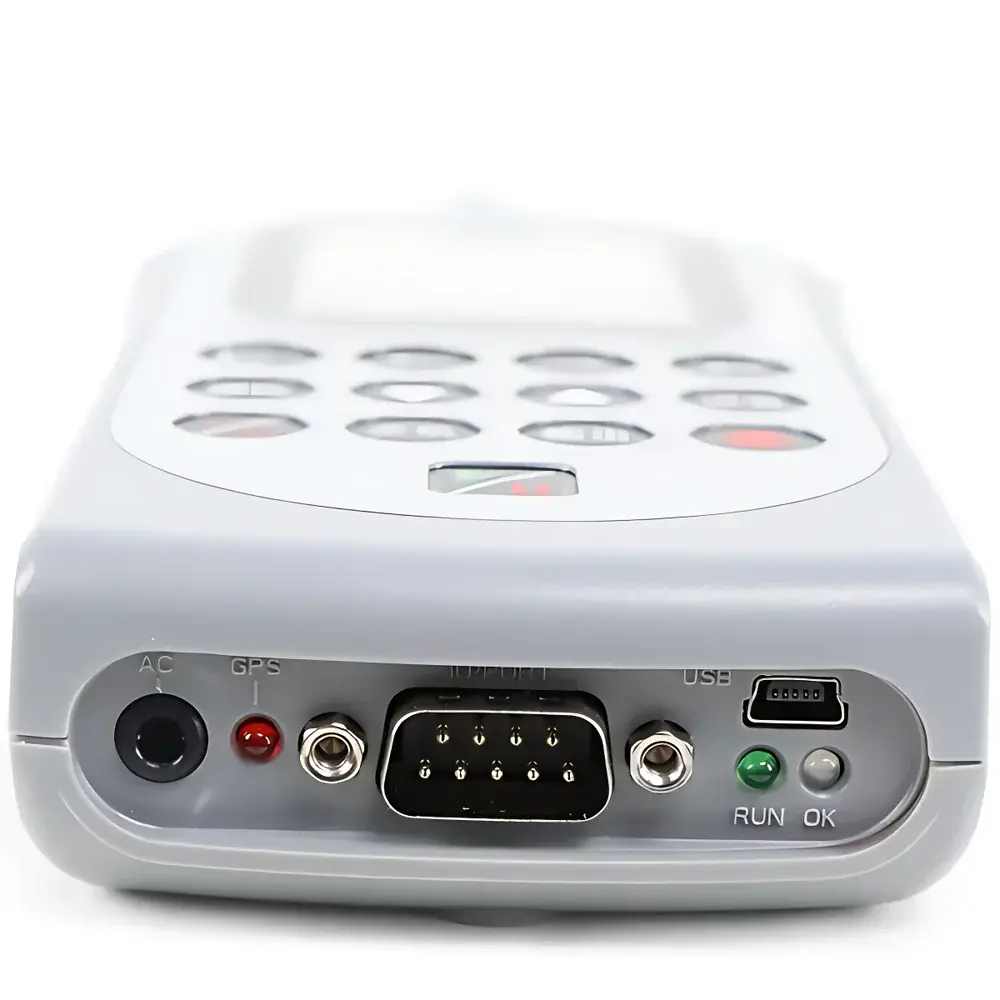
- Dual analog outputs (AC headphone, DC voltage proportional to SPL) plus RS232 and USB 1.1/2.0 interfaces for real-time telemetry, remote control, firmware updates, and direct connection to AH40 thermal printers or PC-based acquisition systems
Sample Compatibility & Compliance
The AWA6228+ is compatible with standard 1/2″ condenser microphone assemblies (e.g., AWA14421 series) and integrates seamlessly with the AWA6223F multi-frequency calibrator, meeting the traceability and periodic verification requirements of HJ 707–2014 and ISO 9001-accredited laboratory workflows. Its mechanical and environmental specifications—operating temperature range of −10 °C to +50 °C, relative humidity tolerance up to 90 % RH, and pressure range of 65–108 kPa—ensure stable performance under diverse field conditions. All measurement algorithms adhere to GLP-aligned data integrity principles: timestamps are synchronized via internal RTC (<1 min/month drift) or optional GPS time stamping; every stored record includes metadata such as instrument ID, calibration status, configuration flags, and operator-defined tags.
Software & Data Management
Data acquisition and post-processing are supported through a suite of optional software modules, each independently licensed and firmware-upgradable via USB. The embedded 3 MB flash memory accommodates up to 2,663 statistical datasets, 3,328 integrated energy averages, or 121 full-resolution FFT spectra. With an optional 32 GB SD card, users can archive months of continuous 1/3 OCT time-series or >320 hours of personal sound exposure logs at 48 kHz/32-bit resolution. Export formats include CSV, TXT, and proprietary binary files compatible with third-party analysis platforms. Audit trails—including parameter changes, calibration events, and user login sessions—are retained internally to satisfy FDA 21 CFR Part 11 and ISO/IEC 17025 documentation requirements when used in accredited testing laboratories.
Applications
- Environmental noise monitoring per national emission standards (e.g., GB 3096–2008) and EU Directive 2002/49/EC
- Workplace noise exposure assessment aligned with OSHA 1910.95 and ISO 9612:2009 for hearing conservation programs
- Acoustic site surveys for urban planning, transportation infrastructure, and wind turbine noise impact studies
- Product noise certification testing (e.g., household appliances, HVAC equipment) against IEC 60704 or ISO 3744
- Educational and research use in acoustics laboratories requiring configurable spectral resolution and long-term trending capability
- Field validation of building acoustic performance, including façade transmission loss and room reverberation time (with optional S6228+-00508 module)
FAQ
What standards does the AWA6228+ comply with?
It conforms to IEC 61672-1:2013 Class 1 for sound level meters and IEC 61260-1:2014 Class 1 for octave-band filters, as well as corresponding Chinese national standards GB/T 3785.1–2010 and GB/T 3241–2010.
Can the device perform real-time 1/3 octave analysis during continuous logging?
Yes—real-time parallel 1/3 OCT analysis is fully supported across the full 12.5 Hz–20 kHz band without interrupting statistical or integrated measurements.
Is GPS positioning available as a built-in option?
Yes—the internal GPS module provides geotagged measurement records, including latitude, longitude, altitude, and ground speed, synchronized with audio and spectral data.
How is measurement traceability ensured?
Traceability is maintained through compatibility with AWA6223F multi-frequency calibrators (compliant with HJ 707–2014), internal calibration verification routines, and timestamped calibration event logs stored alongside measurement data.
Does the instrument support remote data retrieval or network integration?
While it lacks native Ethernet or Wi-Fi, RS232 and USB interfaces enable integration into SCADA or centralized monitoring systems via external gateways; Bluetooth (optional hardware module) allows short-range wireless transfer to mobile devices or edge-computing nodes.
Related Products







