
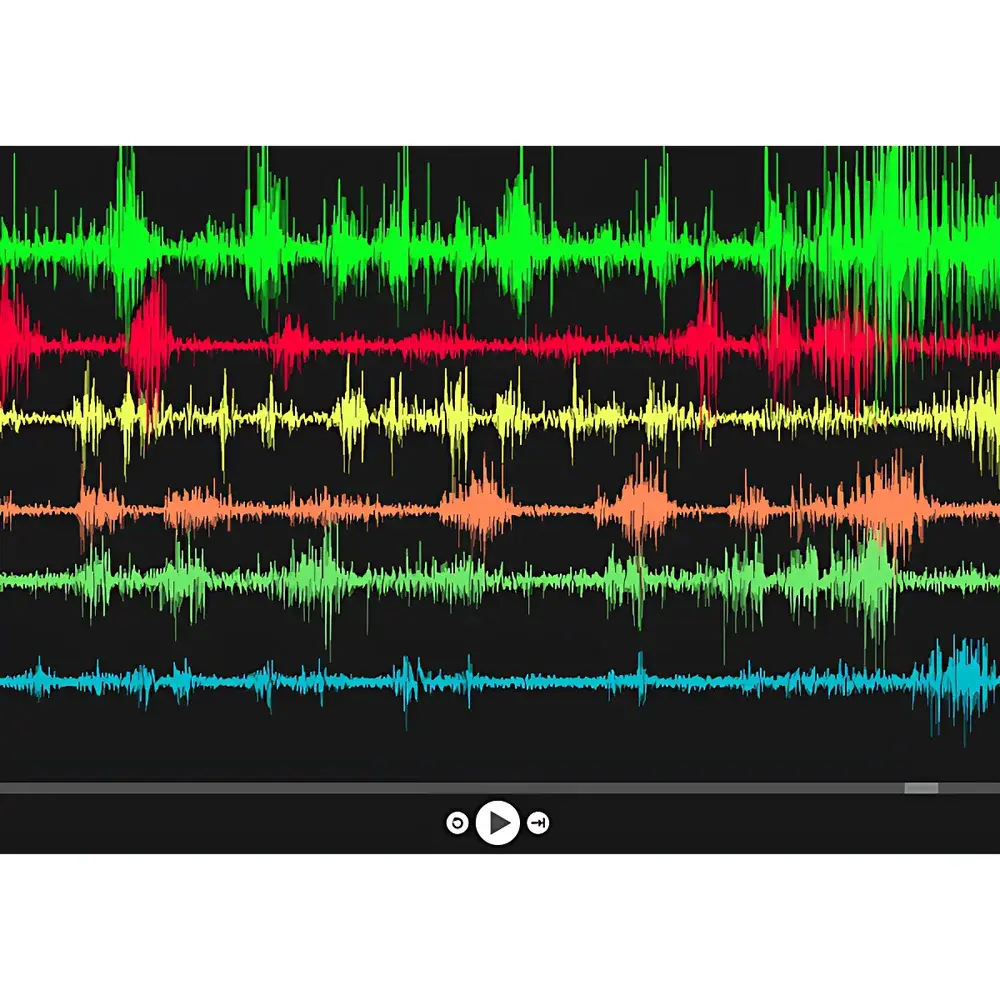
Backyard Brains Muscle SpikerShield Pro – 6-Channel Electromyography (EMG) Shield for Arduino
| Brand | Backyard Brains |
|---|---|
| Origin | USA |
| Manufacturer Type | Authorized Distributor |
| Import Status | Imported |
| Model | Muscle SpikerShield Pro |
| Pricing | Contact for Quote |
Overview
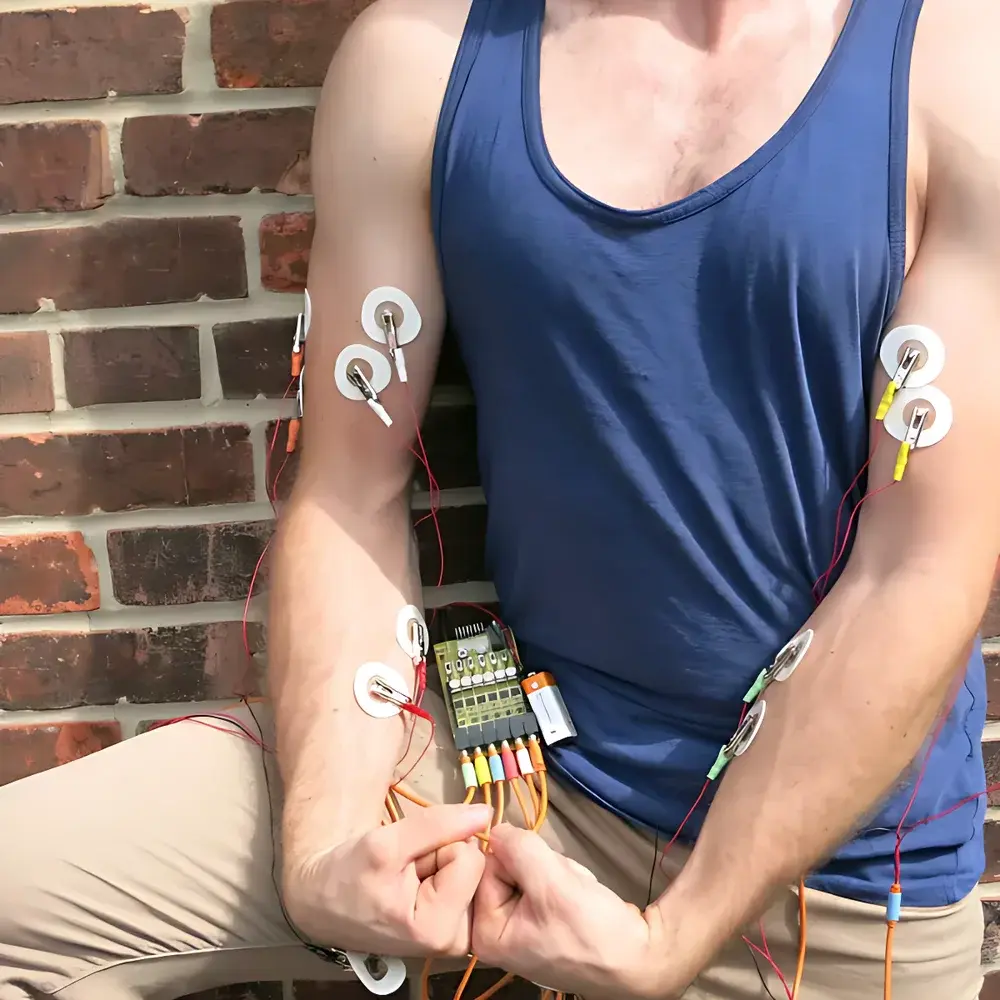
The Backyard Brains Muscle SpikerShield Pro is a modular, open-hardware electromyography (EMG) acquisition platform engineered for real-time, multi-channel surface EMG signal recording and biofeedback control. Designed as a drop-in shield for Arduino Uno (ATmega328P) and Arduino Leonardo (ATmega32U4), it implements differential amplification, high-pass and low-pass filtering (10–500 Hz bandpass), and analog-to-digital conversion to capture biopotential activity from skeletal muscle tissue. Unlike single-channel predecessors, the SpikerShield Pro supports simultaneous acquisition from up to six independent EMG channels—enabling spatial-temporal analysis of muscle recruitment patterns, co-contraction dynamics, and inter-muscular coordination. Its architecture adheres to standard electrophysiological signal conditioning principles: input impedance >10 GΩ, common-mode rejection ratio (CMRR) >80 dB, and galvanic isolation via optocoupled signal paths to ensure subject safety and signal fidelity in educational and exploratory research settings.
Key Features
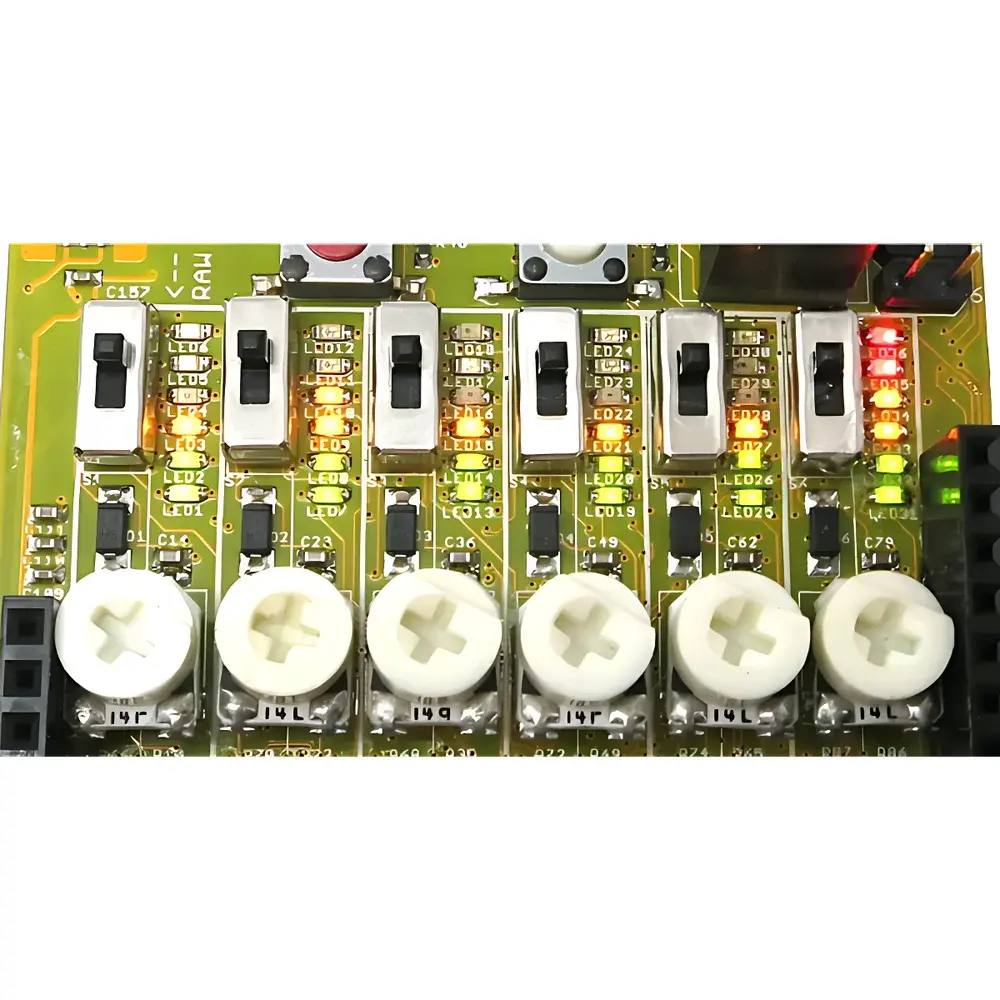
- Six independent, user-configurable EMG input channels with individual gain adjustment (via onboard potentiometers) and LED-based signal intensity indicators (“Dance Mode” for rapid visual feedback)
- Dual recording modes: raw waveform output (for spike timing and morphology analysis) and envelope-detected output (for amplitude-modulated control applications)
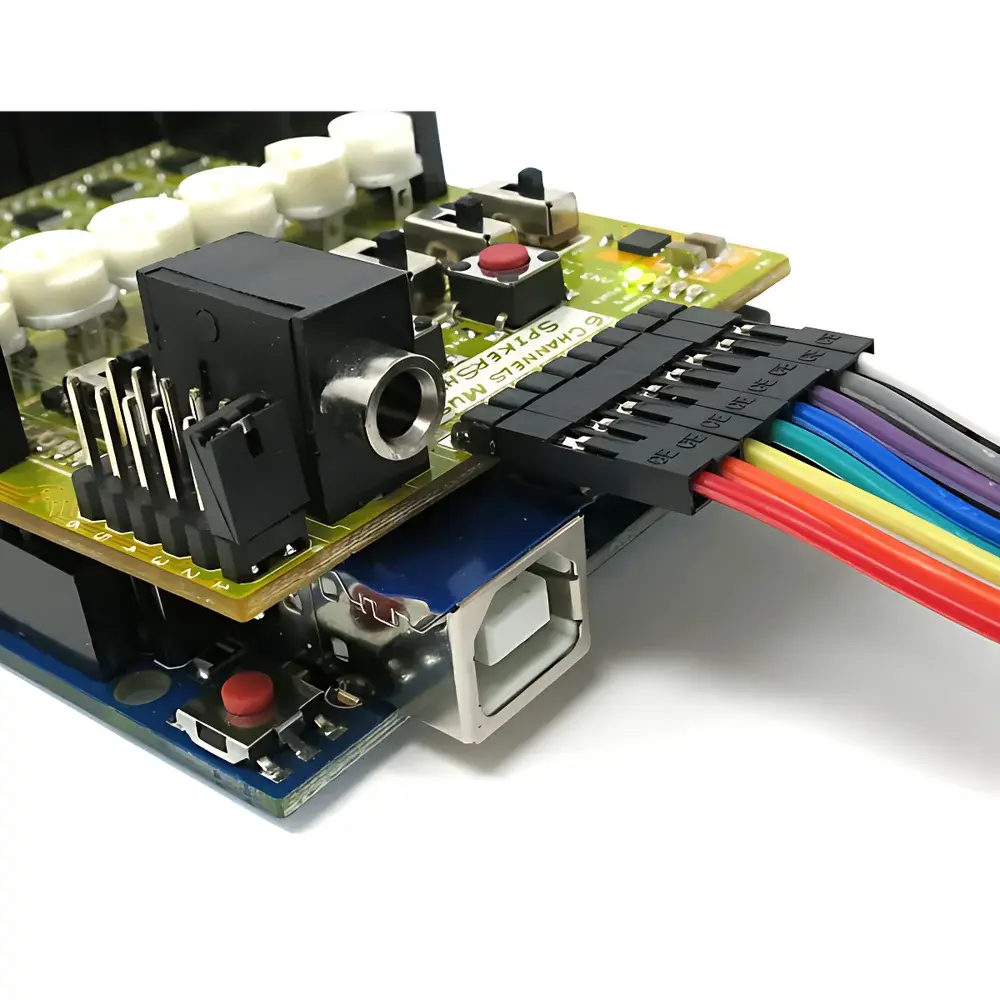
- Integrated Arduino-compatible I/O expansion: six digital I/O pins, VCC, and GND routed to edge headers—enabling direct interfacing with servos, LEDs, relays, or robotic actuators
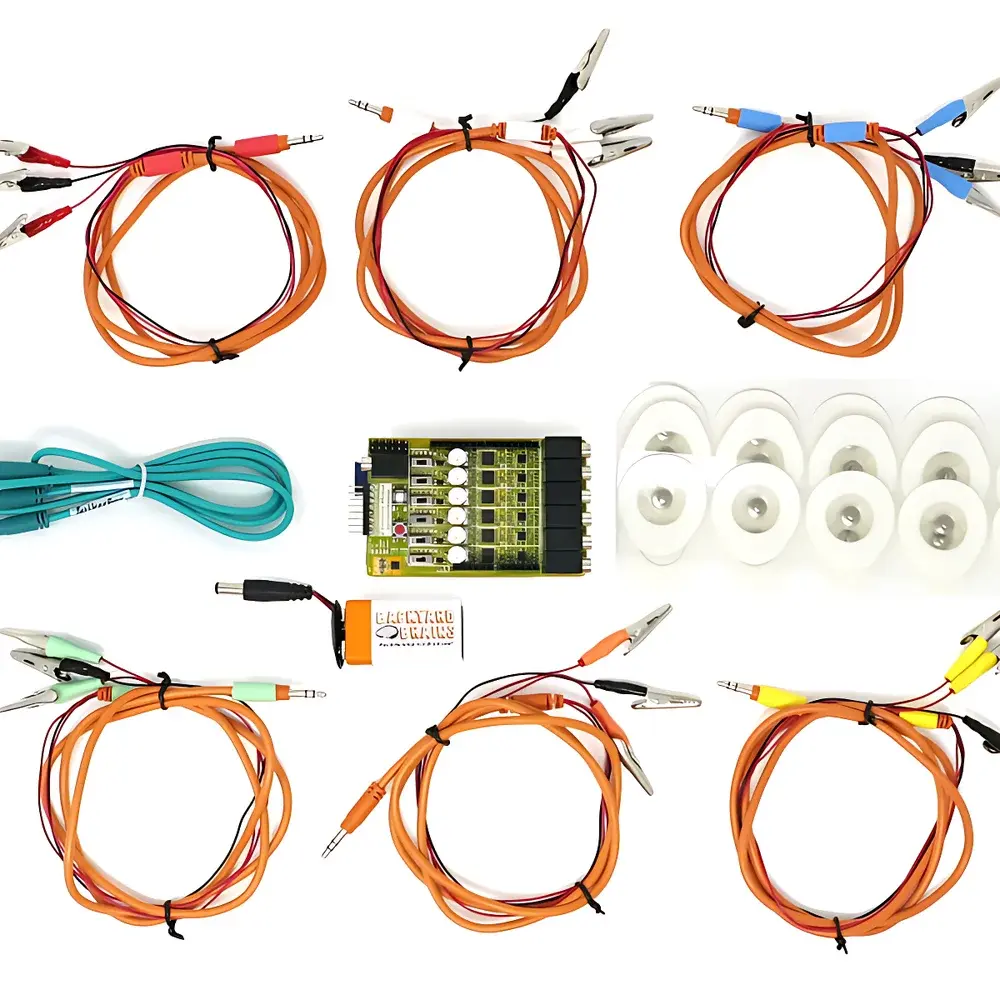
- Onboard 9V battery interface with integrated voltage regulation and belt-mountable housing for portable, cable-free experiments
- Open-source firmware and Arduino library support (C++), compatible with SpikeRecorder desktop application (Windows/macOS/Linux) and custom Python/Processing implementations via serial protocol
- Compliant with IEC 60601-1 basic safety requirements for Class I, internally powered biomedical test equipment used in non-clinical environments
Sample Compatibility & Compliance
The Muscle SpikerShield Pro is validated for use with standard Ag/AgCl surface EMG electrodes (e.g., 200 included large-surface disposable patches) applied to superficial striated muscles—including biceps brachii, triceps brachii, quadriceps, tibialis anterior, and flexor carpi radialis. Electrode placement follows SENIAM guidelines for consistent inter-subject comparability. While not intended for diagnostic or clinical deployment, the device meets essential performance criteria outlined in ASTM F2503 (Standard Practice for Electromyographic Signal Acquisition and Analysis) for educational and prototyping applications. It operates within the low-voltage, non-invasive domain defined by ISO 14155:2020 Annex C for exploratory human subject research, requiring institutional review board (IRB) notification but not full clinical trial approval when used under supervised academic protocols.
Software & Data Management
Data acquisition is managed through SpikeRecorder v4.x—a cross-platform, open-source application supporting real-time visualization, timestamped .csv export, and synchronized multi-channel playback. The shield communicates via USB CDC (virtual COM port) at configurable baud rates (default: 115200), enabling integration with MATLAB, LabVIEW, or custom Python scripts using PySerial. All firmware binaries and Arduino sketches are hosted on GitHub under MIT License, with version-controlled documentation covering calibration procedures, noise troubleshooting, and GLP-aligned metadata tagging (subject ID, session timestamp, electrode configuration). Audit trails for experimental parameters are preserved in exported data headers, supporting reproducibility requirements in undergraduate capstone projects and early-stage neuroengineering development.
Applications
- Comparative motor unit recruitment studies across agonist-antagonist pairs during isometric and dynamic contractions
- Real-time EMG-driven human-machine interfaces (HMIs) for prosthetic limb control simulation, exoskeleton actuation logic, or adaptive gaming input
- Neuromuscular fatigue quantification via median frequency shift and amplitude variance over time-series recordings
- Classroom demonstrations of action potential propagation, muscle fiber synchronization, and reflex arc latency measurement
- Embedded systems prototyping—using EMG envelope signals to trigger microcontroller events (e.g., gesture-controlled robotics, biofeedback lighting systems)
FAQ
Is the Muscle SpikerShield Pro FDA-cleared or CE-marked for clinical use?
No. It is designated for educational, research, and prototyping purposes only, and is not certified for diagnostic, therapeutic, or regulated medical device applications.
Which Arduino boards are officially supported?
Arduino Uno R3 and Arduino Leonardo R3 are fully tested and documented. Compatibility with Arduino Nano (with ATmega328P) is possible but requires manual pin mapping verification.
Can I record all six channels simultaneously in SpikeRecorder?
Yes—SpikeRecorder v4.3+ supports true 6-channel synchronous sampling at 1 kHz per channel, with hardware-triggered start/stop and adjustable buffer depth.
Are electrode placement guidelines included?
Yes—comprehensive PDF documentation includes SENIAM-compliant anatomical diagrams, inter-electrode distance specifications, skin preparation protocols, and motion artifact mitigation strategies.
Does the firmware support custom filtering or real-time FFT?
The base firmware provides fixed 10–500 Hz bandpass filtering. Advanced users may modify the Arduino sketch to implement moving-average envelope detection or forward raw samples to host-side FFT libraries (e.g., SciPy, MATLAB Signal Processing Toolbox).
Related Products



