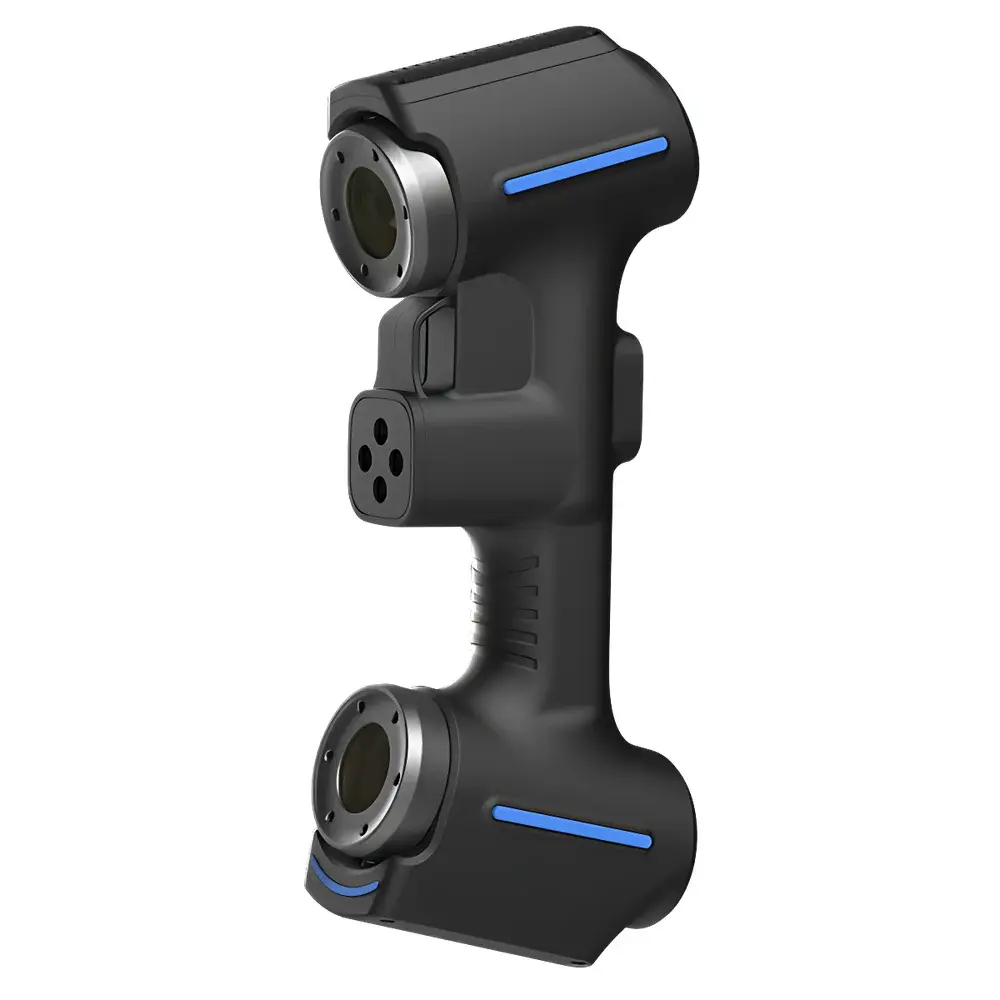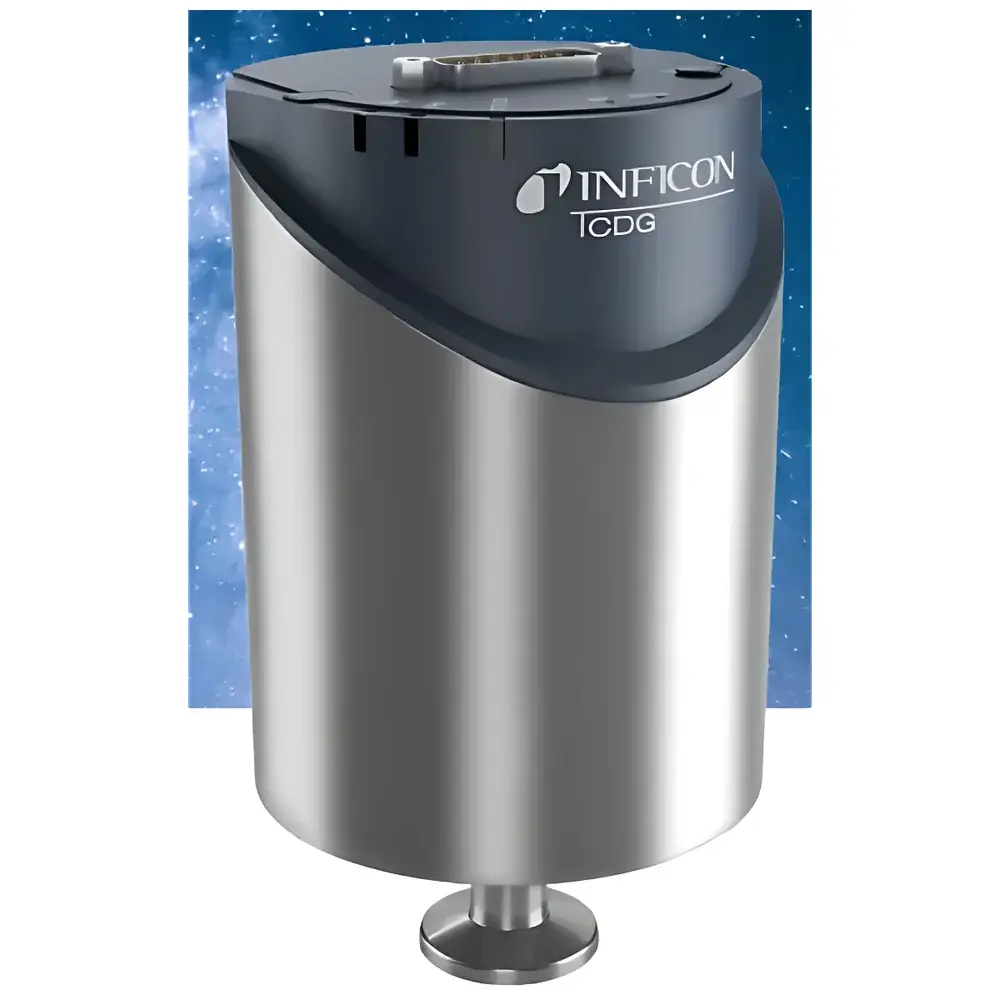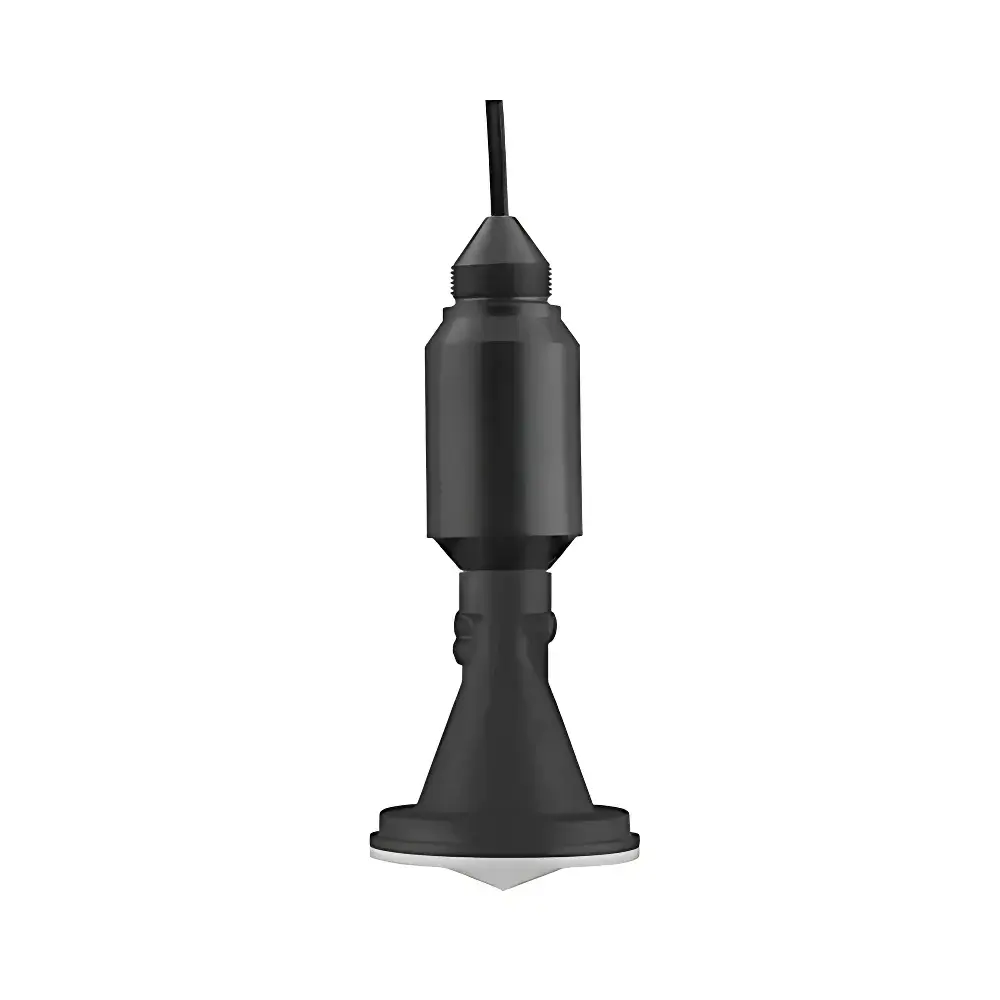
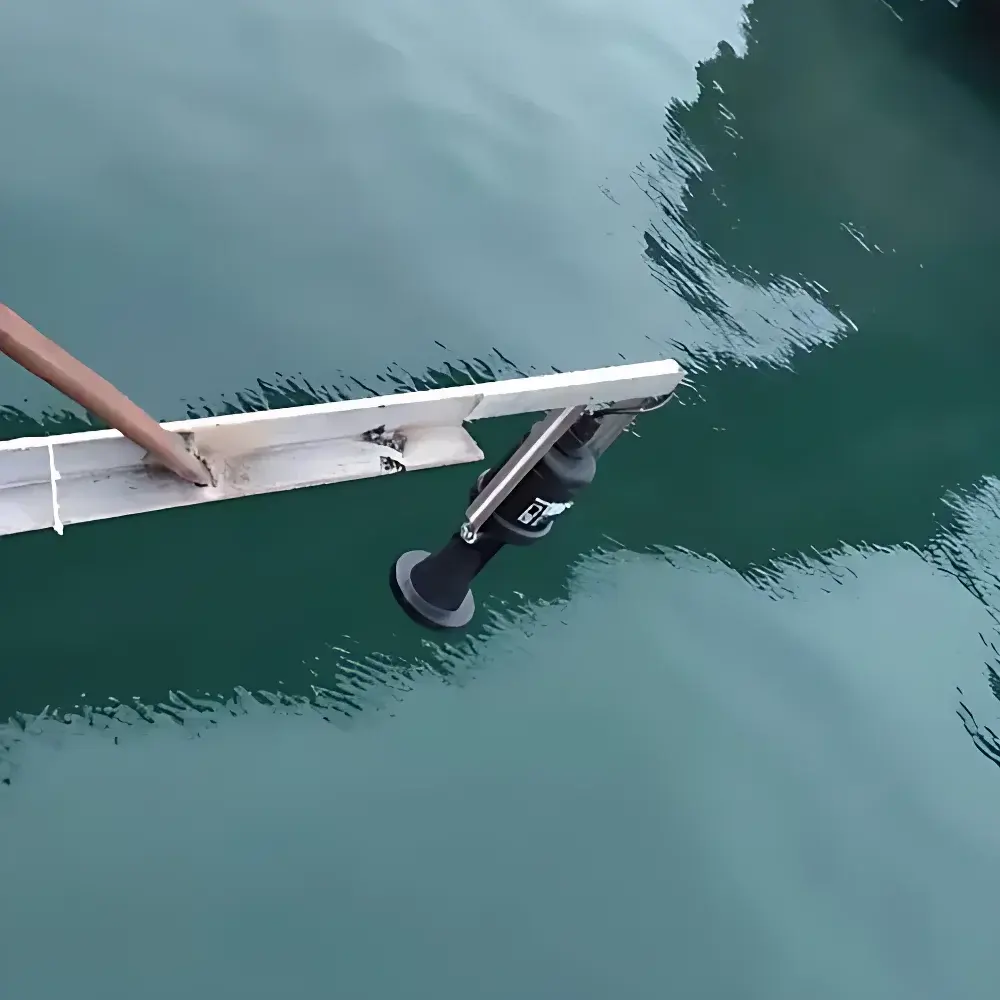
Baineng BN-RL Radar Water Level Sensor
| Brand | Baineng |
|---|---|
| Origin | Shanghai, China |
| Model | BN-RL |
| Type | Non-contact Pulse Radar Water Level Sensor |
| Measurement Principle | 26 GHz Pulsed Time-of-Flight (PTOF) |
| Range Options | 0–15 m / 0–30 m / 0–45 m |
| Accuracy | ±2 mm (for 0–15 m range) |
| Beam Angle | 6° or 8° |
| Output Interfaces | RS-485 (Modbus RTU), 4–20 mA (optional), 0–5 V (optional) |
| Power Supply | 12 VDC (RS-485 mode) or 24 VDC (4–20 mA loop-powered) |
| Max. Current Consumption | 12 mA |
| Operating Temperature | −40 °C to +100 °C |
| Enclosure Rating | IP68 |
| Wave Filtering | Built-in dynamic surface wave suppression algorithm |
| Maintenance | Maintenance-free design |
Overview
The Baineng BN-RL Radar Water Level Sensor is an industrial-grade, non-contact level measurement instrument engineered for continuous, high-reliability monitoring of open-channel and reservoir water levels in hydrological, environmental, and municipal infrastructure applications. Utilizing 26 GHz pulsed time-of-flight (PTOF) radar technology, the BN-RL emits short-duration microwave pulses toward the water surface and precisely calculates distance based on the round-trip transit time of the reflected signal. This principle ensures immunity to physical contact with the medium—eliminating sensor fouling, mechanical wear, or calibration drift associated with float, pressure, or ultrasonic methods. Its narrow beam angle (6° or 8°) minimizes interference from tank walls, vegetation, or debris, while the integrated surface-wave filtering algorithm dynamically compensates for ripples, wind-induced turbulence, and small-scale wave motion—delivering stable, repeatable readings even under fluctuating hydraulic conditions.
Key Features
- True non-contact operation: No immersion, no moving parts, no susceptibility to sedimentation, biofouling, or aquatic vegetation
- High-precision measurement: ±2 mm accuracy within the 0–15 m range; consistent performance across full scale options (up to 45 m)
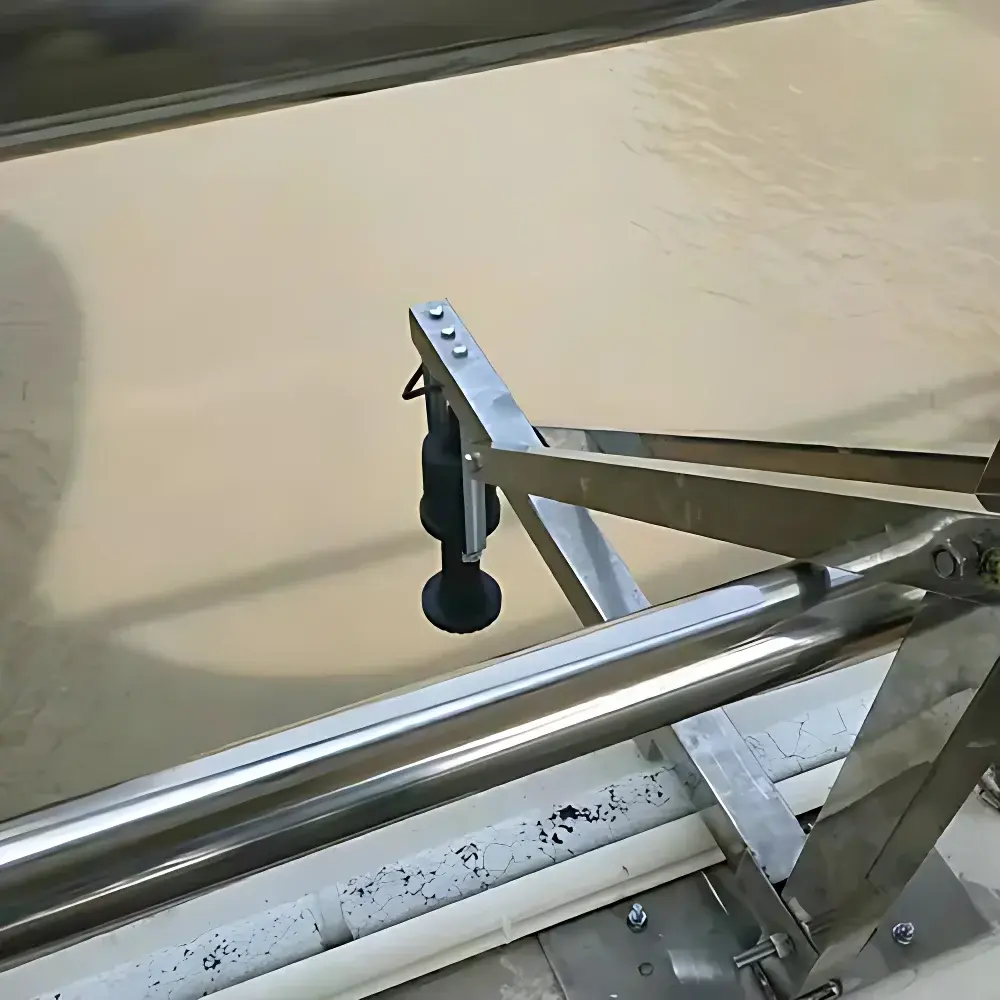
- Ruggedized IP68-rated housing: Fully sealed against dust and prolonged submersion; suitable for outdoor mounting on bridges, weirs, or channel walls
- Wide operational envelope: Functional across −40 °C to +100 °C ambient temperatures; resistant to rain, fog, sand, and high humidity without signal attenuation
- Dual-output flexibility: Standard RS-485 interface with Modbus RTU protocol for integration into SCADA, PLC, or telemetry systems; optional analog outputs (4–20 mA or 0–5 V) for legacy controllers or local displays
- Low-power architecture: Maximum current draw of 12 mA enables deployment in solar- or battery-powered remote stations with extended autonomy
- Zero-maintenance design: No periodic cleaning, recalibration, or consumable replacement required over service life
Sample Compatibility & Compliance
The BN-RL is validated for use with natural and engineered water bodies—including rivers, canals, irrigation ditches, stormwater retention basins, and wastewater collection channels. It performs reliably in turbid, aerated, or chemically aggressive waters where optical or capacitive sensors fail. While not certified to IEC 61508 or SIL standards out-of-the-box, its hardware architecture conforms to EMC Directive 2014/30/EU and RoHS 2011/65/EU requirements. The Modbus RTU implementation adheres to standard register mapping conventions compatible with major industrial automation platforms. For regulatory deployments requiring auditability (e.g., EPA-compliant flow monitoring), users may configure external data loggers with timestamped storage and secure export to meet GLP/GMP or ISO/IEC 17025 documentation expectations.
Software & Data Management
The BN-RL operates as a smart field device with embedded firmware supporting configuration via ASCII command set over RS-485. Parameter setup—including range selection, output scaling, damping time, and wave-filter aggressiveness—is performed using standard terminal emulation software (e.g., PuTTY or Tera Term). No proprietary PC application is required. When integrated into Modbus networks, it exposes real-time level values, diagnostic status flags (e.g., signal strength, echo quality, temperature), and internal error codes through standardized holding registers. Raw data streams are compatible with time-series databases (InfluxDB, TimescaleDB), cloud telemetry platforms (AWS IoT Core, Azure IoT Hub), and open-source hydrological dashboards (e.g., Grafana with custom panel templates). Optional analog outputs support direct connection to chart recorders or PLC analog input modules without protocol translation.
Applications
- Flood warning systems: Real-time river stage monitoring at upstream gauging stations
- Irrigation control: Automated gate actuation based on canal water level feedback
- Wastewater network management: Wet-well level supervision for pump station optimization
- Reservoir and dam safety monitoring: Long-term trend analysis of storage volume changes
- Urban drainage surveillance: Detection of surcharge events in combined sewer overflows (CSOs)
- Environmental compliance reporting: Continuous level logging for regulatory submissions under national water resource acts
FAQ
Does the BN-RL require periodic recalibration?
No. The pulse radar measurement principle is inherently stable and does not exhibit zero drift or span shift over time. Factory calibration is retained throughout the product’s operational lifetime.
Can it measure through ice or floating debris?
No. Like all radar-based sensors, the BN-RL requires a clear line of sight to the water surface. Ice cover, dense foam, or thick floating mats will obstruct the signal path and invalidate measurements.
Is the sensor suitable for saline or brackish water environments?
Yes. Since measurement is non-contact and electromagnetic in nature, water conductivity, salinity, or pH have no effect on radar propagation or accuracy.
What mounting orientation is recommended?
Vertical downward mounting is mandatory. The sensor must be installed perpendicular to the expected water surface plane, with unobstructed beam clearance within the specified beam angle.
How is surge protection implemented for outdoor RS-485 wiring?
The BN-RL includes built-in transient voltage suppression (TVS) diodes on the RS-485 bus lines. For installations in lightning-prone areas, external galvanic isolation and surge arrestors compliant with IEC 61000-4-5 are recommended.