
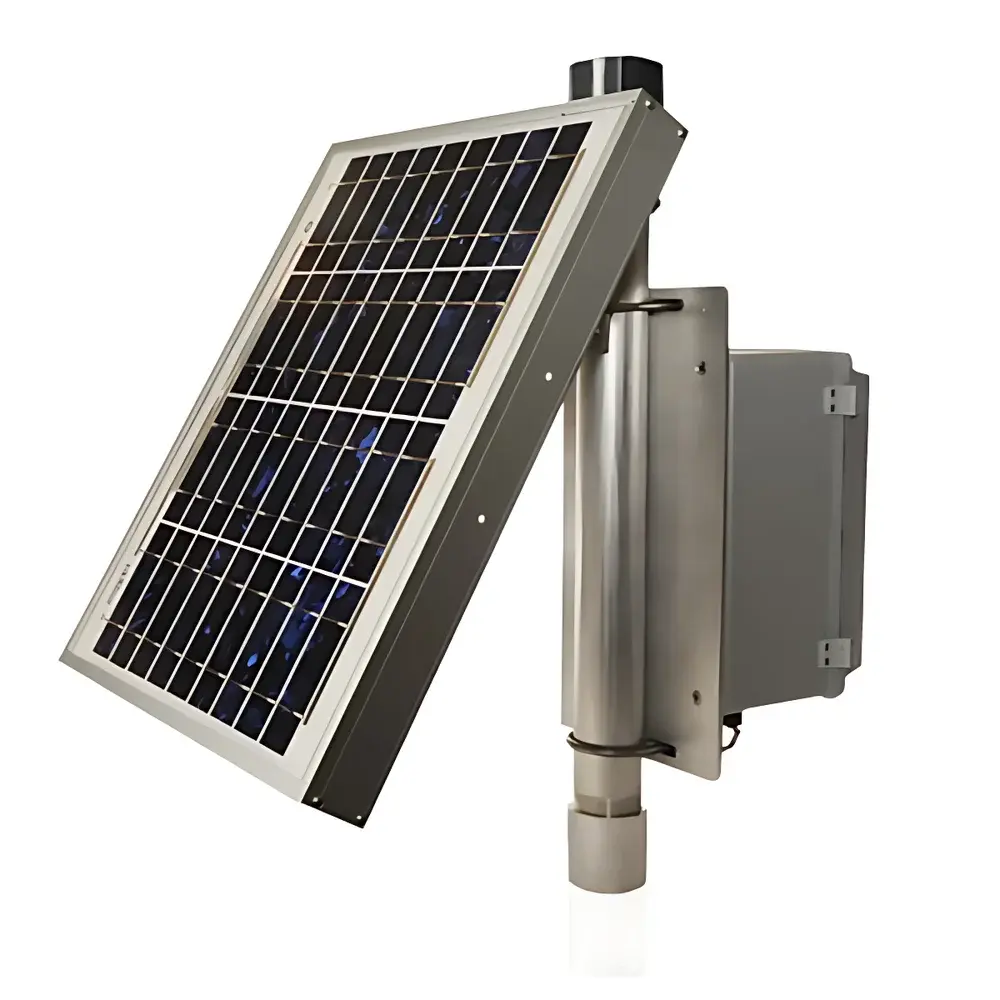
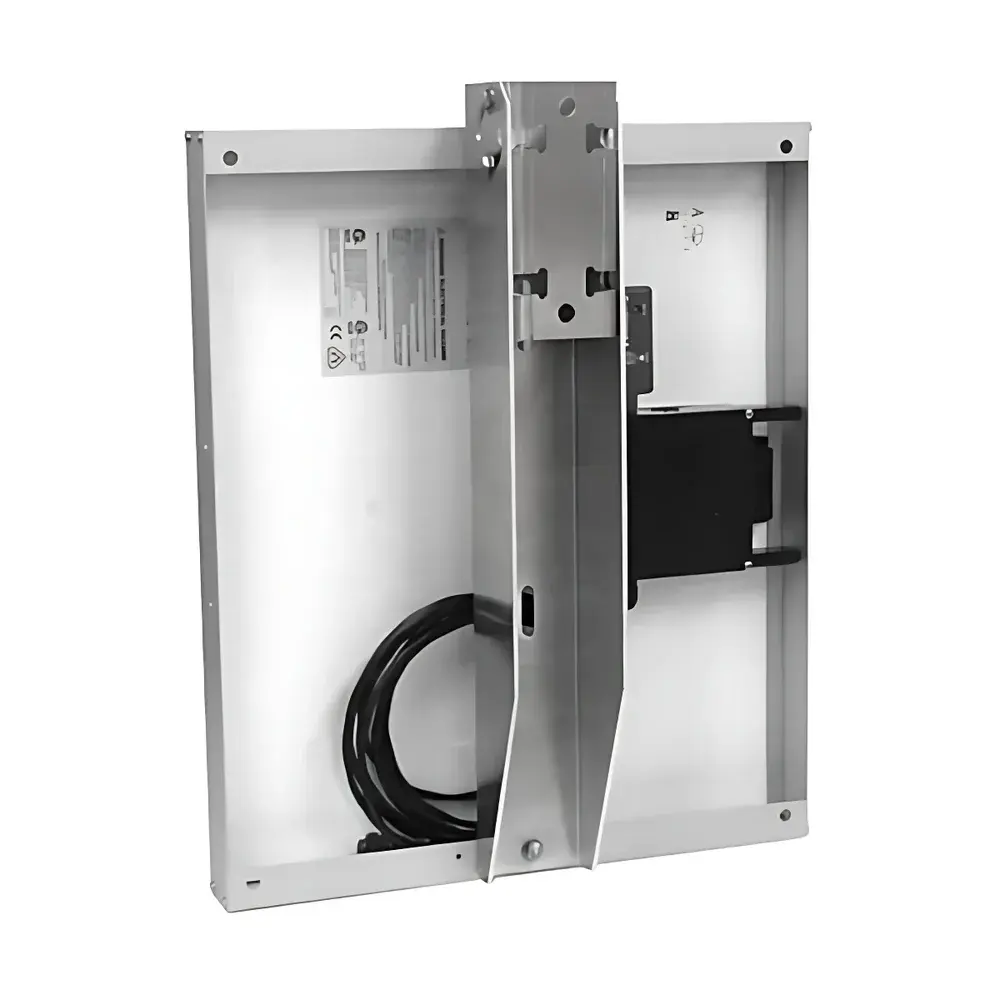
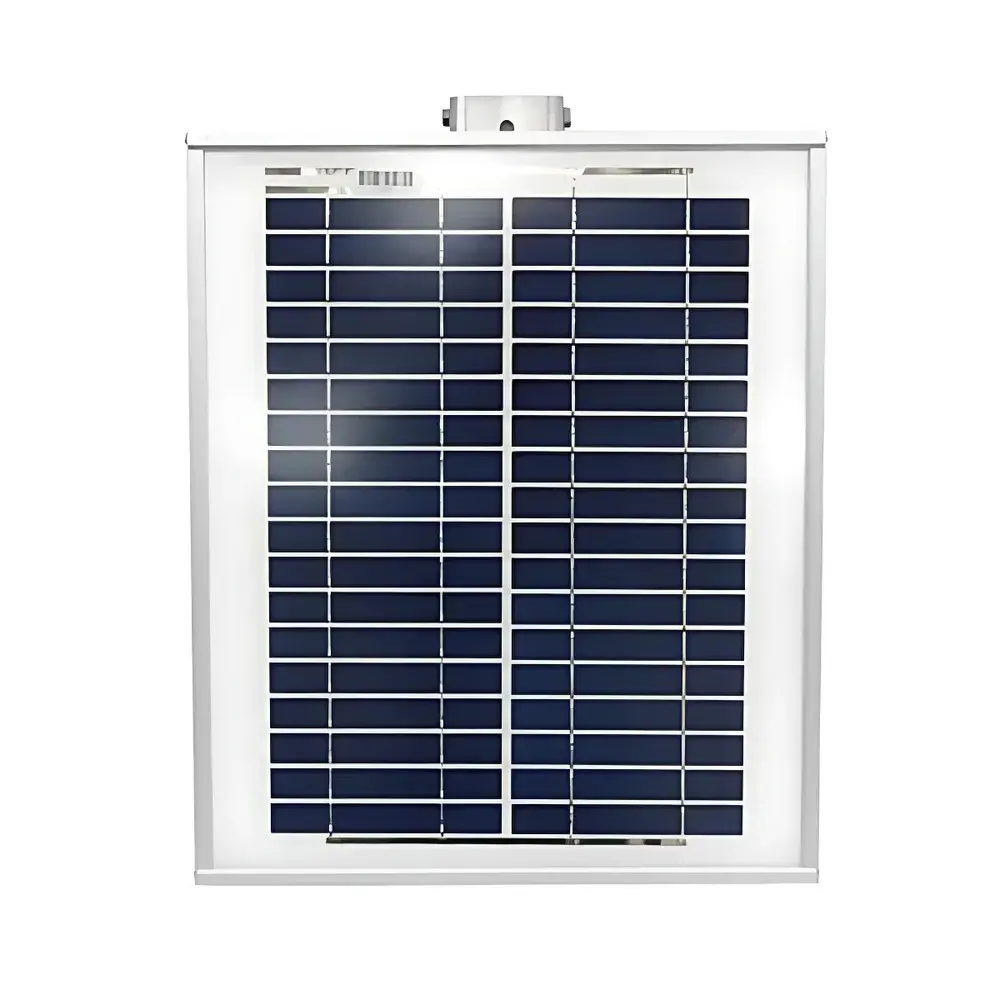
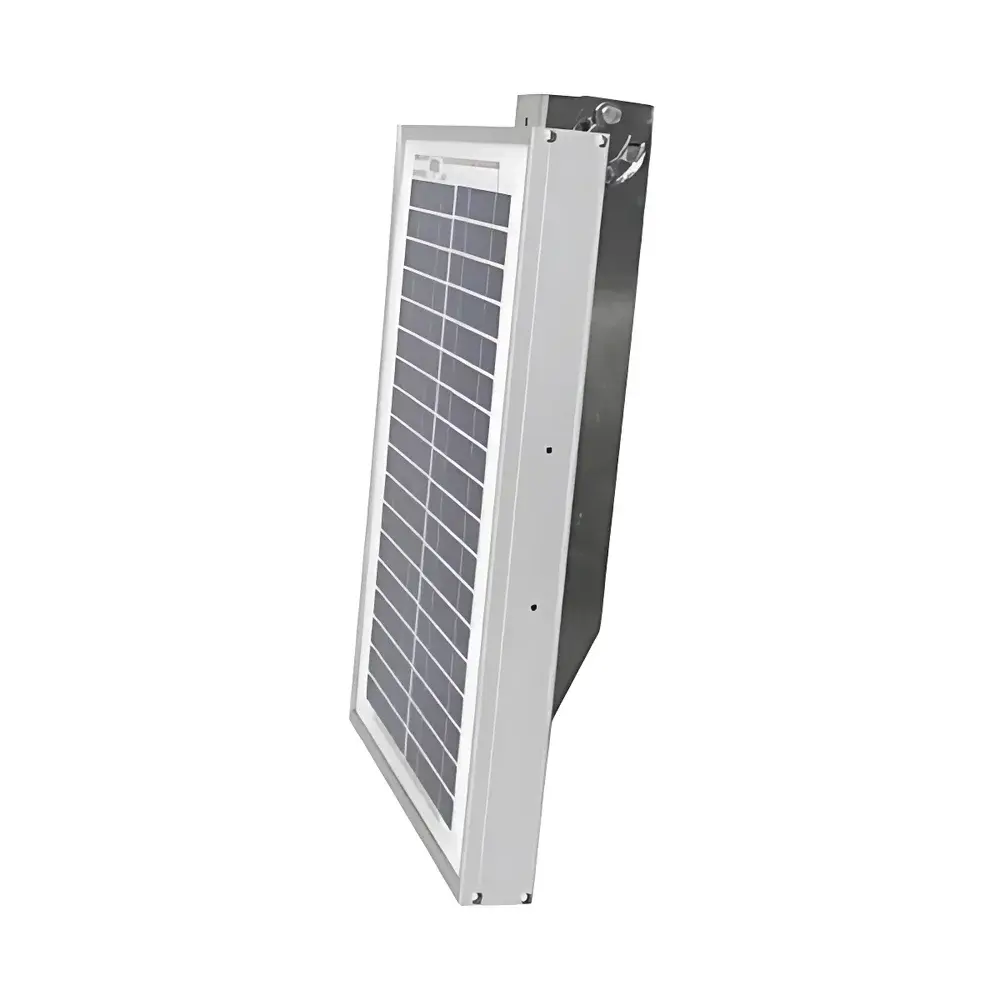
Baineng N-SPC-25W 25W 18V Monocrystalline Solar Panel for Environmental Monitoring Power Supply
| Key | Brand: Baineng |
|---|---|
| Model | N-SPC-25W |
| Rated Power | 25 W |
| Nominal Voltage | 18 V (for 12 V battery systems) |
| Peak Voltage (Vmp) | 17.9 V |
| Peak Current (Imp) | 1.4 A |
| Open-Circuit Voltage (Voc) | 22.41 V |
| Short-Circuit Current (Isc) | 1.54 A |
| Dimensions | 350 × 540 × 16 mm |
| Weight | 2 kg |
| Cell Type | Monocrystalline Silicon |
| Encapsulation | Tempered Glass + Aluminum Frame, IP65-rated waterproof lamination |
| Output Connector | DC 5.5×2.1 mm male plug |
| Cable Length | 2 m |
| Junction Box | Standard non-diode, lead-wire-free design |
| STC Conditions | 1000 W/m², AM1.5, 25 °C |
Overview
The Baineng N-SPC-25W is a compact, high-reliability monocrystalline photovoltaic module engineered specifically to power autonomous environmental monitoring systems—including standalone weather stations, remote air quality sensors, soil moisture loggers, and low-power telemetry nodes. Designed for integration into off-grid or hybrid energy architectures, this panel operates under Standard Test Conditions (STC: 1000 W/m² irradiance, AM1.5 spectrum, 25 °C cell temperature) to deliver a stable 25 W nominal output at 18 V nominal voltage—optimized for efficient charging of 12 V sealed lead-acid or lithium-iron-phosphate (LiFePO₄) battery banks commonly deployed in field-deployed meteorological instrumentation. Its robust tempered glass front sheet, anodized aluminum frame, and hermetically sealed lamination ensure long-term resistance to UV degradation, thermal cycling (-40 °C to +85 °C operational range), and ingress of dust and moisture (IP65-rated). Unlike generic consumer-grade PV modules, the N-SPC-25W is dimensionally constrained (350 × 540 × 16 mm) and weight-optimized (2.0 kg), facilitating secure mounting on instrument masts, solar radiation shields, or compact enclosure rooftops without structural reinforcement.
Key Features
- Monocrystalline silicon cells with >22% laboratory-measured conversion efficiency—providing superior low-light response and higher energy yield per unit area compared to polycrystalline alternatives.
- Tempered glass surface (3.2 mm thickness) with anti-reflective coating enhances photon capture and withstands hail impact per IEC 61215 mechanical load testing protocols.
- Integrated aluminum frame with pre-drilled mounting holes conforms to standard DIN-rail and pole-clamp fastening geometries used across industrial environmental sensor platforms.
- DC 5.5 × 2.1 mm male output connector enables direct connection to charge controllers compliant with PWM or MPPT regulation—no soldering or terminal crimping required during field deployment.
- No bypass diodes included in junction box; intended for single-panel configurations where shading risk is minimal—reducing failure points and simplifying fault isolation in distributed sensor networks.
- Compliant with RoHS Directive 2011/65/EU and REACH Regulation (EC) No. 1907/2006, ensuring material safety for deployment in ecologically sensitive monitoring zones.
Sample Compatibility & Compliance
The N-SPC-25W is validated for continuous operation with common environmental data acquisition hardware including Campbell Scientific CR1000X, Onset HOBO UX120-006M, and Davis Instruments Vantage Pro2 transmitters when paired with compatible solar charge regulators (e.g., Victron Energy SmartSolar MPPT 75/15). It meets IEC 61215-1:2016 (Terrestrial Photovoltaic Module Design Qualification) for performance stability and IEC 61730-1:2016 for electrical safety classification. While not certified to UL 1703 or CE marking for grid-tied applications, its construction satisfies EN 50130-4:2019 immunity requirements for electromagnetic compatibility in outdoor instrumentation environments. The absence of integrated blocking diodes necessitates external reverse-current protection when multiple panels are wired in parallel—a configuration not recommended for this model due to its targeted use case as a dedicated auxiliary power source.
Software & Data Management
This photovoltaic module does not incorporate embedded firmware or digital communication interfaces. Its operational status is monitored indirectly via system-level instrumentation: voltage and current outputs are logged by connected data loggers using analog input channels or integrated solar charge controller telemetry (e.g., Modbus RTU over RS-485). When deployed with Campbell Scientific’s LoggerNet or HOBOware Pro software suites, real-time PV performance metrics—including daily kWh yield, state-of-charge correlation, and low-voltage alarm triggers—can be visualized alongside meteorological parameters (e.g., solar irradiance, ambient temperature), enabling empirical validation of energy budget models for unattended station longevity. Audit trails of power-related events remain traceable within the logger’s internal memory, supporting GLP-aligned field data integrity practices.
Applications
- Primary power source for Class II weather stations operating in remote locations lacking grid access or reliable generator backup.
- Supplemental charging for battery-buffered particulate matter (PM₂.₅/PM₁₀) and gas-phase pollutant (NO₂, O₃, SO₂) analyzers in urban air quality monitoring networks.
- Energy supply for wireless mesh-node deployments in watershed-scale hydrological monitoring, including rain gauge telemetry and stream level ultrasonic sensors.
- Onboard power generation for UAV-mounted micro-meteorological payloads requiring lightweight, rapid-deployment solar augmentation.
- Calibration reference setup in solar resource assessment studies—used alongside pyranometers (e.g., Kipp & Zonen CMP3) to cross-validate irradiance-to-power conversion models.
FAQ
Can the N-SPC-25W directly charge a 12 V battery without a charge controller?
No. Direct connection risks overcharging and thermal runaway. A PWM or MPPT charge controller rated for ≥30 V input must be installed between the panel and battery.
Is this panel suitable for use with lithium-ion batteries?
Yes—provided the charge controller supports LiFePO₄ voltage profiles and includes temperature-compensated absorption/float algorithms.
What is the expected service life under continuous outdoor exposure?
Based on accelerated aging tests per IEC 61215, median power output retention exceeds 80% after 25 years at 25 °C average ambient temperature.
Does the panel include grounding provisions?
Yes—the aluminum frame features a dedicated M4 grounding lug compliant with NEC Article 690.43 for equipotential bonding in lightning-prone regions.
Can multiple N-SPC-25W panels be wired in series?
Technically yes, but not recommended: combined Voc would exceed 44 V, exceeding safe limits for many 12 V system charge controllers and increasing arc-fault risk in wet conditions.
Related Products







