
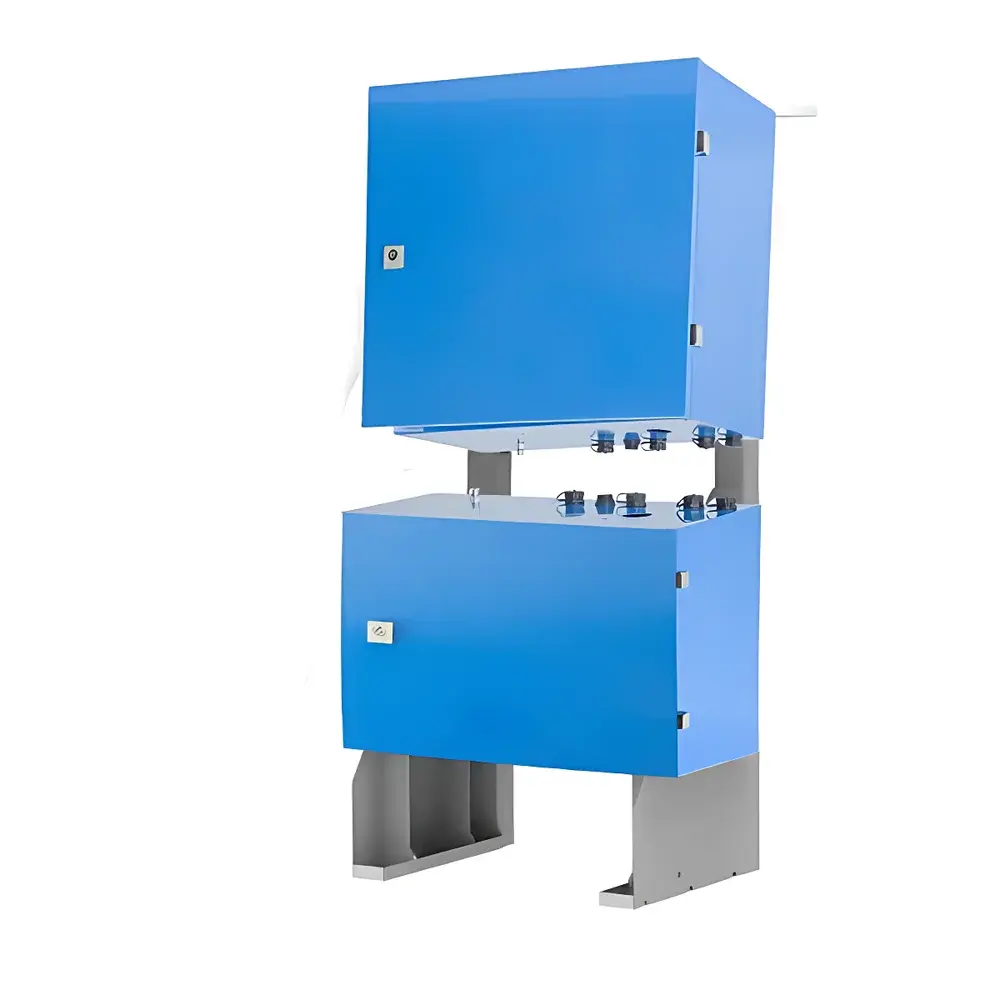
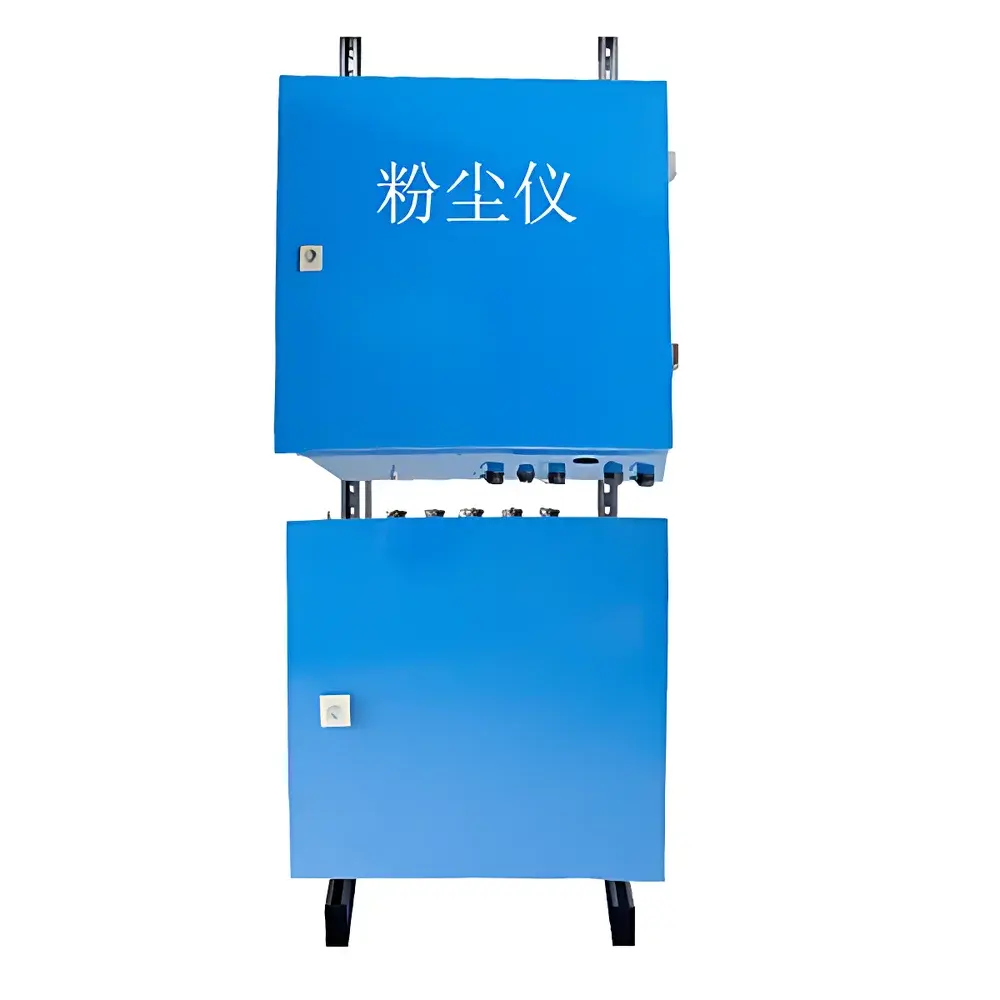
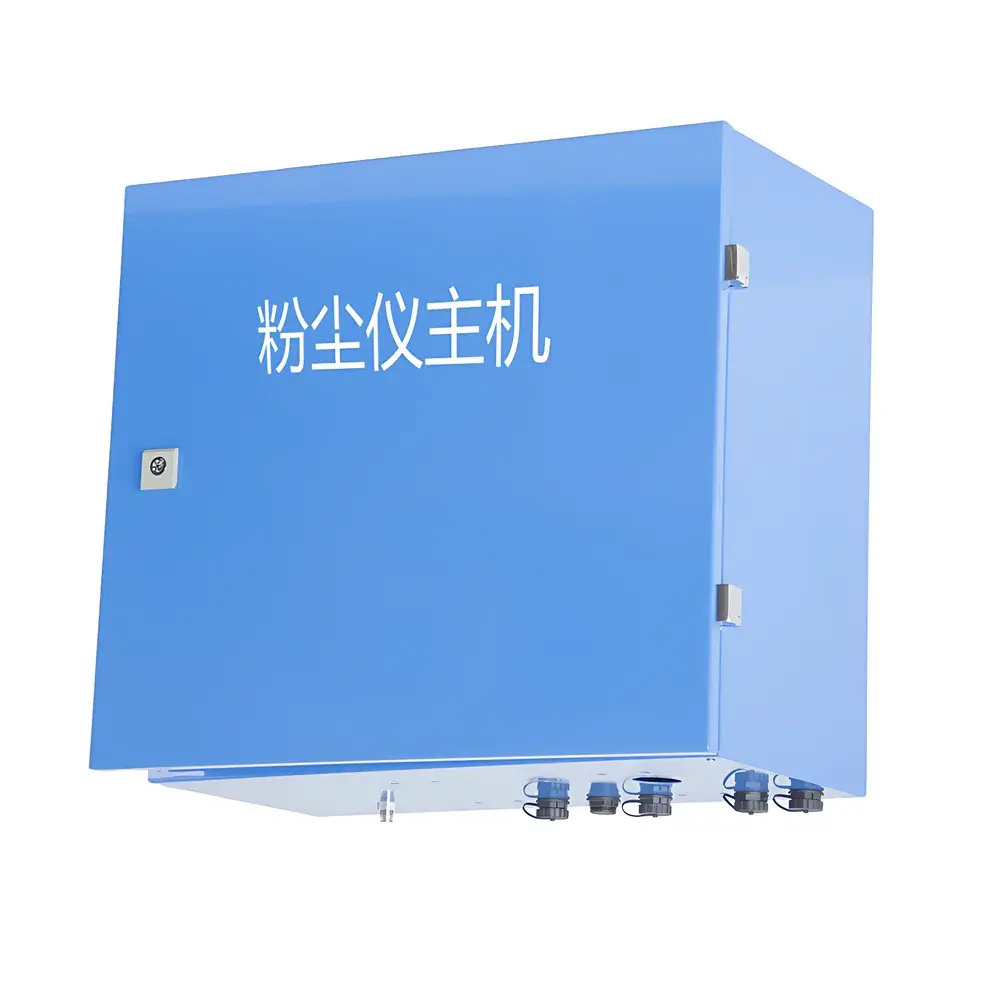
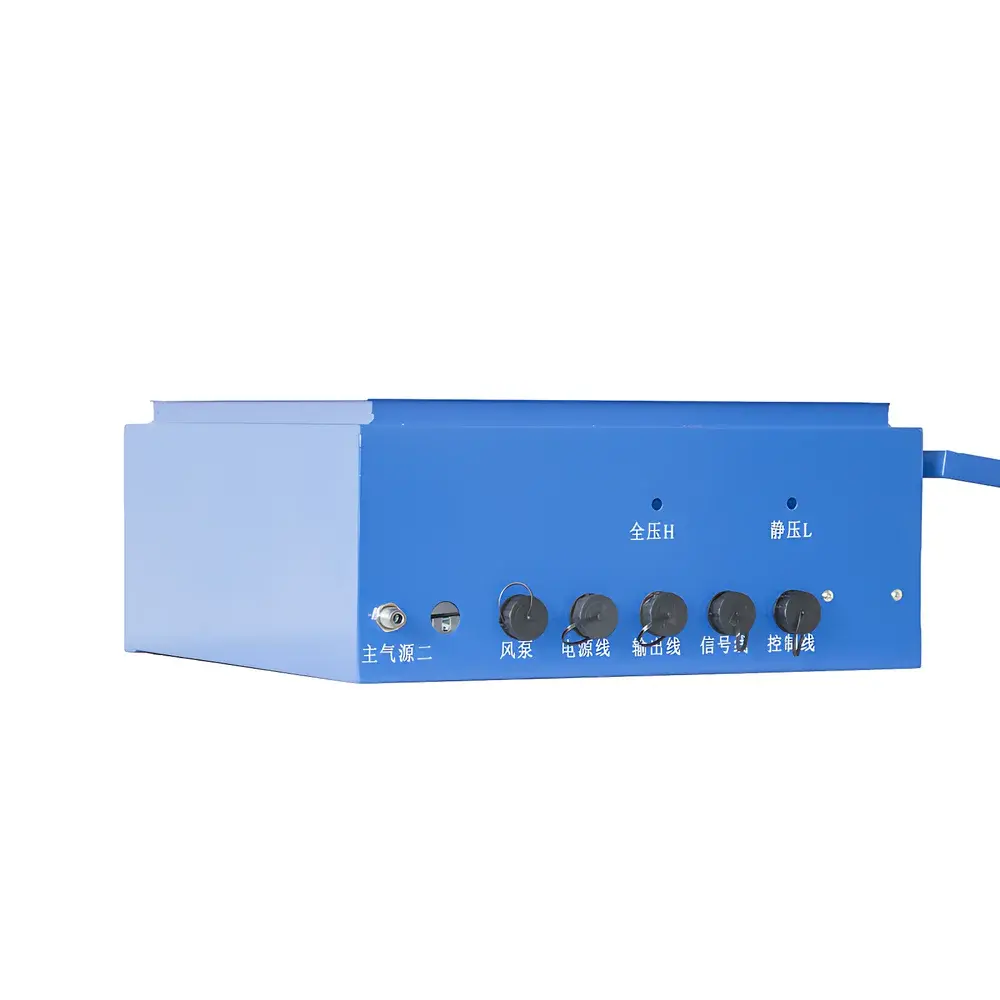
BCC KSP-L-1000 High-Temperature Extractive Laser Dust Monitor
| Brand | BCC |
|---|---|
| Origin | Hebei, China |
| Model | KSP-L-1000 (Extractive) |
| Measurement Principle | Laser Light Scattering |
| Safety Rating | Non-Explosive |
| Measurement Range | 0–5–200 mg/m³ |
| Resolution | 0.01 mg/m³ |
| Accuracy | ±2% FS |
| Relative Error | ≤±2% FS |
| Zero Drift | ≤±2% FS/24h |
| Span Drift | ≤±2% FS/24h |
| Detection Limit | 0.01 mg/m³ |
| Sampling Flow Rate | Up to 250 L/min |
| Heating Temperature | Full-Path Heated Sampling Line (Typical Setpoint: 120–180°C) |
| Calibration | Automated Zero & Span Calibration |
| Carrier Gas | Integrated Air Pump (Frost-Resistant Design) |
Overview
The BCC KSP-L-1000 is a high-temperature extractive laser dust monitor engineered for continuous, real-time measurement of particulate matter (PM) mass concentration in hot, humid, and corrosive industrial flue gas streams. It operates on the principle of forward-scattered laser light detection—where a collimated 650 nm semiconductor laser beam interacts with suspended particles in a precisely conditioned sample flow path. The intensity of scattered light is linearly correlated with particle mass concentration under controlled isokinetic sampling conditions, enabling trace-level quantification across a dual-range configuration (0–5 mg/m³ and 0–200 mg/m³). Designed for compliance with ISO 12141, EN 13284-1, and EPA Method 9-certified monitoring applications, the KSP-L-1000 delivers stable performance in stack environments where condensation, particulate buildup, and thermal gradients pose persistent challenges to conventional optical monitors.
Key Features
- Isokinetic sampling probe with integrated flow control ensures representative particulate capture across variable stack velocities—critical for regulatory-grade data integrity.
- Full-path heated sampling line (120–180°C configurable) prevents water vapor condensation and ammonium salt deposition during transport from stack to optical chamber.
- Dual-range measurement architecture supports both low-emission compliance (e.g., <5 mg/m³ for coal-fired power plants post-SCR/FF) and high-concentration process monitoring (up to 200 mg/m³).
- Integrated air pump carrier system eliminates reliance on external compressed air—reducing freeze risk in sub-zero ambient conditions common in northern China and similar climates.
- Automated zero and span calibration routines reduce manual intervention and support unattended operation over extended periods (7-day autonomy typical).
- Robust mechanical design includes lightning surge protection (IEC 61000-4-5 Level 3), IP65-rated enclosure, and anti-clogging reverse-pulse cleaning of the probe tip and filter housing.
Sample Compatibility & Compliance
The KSP-L-1000 is validated for use with flue gases containing moisture content up to 25% v/v, SO₂ concentrations ≤2000 ppm, NOₓ ≤1000 ppm, and operating temperatures up to 200°C at the probe inlet. Its heated extractive configuration maintains sample integrity for PM₁₀ and PM₂.₅-equivalent reporting when paired with gravimetric reference methods (e.g., ISO 23210 or EPA Method 201A). The instrument meets electromagnetic compatibility requirements per IEC 61326-1 and environmental testing standards per IEC 60068-2 for industrial deployment. While not intrinsically safe or explosion-proof, it is suitable for Zone 2/Class I Division 2 installations when installed with appropriate barrier systems and ventilation protocols.
Software & Data Management
Embedded firmware supports Modbus RTU/TCP and 4–20 mA analog output for integration into DCS/SCADA platforms. Local HMI displays real-time concentration, sampling flow rate, heater status, calibration history, and diagnostic flags—including mirror contamination index and laser power drift compensation logs. Data logging is performed internally at 1-second resolution with 30-day circular buffer storage. Exportable CSV files include timestamped raw scattering voltage, temperature-compensated concentration, and QA/QC metadata required for GLP-aligned reporting. Optional cloud gateway enables remote firmware updates, alarm notification via email/SMS, and audit-trail generation compliant with ISO/IEC 17025 documentation requirements.
Applications
- Continuous emission monitoring (CEMS) for coal-, biomass-, and waste-to-energy boilers subject to national emission limits (e.g., China’s GB 13223–2011, EU IED Directive 2010/75/EU).
- Process optimization in cement kilns, lime calciners, and metallurgical furnaces where rapid PM excursions indicate refractory wear or combustion instability.
- Post-ESP/Fabric Filter verification in power generation and chemical manufacturing facilities requiring <5 mg/m³ reporting accuracy.
- Research-grade stack characterization studies involving high-humidity flue gas with variable alkali metal content (e.g., K⁺, Na⁺) prone to dew-point-related measurement artifacts.
FAQ
Does the KSP-L-1000 require periodic optical alignment or factory recalibration?
No—its solid-state laser module and fixed optical geometry eliminate field alignment needs. Annual verification against NIST-traceable PM standards is recommended for regulatory compliance.
Can the instrument operate continuously in ambient temperatures below −20°C?
Yes—the integrated air pump and internal heater staging maintain functional sampling line temperature above dew point even at −30°C ambient, provided cabinet heating is enabled.
What maintenance intervals are specified for routine operation?
Filter replacement every 3 months (or per differential pressure alarm), probe tip inspection every 6 months, and full system leak test annually per ISO 14644-3 guidelines.
Is the device compatible with third-party CEMS data acquisition software?
Yes—Modbus register mapping documentation and OPC UA profile support are provided upon request for seamless integration with Siemens Desigo, Honeywell Experion, or ABB 800xA platforms.
Related Products







