
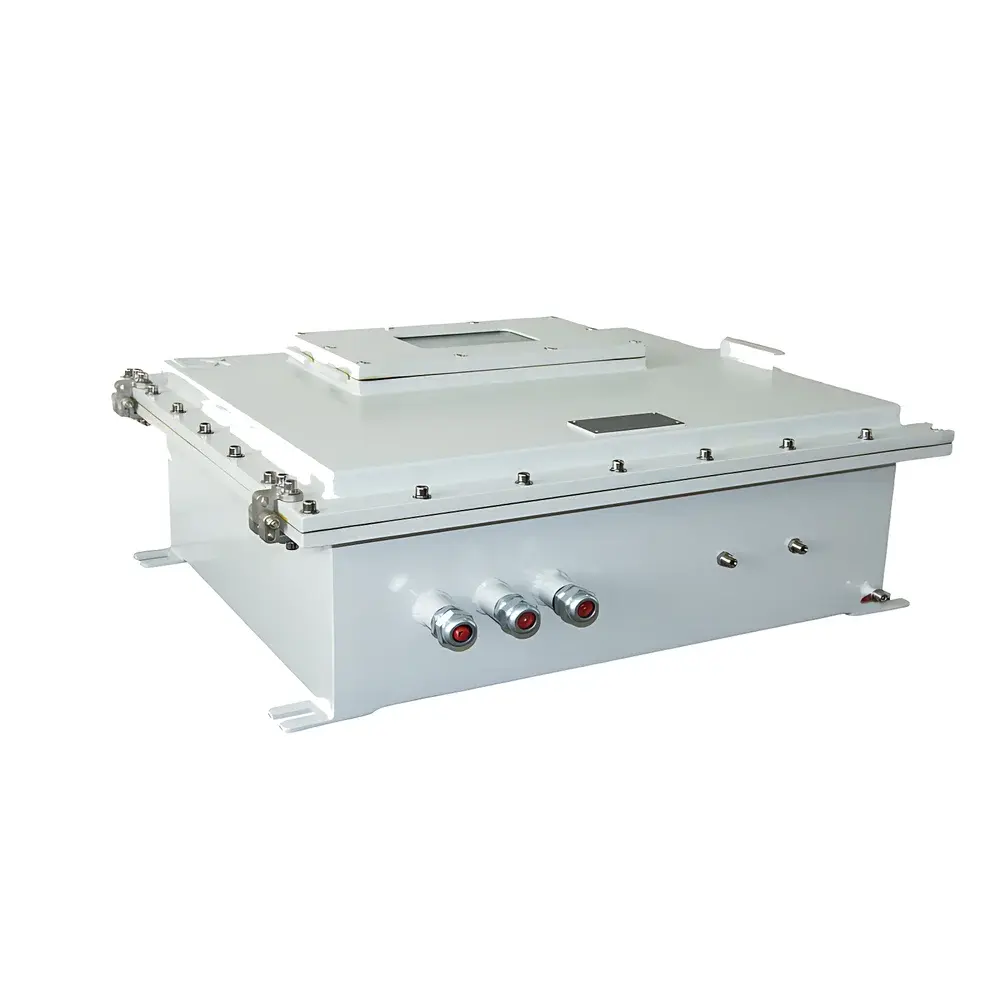
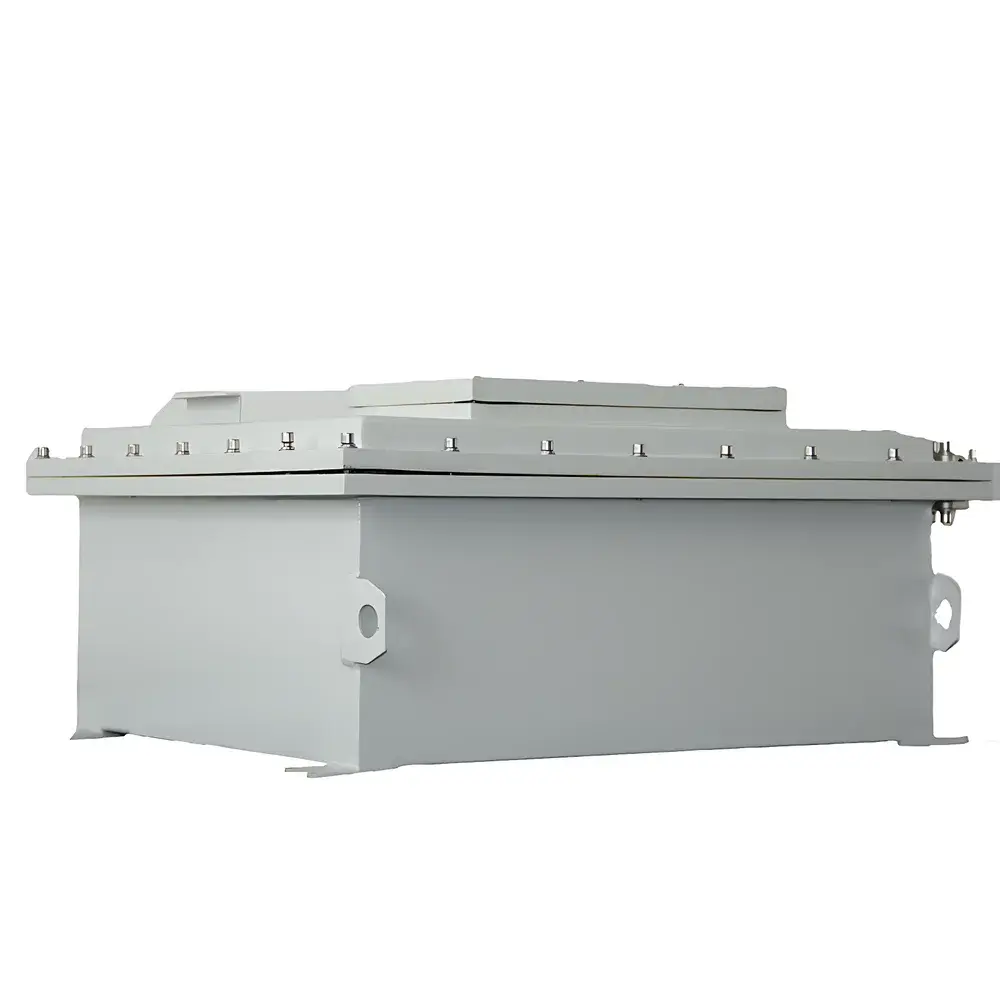
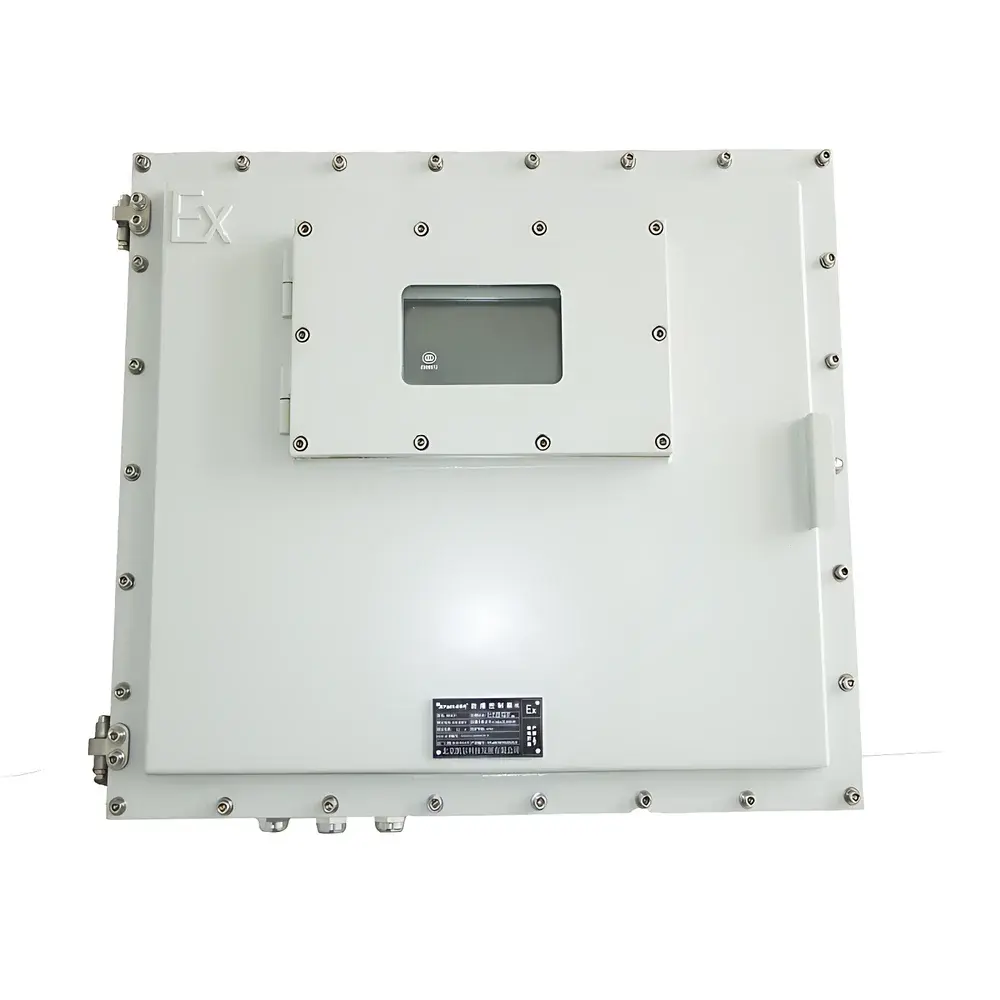
BCC MGA-3000 Multi-Component Odorant Analyzer (NDIR Infrared Absorption)
| Brand | BCC |
|---|---|
| Origin | Hebei, China |
| Model | MGA-3000 |
| Detection Principle | Non-Dispersive Infrared (NDIR) Spectroscopy |
| Target Analytes | Ethyl Mercaptan, Tetrahydrothiophene (THT), Acrylic Ester |
| Measurement Range | 0–100 ppm |
| Accuracy | ±1 ppm or ±2% of reading (whichever is greater) |
| Zero/ Span Drift | ≤±2% FS/24 h |
| Response Time (T90) | ≤90 s |
| Sampling Method | Extractive |
| Output Interfaces | 4–20 mA, RS-232 / RS-485, USB, Ethernet |
| Enclosure Rating | IP65 |
| Explosion Protection | Ex d IIB T4 Gb |
| Power Supply | 220 V AC |
Overview
The BCC MGA-3000 Multi-Component Odorant Analyzer is an industrial-grade, extractive gas analyzer engineered for continuous, real-time quantification of odorant compounds in natural gas distribution systems. It employs dual-beam non-dispersive infrared (NDIR) spectroscopy — a mature, interference-resistant optical technique — to selectively detect and quantify three critical odorants: ethyl mercaptan (C2H5SH), tetrahydrothiophene (THT, C4H8S), and acrylic ester (e.g., allyl mercaptan or methyl thioglycolate derivatives). Unlike catalytic or electrochemical sensors, NDIR provides inherent specificity by leveraging unique fundamental vibrational absorption bands in the mid-infrared region (typically 3–5 µm), eliminating cross-sensitivity to background gases such as methane, CO2, or water vapor when properly filtered and calibrated. The instrument operates on a fixed-path, thermally stabilized optical bench with temperature-compensated detectors, ensuring long-term baseline stability under field conditions typical of urban gate stations, pressure regulation facilities, and LNG terminals.
Key Features
- Simultaneous multi-analyte detection: Independent quantitative channels for ethyl mercaptan, THT, and acrylic ester—each calibrated against traceable NIST-traceable gas standards.
- High metrological integrity: Accuracy specified as ±1 ppm or ±2% of reading (whichever is greater), validated per ISO 10723:2012 guidelines for hydrocarbon gas analysis instrumentation.
- Robust environmental resilience: IP65-rated enclosure ensures protection against dust ingress and low-pressure water jets; Ex d IIB T4 Gb certification permits safe deployment in Zone 1 hazardous areas per IEC 60079-1 and GB 3836.1–2021.
- Extractive sampling architecture: Integrated heated sample line (optional), particulate filter, and moisture trap minimize condensation and particulate fouling—critical for maintaining optical path clarity over extended unattended operation.
- Thermal and pressure compensation: Onboard temperature and barometric pressure sensors feed real-time corrections into the NDIR signal processing algorithm, mitigating density-related errors across seasonal ambient variations.
Sample Compatibility & Compliance
The MGA-3000 is validated for use with dry, filtered natural gas streams containing ≤10% CO2, ≤5% nitrogen, and ≤100 ppm H2S (non-interfering at operational wavelengths). It complies with EN 16222:2012 (odorization of natural gas), GB/T 13611–2018 (Chinese national standard for urban gas odorization), and supports audit-ready documentation for ISO/IEC 17025-accredited laboratories. Its design facilitates integration into SCADA networks for regulatory reporting under local gas safety ordinances. While not FDA-regulated, its data logging architecture supports GLP-compliant record retention when configured with time-stamped, write-protected internal storage and external network backup.
Software & Data Management
The embedded firmware includes a web-based configuration interface accessible via Ethernet (HTTP/HTTPS), supporting remote calibration verification, zero/span adjustment logs, and diagnostic event history. All measurements are timestamped with UTC synchronization (NTP-compatible). Data export formats include CSV and Modbus TCP register mapping for seamless integration into DCS or cloud-based asset monitoring platforms (e.g., Siemens Desigo, Honeywell Experion). Audit trails record user actions, calibration events, and sensor health metrics—fully compliant with ALCOA+ principles (Attributable, Legible, Contemporaneous, Original, Accurate, Complete, Consistent, Enduring, Available) for quality system documentation.
Applications
- Real-time odorant dosing verification at city gate stations and district regulating cabinets.
- Compliance monitoring for statutory minimum odorant concentration thresholds (e.g., 20 mg/m³ THT equivalent in EU Directive 2009/73/EC).
- Troubleshooting odorant loss due to adsorption on pipeline coatings, filter media, or compressor lubricants.
- Validation of odorant injection system performance during commissioning and periodic maintenance.
- Supporting root-cause analysis during odor complaints by correlating field measurements with GIS-mapped pipeline segments.
FAQ
Does the MGA-3000 require routine optical alignment or lamp replacement?
No. It uses solid-state infrared sources and thermopile detectors with no moving parts or consumable optical components—typical source lifetime exceeds 10 years under continuous operation.
Can it distinguish between THT and other sulfur-containing compounds like dimethyl sulfide?
Yes. Its narrow-band NDIR filters (centered at ~3.38 µm for THT, ~3.72 µm for ethyl mercaptan, and ~5.75 µm for acrylic ester) provide spectral selectivity sufficient to resolve these analytes in mixed gas matrices without GC pre-separation.
Is factory calibration traceable to international standards?
Yes. Each unit ships with a calibration certificate referencing NIST SRM 1964 (methane-in-air) and custom-certified odorant standards prepared per ISO 6142:2015.
What maintenance intervals are recommended for field operation?
Filter replacement every 3 months; full functional verification annually using certified span gas; no routine detector recalibration required within the first 24 months post-installation.
Does it support Modbus RTU over RS-485 for legacy PLC integration?
Yes. The RS-485 interface supports both Modbus RTU and ASCII protocols with configurable slave ID, baud rate (up to 115.2 kbps), and parity settings.







