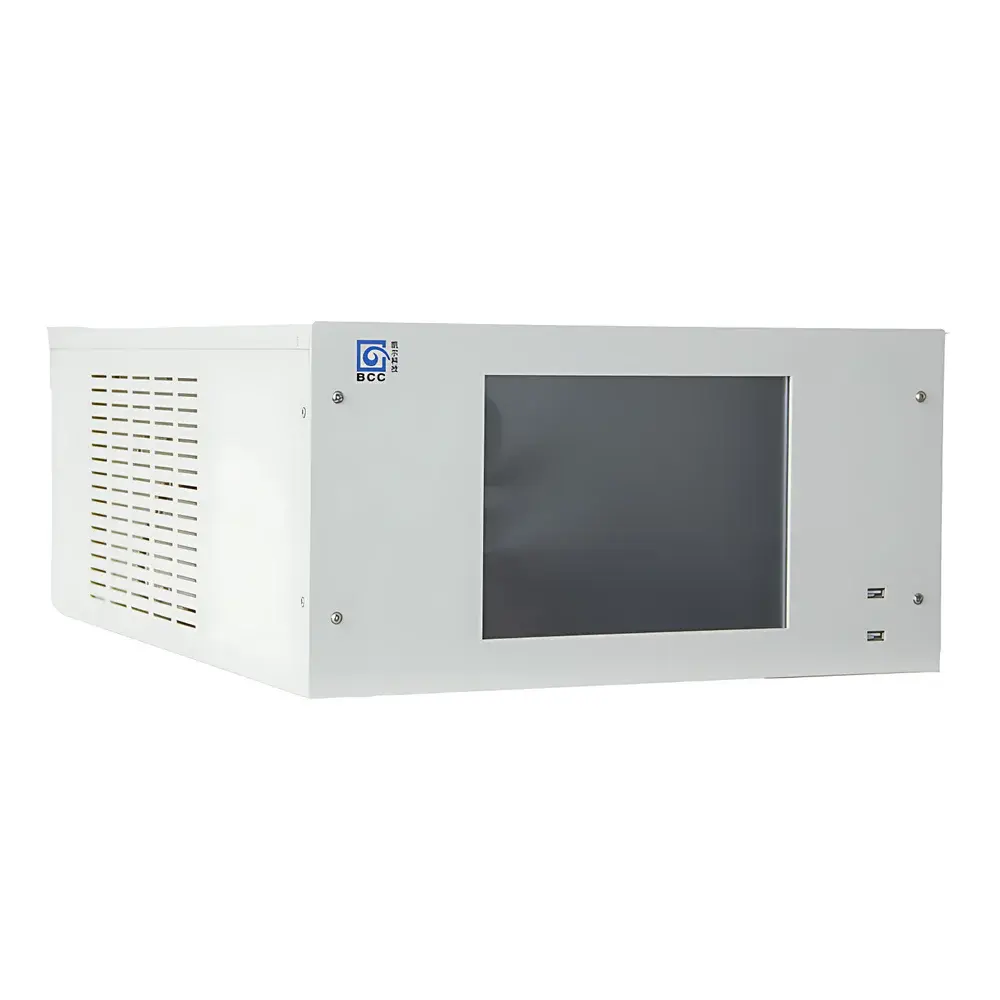
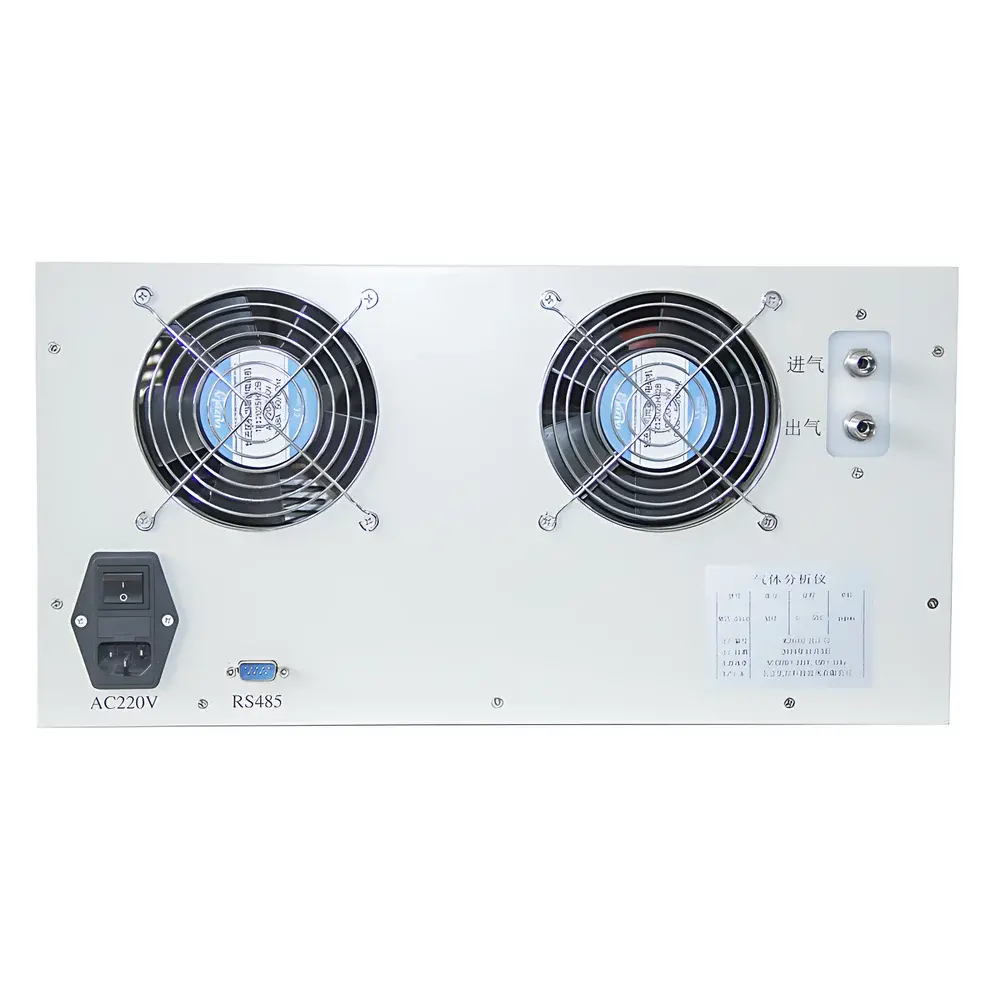
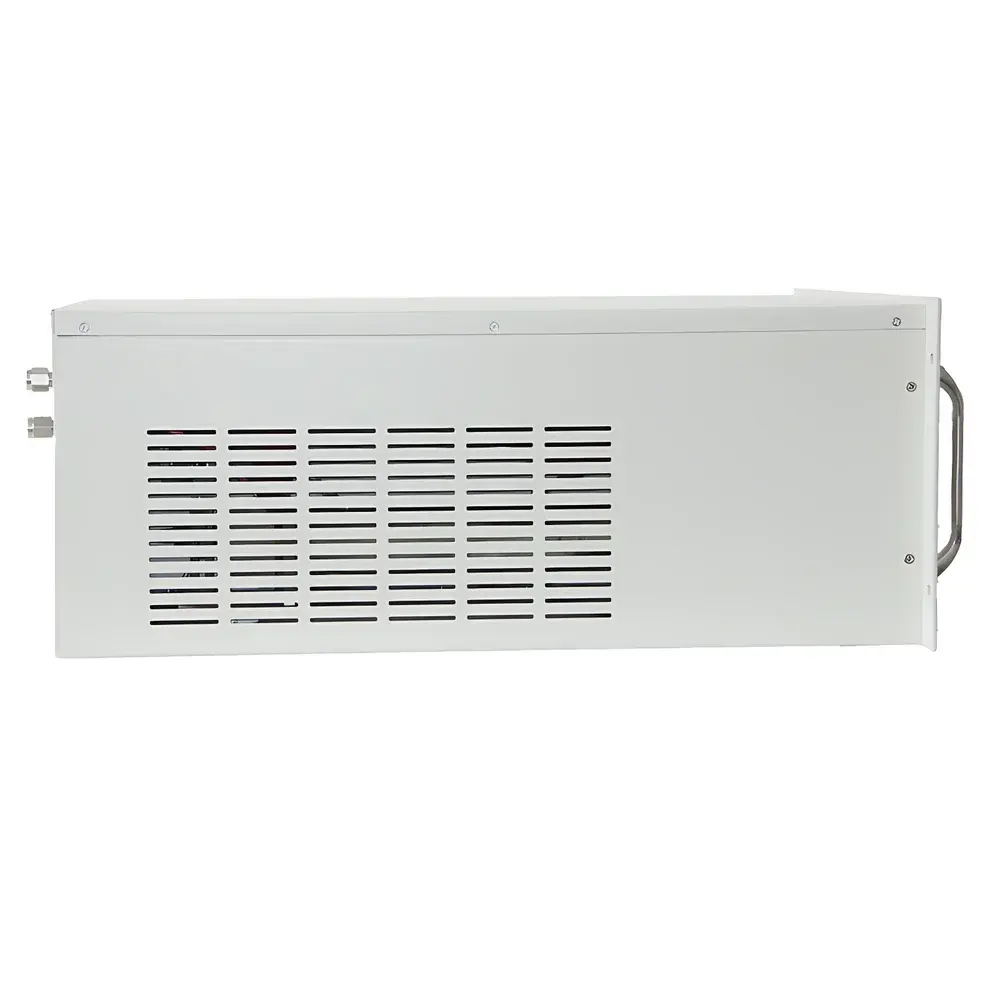
BCC MGA-6000 SO₂F₂ & SOF₂ Online Gas Analyzer (TDLAS-Based)
| Brand | BCC |
|---|---|
| Origin | Hebei, China |
| Manufacturer Type | Authorized Distributor |
| Product Origin | Domestic (China) |
| Model | MGA-6000 |
| Linearity Error | ≤±2% FS |
| Repeatability | ≤1% |
| Zero/ Span Drift | ≤±1% FS / 24 h |
| Response Time (T₉₀) | ≤20 s |
| Measurement Range | 0–50 ppm (extendable to 0–100 ppm) |
| Resolution | 0.1 ppm |
| Output Interfaces | 4–20 mA, RS232 / RS485, USB, Ethernet |
Overview
The BCC MGA-6000 is a high-performance, tunable diode laser absorption spectroscopy (TDLAS)-based online gas analyzer engineered for continuous, real-time quantification of sulfur oxyfluoride species—specifically sulfuryl fluoride (SO₂F₂) and thionyl fluoride (SOF₂)—in industrial process streams and ambient monitoring environments. Leveraging near-infrared (NIR) laser absorption at precisely selected rotational-vibrational transition lines, the instrument achieves selective, interference-free detection without cross-sensitivity to common background gases (e.g., CO₂, H₂O, O₂, N₂). Its optical path is optimized for robust performance in harsh industrial settings, including semiconductor fabrication cleanrooms, fluorine chemistry production units, fumigation facility exhaust stacks, and SF₆ decomposition byproduct monitoring in high-voltage switchgear maintenance zones. The analyzer operates on the Beer–Lambert principle, where gas concentration is derived from calibrated absorbance measurements across a fixed-path, multi-pass absorption cell—ensuring trace-level sensitivity and long-term stability without consumables or chemical reagents.
Key Features
- High-selectivity TDLAS detection with wavelength-stabilized distributed feedback (DFB) lasers targeting unique absorption signatures of SO₂F₂ (near 1392 nm) and SOF₂ (near 1375 nm)
- Modular optical architecture with temperature- and pressure-compensated measurement cell, enabling accurate quantification under variable process conditions
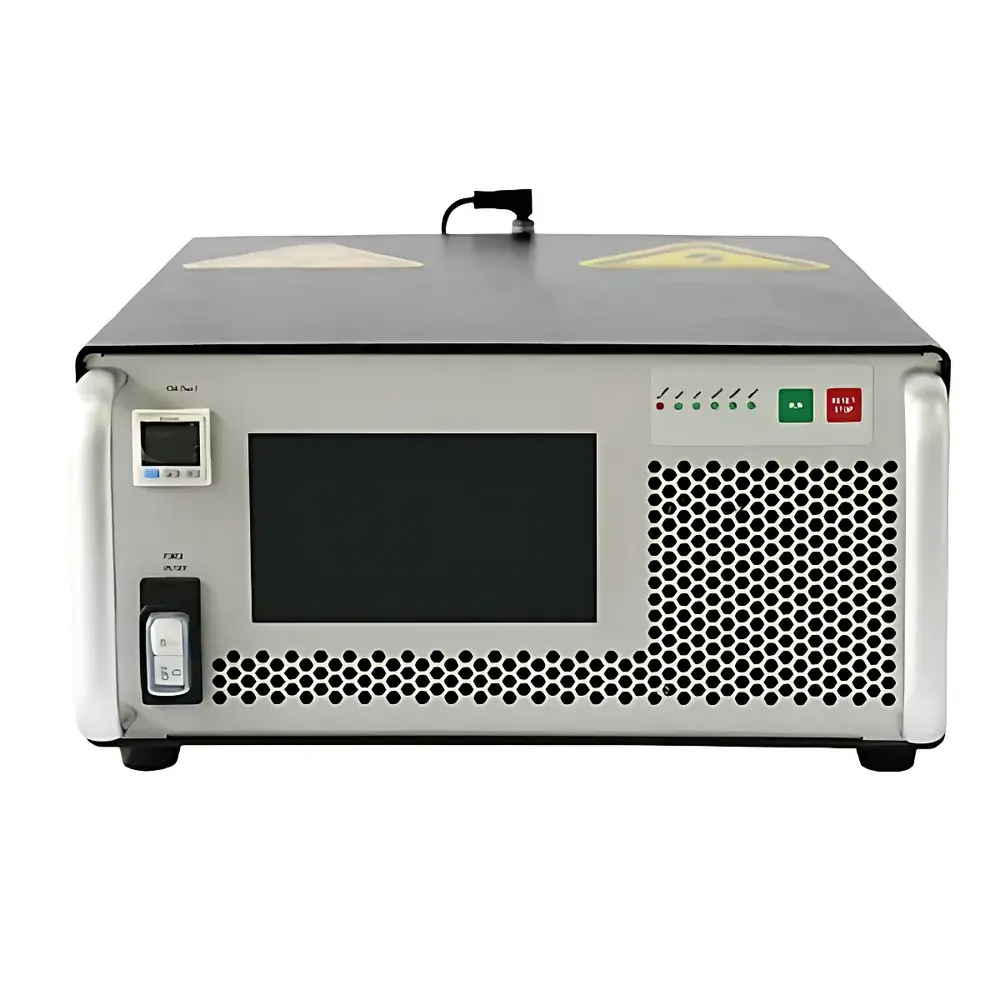
- Three standardized mechanical configurations: 19-inch rack-mount (2U), benchtop, and portable variants—fully customizable per site integration requirements
- Integrated environmental compensation algorithms correcting for ambient temperature drift (−20 °C to +50 °C operating range) and barometric pressure fluctuations (70–106 kPa)
- Real-time diagnostics including laser intensity monitoring, cell contamination alerts, and optical alignment validation via built-in reference channel
- Low-maintenance design: no moving parts in the optical train; solid-state laser source rated for >20,000 hours MTBF
Sample Compatibility & Compliance
The MGA-6000 is validated for direct sampling of dry or moderately humid (dew point ≤ −20 °C) process gases with particulate loading <1 mg/m³. Sample conditioning is optional and compatible with standard heated sample lines (up to 180 °C), Nafion™ dryers, and particle filters meeting ISO 8573-1 Class 4. The analyzer complies with IEC 61000-6-2 (EMC immunity) and IEC 61000-6-4 (EMC emissions) standards. Its firmware supports audit-trail-enabled operation per FDA 21 CFR Part 11 requirements when deployed in regulated environments (e.g., pharmaceutical fumigation validation, GMP-compliant etch gas monitoring). Calibration protocols align with ISO 14644-8 Annex D for cleanroom air quality verification and ASTM D6348 for gaseous pollutant analysis methodology.
Software & Data Management
Embedded Linux-based firmware provides local configuration via web GUI (HTTPS) or serial console. The analyzer supports Modbus TCP, OPC UA (PubSub over UDP), and MQTT v3.1.1 for seamless integration into DCS, SCADA, and IIoT platforms. All measurement data—including raw absorbance spectra, compensated concentration values, diagnostic flags, and timestamped calibration logs—are stored internally (16 GB eMMC) with configurable retention (7–90 days). Remote firmware updates, zero/span verification reports, and user-accessible calibration history are accessible through role-based authentication (admin/operator/viewer tiers). Data export formats include CSV, JSON, and XML; time-synchronized logging enables correlation with process variables from adjacent analyzers or PLCs.
Applications
- Real-time monitoring of SO₂F₂ residuals in post-fumigation ventilation systems (e.g., grain silos, cargo containers, archival storage facilities)
- In-line quantification of SOF₂ generated during SF₆ arc-quenching in GIS/GIL equipment—supporting predictive maintenance and IEC 60480 compliance reporting
- Quality control of fluorosulfonic acid synthesis reactors where SOF₂ is an intermediate and SO₂F₂ a potential impurity
- Environmental emission monitoring at fluoropolymer manufacturing plants subject to local VOC and HF-related compound reporting mandates
- Research-grade kinetics studies of sulfur-fluorine reaction pathways using programmable step-response profiling (via external trigger input)
FAQ
What is the minimum detectable concentration (MDL) for SO₂F₂ and SOF₂ under standard conditions?
The MDL is 0.05 ppm (3σ of baseline noise) at 1-second averaging time, verified per EPA Method 301 protocol.
Can the MGA-6000 measure both gases simultaneously in a single stream?
Yes—dual-laser configuration enables concurrent, independent quantification of SO₂F₂ and SOF₂ with no spectral crosstalk.
Is factory calibration traceable to NIST standards?
All factory calibrations use certified gas mixtures (NIST-traceable SO₂F₂ and SOF₂ in N₂, ±2% expanded uncertainty) with gravimetric certification documentation provided.
How often is field calibration required?
Zero calibration is recommended every 7 days; span calibration every 30 days—though extended intervals (up to 90 days) are supported with documented drift verification per ISO/IEC 17025.
Does the analyzer support hazardous area installation?
The base unit is rated for Zone 2/Class I Div 2; ATEX/IECEx-certified explosion-proof enclosures (II 2G Ex db IIB T4 Gb) are available as optional configurations.