BCC MGA-6000 Total Hydrocarbon Analyzer for High-Purity Oxygen (TDLAS-Based)
| Brand | BCC |
|---|---|
| Origin | Hebei, China |
| Model | MGA-6000 |
| Sensor Type | Tunable Diode Laser Absorption Spectroscopy (TDLAS) |
| Measurement Range | 0–3000 ppb |
| Accuracy | ±0.1% FS |
| Response Time | 1–60 s |
| Repeatability | ≤ ±0.5% |
| Resolution | 1 ppb |
| Detection Limit (LDL) | 10 ppb |
| Drift | ≤ ±1% / 24 h |
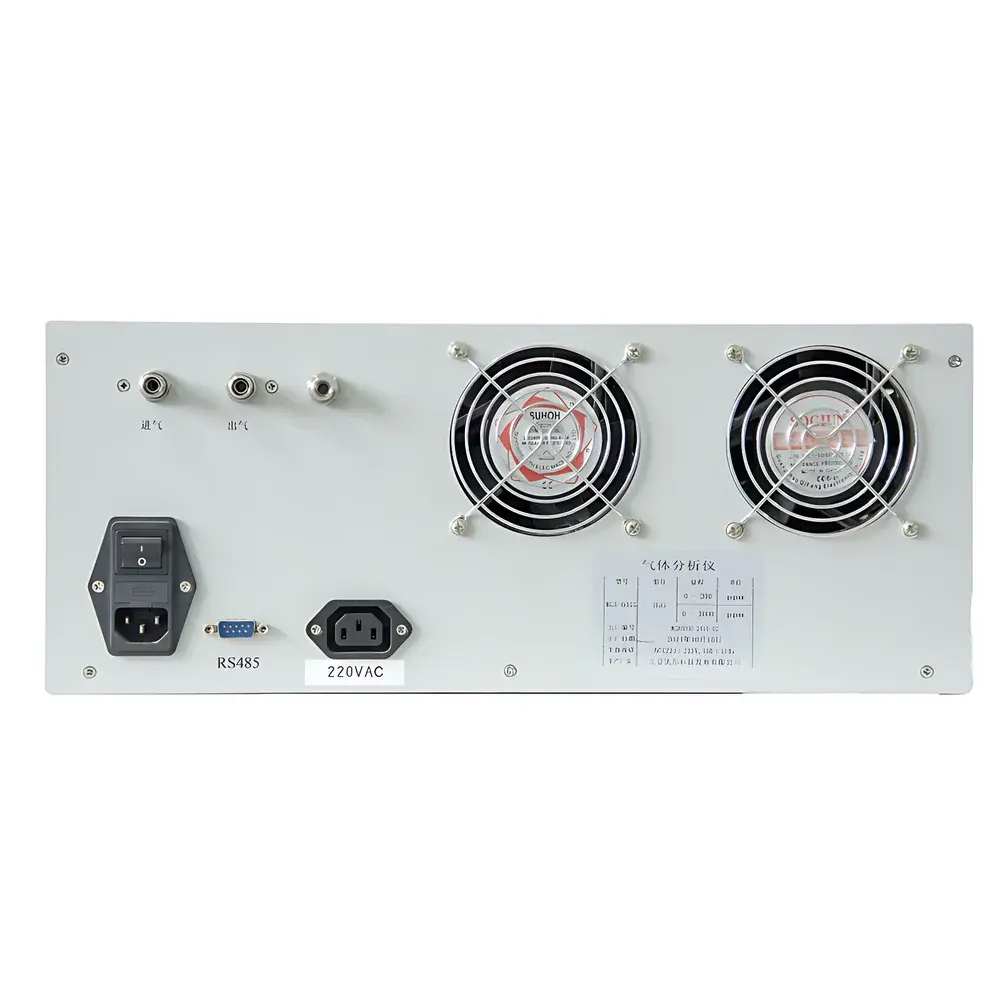
| Output Interfaces | 4–20 mA, RS232/RS485, USB, Ethernet, 4G, 5G |
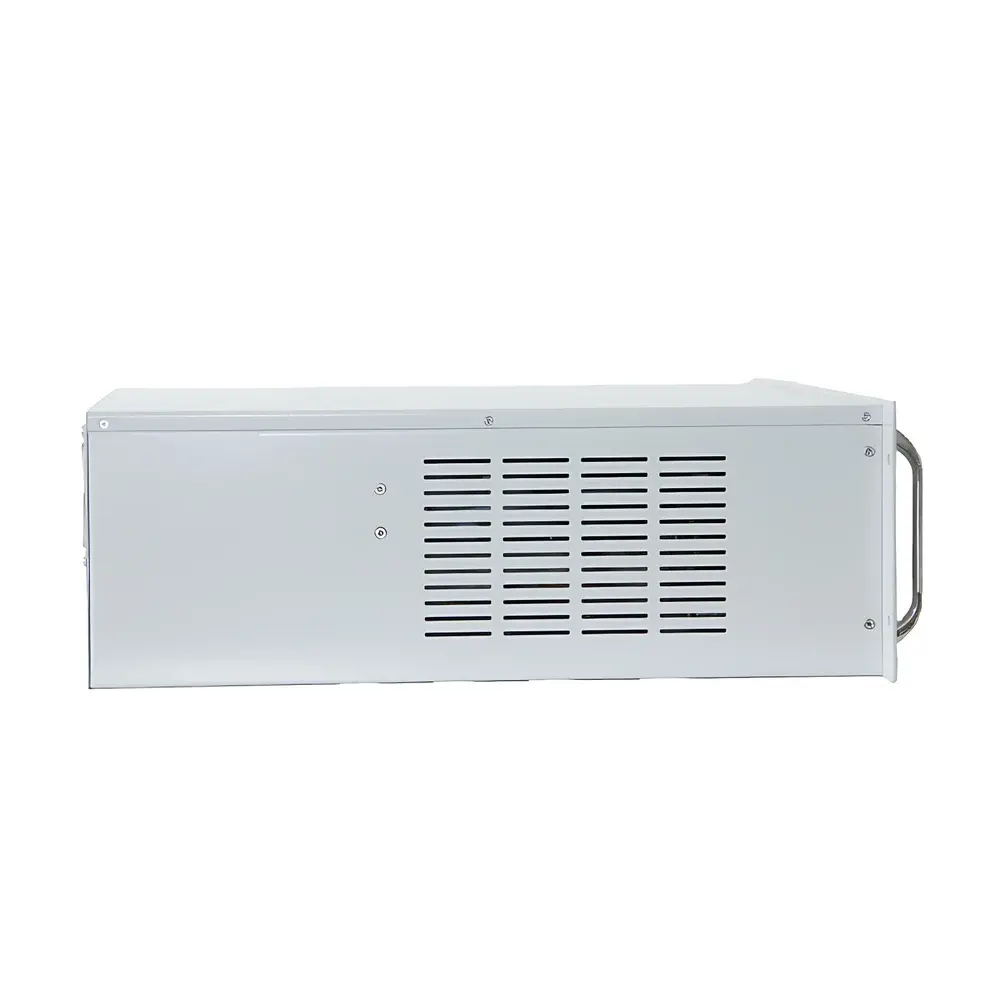
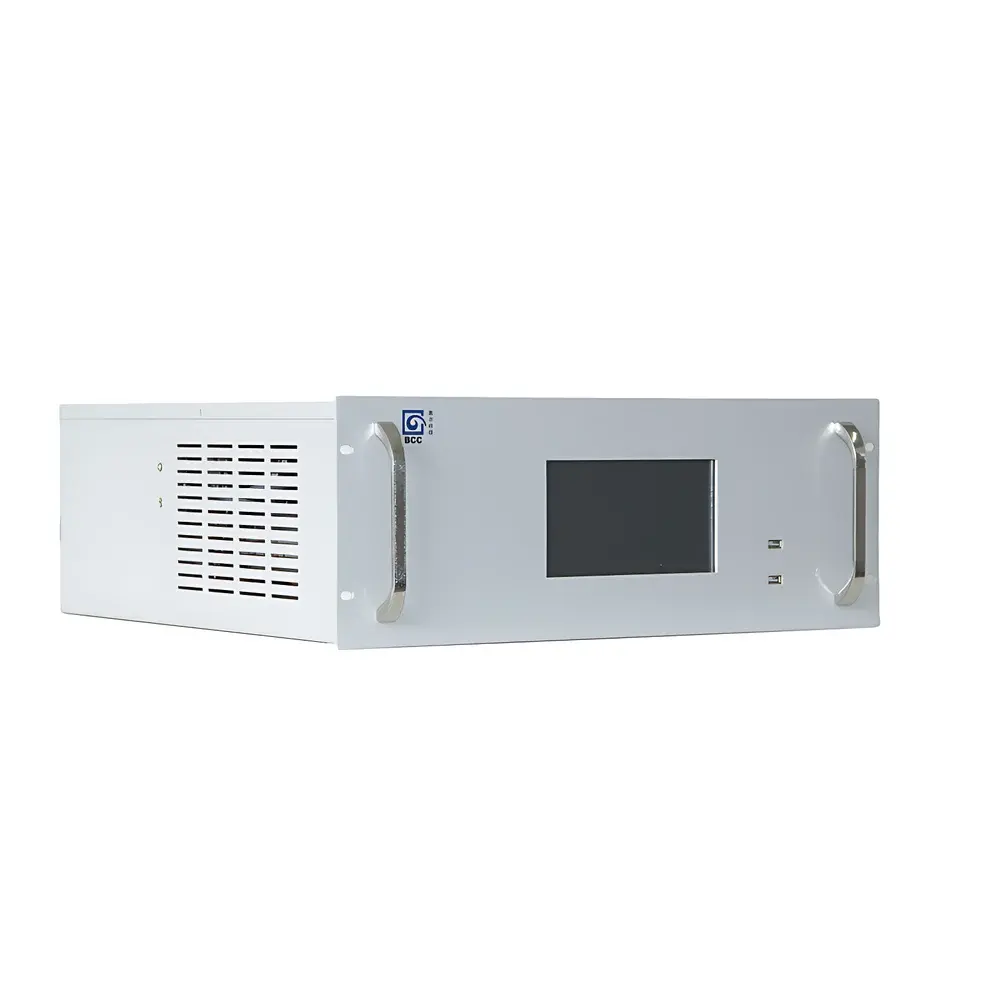
| Enclosure | 19″ rack-mountable & desktop form factor |
| Data Storage | Industrial-grade SSD with ≥5 years local data retention |
Overview
The BCC MGA-6000 is a high-sensitivity, real-time total hydrocarbon (THC) analyzer engineered specifically for continuous monitoring of trace-level hydrocarbons in ultra-high-purity oxygen streams (≥99.999% O₂). It employs wavelength-modulated tunable diode laser absorption spectroscopy (TDLAS), a first-principle optical technique that enables selective, interference-free quantification of C₁–C₄ hydrocarbons—including methane, ethane, propane, and butane—as a collective “total hydrocarbon” signal. Unlike catalytic combustion or flame ionization detectors (FID), TDLAS operates without sample conditioning, consumables, or oxygen quenching effects, making it uniquely suited for high-purity oxygen applications where cross-sensitivity to O₂ must be eliminated. The instrument’s optical path is sealed and pressure-compensated, ensuring long-term stability in industrial gas production, semiconductor bulk gas supply, medical oxygen manufacturing, and cryogenic air separation units (ASUs).
Key Features
- Gas-correlation filtering architecture: Integrates reference and measurement channels within a single optical cavity to inherently compensate for background O₂ absorption and water vapor interference—no external calibration gases required for routine operation.
- Zero-oxygen-interference design: Optimized near-infrared laser wavelength (1650–1670 nm) targets fundamental C–H stretch overtones, avoiding spectral overlap with strong O₂ absorption bands near 760 nm or 1270 nm.
- Real-time dynamic response: Adjustable integration time (1–60 s) allows optimization between temporal resolution and signal-to-noise ratio for varying process dynamics—from steady-state ASU off-gas monitoring to rapid purity verification during cylinder filling.
- Robust mechanical architecture: 19″ rack-mountable chassis (4U height) with IP20-rated front panel, industrial-grade aluminum housing, and conformal-coated PCBs for operation in ambient temperatures from 5 °C to 40 °C and relative humidity up to 85% non-condensing.
- Self-diagnostic firmware: Continuous monitoring of laser wavelength stability, photodetector gain, optical alignment drift, and purge gas flow (if configured), with event logging compliant with IEC 61508 SIL 2 functional safety prerequisites.
Sample Compatibility & Compliance
The MGA-6000 accepts gaseous samples at pressures between 0.1–1.0 MPa (gauge) and flow rates of 0.5–2.0 L/min, with optional heated sample lines (up to 180 °C) and particulate filtration (0.1 µm sintered stainless steel) to prevent condensation or contamination in high-purity oxygen service. It complies with ISO 8573-5:2010 for hydrocarbon content classification in compressed gases and meets the analytical requirements specified in ASTM D1946 (Standard Test Method for Analysis of Hydrogen, Helium, Oxygen, Nitrogen, Carbon Monoxide, and Carbon Dioxide in Gases by Gas Chromatography) for comparative validation. While not intrinsically safe, the analyzer may be deployed in Zone 2 classified areas when installed with appropriate barrier systems per IEC 60079-11. Data integrity features—including electronic audit trail, user access levels, and timestamped raw absorbance spectra—support alignment with FDA 21 CFR Part 11 and EU Annex 11 expectations for regulated environments.
Software & Data Management
BCC Analytical Suite v3.2 (included) provides full remote configuration, real-time spectral visualization, multi-point calibration management, and automated report generation (PDF/CSV). The embedded Linux OS supports secure TLS 1.2 communication over Ethernet or cellular (4G/5G) modems, enabling integration into DCS/SCADA platforms via Modbus TCP or OPC UA. All raw absorbance data, calibration logs, and system diagnostics are stored on an industrial SSD with wear-leveling and power-loss protection; storage capacity ensures ≥5 years of 1-second-interval data retention without external archiving. Role-based authentication (admin/operator/auditor) enforces GLP/GMP-aligned operational discipline, while configurable alarm thresholds trigger email/SMS notifications and auto-export of pre-alarm spectra for root-cause analysis.
Applications
- Continuous THC verification in high-purity oxygen produced by cryogenic ASUs prior to liquid phase transfer or cylinder filling.
- In-line monitoring of oxygen feed gas in semiconductor diffusion furnaces and atomic layer deposition (ALD) tools, where sub-ppb THC excursions risk carbon contamination of Si wafers.
- Quality assurance testing in medical oxygen generators (ISO 8573-1 Class 1, ISO 7396-1 compliance) and hospital central supply systems.
- Validation support for ISO/IEC 17025-accredited gas testing laboratories performing certified reference material (CRM) verification.
- Process troubleshooting in hydrogen peroxide synthesis plants, where residual hydrocarbons in O₂ oxidant streams affect catalyst lifetime.
FAQ
Does the MGA-6000 require zero gas or span gas for daily operation?
No—its dual-beam gas-correlation design eliminates the need for external zero/span standards under stable operating conditions. Optional periodic verification using certified CH₄-in-N₂ standards (e.g., 100 ppb) is recommended every 30 days for ISO 17025 traceability.
Can it distinguish individual hydrocarbons (e.g., methane vs. ethane)?
No—the MGA-6000 reports total hydrocarbon concentration as a single value expressed in ppb C₁-equivalent, consistent with ISO 8573-5 and industrial purity specifications. For speciated analysis, GC-FID or GC-MS remains necessary.
Is the analyzer compatible with hazardous area installations?
The base unit is rated for non-hazardous locations (Class I, Division 2 not applicable). For Zone 1/2 deployment, BCC offers ATEX/IECEx-certified sample interface modules (e.g., explosion-proof sample probe + pneumatic purging kit), sold separately.
What maintenance intervals are recommended?
Optical window cleaning every 6 months; laser module lifetime exceeds 25,000 hours; no consumables or reagents required. Annual factory recalibration is advised to maintain ±0.1% FS accuracy claim.