
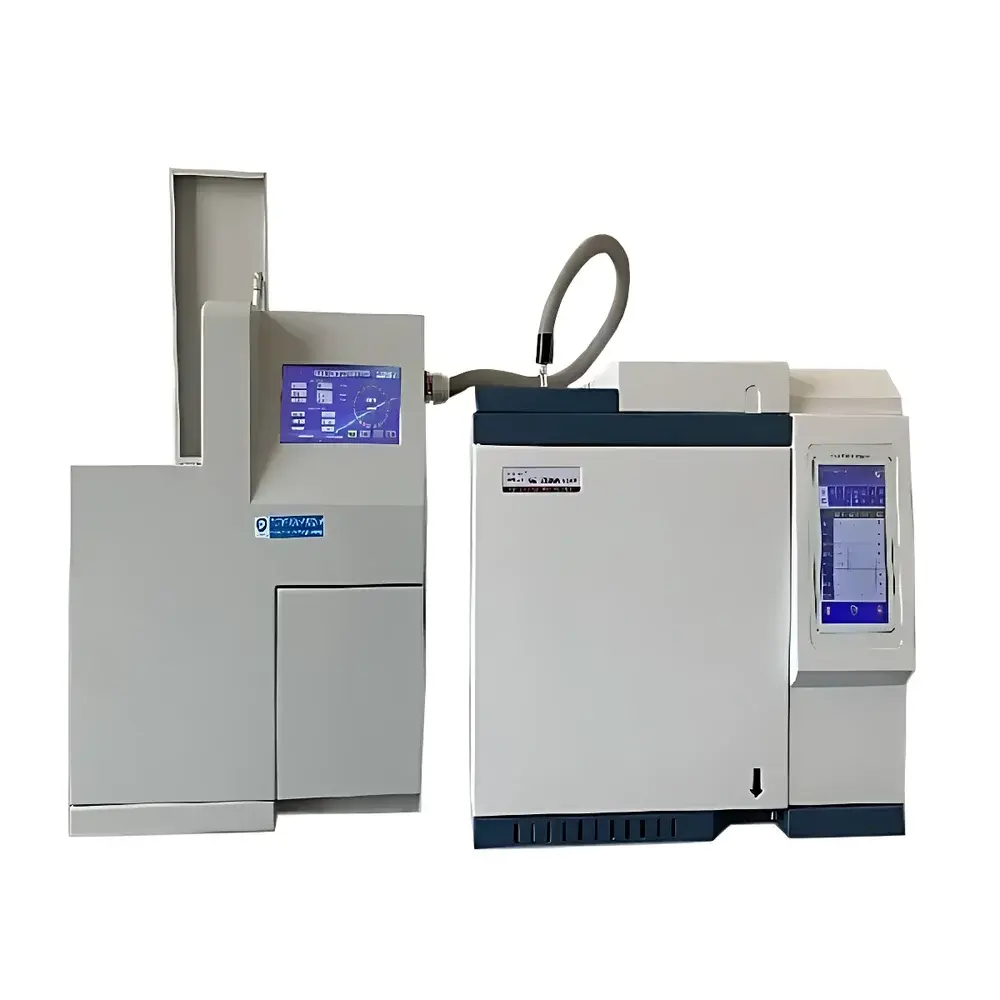
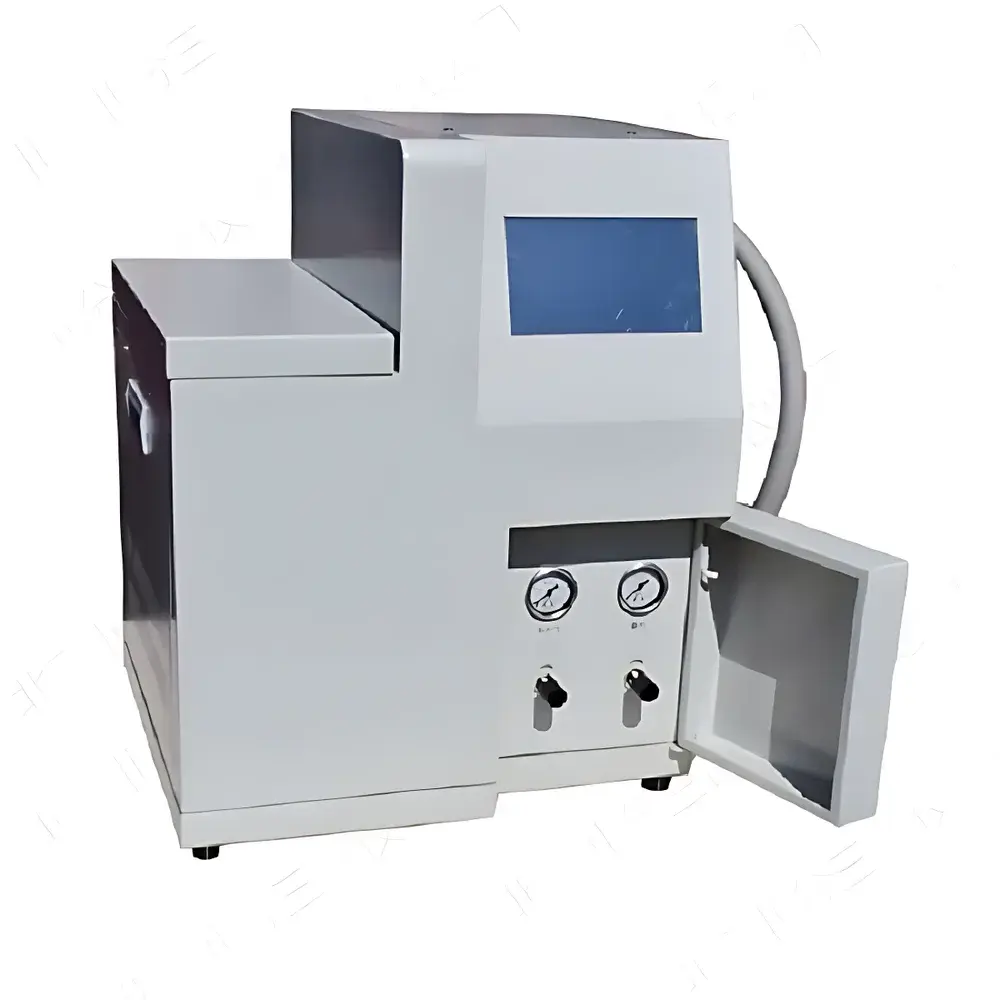
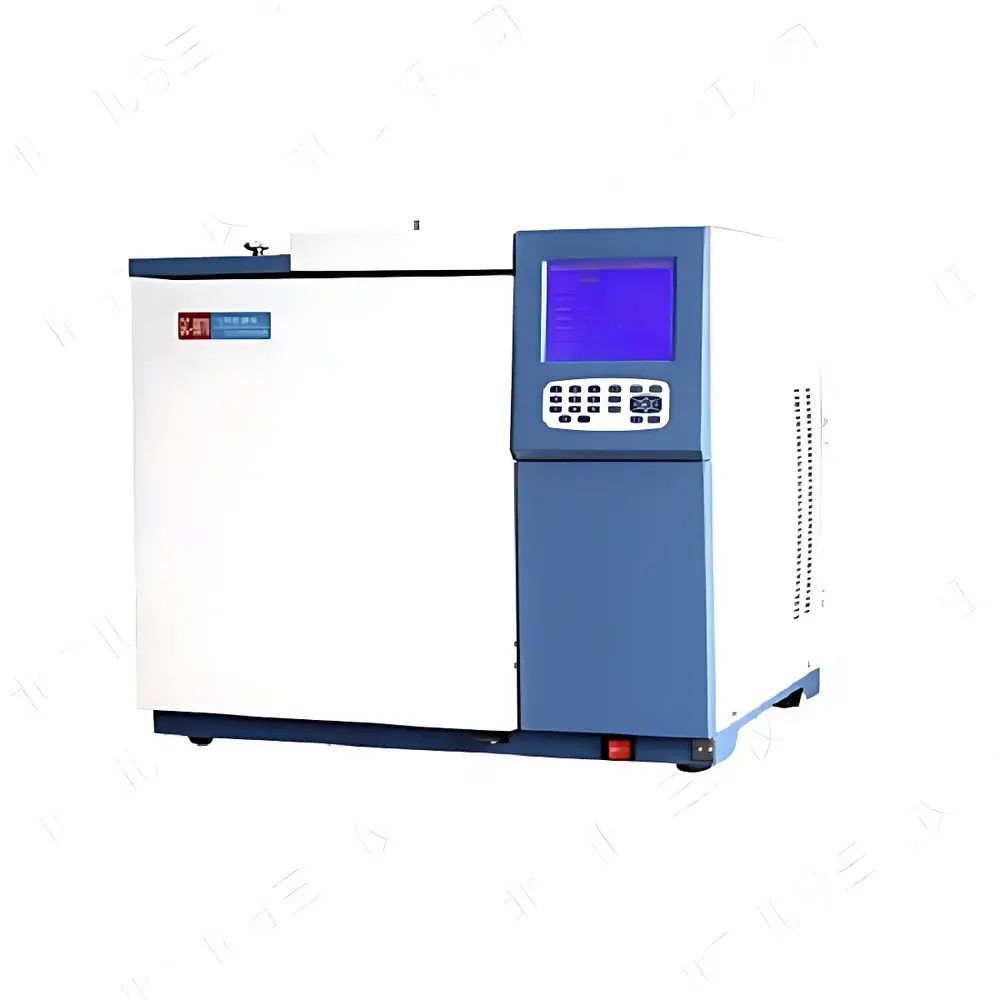
Beifen Sanpu ATDS-3420HP Laboratory Gas Chromatograph for Methanol Analysis in Baijiu
| [Brand | Beifen Sanpu |
|---|---|
| Origin | Beijing, China |
| Manufacturer Type | Direct Manufacturer |
| Instrument Type | Laboratory Gas Chromatograph |
| Model | ATDS-3420HP |
| Temperature Control Range | 100–450 °C |
| Oven Ramp Rate | 0.1–80 °C/min |
| Oven Cool-down Time | ~7 min (from 450 °C to 100 °C) |
| Carrier Gas Flow Range & Control | 0–1000 mL/min |
| Carrier Gas Pressure Range & Control | 0–400 kPa |
| Injector Maximum Temperature | 450 °C |
| Injector Pressure Setting Range | 0–400 kPa |
| Injector Total Flow Setting Range | 0–100 mL/min] |
Overview
The Beifen Sanpu ATDS-3420HP is a dedicated laboratory gas chromatograph engineered for precise, reproducible quantification of methanol in baijiu (Chinese distilled spirits) and other alcoholic beverages in compliance with GB 5009.266–2016, the national standard for methanol determination in food. It operates on the principle of capillary gas chromatography coupled with flame ionization detection (FID), enabling high-resolution separation of volatile organic compounds—including methanol, ethanol, and internal standards—on polyethylene glycol (PEG)-based stationary phases. The instrument integrates a programmable temperature-controlled oven, precision electronic pressure control (EPC) for carrier and auxiliary gases, and a high-stability FID detector optimized for aliphatic alcohol analysis. Its thermal architecture supports rapid, linear heating ramps and controlled cool-down cycles essential for high-throughput routine testing in QC laboratories handling fermented, distilled, and blended alcoholic products.
Key Features
- Programmable oven with wide operating range (100–450 °C) and adjustable ramp rates (0.1–80 °C/min), ensuring method flexibility for complex spirit matrices.
- Electronic pressure and flow control (EPFC) for carrier gas (N2, H2, or He), supporting consistent retention time stability and method transferability across instruments.
- Dual independent inlet configuration: split/splitless injector capable of operation up to 450 °C, with pressure and total flow programmability (0–400 kPa; 0–100 mL/min).
- FID detector with optimized hydrogen–air combustion geometry, delivering low noise (105).
- Eight-stage oven temperature programming capability, facilitating multi-step methods required for co-elution resolution in high-boiling spirit congeners.
- Robust mechanical design with vibration-damped column chamber and thermally insulated detector housing to minimize baseline drift during extended runs.
Sample Compatibility & Compliance
The ATDS-3420HP is validated for use with aqueous-alcoholic distillates prepared per GB 5009.266–2016, including raw baijiu, rice wine, sorghum liquor, and fortified wines. Sample introduction follows standardized pre-treatment: distillation to remove non-volatiles, followed by internal standard addition (tert-amyl alcohol, CAS 75-85-4) and direct injection. The system meets essential requirements for GLP-compliant environments, including audit-ready event logging, user-accessible calibration history, and configurable data integrity safeguards. While not pre-certified for FDA 21 CFR Part 11, its software architecture supports integration with validated LIMS platforms and enables full traceability of instrument parameters, sequence logs, and raw chromatographic data—critical for regulatory submissions under ISO/IEC 17025 and CNAS-accredited testing laboratories.
Software & Data Management
The ATDS-3420HP is operated via a Windows-based chromatography data system (CDS) compliant with ASTM E2682 and ISO 11352 standards for analytical data handling. The software provides real-time signal monitoring, automated peak integration using tangent skim and valley-to-valley algorithms, and customizable report templates aligned with GB 5009.266 reporting requirements. Quantitative workflows support internal standard calibration curves (methanol/tert-amyl alcohol peak area ratio vs. concentration), with automatic linearity assessment (R2 ≥ 0.999), LOD/LOQ calculation, and uncertainty propagation per GUM guidelines. Raw data files (.CDF or .D format) are stored with embedded metadata—including method name, operator ID, injection time, and hardware configuration—ensuring full data provenance for internal audits or third-party verification.
Applications
- Quantitative methanol analysis in baijiu, huangjiu, and other traditional Chinese alcoholic beverages per GB 5009.266–2016.
- Method development and validation for simultaneous determination of methanol, ethanol, propanol, and higher alcohols in fermentation QA/QC.
- Supporting raw material screening and batch release testing in distillery production facilities.
- Reference method implementation in provincial CDCs and food safety inspection centers conducting statutory surveillance of adulterated or substandard spirits.
- Research applications in flavor chemistry, including congener profiling and aging marker identification in aged baijiu.
FAQ
What column specifications are recommended for methanol analysis per GB 5009.266–2016?
A 60 m × 0.25 mm i.d. × 0.25 µm polyethylene glycol (PEG) fused-silica capillary column is specified; equivalent columns meeting USP G26 or ISO 10628 performance criteria may be substituted upon qualification.
Is the ATDS-3420HP compatible with external gas generators?
Yes—the instrument accepts regulated nitrogen (carrier), hydrogen (FID fuel), and synthetic air (FID oxidant) from membrane or PSA-based generators meeting ISO 8573-1 Class 1 purity requirements.
Can the system perform unattended overnight analysis?
Yes—equipped with autosampler-ready interface and sequence-driven method scheduling, it supports 24+ hour unattended operation with automatic shutdown and data backup protocols.
What is the typical maintenance interval for the FID jet and collector electrode?
Under routine baijiu analysis conditions, cleaning is recommended every 200–300 injections; ceramic jet replacement is advised annually or after 1,000 injections, depending on sample cleanliness.
Does the system support compliance with ISO/IEC 17025 documentation requirements?
Yes—audit trails, electronic signatures (via optional PKI module), and instrument qualification records (IQ/OQ/PQ templates) are available to support accreditation under ISO/IEC 17025:2017 Clause 7.7.





