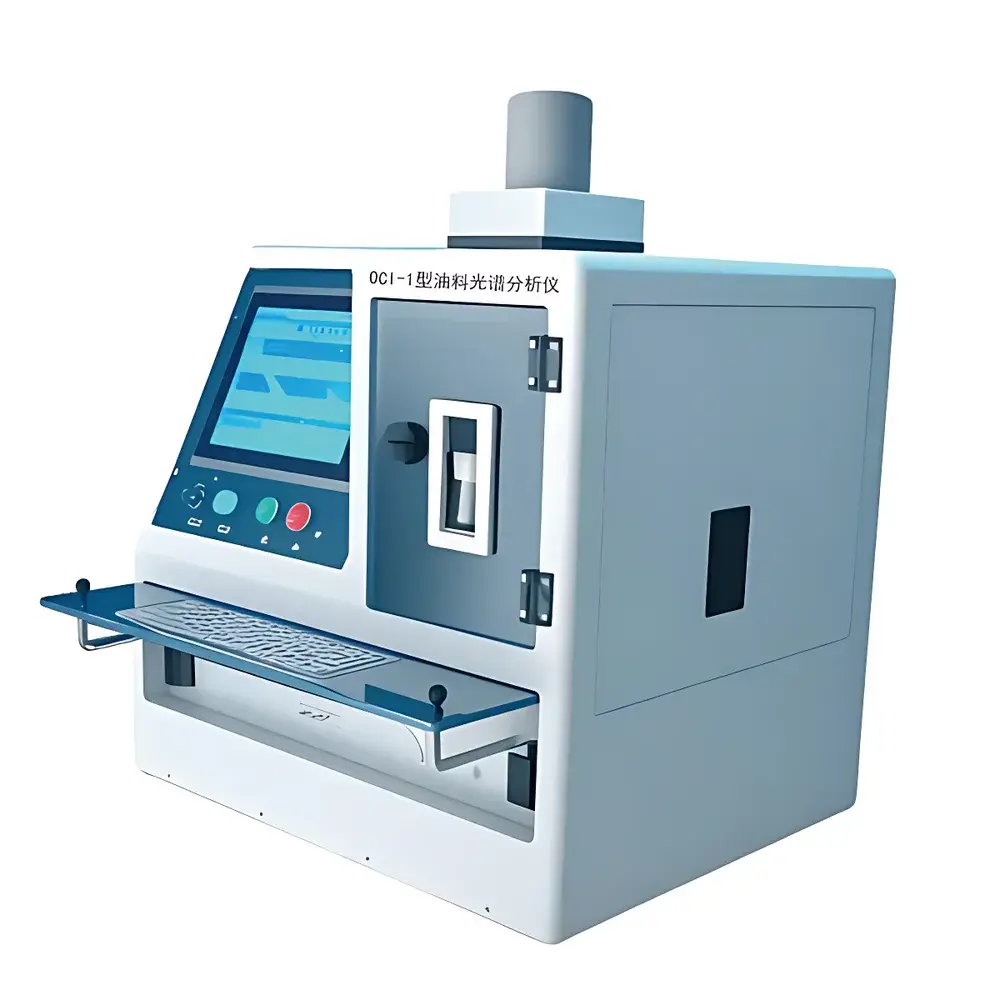
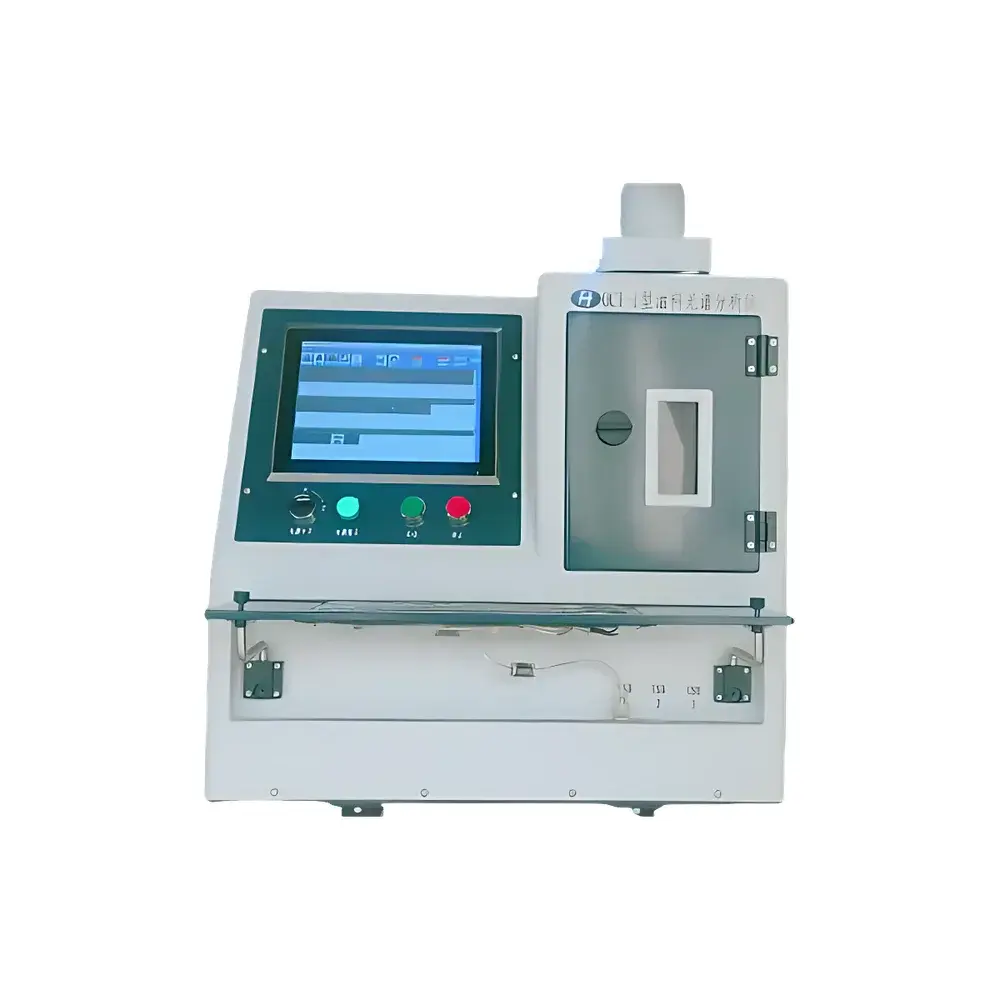
Beijing Hangfeng YSF-1 Oil Moisture Activity and Temperature Analyzer
| Brand | Beijing Hangfeng |
|---|---|
| Origin | Beijing, China |
| Model | YSF-1 |
| Measurement Principle | Capacitive Water Activity (a<sub>w</sub>) Sensing with Integrated Temperature Compensation |
| Output Signals | RS232 serial interface, 4–20 mA analog output |
| Relay Outputs | 2 programmable alarm channels |
| Display | Real-time a<sub>w</sub> (0.01–1.00), temperature (°C), and calculated absolute water content (ppm) |
| Calibration | Dual-point calibration support for traceable accuracy |
| Portability | Handheld or inline mounting configuration |
| Compliance Context | Designed for routine condition monitoring per IEC 60814, ASTM D6304 (Karl Fischer correlation), and IEEE C57.106 guidance for transformer oil moisture assessment |
Overview
The Beijing Hangfeng YSF-1 Oil Moisture Activity and Temperature Analyzer is an engineered solution for real-time, non-destructive assessment of water thermodynamic activity (aw) and temperature in insulating oils, lubricating oils, and other hydrocarbon-based fluids. Unlike volumetric or gravimetric methods, the YSF-1 employs a high-stability capacitive sensor platform calibrated to measure equilibrium relative humidity above the oil phase—directly correlating to water activity at defined temperature conditions. This principle enables rapid (<10 s response time), repeatable quantification of moisture status without solvent extraction or reagent consumption. The device operates on the fundamental premise that water activity—not total water concentration—is the primary indicator of moisture-related degradation risk in electrical insulation systems and mechanical lubrication circuits. By delivering simultaneous aw and temperature readings, the YSF-1 supports on-site calculation of absolute water content (ppm) using established oil-specific water solubility models, including those referenced in IEC 60814 for mineral insulating oils and extended formulations for synthetic esters and polyalphaolefins (PAOs).
Key Features
- Capacitive water activity sensing with integrated Pt1000 temperature compensation for thermodynamically consistent measurements
- Real-time dual-parameter display: water activity (aw, resolution 0.01) and temperature (°C, resolution 0.1°C)
- On-device ppm conversion using preloaded oil-type databases (mineral oil, silicone fluid, natural/synthetic esters) and user-defined solubility curves
- Dual independent relay outputs with fully configurable high/low alarm thresholds for integration into SCADA or PLC-based asset monitoring systems
- Standard industrial communication interfaces: isolated RS232 for data logging and 4–20 mA current loop for analog process integration
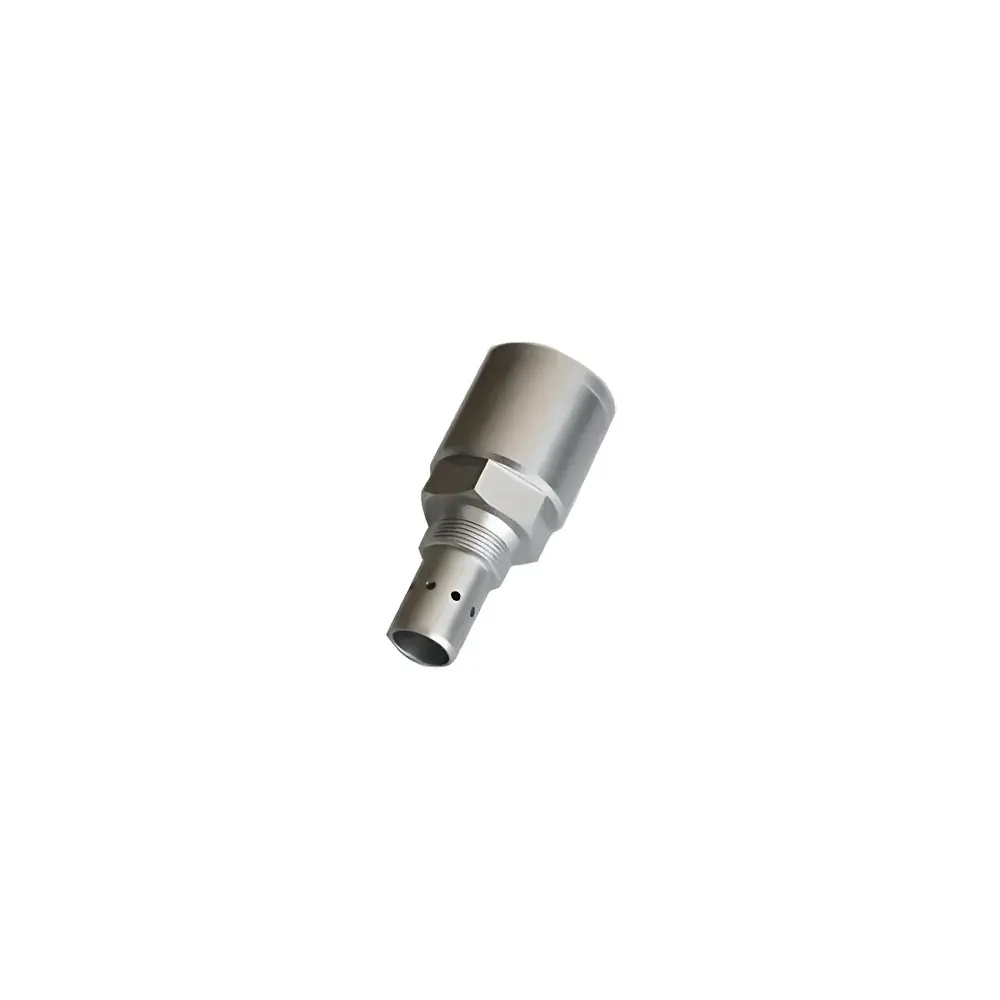
- Modular mechanical design supporting both handheld spot-check deployment and permanent inline installation via NPT or flanged sensor housings
- Field-calibratable using certified humidity reference standards traceable to national metrology institutes
Sample Compatibility & Compliance
The YSF-1 is validated for use with dielectric liquids conforming to IEC 60296, ASTM D3487, and ASTM D6981 specifications, including paraffinic and naphthenic mineral oils, silicone-based dielectrics, and biodegradable ester fluids. It does not require sample dilution, heating, or chemical reagents. While not a primary Karl Fischer titration device, its aw-based moisture estimation correlates empirically with ASTM D6304 results when applied within the operational range of 0.1–100 ppm (for mineral oil at 25°C). Instrument design adheres to IP65 environmental protection rating and meets EMC requirements per IEC 61326-1 for industrial measurement equipment. Data integrity features—including timestamped readings and non-volatile memory storage—support GLP-aligned recordkeeping practices.
Software & Data Management
Data acquisition is supported via ASCII-protocol RS232 communication compatible with standard terminal emulators and custom SCADA HMI platforms. Optional PC software (provided separately) enables batch export of time-stamped aw/T/ppm datasets in CSV format, trend visualization over configurable intervals, and generation of compliance-ready reports aligned with internal QA documentation workflows. Audit trail functionality includes operator ID tagging and change logs for calibration parameters—facilitating alignment with FDA 21 CFR Part 11 principles where electronic records are subject to regulatory review.
Applications
- Preventive maintenance of power transformers and switchgear by trending aw against IEEE C57.106 recommended limits (e.g., <0.35 aw for service-aged mineral oil)
- In-situ monitoring of turbine and hydraulic system lubricants to detect early-stage hydrolytic degradation
- Commissioning verification of oil drying procedures post-filtration or vacuum dehydration
- Field validation of oil-in-service quality prior to equipment energization or startup
- Supporting ISO 4406 and NAS 1638 particulate contamination assessments through integrated moisture status context
FAQ
Does the YSF-1 directly measure ppm water concentration?
No—it measures water activity (aw) and temperature; ppm values are derived algorithmically using oil-specific water solubility models.
Can it be used with synthetic transformer oils?
Yes, provided the corresponding solubility curve is loaded into the device’s database or applied externally during data interpretation.
Is periodic recalibration required?
Yes—biannual verification against traceable humidity standards is recommended for critical applications; field calibration takes <5 minutes using dry and saturated salt reference points.
What is the operating temperature range for reliable aw measurement?
The sensor is rated for continuous operation between –20°C and +80°C; optimal accuracy is maintained between 10°C and 60°C per IEC 60814 Annex B guidance.
How does it differ from traditional Karl Fischer titrators?
The YSF-1 provides instantaneous, in-line thermodynamic moisture status without sample handling or reagents; KF remains the reference method for absolute quantification but requires lab-based analysis and consumables.