
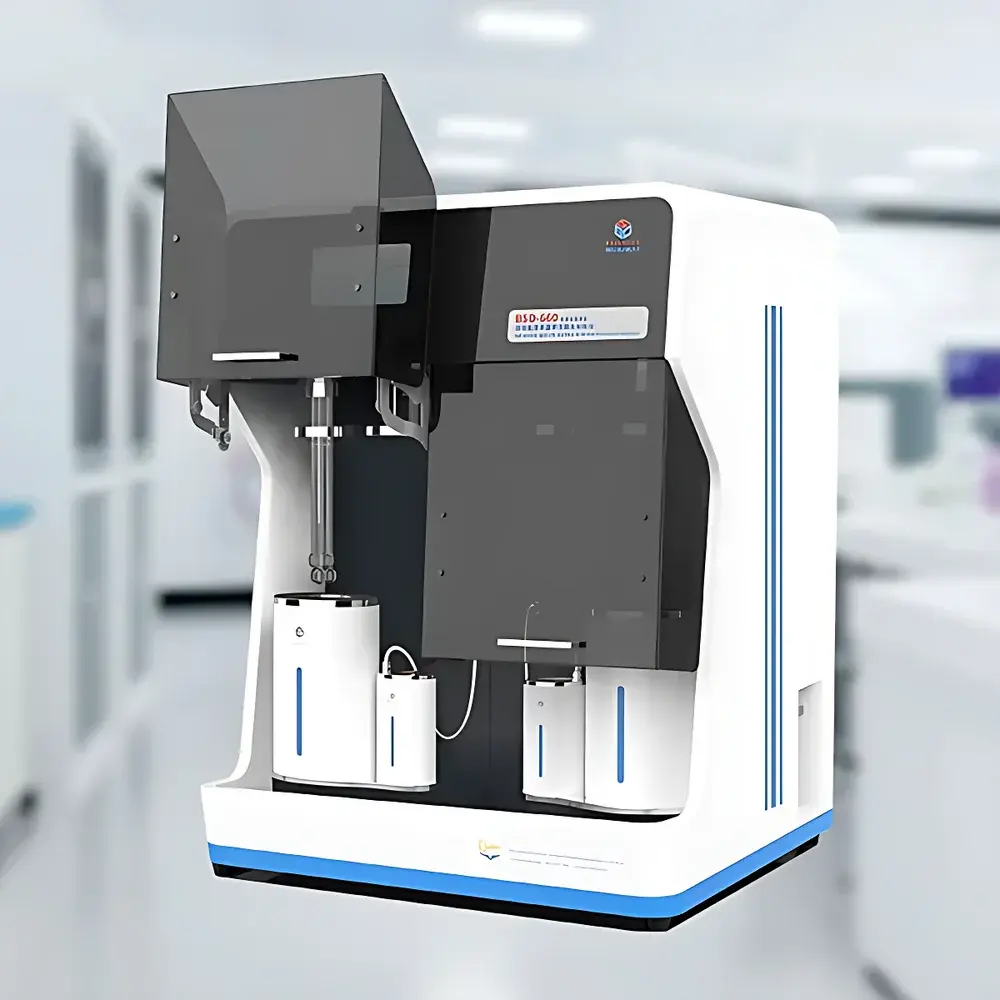
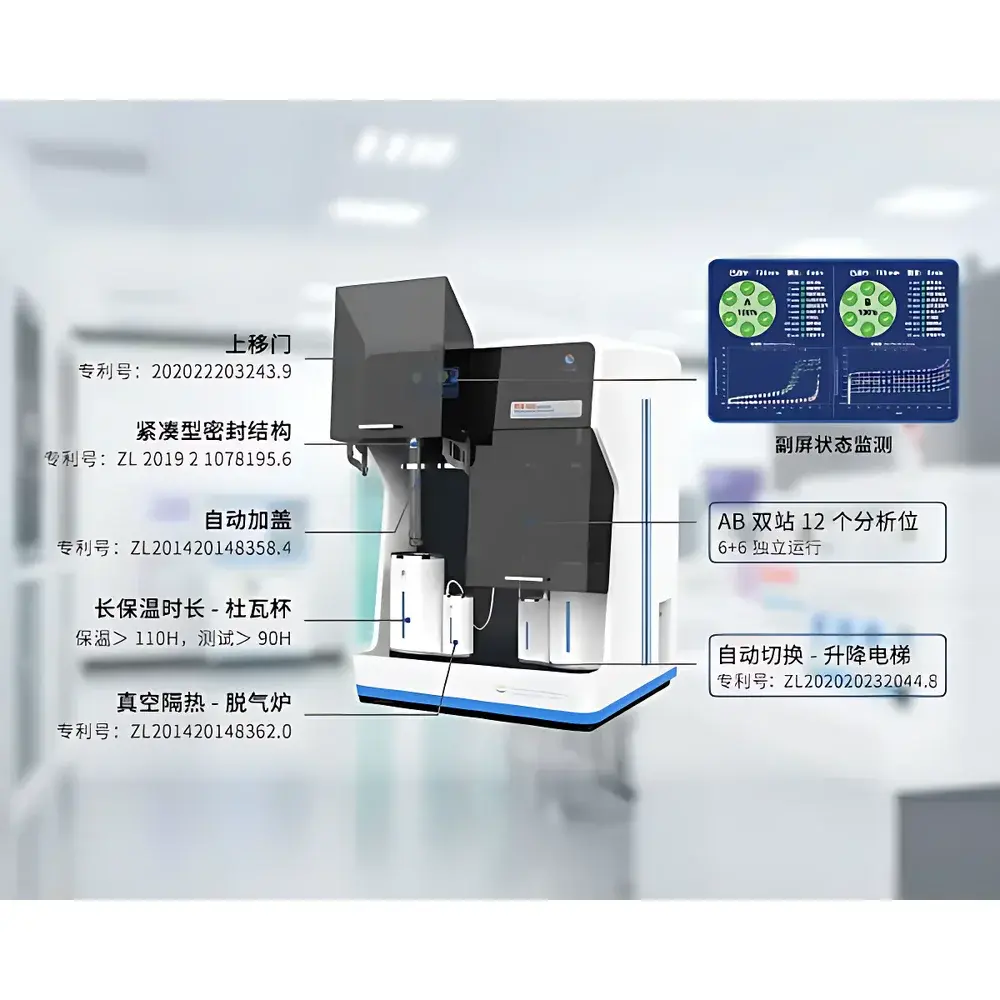
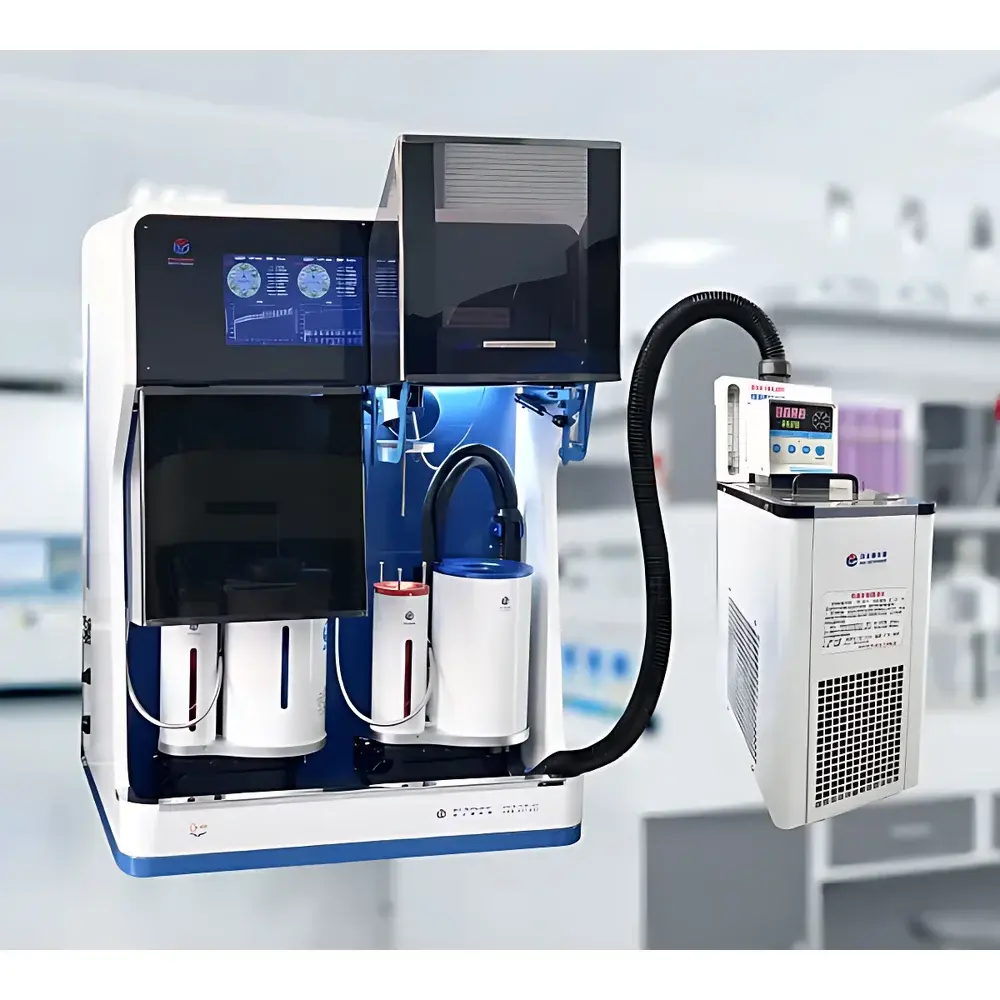
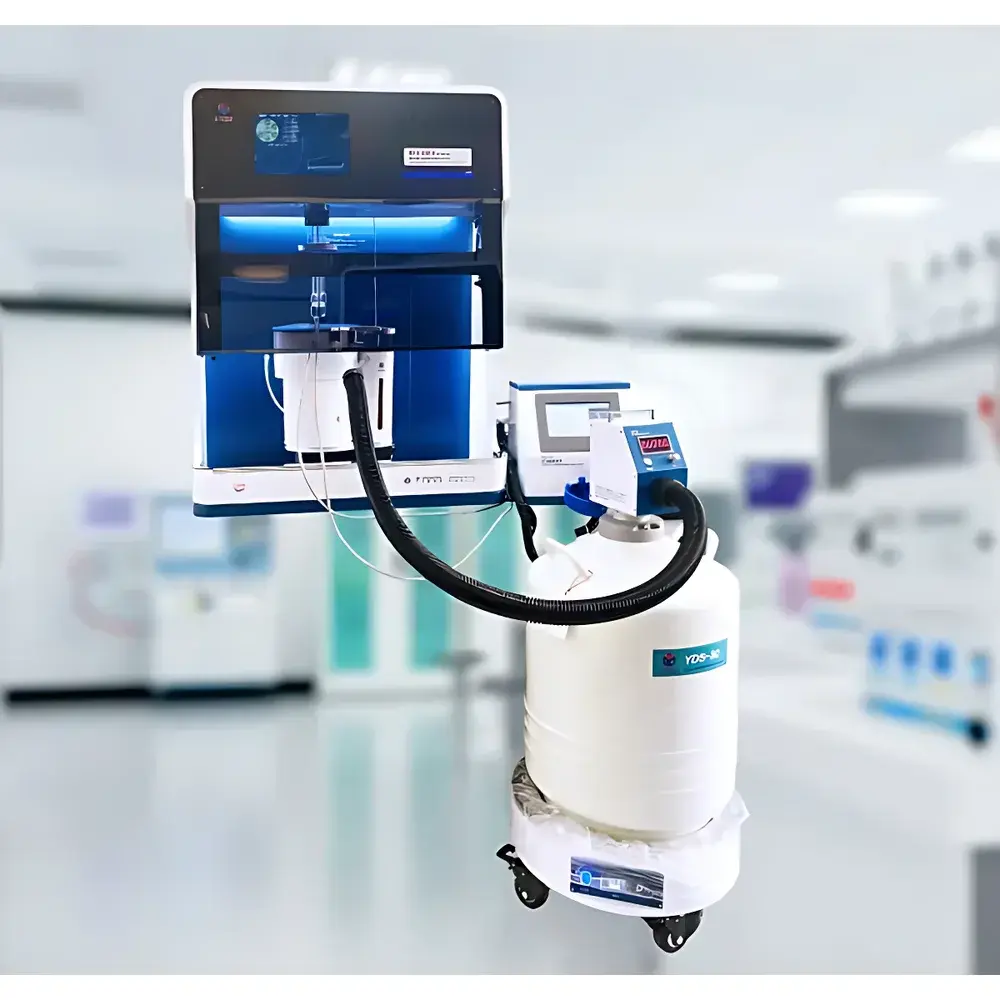
Beishide BSD-660A3M/B3M Specific Surface Area and Pore Size Analyzer
| Brand | Beishide Instrument |
|---|---|
| Origin | Beijing, China |
| Manufacturer Type | Direct Manufacturer |
| Regional Category | Domestic (China) |
| Model | BSD-660A3M / BSD-660B3M |
| Instrument Type | Specific Surface Area and Pore Size Analyzer |
| Principle | Static Volumetric Method (Static Capacity Method) |
| Number of Analysis Stations | 3 / 6 / 9 / 12 |
| Surface Area Range | ≥0.0005 m²/g (no upper limit) |
| Pore Diameter Range | 0.35–500 nm (Micropores: 0.35–2 nm |
| Mesopores | 2–50 nm |
| Macropores | 50–500 nm) |
| Total Pore Volume Range | ≥0.0001 cm³/g (no upper limit) |
| Pressure Ranges | 0–1000 torr, 0–1 torr, 0–0.1 torr (selectable) |
| Repeatability | ≤±1.0% |
Overview
The Beishide BSD-660A3M/B3M Specific Surface Area and Pore Size Analyzer is a high-precision, fully automated physical adsorption instrument engineered for quantitative characterization of porous and non-porous solid materials via the static volumetric gas adsorption method. It operates on the fundamental principles of gas adsorption thermodynamics and kinetic equilibrium, enabling rigorous determination of specific surface area (via BET, Langmuir, and t-plot methods), pore size distribution (using DFT, NLDFT, QSDFT, BJH, DH, and HK models), total pore volume, and micropore/mesopore/macropore structural parameters. Designed for compliance with international standards including ISO 9277:2010, ISO 15901-1/2/3, ASTM D3663, and GB/T 19587–2017, the system delivers traceable, auditable, and GLP/GMP-ready data essential for R&D laboratories, QC/QA departments, and regulatory submissions in catalysts, battery materials, MOFs/COFs, pharmaceutical excipients, and advanced ceramics.
Key Features
- Fully automated workflow: Integrated programmable degassing furnace and cryogenic dosing station enable unattended sequential degas → cool-down → adsorption measurement cycles without manual sample tube handling.
- Multi-station scalability: Configurable analysis capacity of 3, 6, 9, or 12 independent stations — each equipped with individual pressure transducers, temperature sensors, and isolated gas manifolds to ensure cross-contamination-free parallel testing.
- Helium-free dead-volume calibration: Patented helium-first measurement protocol followed by in-situ vacuum heating eliminates helium residue in micropore analysis, significantly improving accuracy for sub-2 nm pore quantification.
- Pressure-controlled ramped degassing (PCRD): Real-time pressure feedback modulates furnace temperature and vertical position to suppress sample fluidization and particle loss during high-temperature degassing — critical for fragile MOFs, activated carbons, and nanoscale metal oxides.
- Thermally stabilized architecture: Entire gas manifold, dosing lines, and sample ports maintained at constant 40 °C ±0.01 °C to minimize thermal transients and adsorption isotherm drift.
- Ultra-high vacuum capability: Base pressure down to 1×10⁻⁹ Pa achieved via dual-stage molecular pumping (optional configuration), ensuring low-background measurements for ultra-low surface area materials (e.g., dense ceramics, single-crystal substrates).
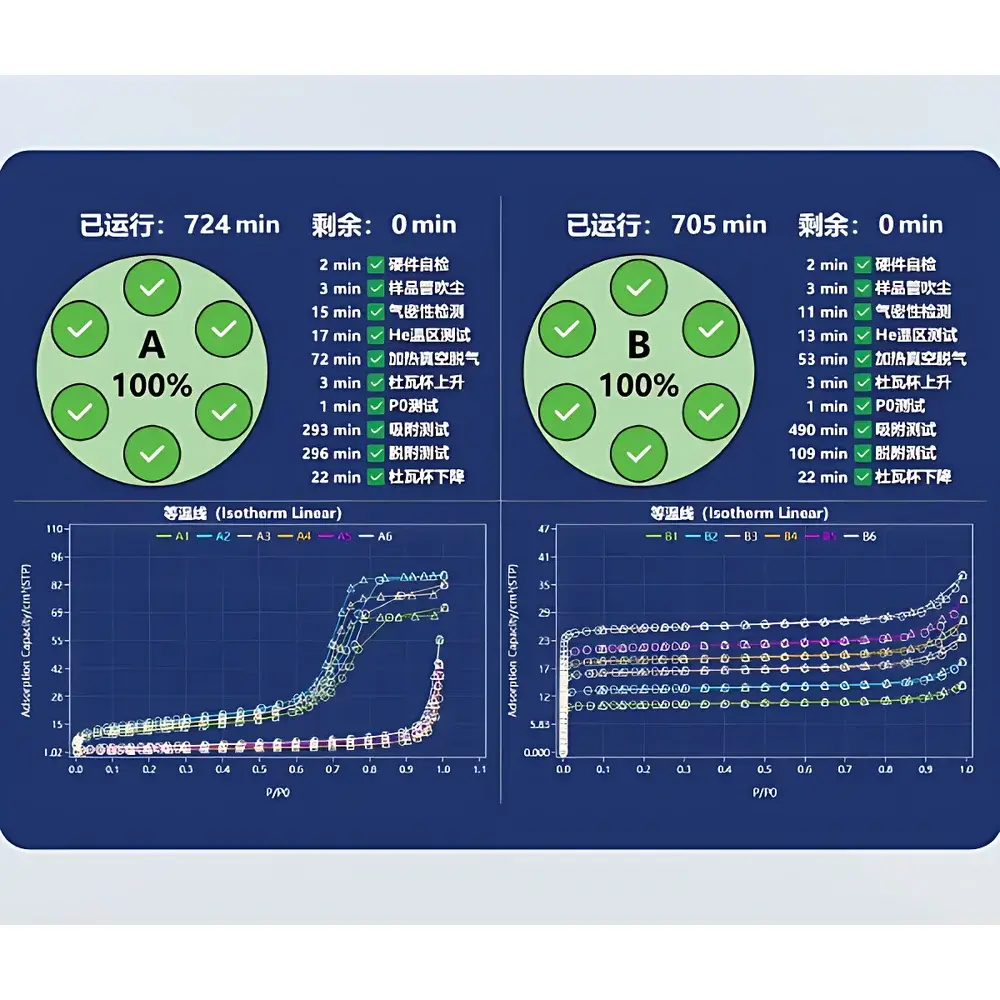
- Intelligent endpoint detection: Software autonomously evaluates degassing completion based on real-time pressure decay kinetics rather than fixed time presets, optimizing throughput without compromising sample readiness.
Sample Compatibility & Compliance
The BSD-660A3M/B3M supports a broad spectrum of solid-state materials across academic, industrial, and regulatory environments. Compatible samples include but are not limited to lithium-ion battery cathode/anode powders (NMC, LFP, SiOx, graphite), zeolites, silica gels, activated carbons, metal–organic frameworks (MOFs), covalent organic frameworks (COFs), hydrogen storage alloys, pharmaceutical carriers, and ceramic precursors. It accommodates standard adsorbates (N2, Ar, CO2, O2) as well as optional configurations for corrosive gases (NH3, H2S, Cl2) and vapor-phase analytes (H2O, ethanol, toluene) with chemically resistant internal surfaces. All measurement protocols adhere to ISO/IEC 17025 requirements for testing laboratories, and software includes full 21 CFR Part 11-compliant audit trails, electronic signatures, and user-access controls for regulated environments.
Software & Data Management
The proprietary BDS-660 Control & Analysis Suite provides end-to-end instrument control, real-time isotherm visualization, multi-model pore analysis, and export-ready reporting. The software features batch processing for up to 12 samples, automated report generation in PDF/Excel formats with embedded metadata (operator ID, timestamp, calibration logs, environmental conditions), and raw-data archiving compliant with ALCOA+ principles (Attributable, Legible, Contemporaneous, Original, Accurate, Complete, Consistent, Enduring, Available). An open API enables bidirectional integration with laboratory information management systems (LIMS), enterprise resource planning (ERP) platforms, and digital lab notebooks. All calibration records, maintenance logs, and method validation files are stored within the secure database with version history and change tracking.
Applications
This analyzer serves critical roles in catalyst development (surface accessibility vs. sintering resistance), battery material optimization (electrode porosity vs. ionic conductivity), carbon capture sorbent screening (CO2 uptake capacity vs. pore geometry), pharmaceutical formulation (excipient surface heterogeneity vs. dissolution rate), and nanomaterial quality control (batch-to-batch reproducibility of MOF surface area). Its high-throughput capability makes it suitable for DOE-driven screening campaigns, while its micro-pore resolution supports fundamental studies of confinement effects in sub-nanometer channels. Applications span ISO-certified QC labs, national metrology institutes, and university core facilities requiring NIST-traceable surface characterization.
FAQ
What adsorption theories and models does the software support?
BET, Langmuir, t-plot, αs-plot, DFT, NLDFT, QSDFT (for carbon, silica, and alumina kernels), BJH, DH, HK, and SF methods — all accessible via intuitive model selection interface with uncertainty propagation.
Can the system perform dynamic vapor adsorption (DVA)?
Yes — with optional vapor dosing module and temperature-controlled environmental chamber, the BSD-660B3M variant supports isothermal and dynamic vapor sorption up to 80 °C and RH 0–90% for hygroscopicity and stability studies.
Is remote monitoring and operation supported?
Fully supported via secure TLS-encrypted web interface; users can monitor live isotherms, adjust setpoints, trigger diagnostics, and download reports from any authorized network location.
How is data integrity ensured during long-duration micropore analyses?
Through continuous thermal stabilization (±0.01 °C), pressure-drift compensation algorithms, redundant sensor validation, and automatic re-zeroing of transducers between isotherm steps.
What service and calibration support is available internationally?
Beishide offers factory-certified on-site installation, IQ/OQ/PQ documentation packages, annual performance verification against NIST-traceable reference materials (e.g., SRM 1990, 2975), and extended warranty options with SLA-backed response times.



