
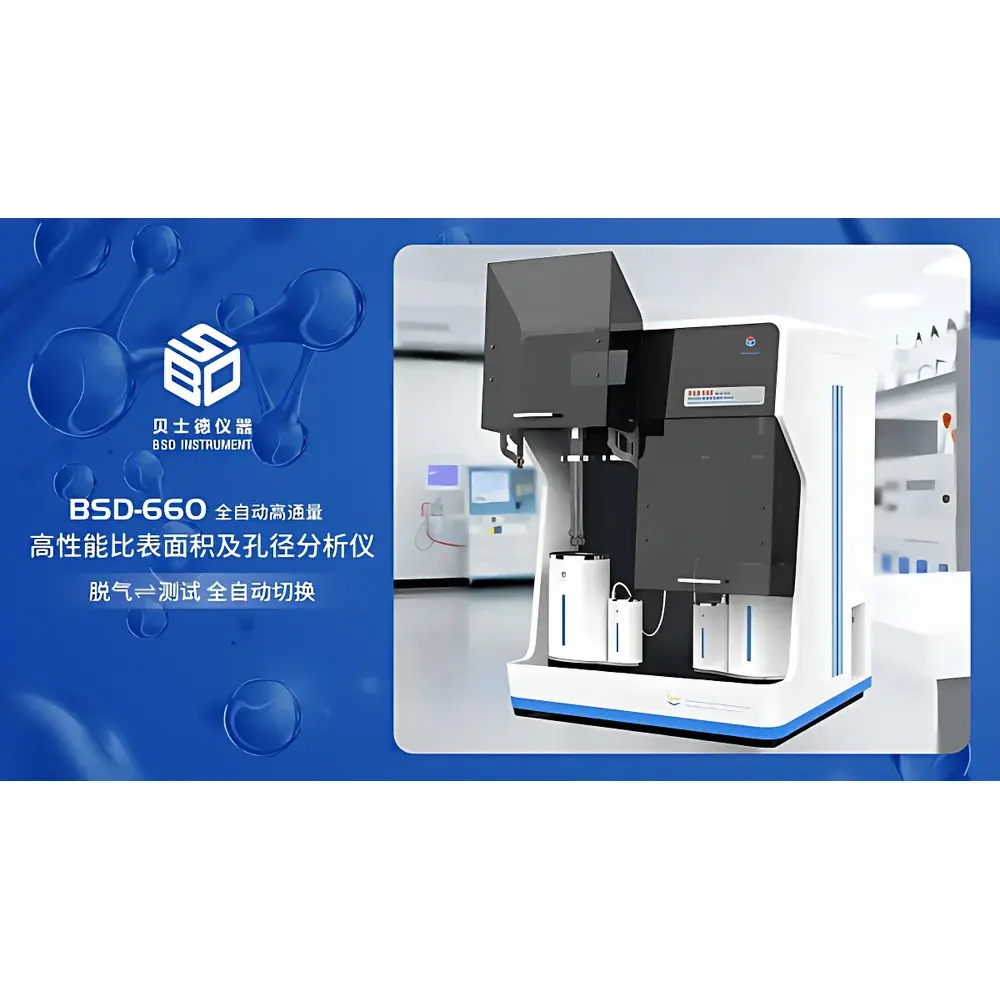
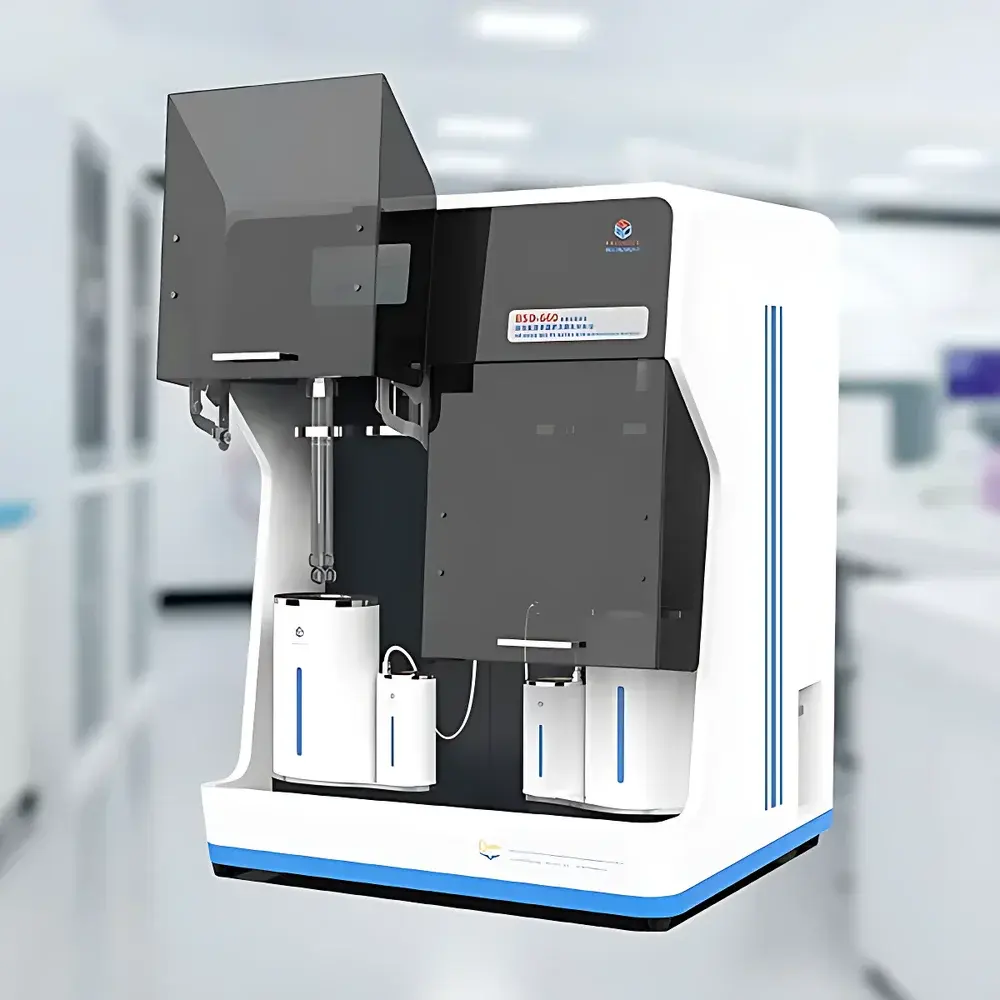
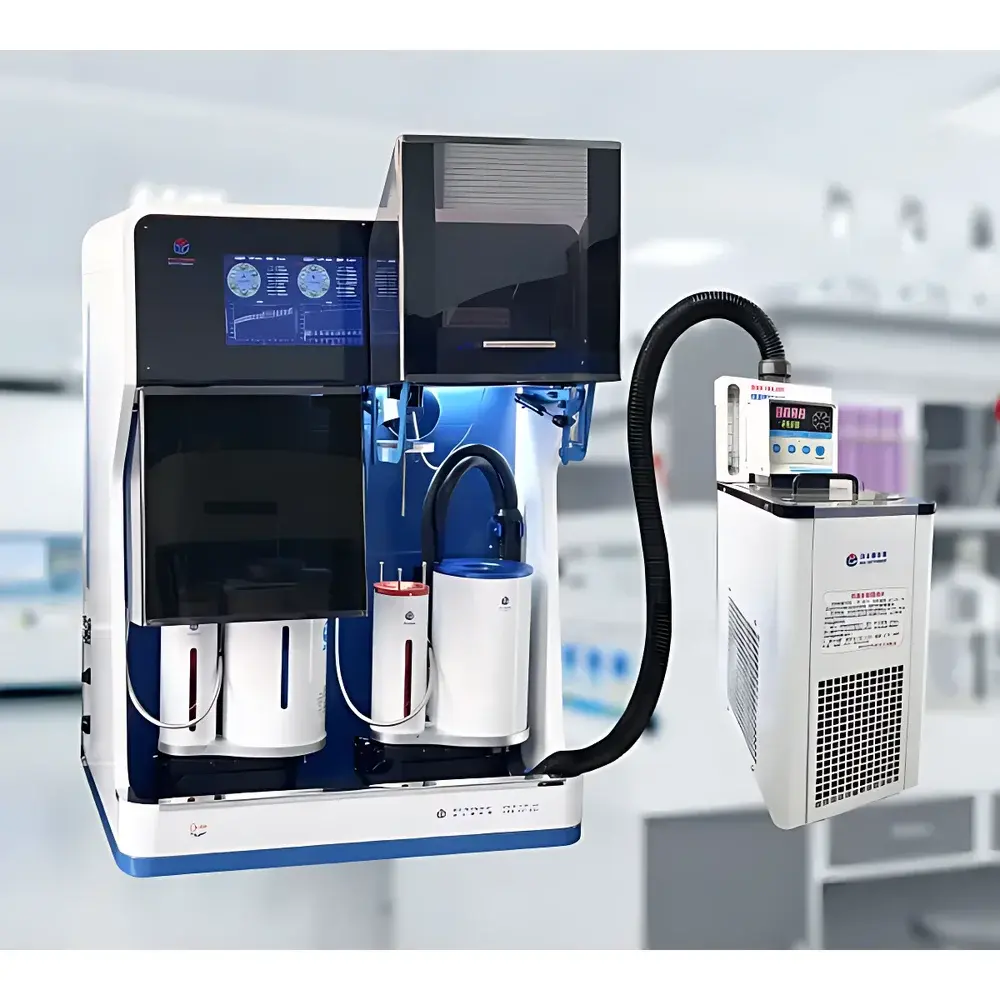
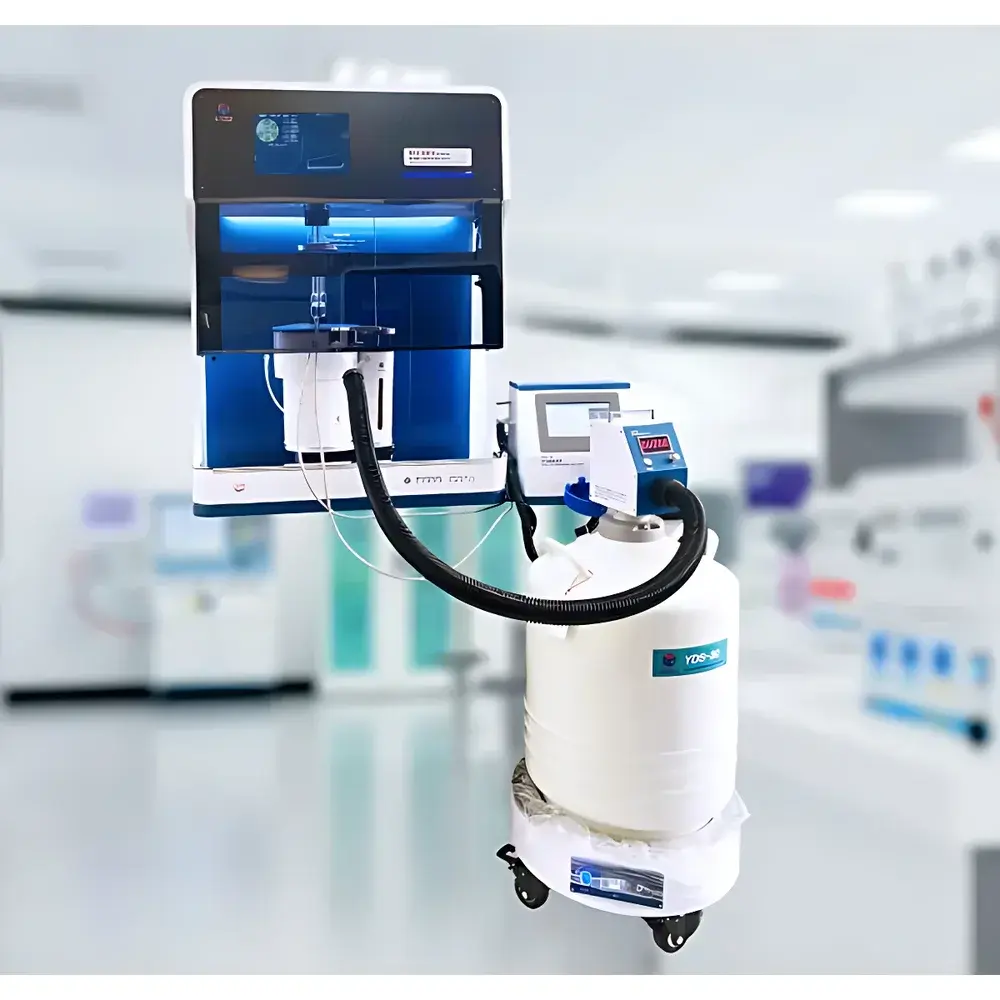
Beishide BSD-660A6S Advanced Static Volumetric Gas Adsorption Analyzer for Specific Surface Area, Micropore, Mesopore and Macropore Characterization
| Key | Brand: Beishide Instrument |
|---|---|
| Origin | Beijing, China |
| Manufacturer Type | OEM Manufacturer |
| Instrument Type | Specific Surface Area and Pore Size Analyzer |
| Principle | Static Volumetric Method (Gas Adsorption) |
| Analysis Stations | 3 / 6 / 9 / 12 configurable |
| Surface Area Range | ≥0.0005 m²/g |
| Pore Diameter Range | 0.35–500 nm |
| Pressure Range | 1×10⁻⁹ Pa (ultimate vacuum) |
| Repeatability | ≤±0.5% RSD (BET standard reference material) |
| Temperature Control | Programmable heating (room temp to 400 °C, ±0.1 °C accuracy) |
| Gas Compatibility | N₂, Ar, O₂, CO, CO₂, H₂, CH₄, C₂H₆, and optional corrosive gases (e.g., NH₃, SO₂) and vapors (e.g., H₂O, ethanol) |
| Compliance | ASTM D3663, ISO 9277, ISO 15901-1/2/3, GB/T 19587–2017, GB/T 21650.1–2008, GB/T 21650.2–2008, GB/T 21650.3–2011 |
Overview
The Beishide BSD-660A6S is an advanced static volumetric gas adsorption analyzer engineered for high-precision, high-throughput characterization of specific surface area, pore volume, and pore size distribution across microporous (50 nm) materials. Operating on the fundamental principles of physical adsorption—governed by the Brunauer-Emmett-Teller (BET) theory for surface area quantification and the Barrett-Joyner-Halenda (BJH), Density Functional Theory (DFT), and Non-Local Density Functional Theory (NLDFT) models for pore analysis—the instrument delivers metrologically traceable results aligned with international standards including ISO 9277, ISO 15901-1/2/3, ASTM D3663, and multiple Chinese national standards (GB/T 19587, GB/T 21650 series). Its dual-mode operation supports both conventional cryogenic nitrogen adsorption at 77 K and variable-temperature adsorption using integrated liquid nitrogen temperature control (LNT system, 100 K–ambient) or optional thermostatic bath (−10 °C to 80 °C), enabling rigorous thermodynamic evaluation of adsorption energetics and physisorption behavior in functional materials.
Key Features
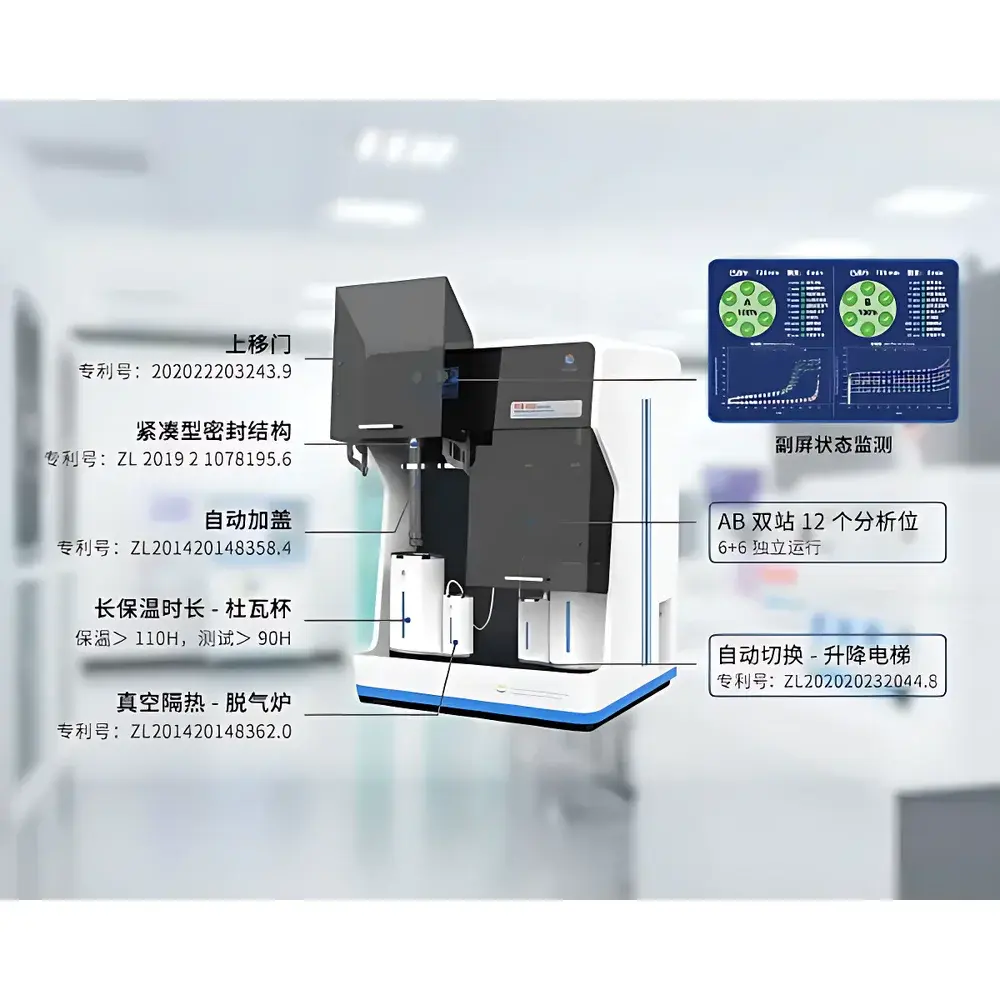
- Modular high-throughput architecture: Configurable analysis stations (3, 6, 9, or 12) enable parallel sample processing without cross-contamination or manual intervention.
- Fully automated workflow: Integrated dual-position furnace and Dewar cup auto-switching eliminates manual sample tube transfer—patented mechanism (ZL202020232044.8) ensures seamless transition from degassing to adsorption measurement.
- Helium-free dead-volume calibration: Sequential helium pycnometry → high-vacuum thermal degassing → adsorption measurement prevents helium residue contamination in micropore analysis—a critical advancement for accurate ultramicropore (<0.7 nm) quantification.
- Pressure-controlled ramped degassing (“Pressurized Temperature Ramp”): Patented anti-flying technology (ZL202020230457.2) dynamically modulates furnace lift height and heating rate based on real-time pressure feedback, suppressing particle dispersion during volatile removal from delicate catalysts, MOFs, and battery electrode materials.
- Thermally stabilized gas manifold: Entire internal pneumatic pathway maintained at 40 °C ±0.01 °C to eliminate condensation artifacts and ensure consistent adsorptive phase behavior across extended isotherm acquisition.
- Motorized electric liquid nitrogen pump: Contactless, variable-speed LN₂ delivery with turbine-driven flow control—eliminates pressurized gas hazards and preserves cryogen purity during long-duration runs.
- Automated cyclic adsorption testing: Programmable multi-cycle adsorption/desorption sequences for evaluating material stability, regeneration capacity, and service lifetime under repeated exposure conditions.
Sample Compatibility & Compliance
The BSD-660A6S accommodates a broad spectrum of solid-state materials—from non-porous inorganic oxides (e.g., LiCoO₂, SiO₂, Al₂O₃), metal powders, and polymer composites to highly porous frameworks including zeolites, activated carbons, metal–organic frameworks (MOFs), covalent organic frameworks (COFs), hydrogen-bonded organic frameworks (HOFs), and hierarchical silica. It complies with GLP-aligned data integrity requirements: full audit trail, electronic signatures, and 21 CFR Part 11–ready software architecture (optional validation package available). All measurement protocols adhere strictly to ISO 15901-3 for micropore analysis, ISO 15901-2 for meso/macropores, and ISO 9277 for BET surface area determination—ensuring regulatory acceptability in pharmaceutical excipient qualification, battery cathode R&D, and catalysis certification workflows.
Software & Data Management
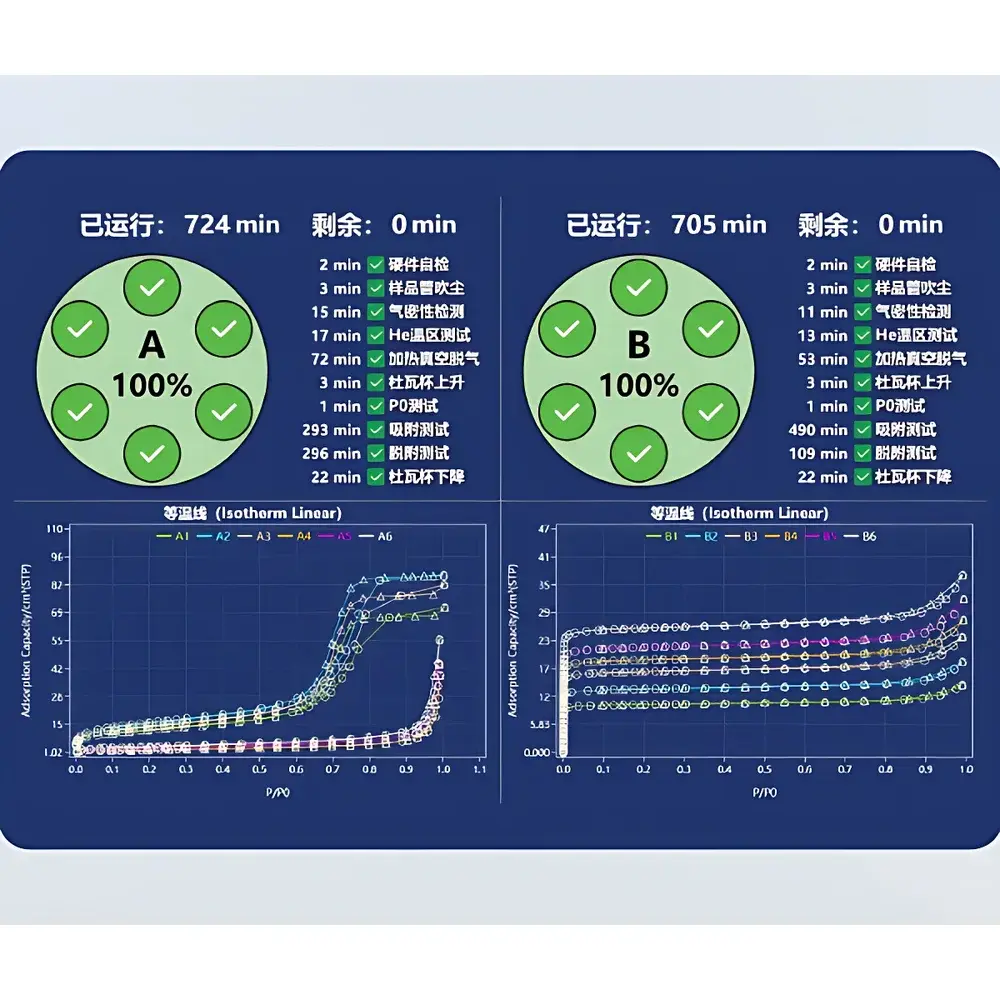
The proprietary BDS-660 DataStudio v4.2 platform provides ISO-compliant instrument control, real-time isotherm visualization, and automated report generation per ASTM/ISO templates. It supports raw isotherm export in ASTM E2977-compliant CSV format, batch processing of up to 12 samples with synchronized degas/test scheduling, and intelligent endpoint detection via pressure drift monitoring. An open API enables bidirectional integration with laboratory information management systems (LIMS), allowing direct upload of validated surface area, pore volume, and PSD results—including uncertainty estimates—to enterprise databases. All data files are digitally signed and timestamped; version-controlled method templates enforce SOP adherence across multi-user environments.
Applications
This analyzer serves core characterization needs across advanced materials development: quantifying active surface area in lithium-ion battery cathodes and solid-state electrolytes; mapping pore hierarchy in MOF-based gas storage media; assessing catalyst sintering resistance via cyclic BET tracking; validating pore collapse in templated mesoporous silicas after calcination; and determining water vapor uptake kinetics in humidity-sensitive sorbents. It is routinely deployed in QC labs for incoming raw material verification (e.g., activated carbon iodine number correlation), in academic surface science groups studying adsorption thermodynamics, and in industrial R&D centers developing next-generation adsorbents for carbon capture, hydrogen purification, and VOC abatement.
FAQ
What gases can be used for adsorption analysis on the BSD-660A6S?
Standard configurations support N₂, Ar, CO₂, O₂, CO, H₂, CH₄, and C₂H₆. Optional corrosion-resistant gas modules enable NH₃, SO₂, and Cl₂ analysis; vapor modules support H₂O, methanol, and ethanol isotherms.
How does the instrument ensure accurate micropore analysis?
Through helium-free dead-volume calibration, ultra-high vacuum capability (≤1×10⁻⁹ Pa), and integrated DFT/NLDFT kernel libraries validated against IUPAC reference materials—eliminating systematic bias from residual helium or incomplete outgassing.
Is the system compliant with FDA 21 CFR Part 11 requirements?
Yes—when configured with the validated software package, it provides role-based access control, electronic signatures, immutable audit trails, and ALCOA+ data integrity compliance.
Can the BSD-660A6S perform automated long-term stability testing?
Yes—its cyclic adsorption protocol allows unattended execution of repeated adsorption/desorption cycles over days or weeks, with automatic data logging and pass/fail threshold reporting.
What vacuum level is achievable during degassing?
The dual-stage molecular pump system achieves ≤1×10⁻⁹ Pa base pressure, ensuring complete removal of physisorbed contaminants prior to low-pressure isotherm acquisition.



