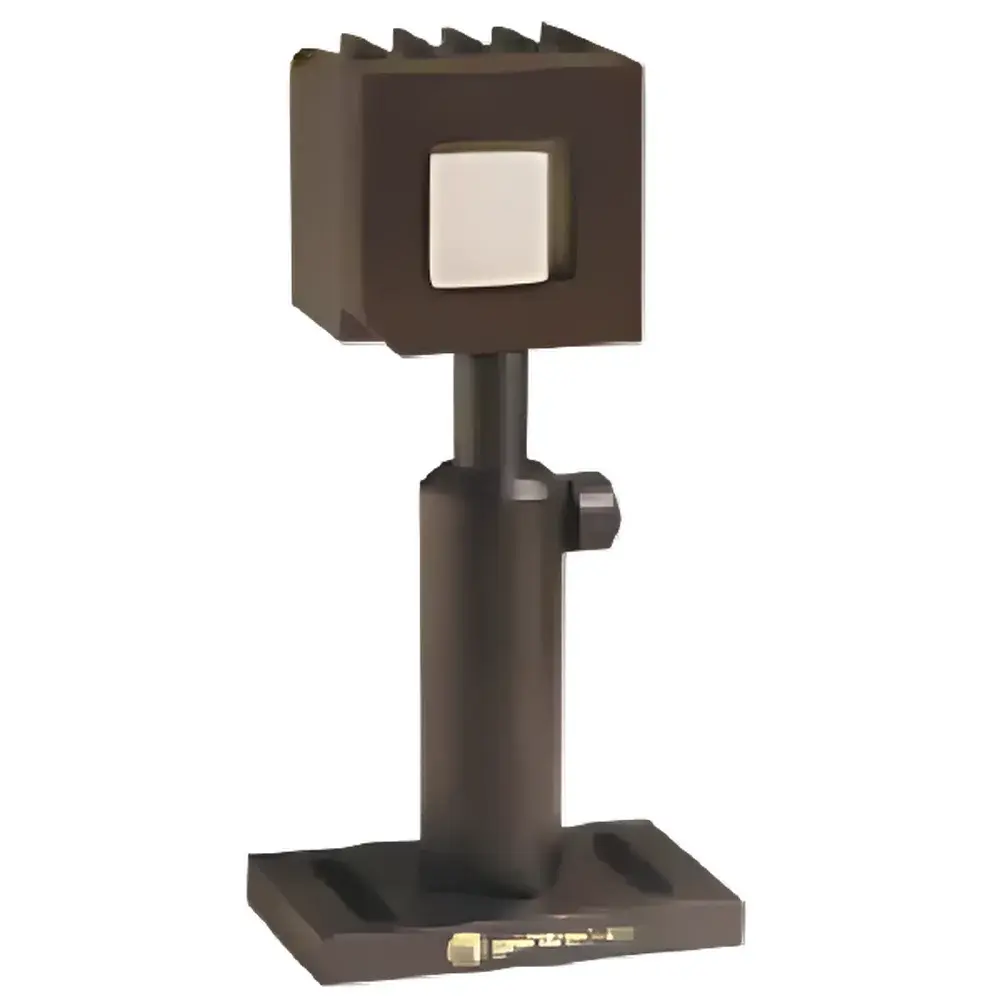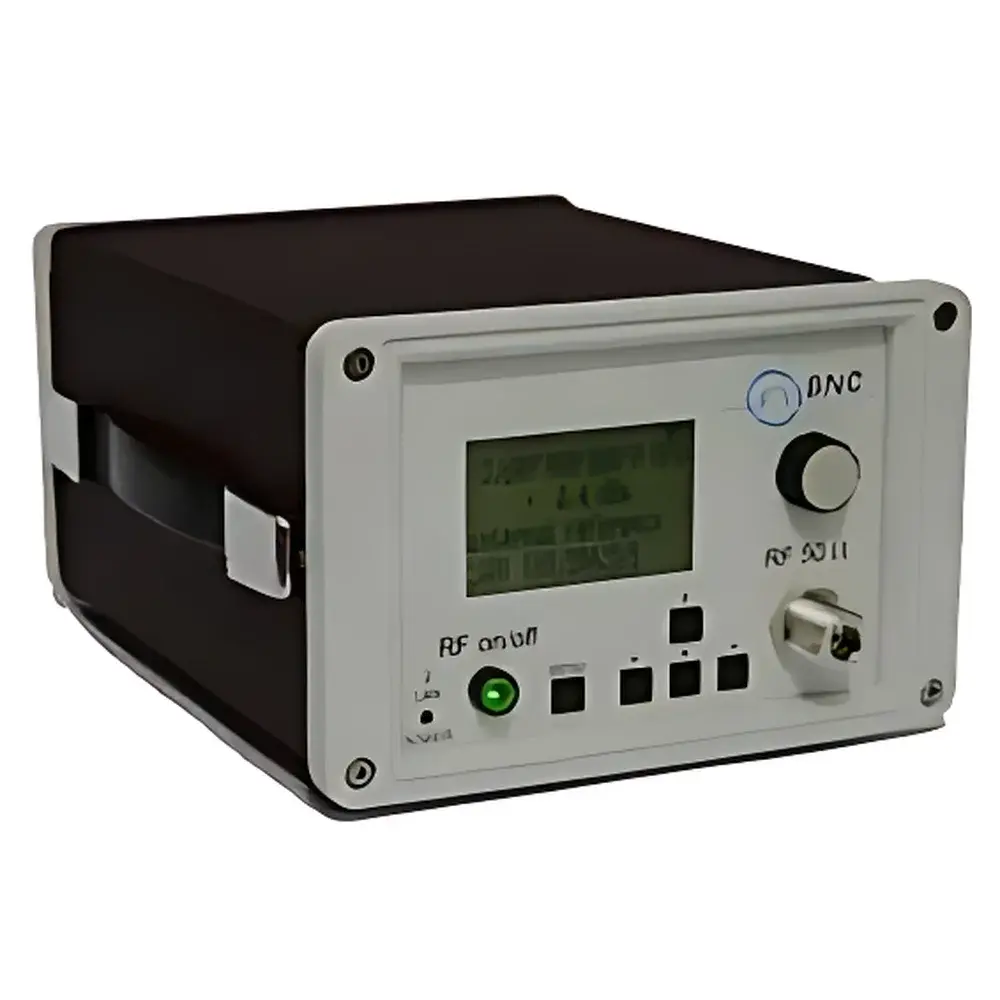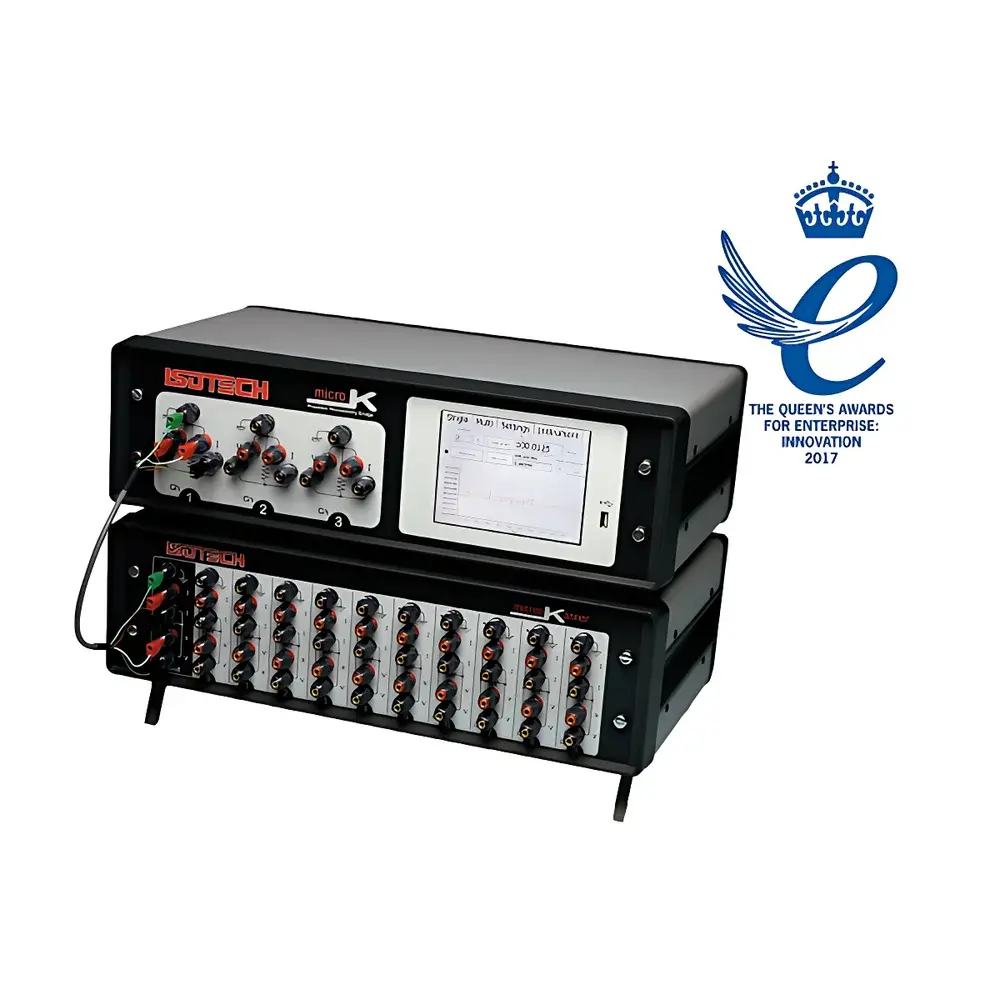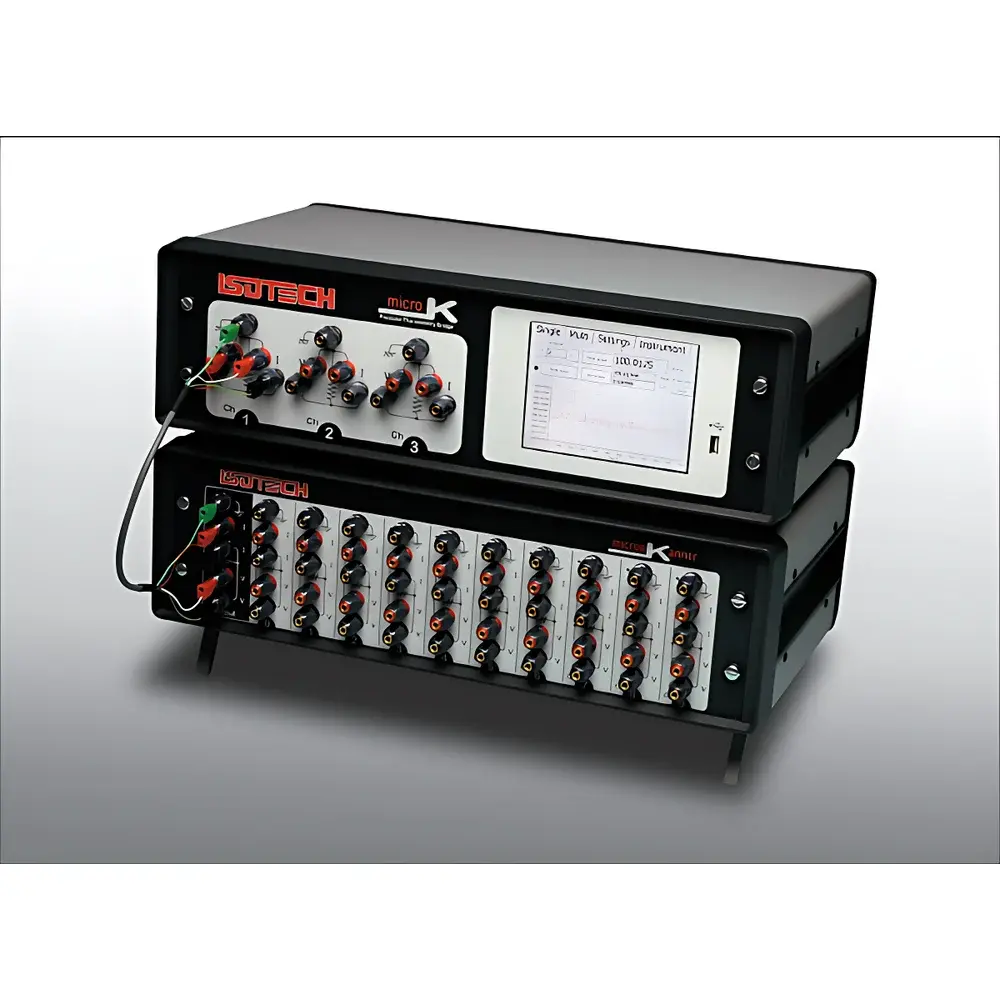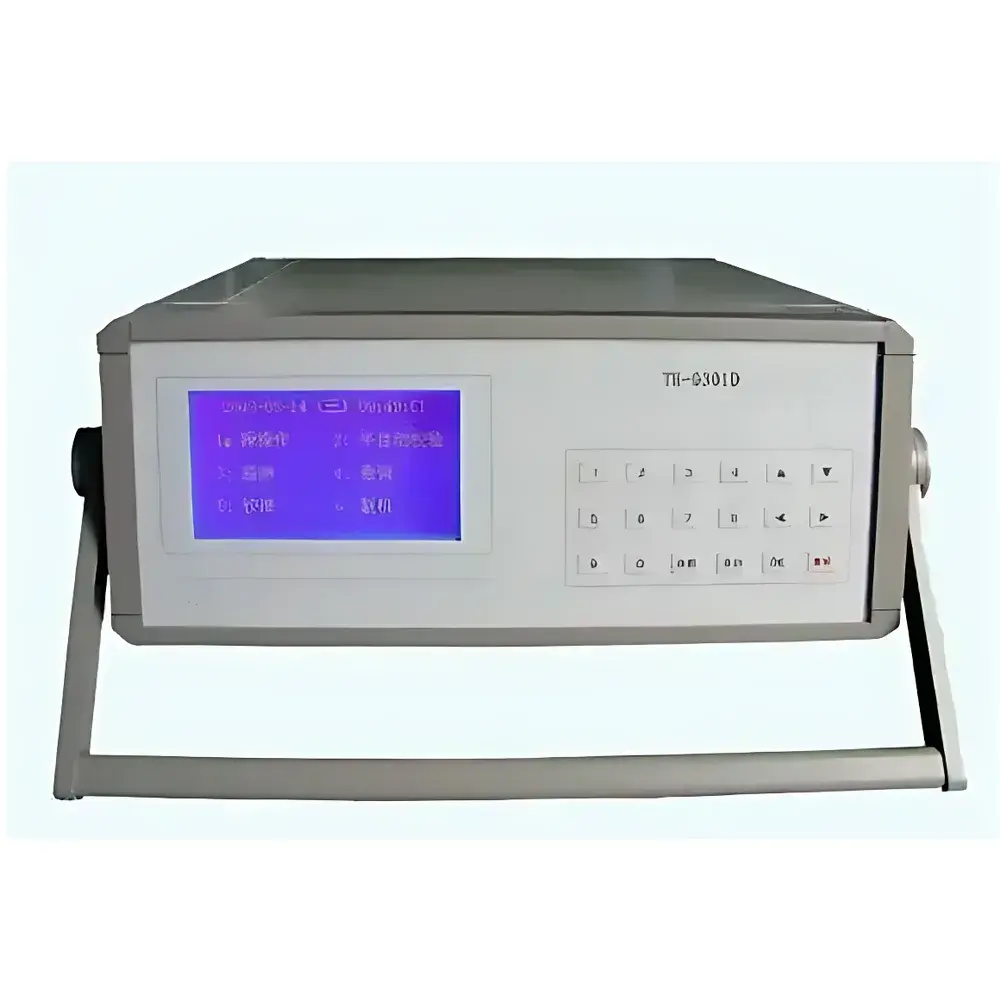
Biaozhuo TCJ-5 Electronic Parking Meter Calibration Instrument
| Brand | Biaozhuo |
|---|---|
| Origin | Shanghai, China |
| Manufacturer Type | Authorized Distributor |
| Country of Origin | China |
| Model | TCJ-5 |
| Price | USD 9,300 (FOB Shanghai) |
Overview
The Biaozhuo TCJ-5 Electronic Parking Meter Calibration Instrument is a purpose-built metrological system engineered for the field verification and periodic calibration of electronic parking time-measurement devices—commonly referred to as “parking meters” or “smart parking terminals.” It operates on the principle of high-precision time interval comparison between a traceable reference timebase and the device under test (DUT), supporting multiple triggering mechanisms including RF card swipe, inductive loop detection, video-based license plate recognition (LPR), and geomagnetic vehicle sensing. Designed in strict compliance with JJG 1010–2013 “Verification Regulation for Electronic Parking Meters,” the TCJ-5 integrates a GPS-synchronized real-time clock (RTC), a 10 kHz ultra-stable quartz oscillator (accuracy ±1 × 10⁻⁶), and multi-channel synchronized timing capture to deliver metrologically sound evaluation of timekeeping performance, clock drift, fee calculation accuracy, and trigger-response latency under real-world operational conditions.
Key Features
- GPS-referenced time synchronization with ≤ ±10 ms absolute time error; supports autonomous operation via onboard RTC (±0.45 s/day drift) when GPS signal is unavailable
- Dual-mode triggering interface: RF controller + contactless card emulation for ISO/IEC 14443-compliant parking terminals
- Wireless inductive loop simulator for simulating vehicle presence in embedded coil-based systems; enables parameter measurement of loop inductance and Q-factor
- Video-triggered synchronous timer with programmable edge-detection sensitivity, compatible with ONVIF-compliant LPR cameras and AI-driven parking analytics platforms
- Geomagnetic vehicle simulator supporting adjustable field strength (0–150 µT) and polarity switching for calibration of magnetometer-based roadside meters
- Multi-channel parallel timing acquisition: up to 8 independent counters operating simultaneously with 0.01 s resolution and total error ≤ ±(0.02 + T × 10⁻⁶) s (T = measured duration)
- Integrated rechargeable Li-ion battery pack with voltage monitoring, low-voltage cutoff protection, and ≥8 h continuous operation
- 7-inch capacitive color touchscreen with intuitive Chinese/English bilingual UI; menu-driven workflow compliant with GLP documentation requirements
- Configurable tariff tables for local parking fee structures; enables end-to-end validation of billing logic against prescribed rate schedules
Sample Compatibility & Compliance
The TCJ-5 is validated for use across all major domestic electronic parking meter architectures deployed in China, including but not limited to: single-space RFID-enabled meters, multi-space kiosks with integrated LPR, curb-side geomagnetic sensors linked to central cloud platforms, and municipal smart parking gateways using induction loops or Bluetooth beacons. Its hardware and firmware architecture conforms to JJG 1010–2013 verification methodology, and its timing subsystems are traceable to national time standards via GPS Coordinated Universal Time (UTC) signals. All internal oscillators undergo temperature-compensated aging compensation per GB/T 13729–2019 (Technical Requirements for Time Service Equipment). The instrument’s electromagnetic compatibility meets GB/T 17626.2–2018 (ESD immunity) and GB/T 17626.3–2016 (radiated RF immunity), ensuring stable operation in urban RF-dense environments.
Software & Data Management
The TCJ-5 includes embedded firmware with audit-trail-capable data logging: each calibration record stores DUT ID, test timestamp (GPS-synchronized), operator ID, environmental temperature, battery voltage, measured time intervals, pass/fail status per JJG 1010–2013 criteria, and optional photo annotation via integrated camera module. Logged data is exportable in CSV and XML formats via Wi-Fi or USB-C. Optional PC-based management software provides centralized database storage, report generation (PDF/Excel), trend analysis of meter drift over time, and integration with laboratory information management systems (LIMS) supporting ISO/IEC 17025 workflows. All software modules comply with FDA 21 CFR Part 11 requirements for electronic records and signatures, including role-based access control, immutable audit logs, and electronic signature capture.
Applications
- Periodic verification of parking meters by municipal metrology institutes and third-party calibration laboratories
- Factory acceptance testing (FAT) and type evaluation of newly manufactured parking terminals prior to deployment
- Troubleshooting time synchronization anomalies in IoT-connected smart city parking networks
- Validation of billing algorithm correctness under variable dwell-time scenarios (e.g., grace periods, tiered rates, holiday exceptions)
- Supporting regulatory audits for compliance with national metrological supervision directives issued by SAMR (State Administration for Market Regulation)
FAQ
Does the TCJ-5 support calibration of cloud-connected parking systems that rely on NTP time sync?
Yes—the instrument can operate in “network latency compensation mode,” measuring both local clock deviation and round-trip NTP packet delay to isolate true hardware timekeeping error from network-induced jitter.
Can the geomagnetic simulator replicate dynamic vehicle entry/exit events?
Yes—it generates programmable transient field profiles mimicking real vehicle passage, including approach, dwell, and departure phases, enabling full-cycle response testing of geomagnetic meters.
Is firmware upgrade capability available remotely?
Yes—secure OTA updates are supported via TLS-encrypted Wi-Fi connection; version history and cryptographic checksums are logged in the audit trail.
What is the calibration interval recommendation for the TCJ-5 itself?
Annual calibration against a primary time standard (e.g., NIM or CNAS-accredited lab) is recommended; internal oscillator stability data is recorded automatically during each power-on self-test.
Does the instrument meet international metrological requirements beyond JJG 1010?
While designed specifically for JJG 1010–2013, its core timing architecture satisfies OIML R 137 (Measuring Instruments for Parking Fees) Annex C traceability provisions and may serve as a basis for EU MID Class 1 conformity assessment with supplementary documentation.