
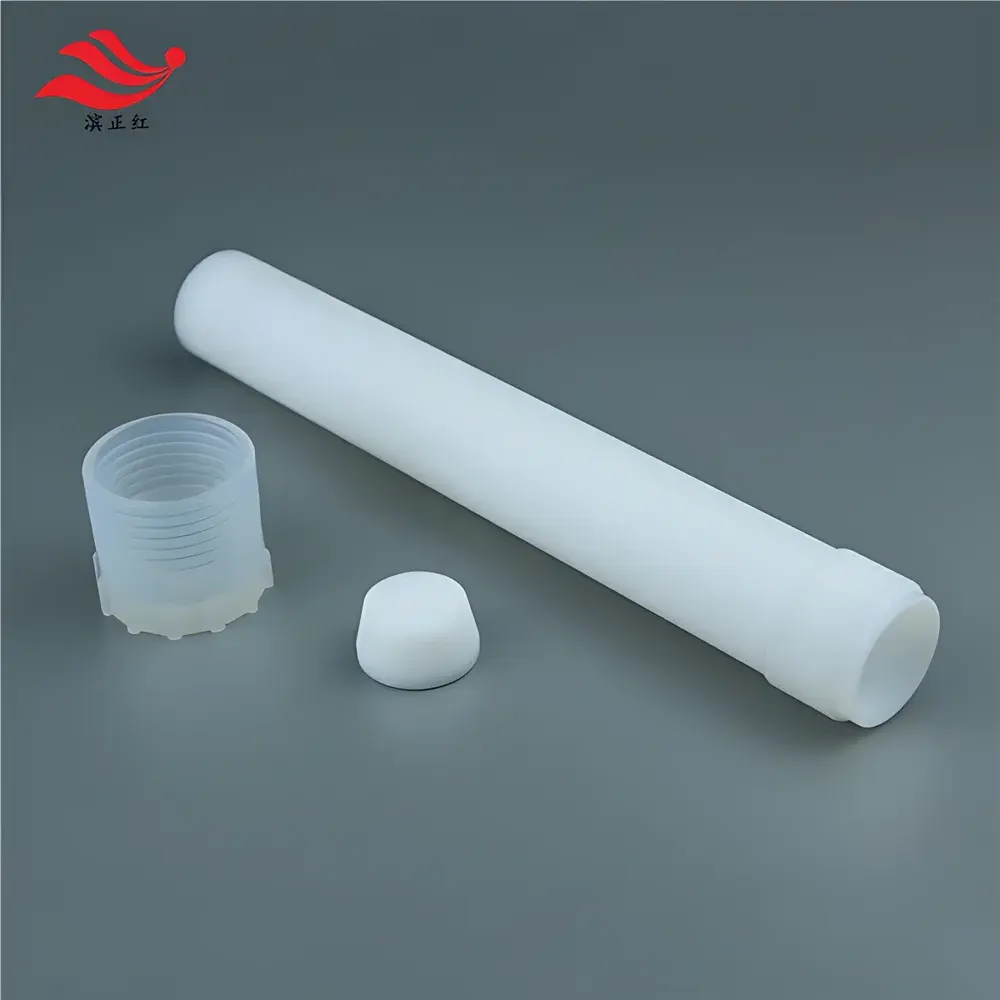
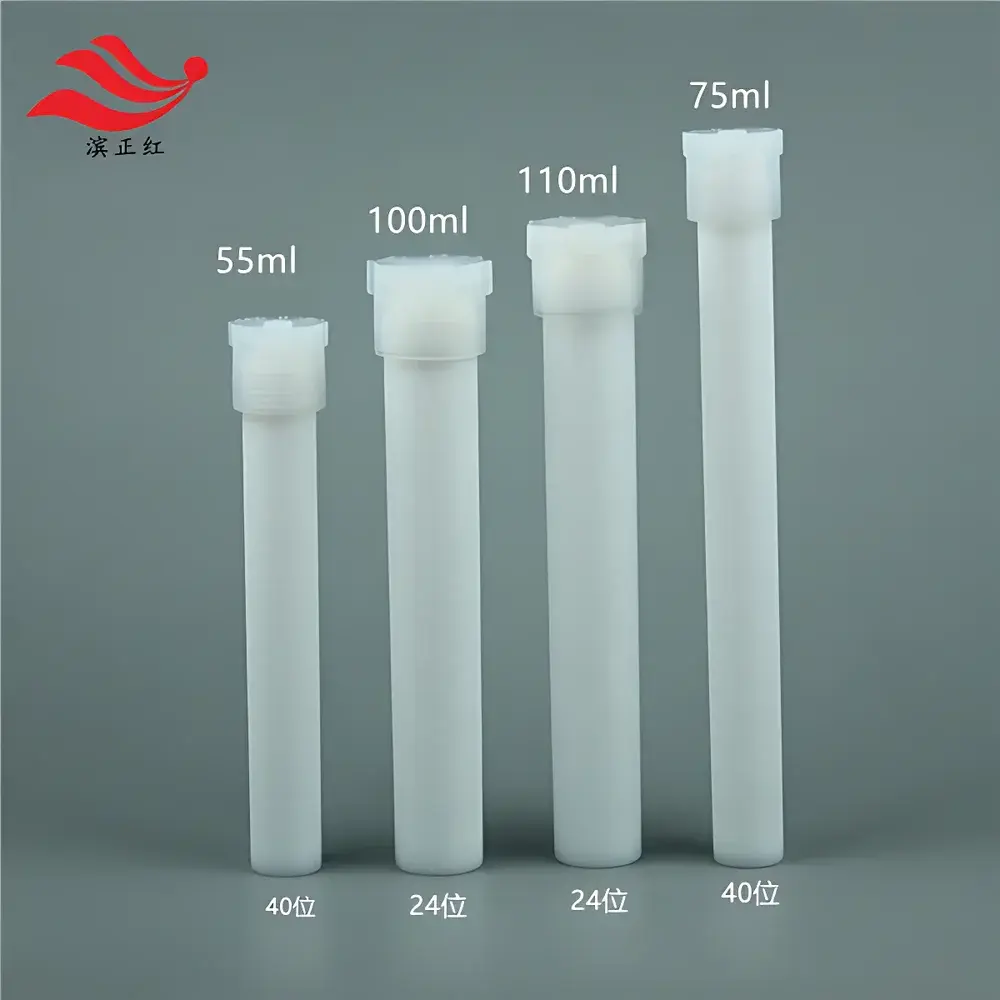
Binzhenghong MARS5-40 Position 55 mL Microwave Digestion Vessels for CEM EXPRESS Systems
| Brand | Binzhenghong |
|---|---|
| Origin | Jiangsu, China |
| Manufacturer Type | OEM/ODM Producer |
| Country of Origin | China |
| Model | MARS5/MARS6–40 Position, 55 mL Capacity |
| Compatible Instruments | CEM MARS5, MARS6, XP55T, EXPRESS, OneTouch, MARS6 CLASSIC |
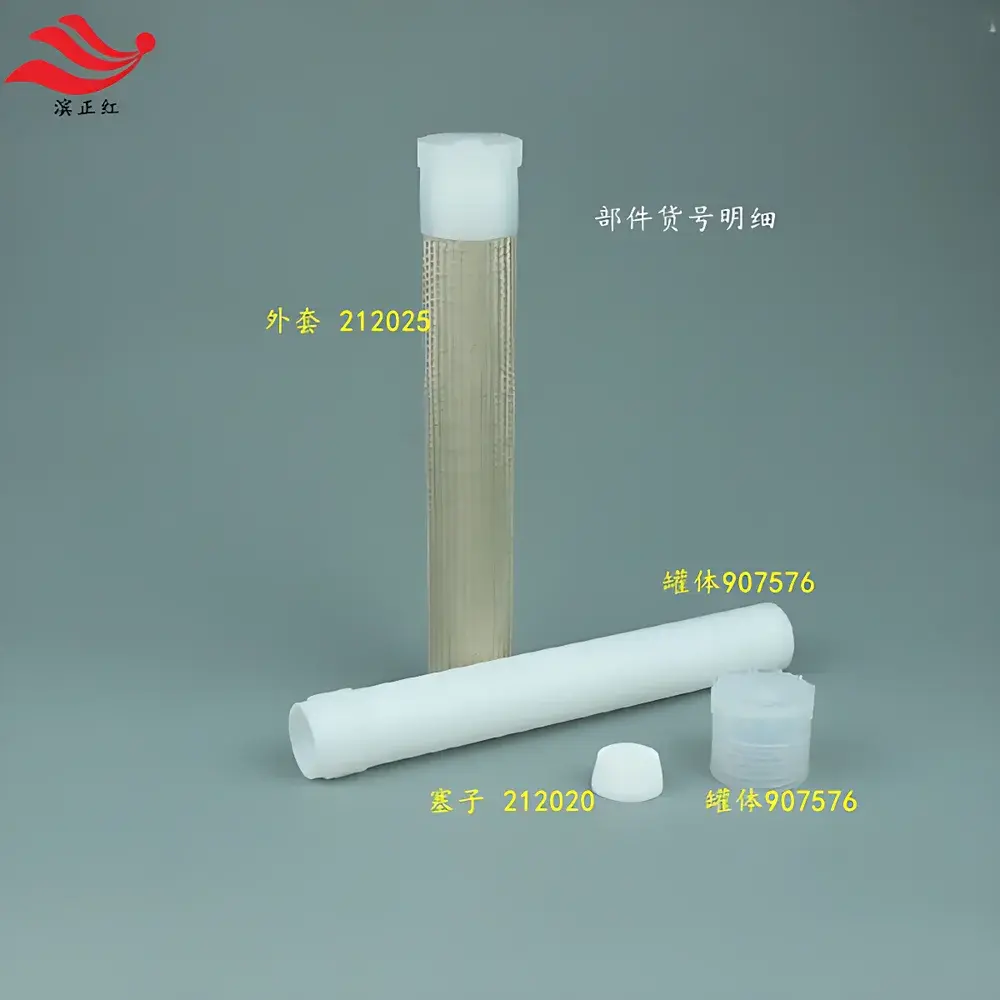
| Inner Vessel Material | TFM body, PFA lid, TFM or PTFE gasket |
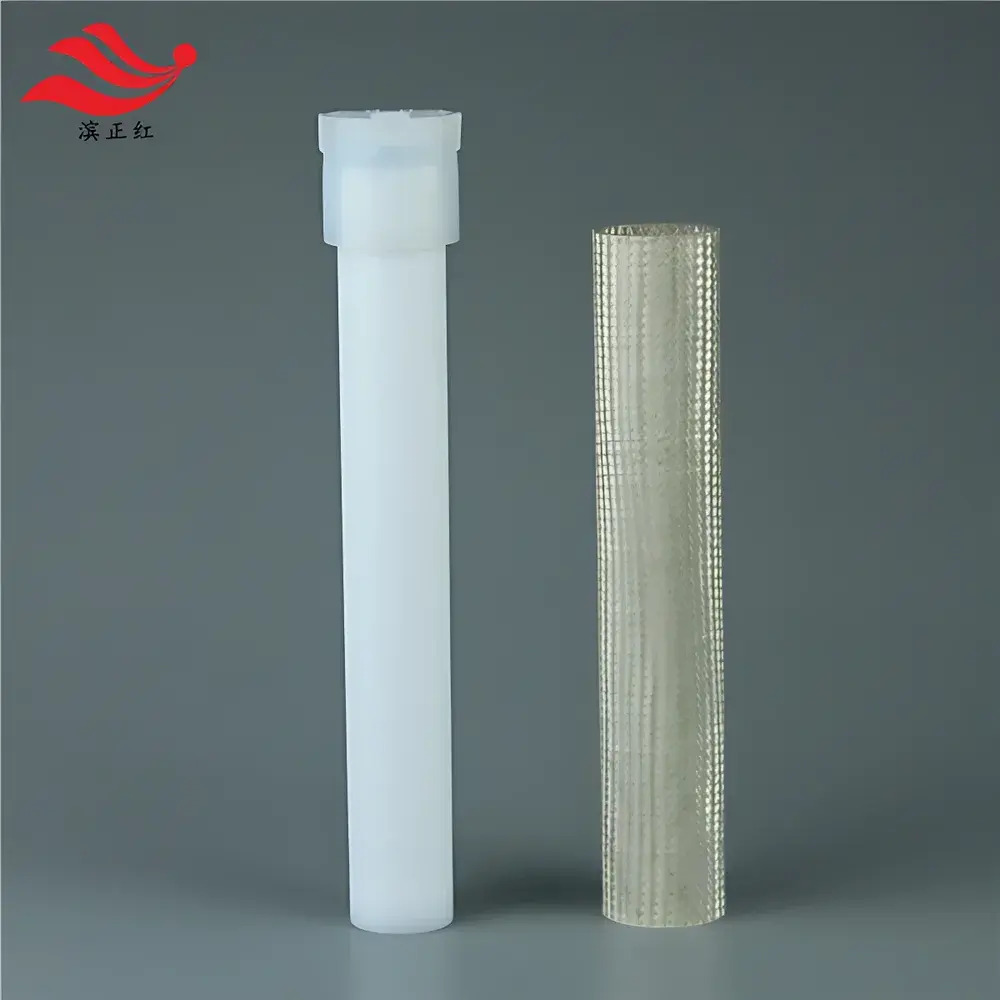
| Outer Vessel Material | Aerospace-grade fiber-reinforced composite (Kevlar®-based) |
| Temperature Range | –200 °C to +260 °C (optional +300 °C rating available) |
| Dimensions (55 mL) | Total Height 203 mm, Body Height 191 mm, Outer Diameter φ26 mm, Inner Diameter φ20 mm |
| Catalog Numbers | Body + Lid (907576), Cap Plug (212020), Outer Sleeve (212025) |
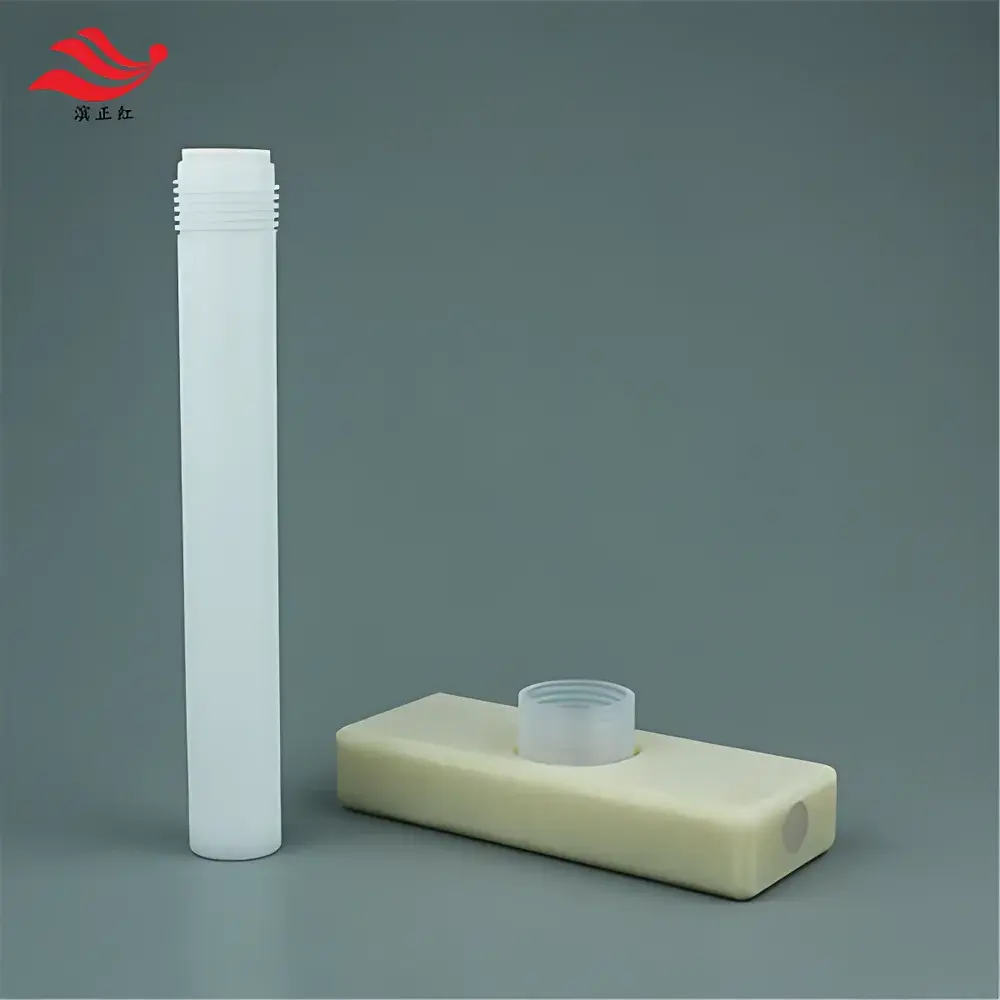
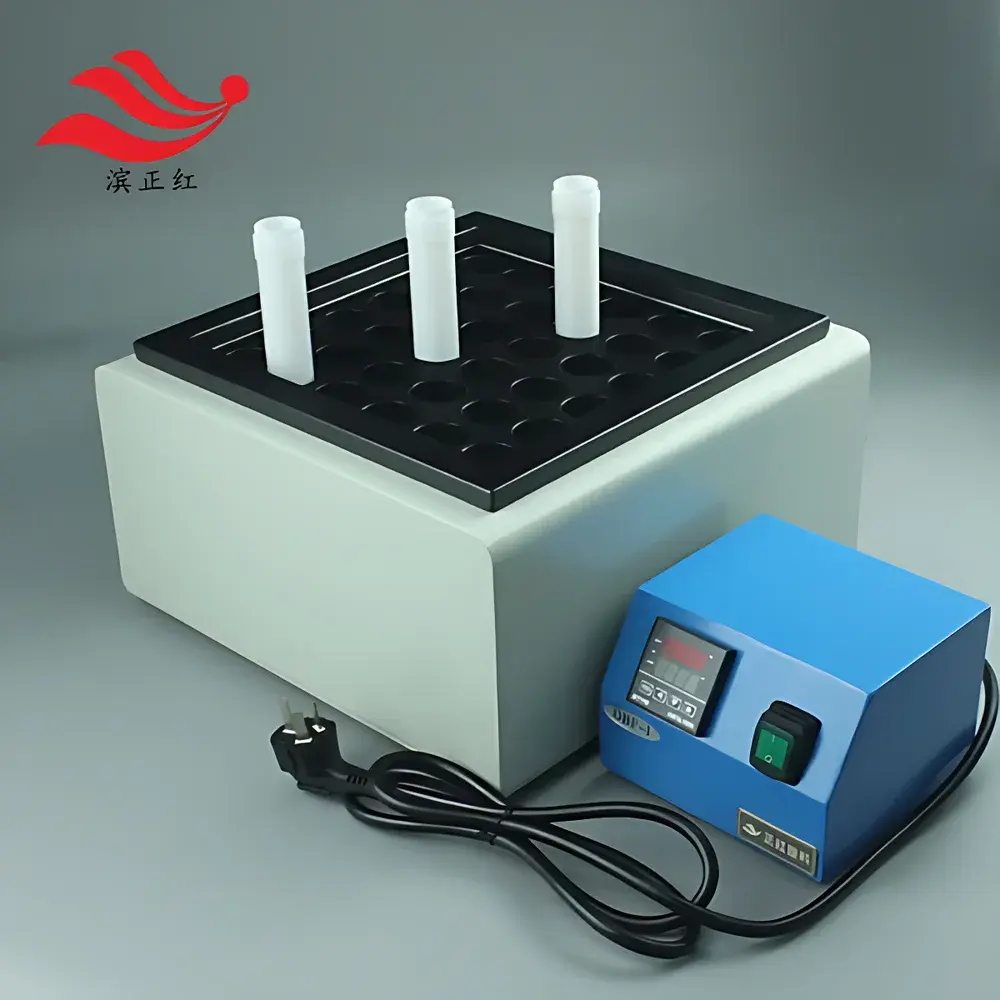
| Optional Accessories | Graphite block digesters (ZH-XJ-24/40/42孔, 29 × 160–170 mm), vessel racks, rotors, torque-assisted opening tools |
Overview
The Binzhenghong MARS5-40 Position 55 mL Microwave Digestion Vessels are engineered for high-throughput, reproducible sample preparation in regulated and research-intensive laboratories. Designed as direct-fit consumables for CEM’s EXPRESS, MARS5, MARS6, XP55T, OneTouch, and MARS6 CLASSIC microwave digestion systems, these vessels operate on the principle of closed-vessel microwave-assisted acid digestion—enabling rapid, controlled decomposition of organic and inorganic matrices under elevated temperature and pressure conditions. The system leverages dielectric heating to accelerate oxidative reactions between concentrated acids (e.g., HNO₃, HCl, HF, H₂O₂) and solid samples, yielding clear, particle-free solutions suitable for downstream elemental analysis by ICP-OES, ICP-MS, AAS, or IC. Each 55 mL vessel is constructed with material compatibility and thermal safety as primary design criteria, supporting routine operation up to 260 °C and transient excursions to 300 °C where validated.
Key Features
- Chemically inert inner vessel assembly: TFM fluoropolymer body ensures exceptional resistance to hydrofluoric acid, aqua regia, and hot concentrated oxidants; PFA lid provides low-extractable sealing integrity and thermal stability; TFM or PTFE gaskets maintain consistent compression sealing across repeated thermal cycles.
- Structurally robust outer containment: Aerospace-grade Kevlar®-reinforced composite sleeves absorb internal overpressure events and provide mechanical protection during automated rotor handling—critical for 40-position high-capacity digestion runs.
- Precision-engineered dimensional consistency: Uniform inner diameter (φ20 mm) and wall thickness enable predictable microwave coupling and homogeneous energy distribution across all 40 positions, minimizing inter-vessel variability in digestion efficiency.
- Modular compatibility: Interchangeable with multiple CEM platforms without adapter modification; supports optional accessories including graphite block evaporators (ZH-XJ series, 24/40/42-hole, 29 × 160–170 mm format), dedicated vessel racks, torque-controlled opening tools, and replacement rotors.
- Trace-metal-clean manufacturing: Produced in ISO 8 cleanroom environments with rigorous lot-level certification for extractables testing; each batch accompanied by CoA documenting heavy metal background (Pb, Cd, As, Cr, Ni & Cu < 10 pg/g).
Sample Compatibility & Compliance
These digestion vessels accommodate a broad spectrum of sample types—including soils, sediments, biological tissues, polymers, catalysts, and metallurgical alloys—provided they conform to standard microwave digestion safety protocols. Organic-rich samples (e.g., plant matter, food, pharmaceuticals) must be processed separately from inorganic matrices (e.g., ores, ceramics, glass) to prevent uncontrolled exothermic cascades and cross-contamination. Sample particle size should be ≤100 µm for solids; metals must be finely ground or cut into thin foils to mitigate arcing risks. All procedures align with ASTM D5511, EPA Method 3051A/3052, ISO 11885, and USP guidelines. When used within validated instrument methods and paired with appropriate QA/QC controls (blanks, CRMs, duplicates), data generated meets GLP and GMP documentation requirements per FDA 21 CFR Part 11 when integrated with compliant LIMS or CEM’s EASY Control software audit trail functionality.
Software & Data Management
While the vessels themselves are passive consumables, their performance is fully traceable within CEM’s ecosystem. When operated on EXPRESS or MARS6 platforms equipped with SmartScan™ or Auto-Tune™ sensors, real-time temperature and pressure telemetry from each vessel position is logged with timestamped metadata. Vessel-specific calibration offsets (e.g., thermal lag compensation) can be assigned via EASY Control v5.2+ or Insight software, ensuring accurate method transfer across instruments. Batch records—including vessel lot numbers, digestion program IDs, operator credentials, and environmental logs—are exportable in CSV or PDF for regulatory submission. Full electronic signatures and audit trails comply with 21 CFR Part 11 when deployed with validated server infrastructure and user access controls.
Applications
- Environmental monitoring: Heavy metal quantification (As, Cd, Pb, Hg, Cr) in EPA SW-846 compliant soil and wastewater sludge digests.
- Clinical & forensic toxicology: Recovery of trace elements (Se, Zn, Cu, Fe) from whole blood, hair, and tissue biopsies prior to ICP-MS analysis.
- Geochemical exploration: Multi-element dissolution of silicate rocks and mineral concentrates using HF-HNO₃-HCl mixtures at 220 °C/80 bar.
- Materials science: Leaching studies of catalyst supports, battery cathode materials, and nanocomposites under aggressive oxidative conditions.
- Food safety compliance: Determination of regulated contaminants (e.g., Al, Sn, Sb) in canned goods, infant formula, and dietary supplements per EU Commission Regulation (EC) No 1881/2006.
FAQ
Can organic and inorganic samples be processed simultaneously in the same digestion run?
No. Organic matrices generate rapid CO₂ and NOₓ evolution under microwave irradiation, leading to unpredictable pressure spikes that compromise digestion uniformity and may exceed safe operating limits for inorganic-only methods. Segregated runs are mandatory per CEM Application Note AN-107.
What is the recommended cleaning protocol for extended vessel lifetime?
After each use, rinse thoroughly with deionized water, followed by immersion in 10% v/v nitric acid for ≥12 hours. Air-dry in a Class 100 laminar flow hood. Avoid abrasive brushes or ultrasonic agitation with alkaline solutions, which degrade TFM surface morphology over time.
Is it permissible to exceed the rated 260 °C operating limit?
A limited number of lots are qualified for short-duration exposure up to 300 °C (≤15 min hold time) under nitrogen purge and with pressure-rated outer sleeves. Such use requires prior validation per ISO/IEC 17025 clause 5.4.2 and must be documented in the laboratory’s SOP.
How often should outer sleeves be replaced?
Inspect visually before each use for microcracks, delamination, or discoloration. Replace after 100 digestion cycles or immediately upon detection of fiber fraying—even if no visible failure is present—as structural integrity cannot be verified non-destructively.



