
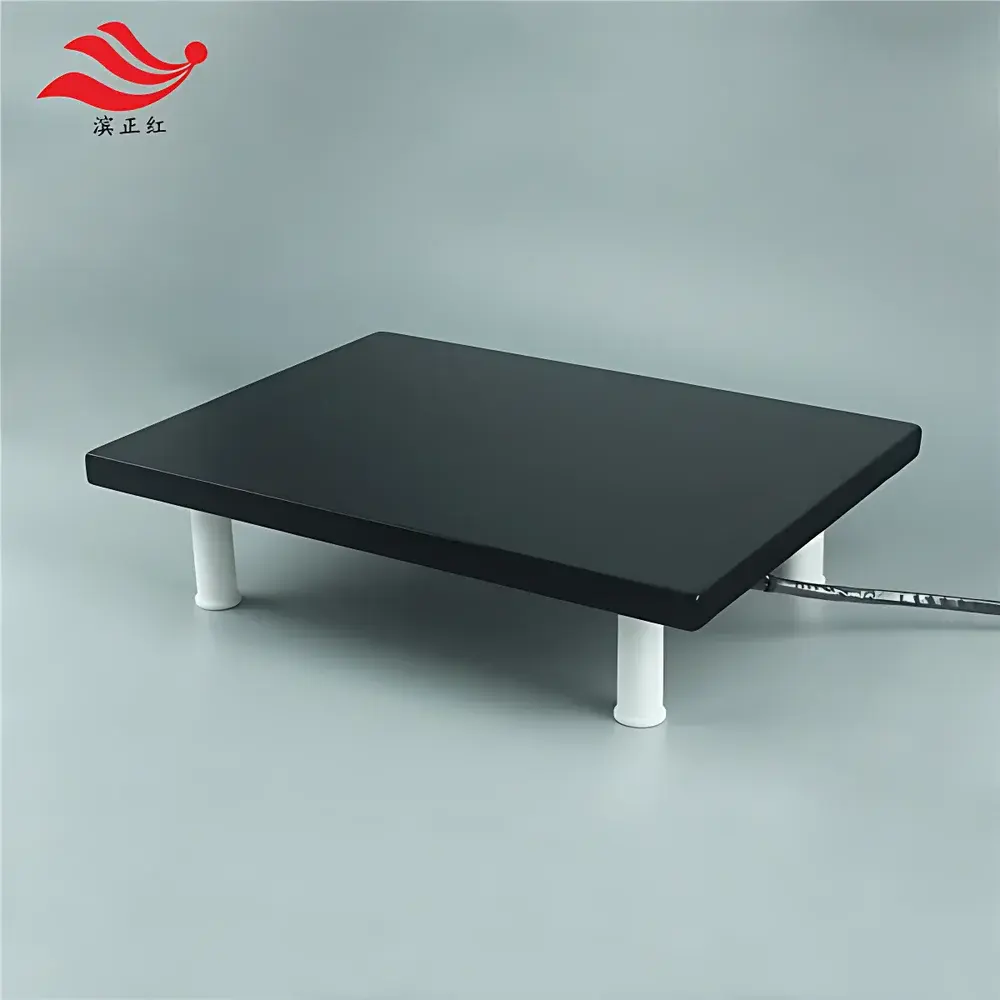
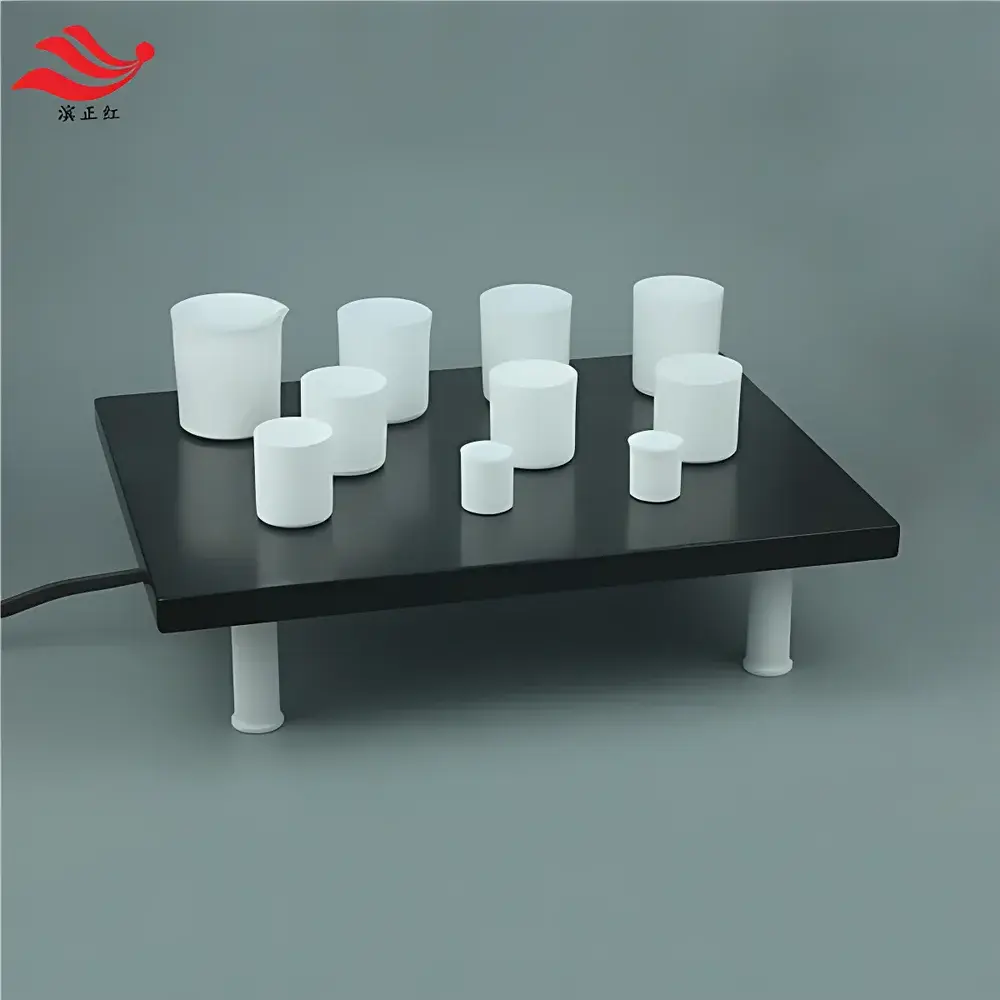
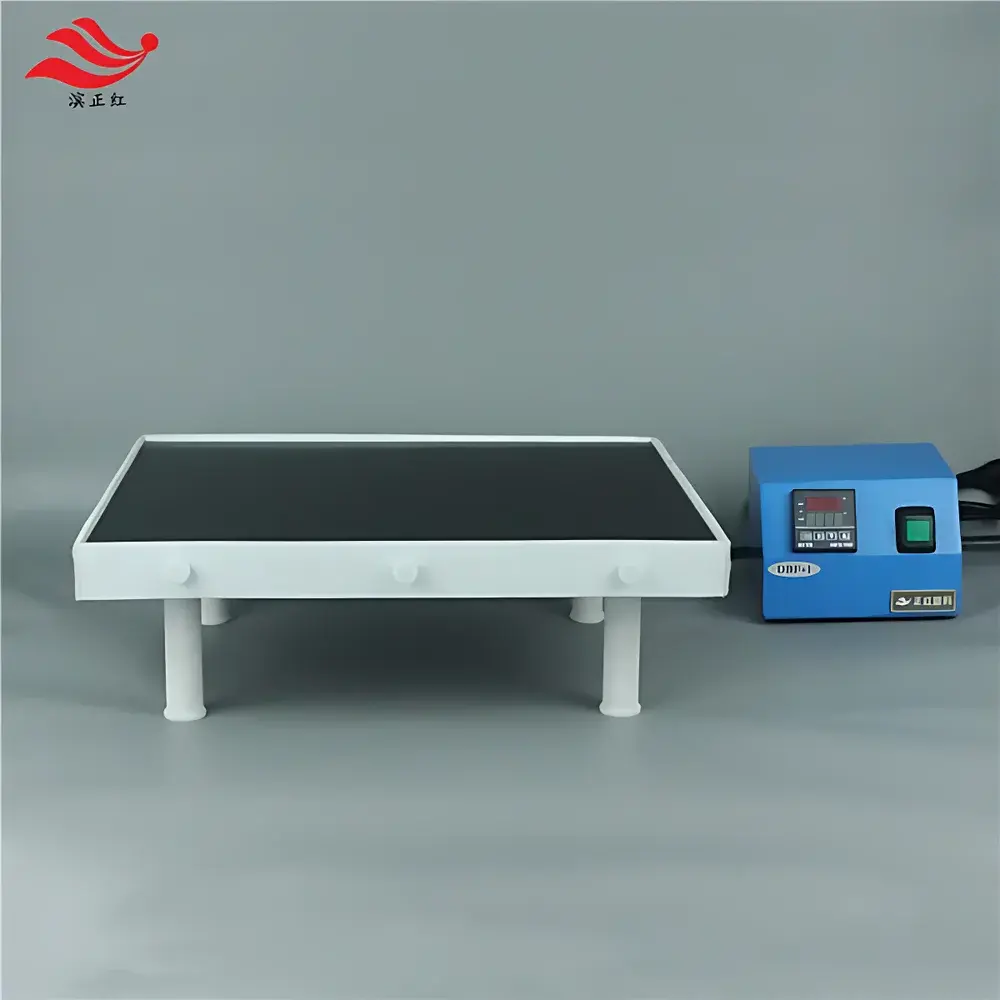
Binzhenghong NJ-DBF Series PID-Controlled Corrosion-Resistant Electric Heating Plate with Aluminum or Graphite Heating Surface
| Brand | Binzhenghong |
|---|---|
| Origin | Jiangsu, China |
| Manufacturer Type | Direct Manufacturer |
| Country of Origin | China |
| Model | NJ-DBF-I / NJ-DBF-II / NF-DBF(SM)-I / NF-DBF(SM)-II |
| Heating Power | 2 kW / 3 kW |
| Max Operating Temperature | Up to 350 °C (ambient to 350 °C) |
| Temperature Uniformity | ±1 °C across heating zone |
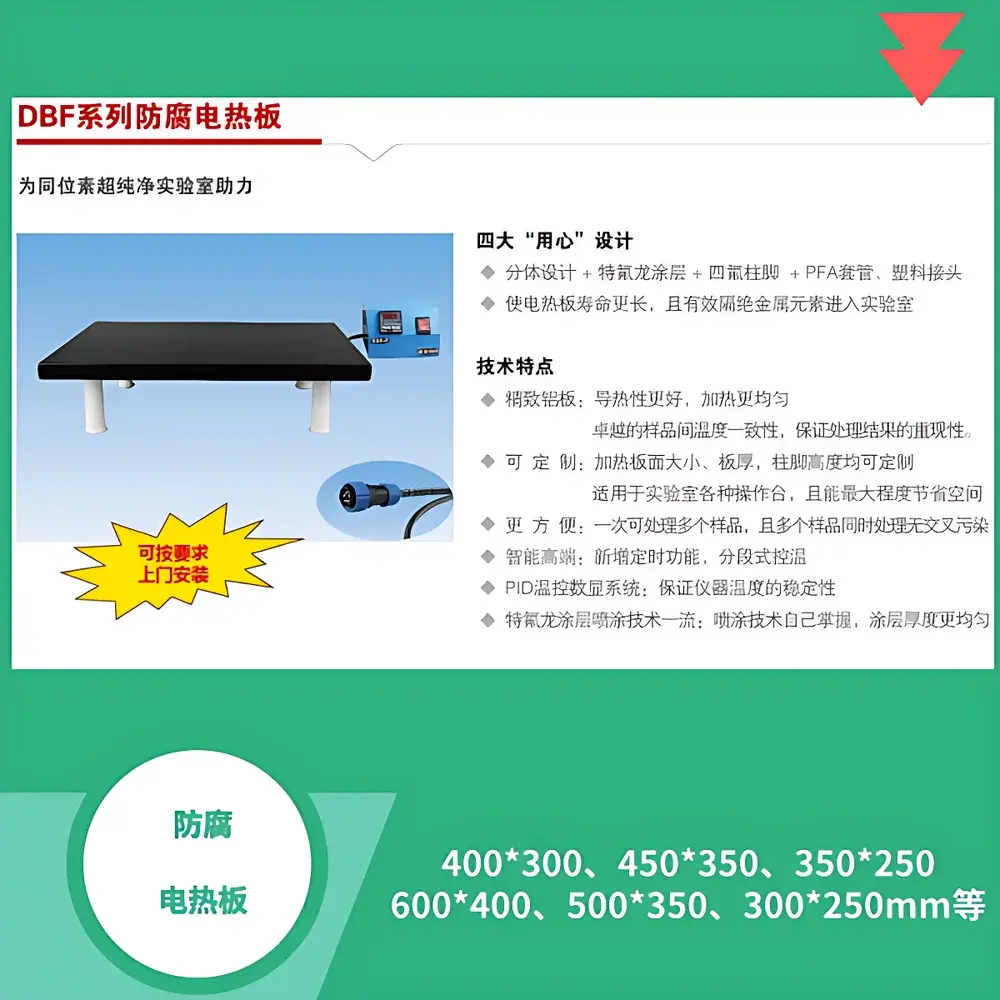
| Heating Surface Dimensions | 400×300 mm, 600×400 mm, 450×350 mm (customizable) |
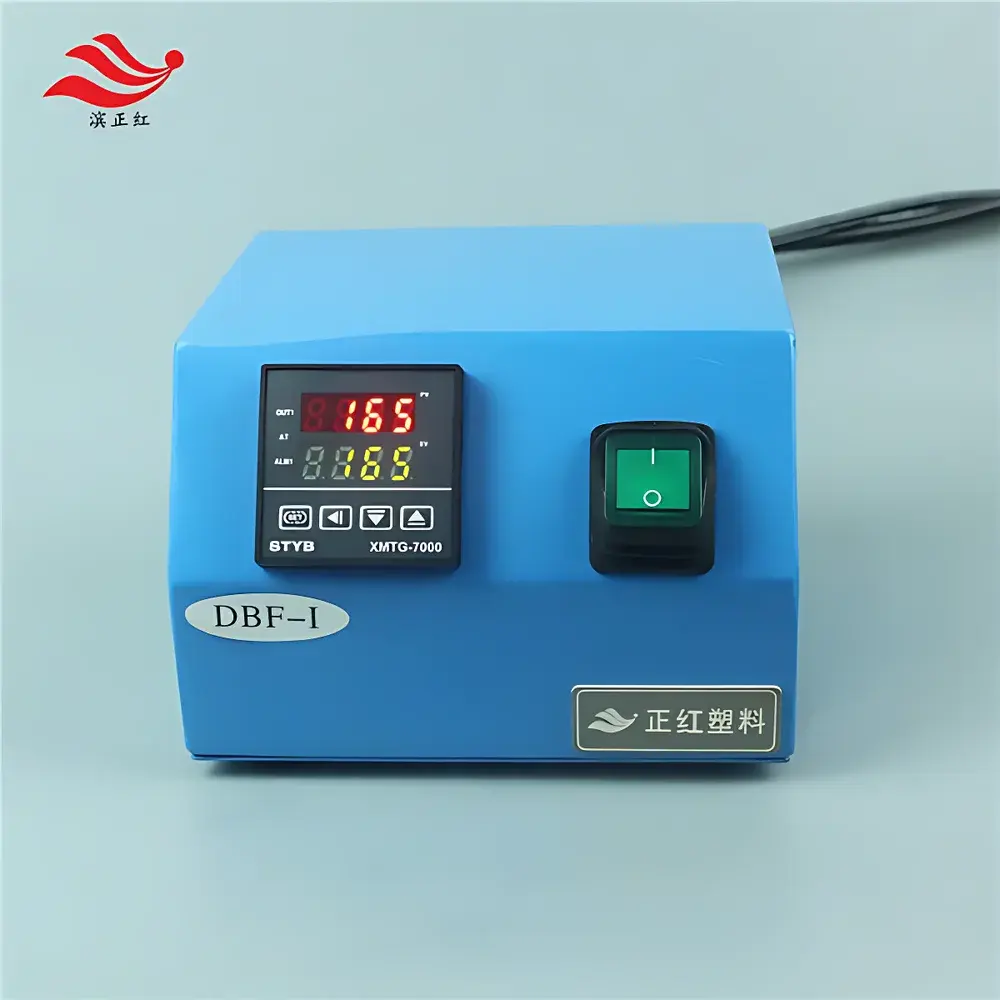
| Control Method | PID digital temperature controller with LED display |
| Temperature Accuracy | ±1 °C |
| Continuous Operation Time | ≥48 h |
| Input Voltage/Frequency | 220 V / 50 Hz |
| Construction | Cast aluminum or high-purity graphite heating block with PTFE coating |
| External Components | PFA-insulated signal cable, aviation-grade connectors, PTFE-coated leveling feet |
| Compliance | Designed for GLP-compliant sample preparation workflows |
Overview
The Binzhenghong NJ-DBF Series is a laboratory-grade, corrosion-resistant electric heating plate engineered for precise, uniform, and chemically inert thermal treatment of samples during digestion, evaporation, concentration, and solvent removal procedures. Unlike conventional stainless-steel or ceramic hotplates, this instrument integrates either a precision-cast aluminum or high-density graphite heating surface—both fully coated with polytetrafluoroethylene (PTFE) to eliminate metal ion leaching and ensure compatibility with aggressive reagents including concentrated HNO₃, HF, aqua regia, and alkaline fusion mixtures. Its operation is based on resistive heating combined with closed-loop PID feedback control, delivering stable thermal output over extended durations (≥48 h) without drift. The unit is explicitly designed for integration into regulated analytical environments where material integrity, trace-metal cleanliness, and long-term repeatability are critical—such as environmental testing labs (EPA Method 3050B/3052), food safety QA/QC facilities, and geochemical laboratories performing ICP-MS sample prep.
Key Features
- Corrosion-immune construction: All exposed surfaces—including housing, heating block, leveling feet, and cable sheathing—are coated with high-temperature PTFE or encapsulated in perfluoroalkoxy (PFA) polymer, eliminating metallic contact with lab atmosphere or reagents.
- Modular split-body architecture: Controller unit separates from the heating base via an aviation-grade connector, enabling remote placement outside fume hoods to protect electronics from corrosive vapors and condensates.
- Two substrate options: Cast aluminum variant offers rapid thermal response and cost-effective performance; graphite variant provides superior thermal stability, minimal thermal gradient (<±1 °C across 600×400 mm zone), and resistance to thermal shock during rapid ramping.
- Configurable platform sizing: Standard heating zones include 400×300 mm and 600×400 mm, with optional custom dimensions (e.g., 450×350 mm) to accommodate multi-vessel digestion blocks or large-format crucibles.
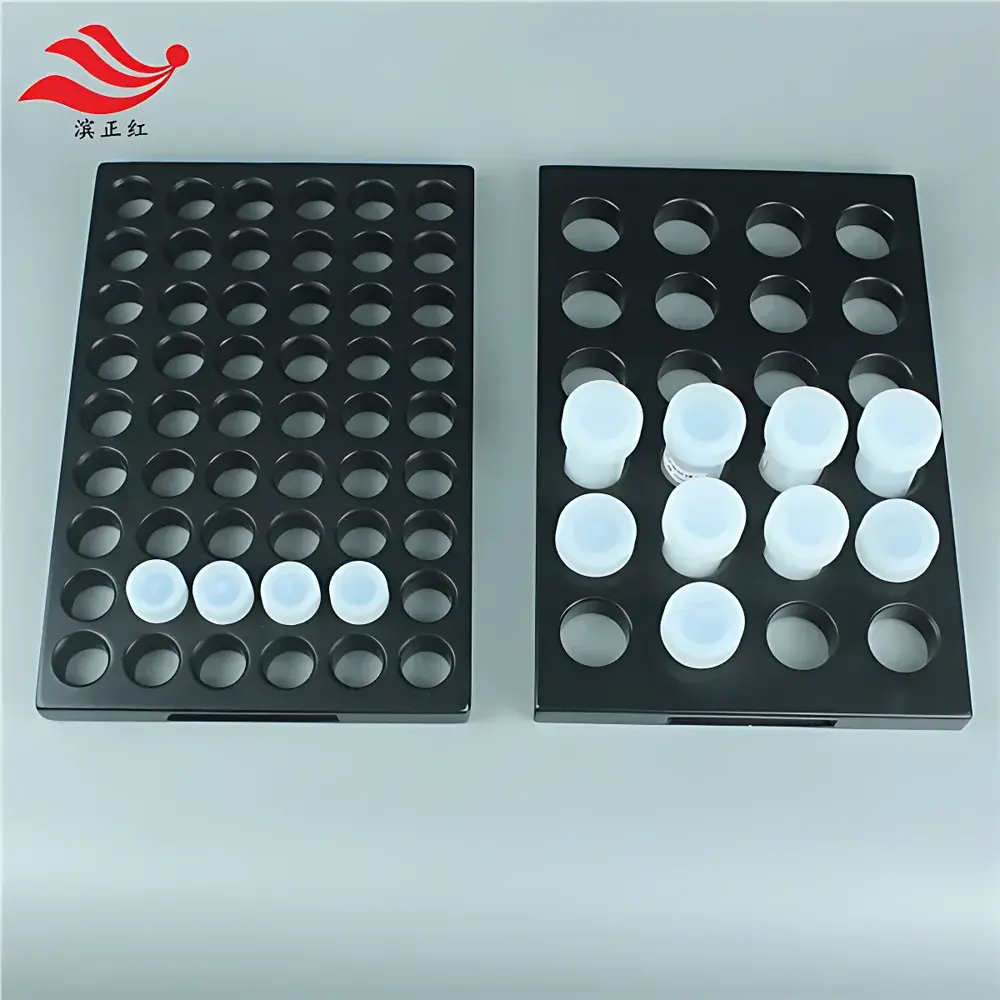
- Dual-purpose accessory compatibility: Supports optional PTFE-coated multi-hole support stands (e.g., 2×200×300 mm for 400×300 mm base; 4×200×300 mm or 2×300×400 mm for 600×400 mm base), enabling simultaneous processing of up to 12 vessels without cross-contamination.
- Robust electrical design: 220 V / 50 Hz input with 2 kW or 3 kW selectable power rating; PFA-insulated signal cable (standard 1.5 m, extendable to 3 m); reinforced PTFE column feet for vibration damping and chemical spill containment.
Sample Compatibility & Compliance
The NJ-DBF Series meets stringent requirements for trace-element analysis workflows. Its PTFE-coated graphite or aluminum surface prevents catalytic decomposition of organic matrices and eliminates background contamination from Fe, Cr, Ni, or Cu—critical for EPA 6020B, ISO 17294-2, and USP heavy metal testing. The absence of exposed ferrous or galvanized components satisfies GLP audit criteria for “no metallic intrusion into sample preparation zones.” Units comply with CE electromagnetic compatibility directives (2014/30/EU) and are validated for use under ISO/IEC 17025-accredited methods requiring documented thermal uniformity and calibration traceability. Optional NIST-traceable temperature verification reports are available upon request.
Software & Data Management
While the base model operates via standalone PID controller with LED display, optional RS-485 or USB interface modules enable integration with LIMS or laboratory automation systems. Firmware supports configurable ramp-soak profiles, real-time temperature logging (with timestamp and operator ID), and export of CSV-formatted thermal history files. Audit trail functionality complies with FDA 21 CFR Part 11 requirements when paired with validated software platforms—ensuring electronic records of setpoint changes, dwell times, and system alerts are securely stored and non-erasable.
Applications
- Acid digestion of soil, sediment, and biological tissues per EPA 3050B, 3052, and ISO 11466.
- Alkaline fusion of silicate minerals using Na₂CO₃/LiBO₂ mixtures at ≤350 °C.
- Controlled evaporation of digestates prior to ICP-OES or ICP-MS analysis.
- Pre-concentration of aqueous standards and calibration solutions.
- Thermal conditioning of PTFE, quartz, or borosilicate glassware prior to ultra-trace analysis.
- Heating of reaction vessels in synthetic chemistry protocols requiring inert, uniform thermal fields.
FAQ
What materials are used for the heating surface, and how do they differ?
The NJ-DBF series offers two certified options: precision-cast aluminum (for rapid heat-up and economical operation) and high-purity graphite (for maximum thermal homogeneity and resistance to thermal cycling degradation). Both are fully PTFE-coated to prevent corrosion and metal leaching.
Is the unit suitable for HF-based digestion protocols?
Yes. All wetted and exposed surfaces—including the heating block, housing, feet, and cable jacket—are PTFE- or PFA-coated, rendering them fully resistant to hydrofluoric acid vapor and liquid contact.
Can temperature calibration be verified independently?
Yes. The unit accepts external PT100 or thermocouple probes via auxiliary input; NIST-traceable calibration certificates are available as an add-on service.
Does the split-body design affect thermal accuracy or stability?
No. The aviation-grade connector ensures low-resistance signal transmission, and PID tuning compensates for minor thermal lag between controller and heating zone—validated at ±1 °C uniformity across full operating range.
Are custom heating zone dimensions supported?
Yes. Non-standard sizes (e.g., 500×300 mm, 700×450 mm) and specialized mounting configurations (e.g., recessed wells, integrated drip trays) can be engineered upon request with lead-time adjustment.



