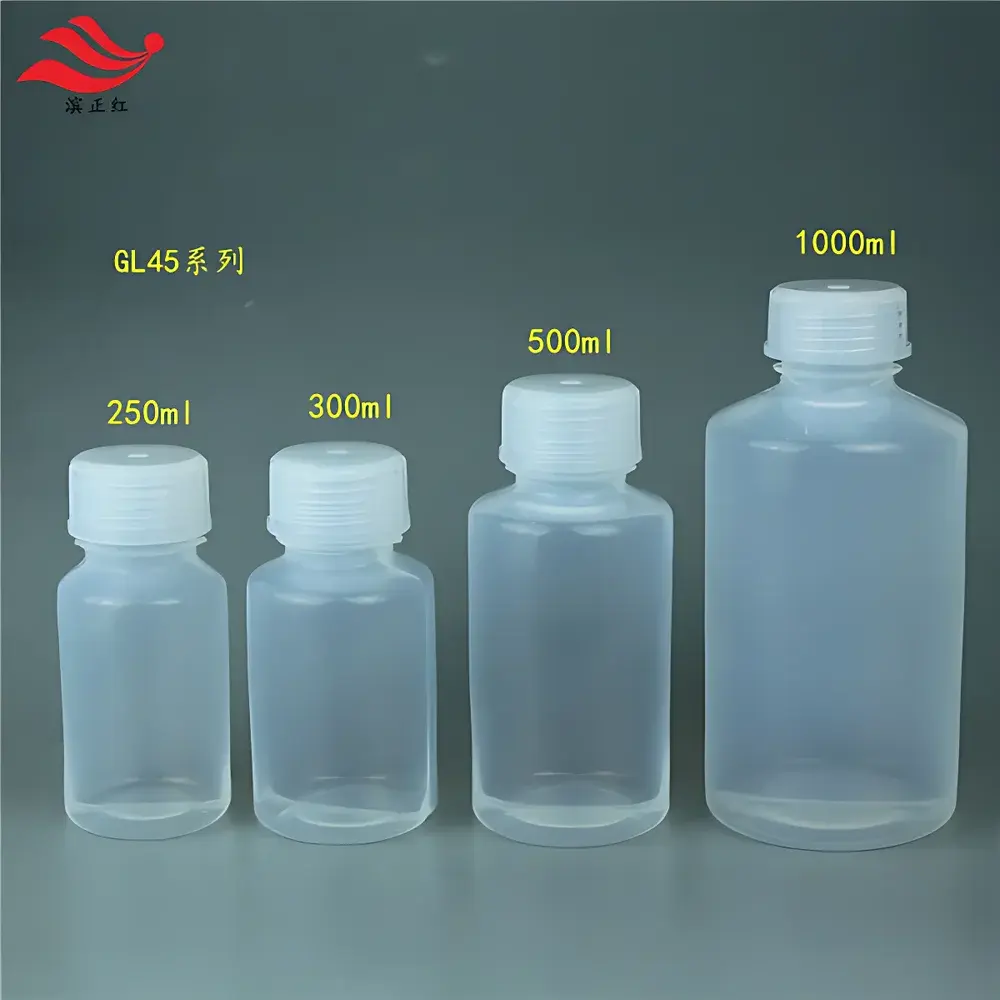
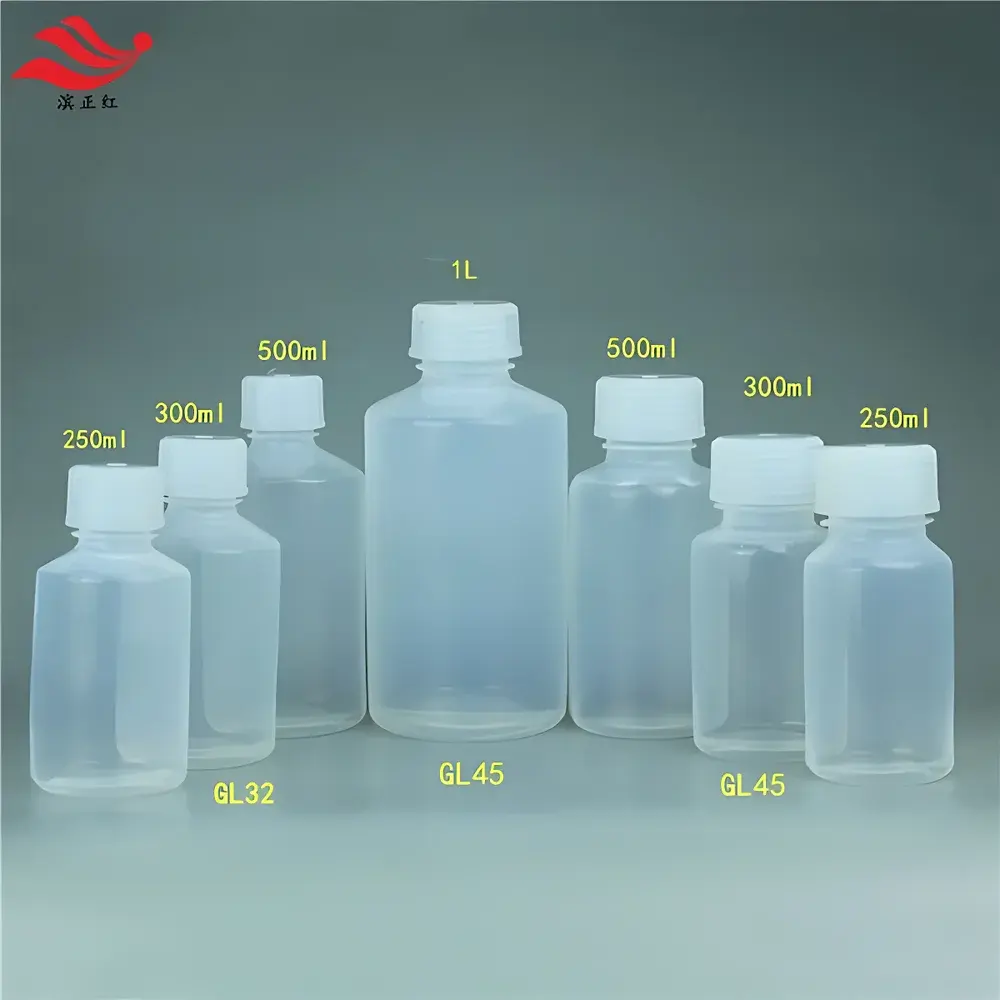
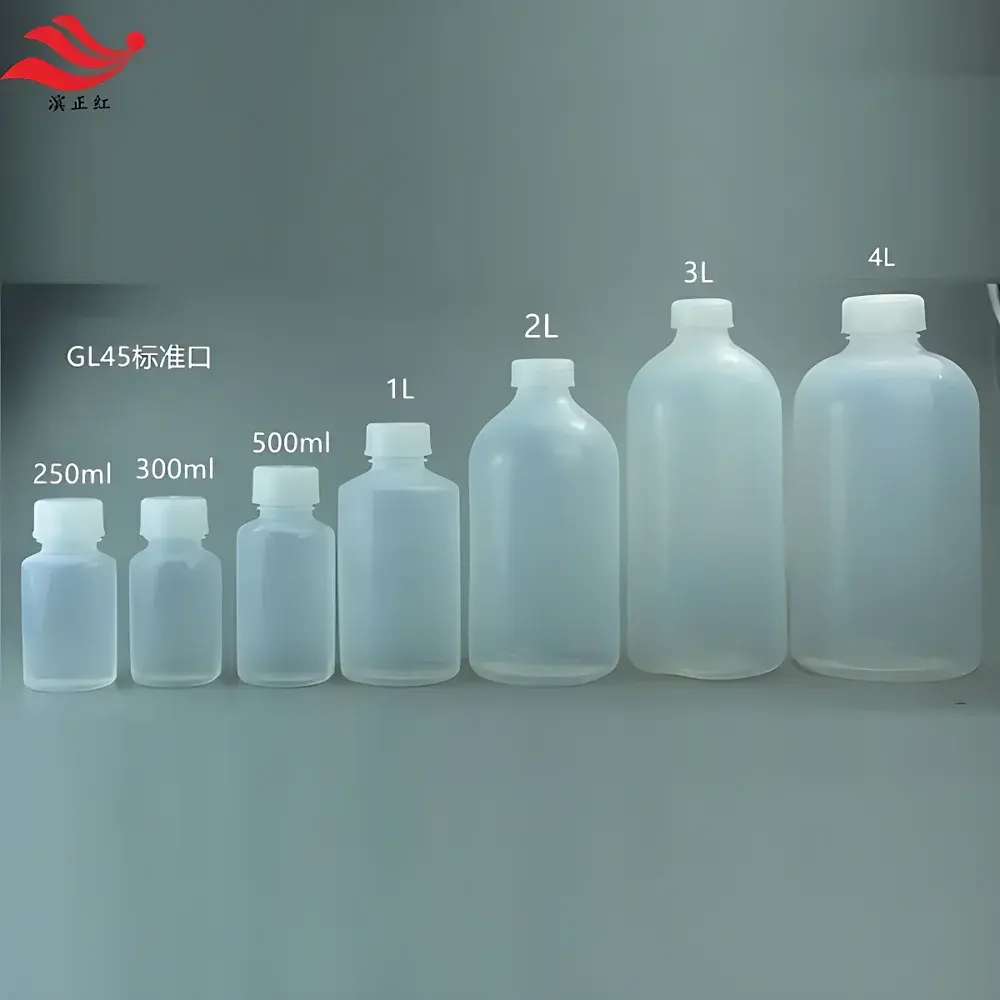
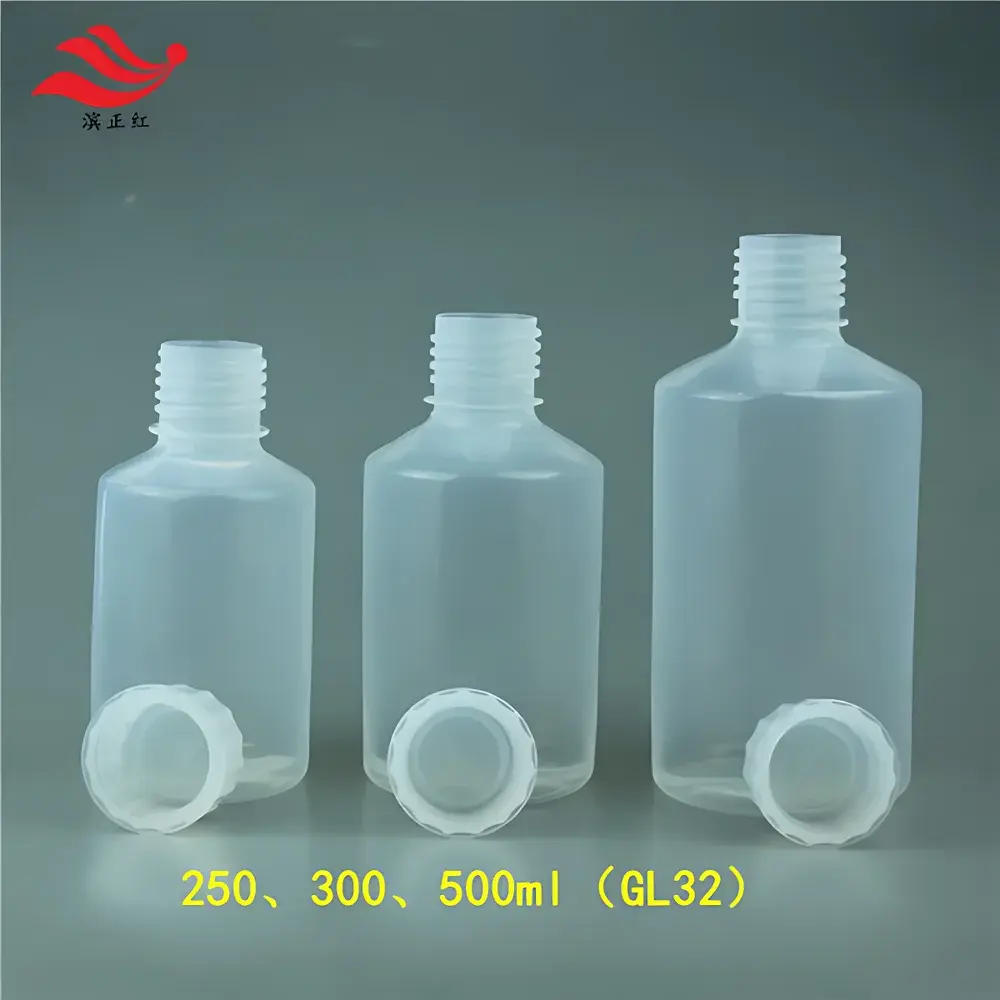
Binzhenghong NJ-SJP Acid- and Alkali-Resistant Transparent Sample Vials for Agilent ICP-7700
| Brand | Binzhenghong |
|---|---|
| Origin | Jiangsu, China |
| Manufacturer Type | Manufacturer |
| Country of Origin | China |
| Model | NJ-SJP |
| Price | Upon Request |
| Material | PEA + FEP (Fluorinated Ethylene Propylene) |
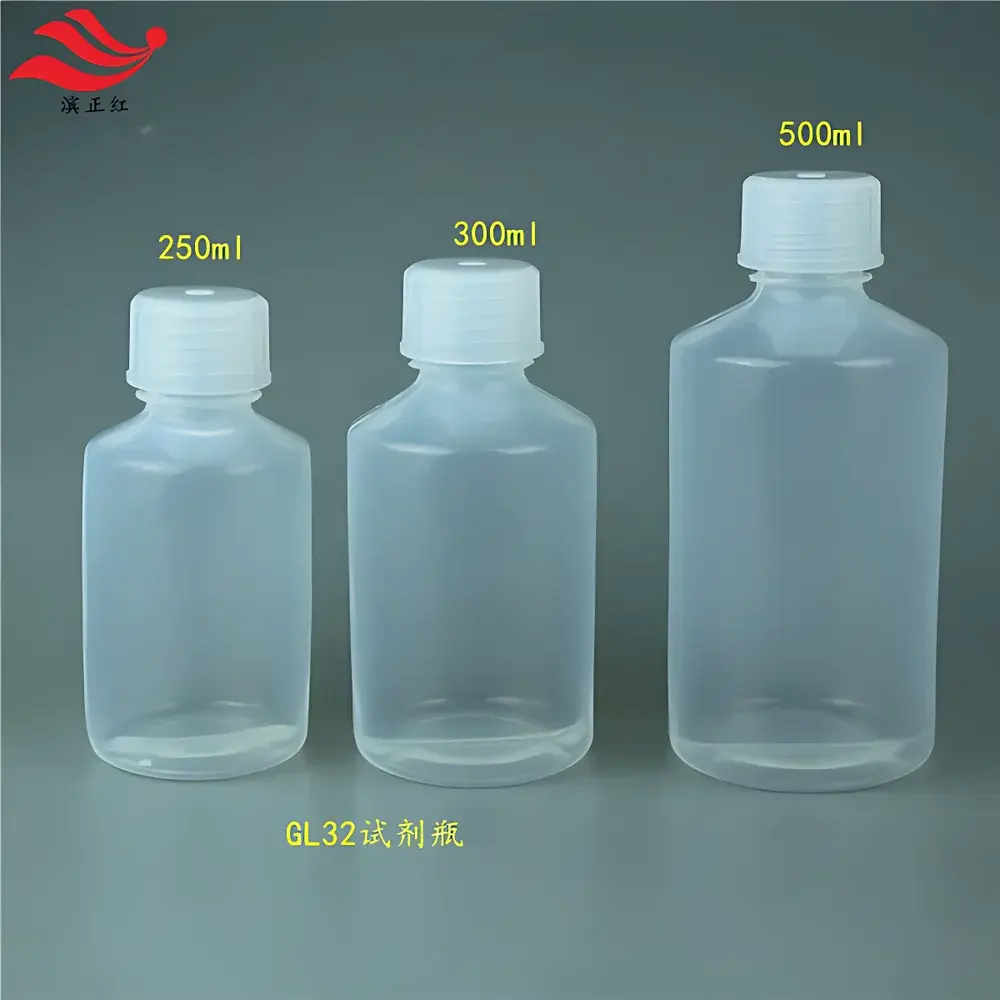
| Neck Size | GL32 / GL45 |
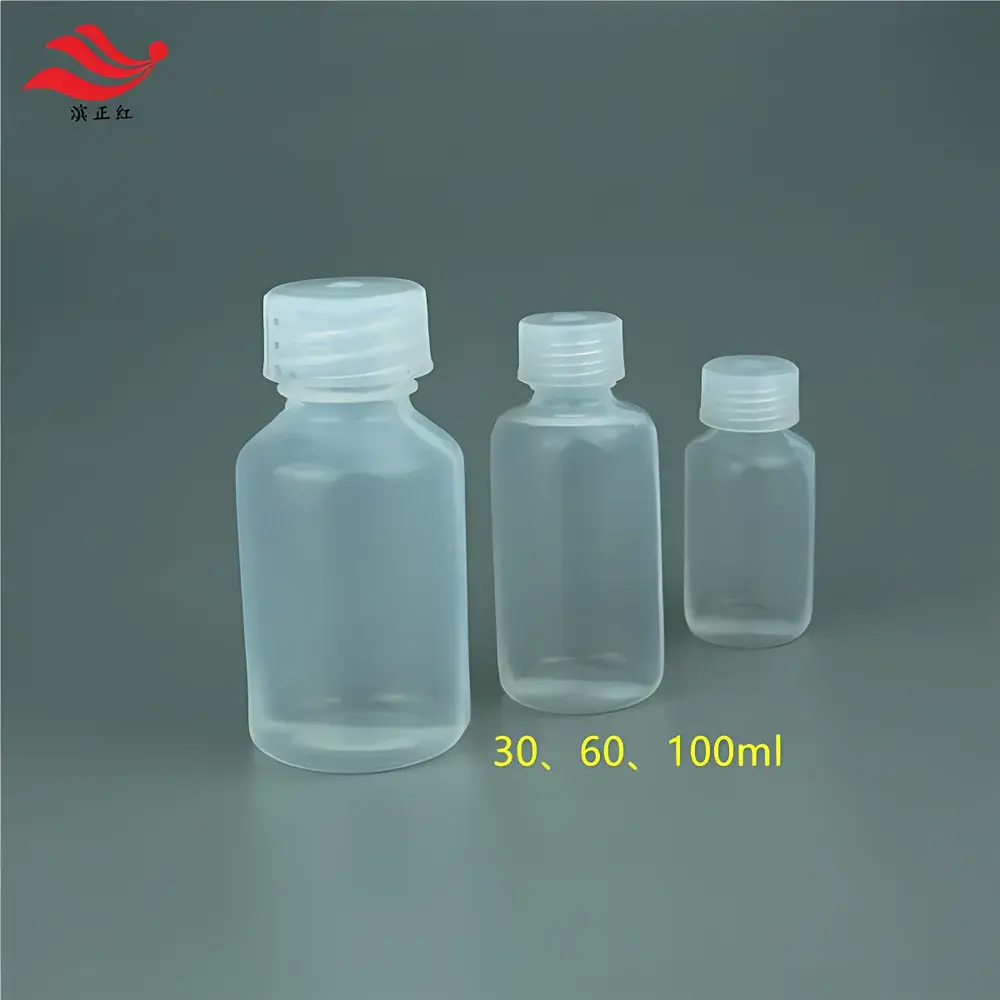
| Volume Options | 25 mL, 30 mL, 60 mL, 100 mL, 250 mL, 300 mL, 400 mL |
| Transparency | Fully Transparent |
| Key Property | Low Extractables & Leachables, Ultra-Low Background Contamination |
Overview
The Binzhenghong NJ-SJP series represents a purpose-engineered line of high-purity, chemically inert sample vials designed specifically for trace-level elemental analysis using inductively coupled plasma mass spectrometry (ICP-MS) and optical emission spectrometry (ICP-OES) platforms—including the Agilent 7700 series. Constructed from a proprietary co-extruded polymer blend of polyethylene acetal (PEA) and fluorinated ethylene propylene (FEP), these vials eliminate metallic ion leaching, organic extractables, and silicate-based interference common in borosilicate glass—critical for achieving sub-ppt detection limits in environmental, pharmaceutical, semiconductor, and clinical laboratories. Unlike conventional polypropylene or HDPE containers, the NJ-SJP formulation delivers long-term dimensional stability under aggressive acid digestion conditions (e.g., HNO₃, HF, HCl, and aqua regia), while maintaining optical clarity for visual inspection and automated barcode scanning. The vials conform to ISO 8573-1 cleanroom particulate classification standards and are manufactured in a Class 10,000 (ISO 7) controlled environment to ensure consistent low-background performance batch after batch.
Key Features
- Ultra-low background contamination: Certified for ≤0.1 pg/mL blank levels for key elements (Al, Ca, Cr, Fe, K, Mg, Na, Ni, Si, Zn) when tested per ASTM D5127–21 protocols
- Chemical resistance validated across pH 0–14: Resists swelling, stress cracking, or permeation during 72-hour exposure to 49% hydrofluoric acid, concentrated nitric acid (69%), and boiling 30% hydrogen peroxide
- GL32 and GL45 standardized neck geometry ensures full compatibility with Agilent autosampler trays, robotic liquid handlers (e.g., Gilson, Hamilton), and screw-cap sealing systems (PTFE-lined caps included)
- Optical transparency enables real-time volume verification and UV-Vis absorbance pre-screening without transfer—reducing cross-contamination risk
- Dimensional precision: Tolerance maintained at ±0.15 mm for height and ±0.1 mm for outer diameter, ensuring repeatable positioning in autosampler racks
- Autoclavable up to 121°C for 20 minutes (steam sterilization), supporting GLP-compliant reusability in regulated QC environments
Sample Compatibility & Compliance
The NJ-SJP vials are routinely employed in EPA Method 200.8, ISO 17294-2:2016, and USP / elemental impurities workflows. Their non-reactive surface prevents catalytic decomposition of peroxides or redox-sensitive analytes (e.g., As(III)/As(V), Cr(III)/Cr(VI)). Batch-certified Certificate of Analysis (CoA) includes ICP-MS trace metal screening data and FTIR spectral confirmation of polymer integrity. All lots comply with RoHS Directive 2011/65/EU and REACH Annex XIV SVHC screening. For FDA-regulated applications, vials support 21 CFR Part 11 audit trails when used with compliant LIMS integration—no silicone lubricants or adhesive labels are used in final packaging to avoid volatile organic compound (VOC) introduction.
Software & Data Management
While physically passive components, NJ-SJP vials integrate seamlessly into digital lab ecosystems via standardized 2D DataMatrix barcodes (ISO/IEC 16022) laser-etched on each vial body. These codes encode lot number, expiration date, volume, and material certification ID—scannable by Agilent MassHunter, Thermo Fisher Qtegra, or LabWare LIMS without manual entry. Barcode durability is verified per ISO/IEC TR 29158 (AIM DPM Grade A), surviving immersion in 10% sodium hypochlorite for >12 hours. Optional serialized tracking enables full chain-of-custody documentation aligned with ISO/IEC 17025:2017 clause 7.5.2 requirements.
Applications
- Trace metal analysis of ultrapure water (UPW) in semiconductor fab monitoring (SEMI F57-0318)
- Leachate testing of parenteral drug containers per USP
- Geochemical reference material preparation (e.g., NIST SRM 2710a, GBW 07307)
- Food safety surveillance for heavy metals (Cd, Pb, Hg, As) under EU Commission Regulation (EC) No 1881/2006
- Radiochemical separation workflows requiring alpha-emitter containment (e.g., U, Th, Pu isotopes)
- Long-term storage of calibration standards (up to 12 months at 4°C with <±2% drift in certified concentrations)
FAQ
Are NJ-SJP vials suitable for hydrofluoric acid (HF) digestion?
Yes. Independent validation confirms no measurable etching or weight loss after 48 h immersion in 49% HF at room temperature. FEP layer provides barrier protection against HF penetration; PEA substrate maintains structural rigidity.
Do these vials meet USP plastic packaging system requirements?
Yes. Each production lot undergoes extractables profiling per USP Protocol B (aqueous and organic simulants), with full analytical reports available upon request.
Can NJ-SJP vials be reused after cleaning?
Yes—provided they undergo validated cleaning per ASTM D4294–22 (acid wash + ultrasonic rinse + Class 100 nitrogen purge) and are inspected for micro-scratches or clouding prior to reuse. Maximum recommended cycles: 5.
Is there lot-to-lot variability in background metal content?
No. Every batch undergoes ICP-MS screening against a 20-element panel using Agilent 8900 ICP-QQQ. Coefficient of variation (CV) across three consecutive batches remains <8% for all target analytes.
What cap types are recommended for long-term storage?
PTFE-faced polypropylene screw caps (catalog #NJ-CAP-GL32/GL45) are supplied standard. For volatile analytes (e.g., Hg⁰, methylmercury), optional crimp-seal aluminum caps with FEP liners are available.