
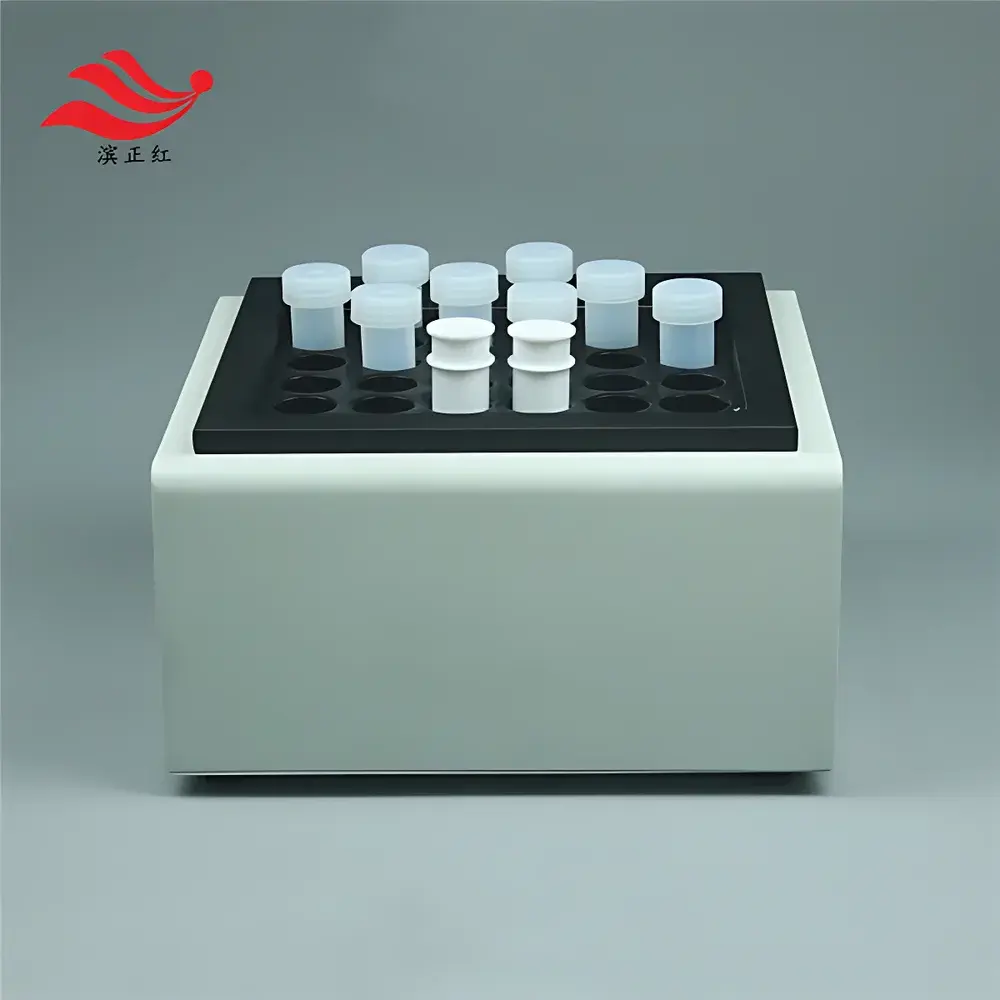
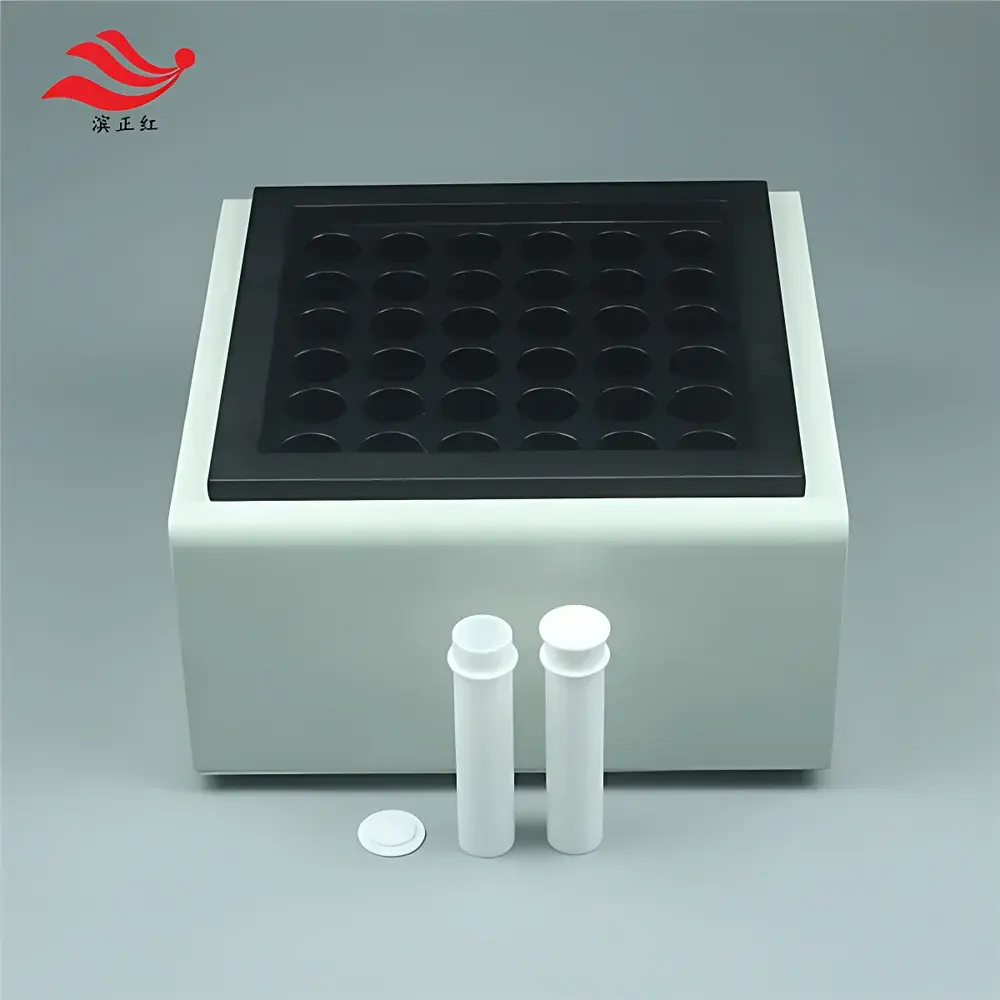
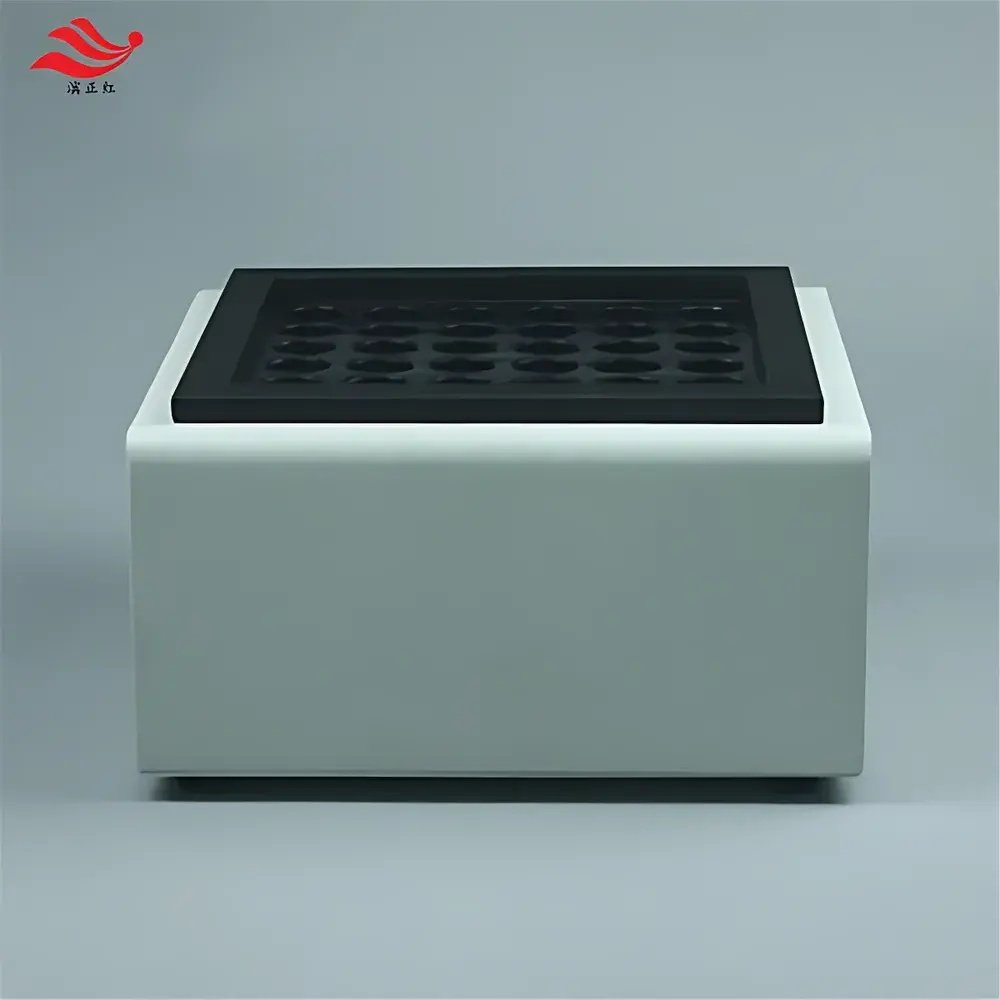
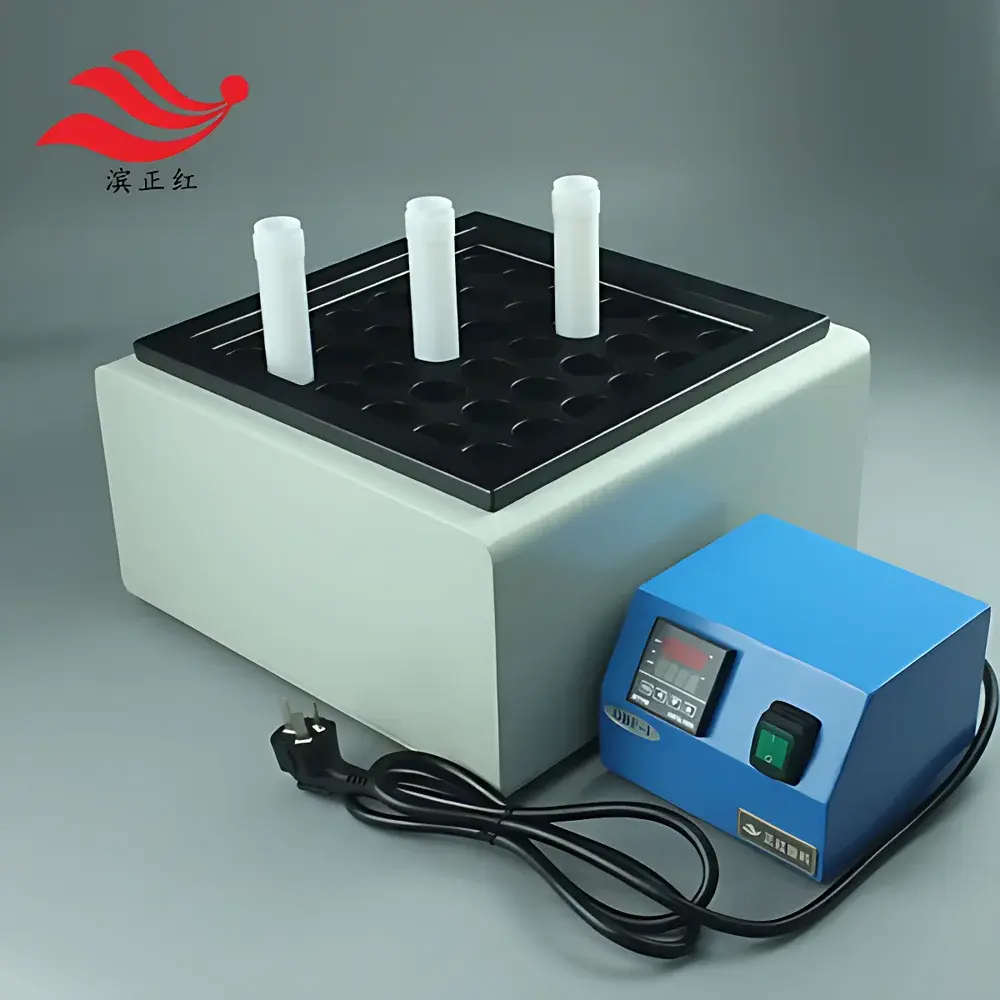
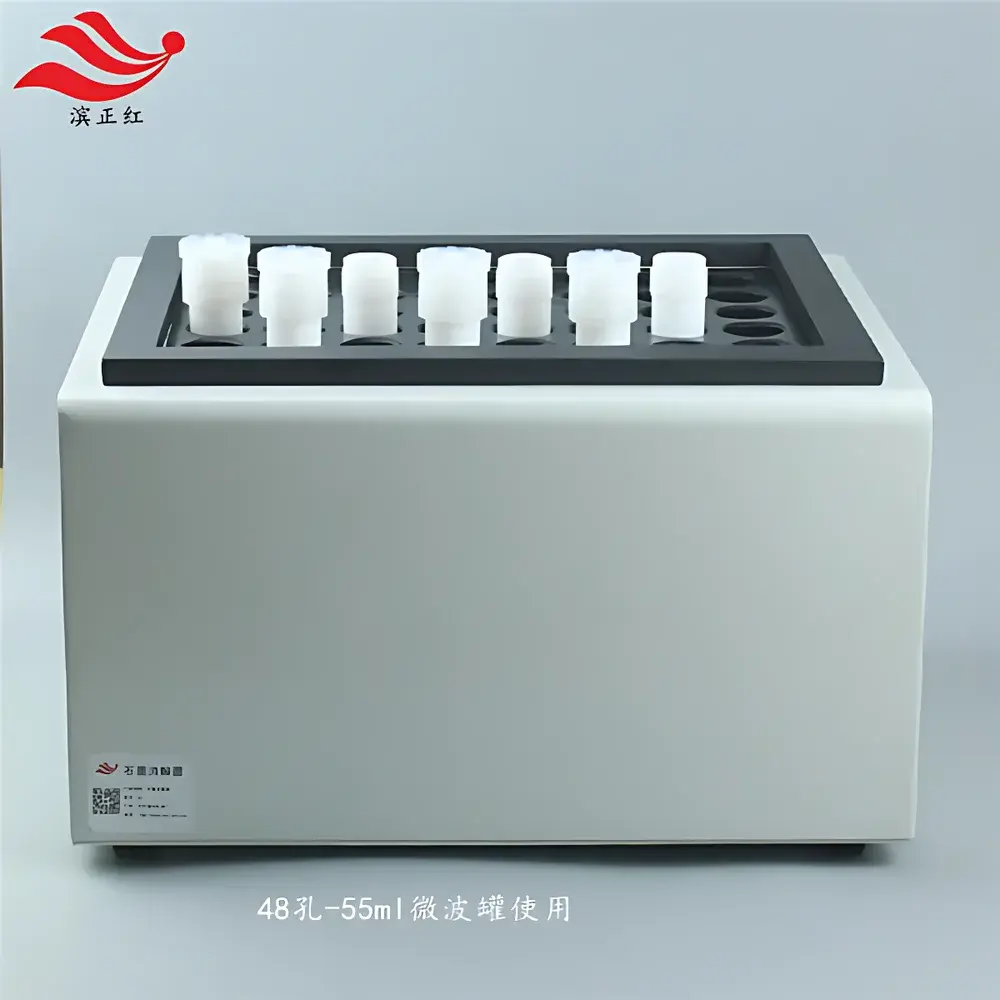
Binzhenghong NJ-XJ 48-Position Graphite Block Digestion System with PTFE Digestion Vessels for Plant Sample Preparation
| Brand | Binzhenghong |
|---|---|
| Origin | Jiangsu, China |
| Manufacturer Type | Direct Manufacturer |
| Heating Power | 1.5–2 kW |
| Max Temperature | 260 °C |
| Temperature Uniformity | ±1 °C |
| Plate Dimensions | 49 × 41 cm |
| Heating Zone Dimensions | 43 × 35 cm |
| Display Type | Digital LED |
Overview
The Binzhenghong NJ-XJ is a precision-engineered 48-position graphite block digestion system designed for high-throughput, reproducible acid digestion of organic and inorganic matrices—particularly plant tissues, soils, sediments, and environmental samples. Unlike conventional hot plates or ceramic heating blocks, this system employs a monolithic, high-density graphite block with integrated heating elements and proprietary PTFE (polytetrafluoroethylene) coating to deliver uniform thermal conduction via radial and axial heat transfer. The graphite matrix ensures exceptional thermal mass stability, minimizing temperature overshoot and enabling precise ramp-and-hold thermal profiles essential for trace metal analysis by ICP-OES, ICP-MS, or AAS. Its design adheres to fundamental principles of conductive thermal digestion: controlled acid reflux, minimal reagent loss, and consistent sample exposure across all 48 positions—critical for regulatory compliance and inter-laboratory comparability.
Key Features
- Monolithic graphite heating block with electropolished PTFE anti-corrosion coating—resistant to concentrated HNO₃, HCl, HF, H₂O₂, and aqua regia at temperatures up to 260 °C
- PID-controlled digital temperature regulation with ±1 °C uniformity across all 48 wells and ≤3 °C plate-to-edge gradient
- Programmable heating protocol support: adjustable ramp rates, multi-step hold times, and automatic cooldown sequences
- Full-enclosure architecture with integrated fume retention collar—reduces acid vapor dispersion and protects electronics from corrosive condensate
- Energy-efficient operation: 1.5–2 kW input power optimized for sustained 140–220 °C operation; typical digestion cycle consumes <0.8 kWh per batch
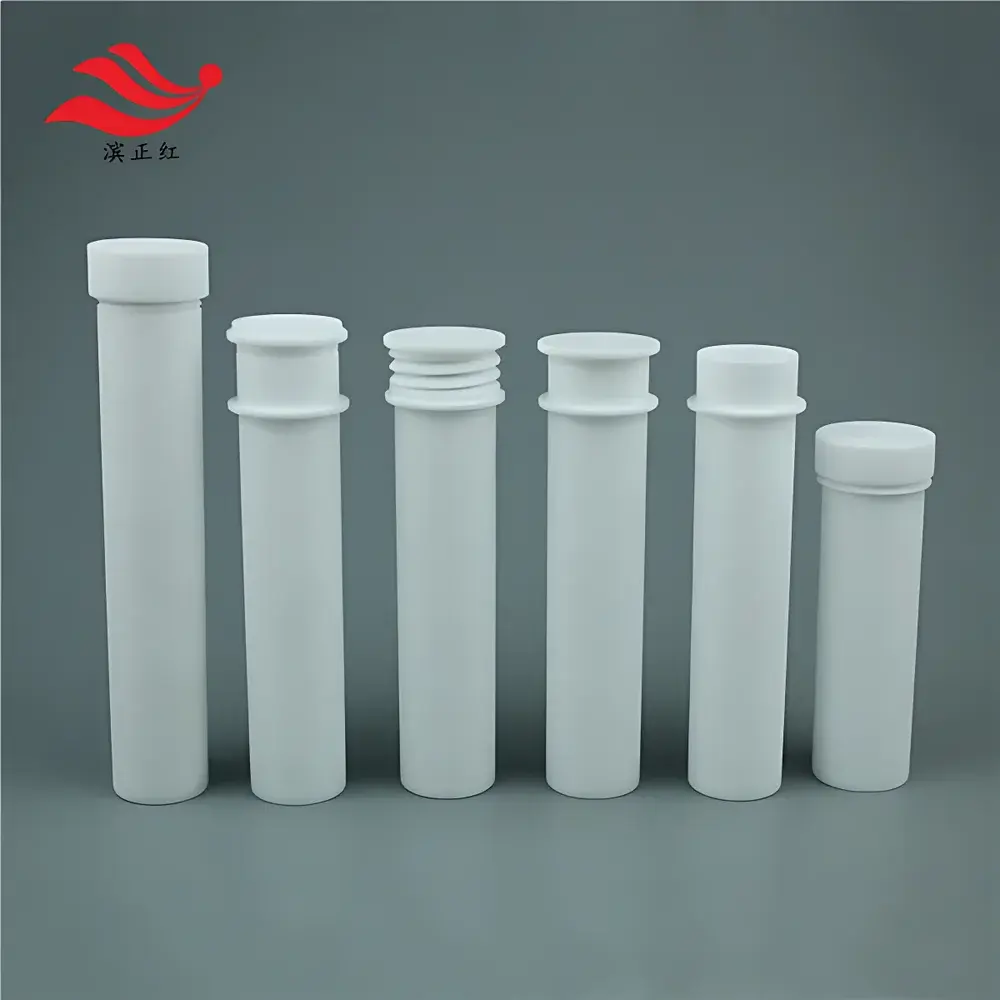
- Modular well geometry compatible with standard 31 × 100 mm PTFE digestion tubes (included), as well as optional PFA, PP, or quartz vessels
Sample Compatibility & Compliance
The NJ-XJ system supports digestion of diverse solid and semi-solid matrices including leaf tissue, root biomass, grain flour, compost, sludge, sediment cores, and powdered fertilizers. It meets methodological requirements for EPA 3050B (acid digestion of sediments, sludges, and soils), EPA 3010A (microwave-assisted alternative validation), and Chinese national standards GB/T 22105.1–2008 (determination of As, Hg, Pb in soil) and GB/T 5009.11–2003 (As in food). Its thermal consistency and closed-vessel compatibility ensure adherence to GLP documentation practices, including audit-ready temperature logging (via optional RS-232/USB interface). All PTFE vessels comply with USP Class VI biocompatibility and ISO 10993-5 cytotoxicity testing protocols.
Software & Data Management
While the base NJ-XJ operates via front-panel digital controls, an optional PC-connected firmware package enables full protocol archiving, real-time temperature graphing, and CSV export of time-temperature profiles. Data logs include timestamped setpoints, actual readings, ramp durations, hold intervals, and error flags (e.g., overtemperature, sensor disconnect). The system supports 21 CFR Part 11-compliant user access control when paired with validated LIMS integration—enabling electronic signatures, change tracking, and secure audit trails required for accredited environmental and food testing laboratories.
Applications
- Environmental laboratories performing heavy metal screening in plant bioindicators (e.g., hyperaccumulators for phytoremediation studies)
- Food safety labs quantifying Cd, Pb, and As in cereals, legumes, and leafy vegetables per EU Commission Regulation (EC) No 1881/2006
- Soil testing facilities executing sequential extraction protocols (e.g., BCR three-step) requiring strict thermal reproducibility
- Research institutions developing novel digestion methods for lignocellulosic biomass prior to elemental mapping via SEM-EDS
- QC/QA departments validating microwave digestion results using open-vessel reference digestion under identical acid stoichiometry and thermal history
FAQ
What vessel types are compatible with the NJ-XJ 48-position block?
Standard 31 × 100 mm PTFE digestion tubes are supplied. Optional vessels include PFA (for HF-containing protocols), polypropylene (for low-temperature organic digestions), and quartz (for high-temperature ashing pre-steps).
Does the system support method validation per ISO/IEC 17025?
Yes—the documented temperature uniformity (±1 °C), calibrated Pt100 sensor traceability to NIST standards, and programmable thermal profiles enable full validation of digestion efficiency, spike recovery, and blank integrity.
Can the heating rate be adjusted during a single run?
Yes. Up to six independent ramp-and-hold segments can be programmed, allowing controlled heating from ambient to 120 °C (ramp: 5 °C/min), hold 30 min, then increase to 200 °C (ramp: 2 °C/min), hold 90 min—mimicking optimized EPA 3050B kinetics.
Is maintenance required for the graphite block surface?
No routine maintenance is needed. The PTFE coating is thermally fused and abrasion-resistant; cleaning requires only warm water and mild detergent after cooling. Avoid steel wool or chlorinated solvents.
How is fume management handled without external ventilation?
The unit features a recessed well design with raised perimeter lip and optional acrylic splash guard—retaining >90% of condensed acid vapors. For continuous operation >4 hrs/day, connection to a dedicated lab exhaust duct is recommended per ANSI Z9.5 guidelines.
Related Products



