
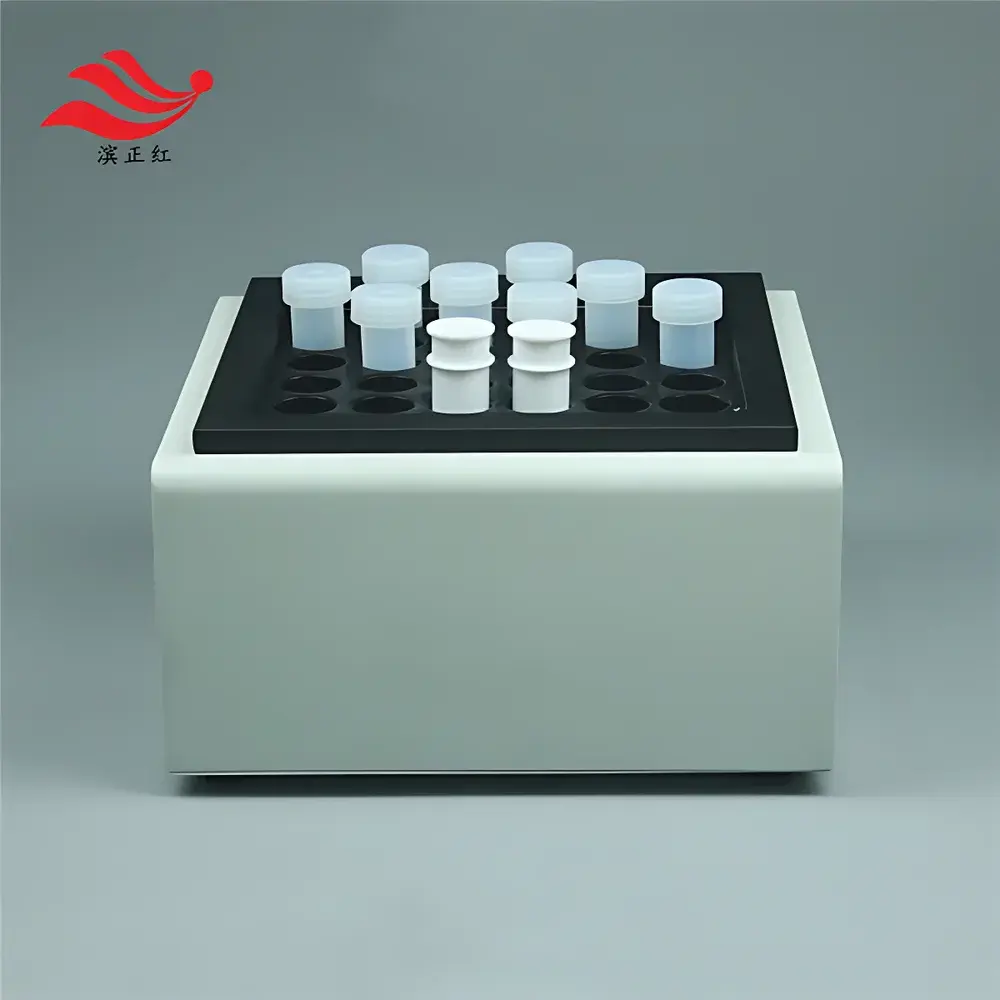
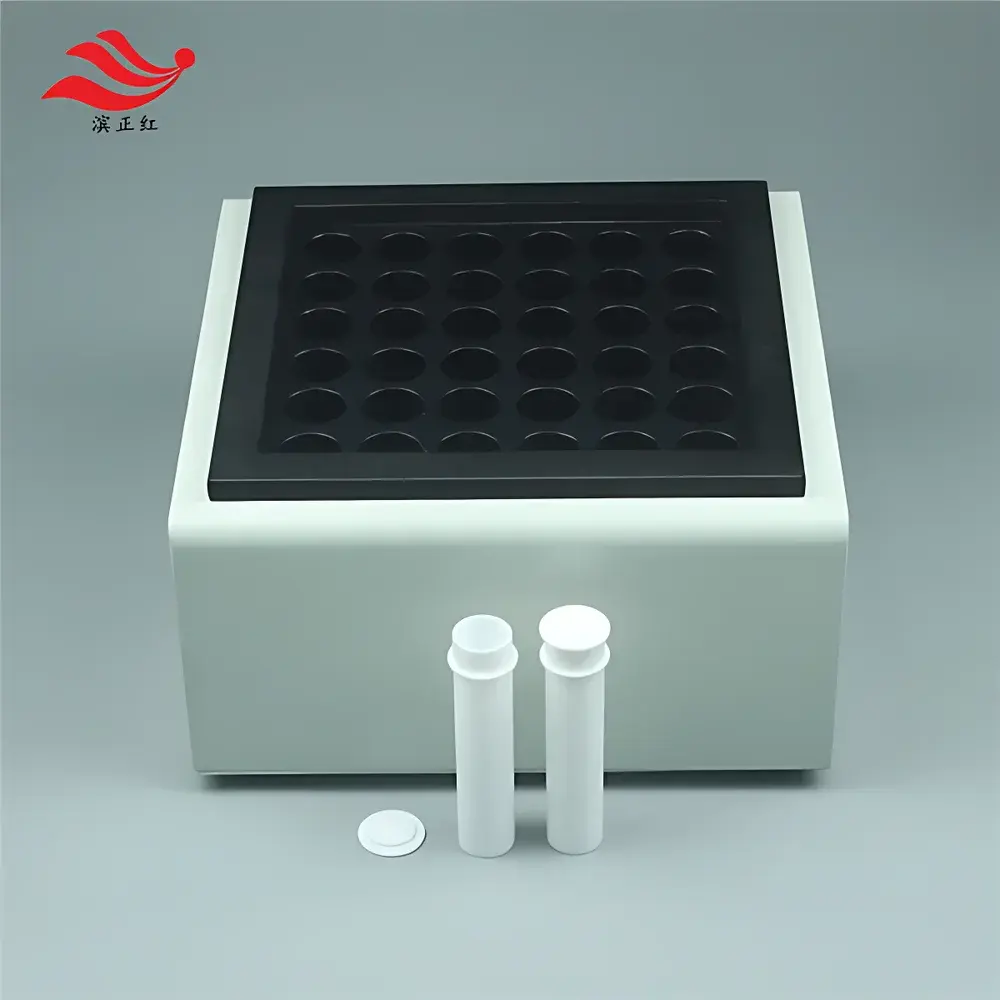
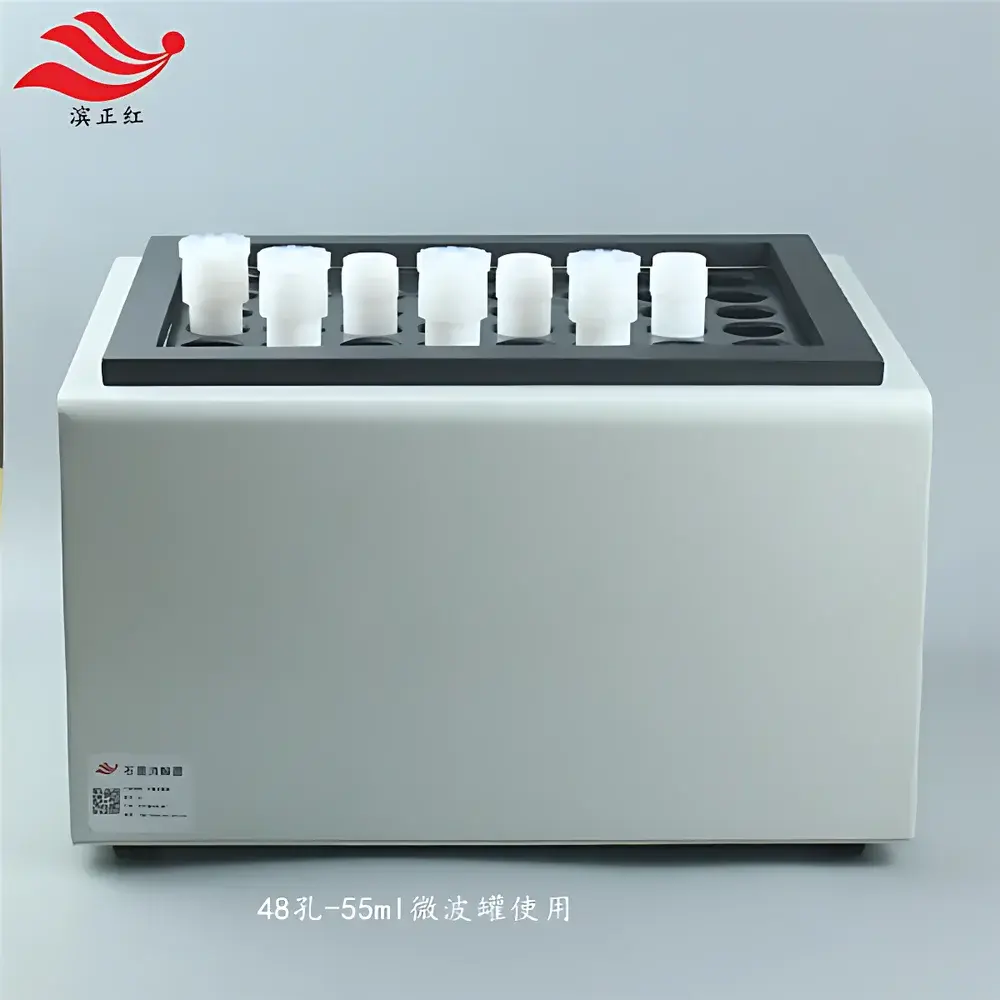
Binzhenghong NJ-ZH-48 Graphite Block Digestion System
| Brand | Binzhenghong |
|---|---|
| Origin | Jiangsu, China |
| Manufacturer Type | Direct Manufacturer |
| Instrument Type | Graphite Block Digestion System |
| Automation Level | Semi-Automatic |
| Digestion Positions | 48 |
| Max. Heating Temperature | 260 °C |
| Temperature Control Accuracy | ±1 °C |
| Heating Principle | Uniform Surrounding Graphite Block Heating |
| Reagent Channels | 48 |
| Power Supply | 220 V / 50 Hz |
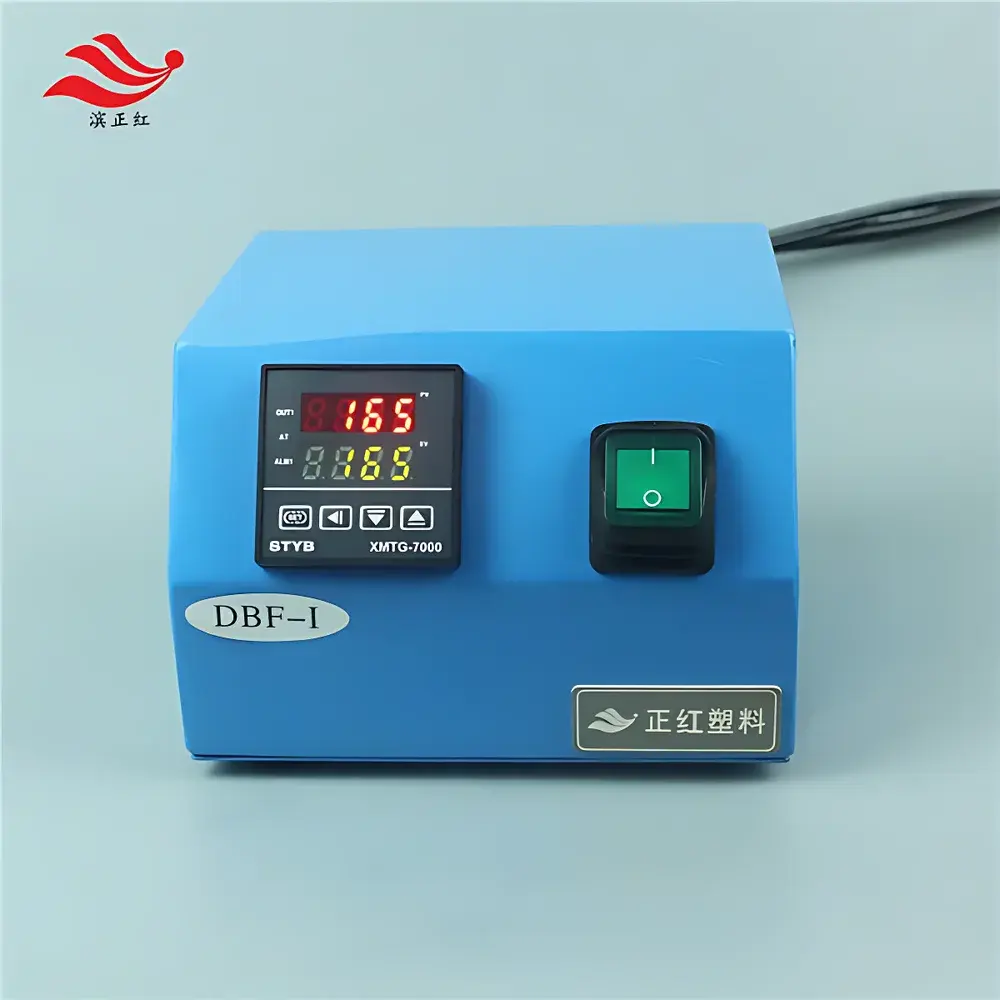
| Control Method | PID Digital Temperature Control |
| Construction | High-Purity Graphite Block with PTFE-Coated Cavity Walls |
| Compliance | Designed for EPA 3050B, EPA 3010A, GB/T 17138–1997, GB/T 22105.1–2008, ISO 11466, ASTM D3921 |
Overview
The Binzhenghong NJ-ZH-48 Graphite Block Digestion System is a precision-engineered semi-automatic sample preparation instrument designed for high-throughput, reproducible acid digestion of solid and liquid matrices in environmental, food safety, agricultural, and regulatory laboratories. It employs a monolithic high-purity graphite heating block as the thermal mass, enabling uniform heat distribution via circumferential conduction—eliminating hot spots and ensuring consistent thermal exposure across all 48 sample positions. Unlike traditional hotplate or ceramic heater-based systems, this design delivers superior thermal inertia, reduced energy consumption, and enhanced resistance to corrosion from aggressive reagents such as concentrated HNO3, HCl, HF, and H2O2. The system operates within a temperature range of ambient to 260 °C, with PID-controlled regulation achieving ±1 °C stability over extended dwell periods—critical for method-compliant digestion protocols requiring precise ramp-and-hold thermal profiles.
Key Features
- Corrosion-Resistant Architecture: All wetted surfaces—including sample cavities and reagent ports—are coated with a uniform, adherent PTFE layer applied via industrial-grade electrostatic spraying, ensuring long-term integrity against fuming acids and organic solvents.
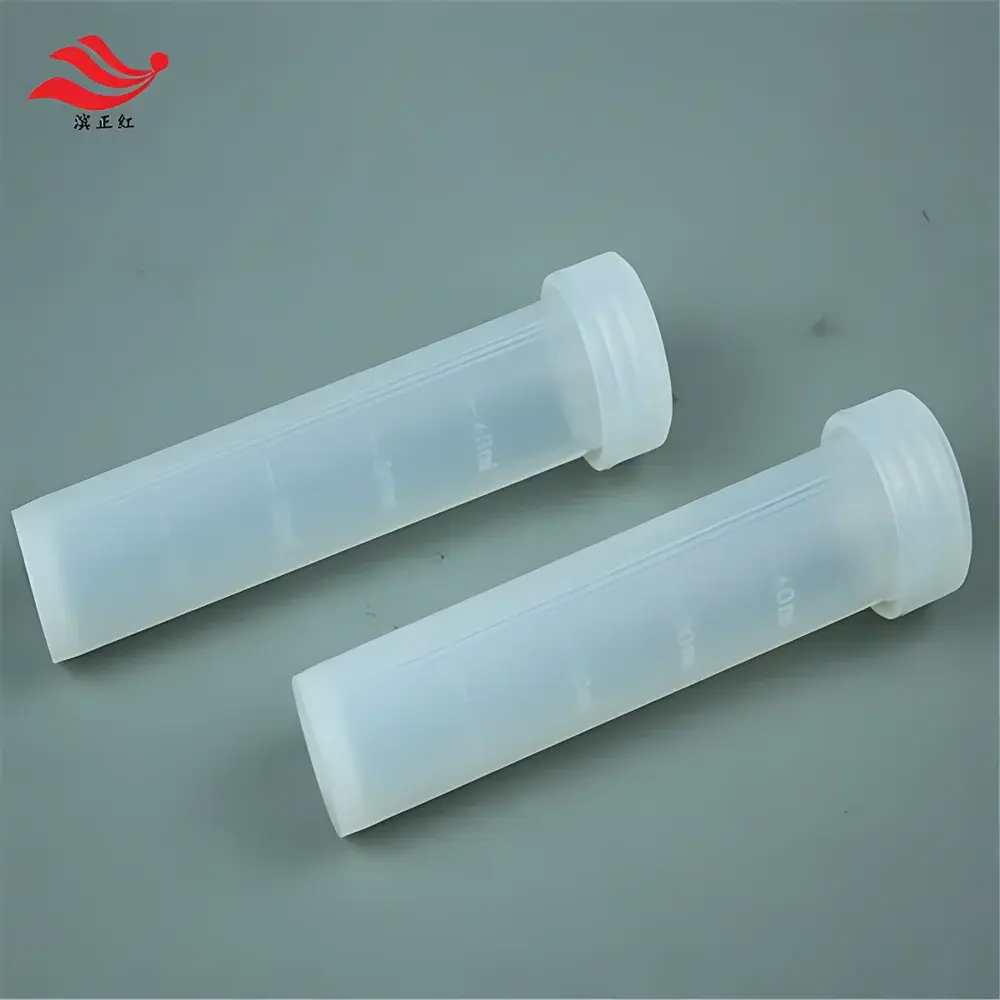
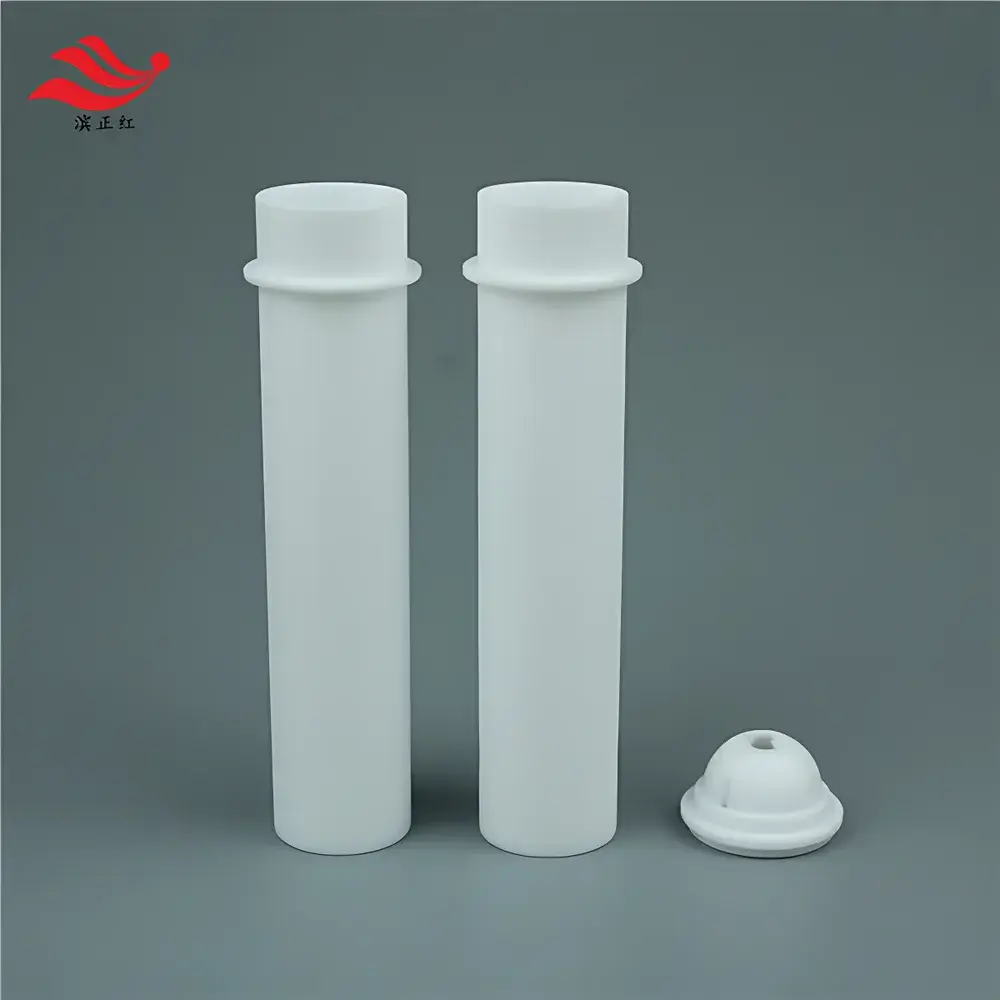
- 48-Position Parallel Processing: Enables batch digestion of up to 48 samples simultaneously in standardized PTFE or quartz digestion tubes (e.g., 50 mL), significantly reducing per-sample turnaround time without compromising inter-position temperature homogeneity.
- Semi-Automatic Reagent Delivery Integration: 48 independent reagent channels support synchronized, operator-initiated addition of digestants—minimizing manual handling while maintaining full procedural control over timing and volume.
- Closed-Loop Thermal Management: Fully enclosed graphite housing minimizes convective heat loss and prevents acid vapor ingress into internal electronics, extending service life and improving lab safety.
- Programmable PID Controller: Supports multi-step temperature ramps, hold durations, and cooling phases; parameters are stored in non-volatile memory and recallable for audit-ready method execution.
- Regulatory-Ready Design: Meets mechanical and thermal specifications aligned with GLP/GMP sample prep workflows; compatible with electronic lab notebook (ELN) integration for traceable data capture.
Sample Compatibility & Compliance
The NJ-ZH-48 accommodates a broad spectrum of sample types—including soils, sediments, sludges, plant tissues, food composites, biological tissues (hair, serum), cosmetics, and polymer coatings—when processed using validated open-vessel digestion methods. Its thermal performance and material compatibility align with multiple internationally recognized standard operating procedures, including U.S. EPA Methods 3010A (soil/sediment), 3050B (acid digestion of sediments and soils), 200.7/200.8 (water analysis), and 7470A (mercury determination); Chinese national standards GB/T 17138–1997 (soil copper and zinc), GB/T 22105.1–2008 (soil total arsenic), and GB/T 5009.11–2003 (food arsenic); as well as ISO 11466 (trace elements in soils) and ASTM D3921 (leachable metals in waste).
Software & Data Management
While the NJ-ZH-48 operates via an embedded digital PID interface with LED display and tactile keypad, it supports external data logging through RS-232 or optional USB-to-serial interface. Temperature setpoints, actual readings, ramp rates, hold times, and system status are exportable in CSV format for integration into LIMS or ELN platforms. For laboratories subject to FDA 21 CFR Part 11 requirements, the system may be operated under documented SOPs with manual logbook entries or paired with compliant third-party software that provides electronic signatures, audit trails, and user access controls.
Applications
- Environmental monitoring labs performing heavy metal analysis (As, Cd, Cr, Cu, Ni, Pb, Zn, Hg) in soil, sediment, and wastewater sludge per EPA and GB protocols.
- Food safety testing facilities digesting dairy products, fish tissue, vegetables, and fertilizers prior to ICP-OES or ICP-MS quantification.
- Pharmaceutical and cosmetic QA/QC departments preparing raw materials and finished products for elemental impurity screening (ICH Q3D).
- Academic and government research institutes conducting method development for novel digestion matrices or optimizing recovery yields under varying acid mixtures and thermal profiles.
- Disease prevention centers analyzing human hair, blood, or urine for biomonitoring of toxic element exposure.
FAQ
What is the maximum recommended operating temperature for continuous use?
The system is rated for sustained operation up to 260 °C; however, prolonged exposure above 220 °C with hydrofluoric acid requires additional safety precautions and verification of PTFE coating integrity.
Can the digestion block be customized for non-standard tube sizes?
Yes—Binzhenghong offers OEM machining services for custom cavity diameters and depths, including options for 16-, 24-, 36-, 54-, 63-, and 100-position configurations.
Is the unit compatible with automated robotic sample handlers?
The NJ-ZH-48 does not include native robotic interface ports; however, its fixed footprint and standardized sample layout allow integration with third-party autosamplers via programmable I/O triggers (optional add-on).
How often should the PTFE coating be inspected or recoated?
Visual inspection is recommended after every 200 digestion cycles or when discoloration, pitting, or flaking is observed; recoating services are available directly from the manufacturer.
Does the system meet electromagnetic compatibility (EMC) requirements for CE marking?
The unit complies with IEC 61326-1:2013 for laboratory equipment emissions and immunity; CE documentation is provided upon request for EU market deployment.



