
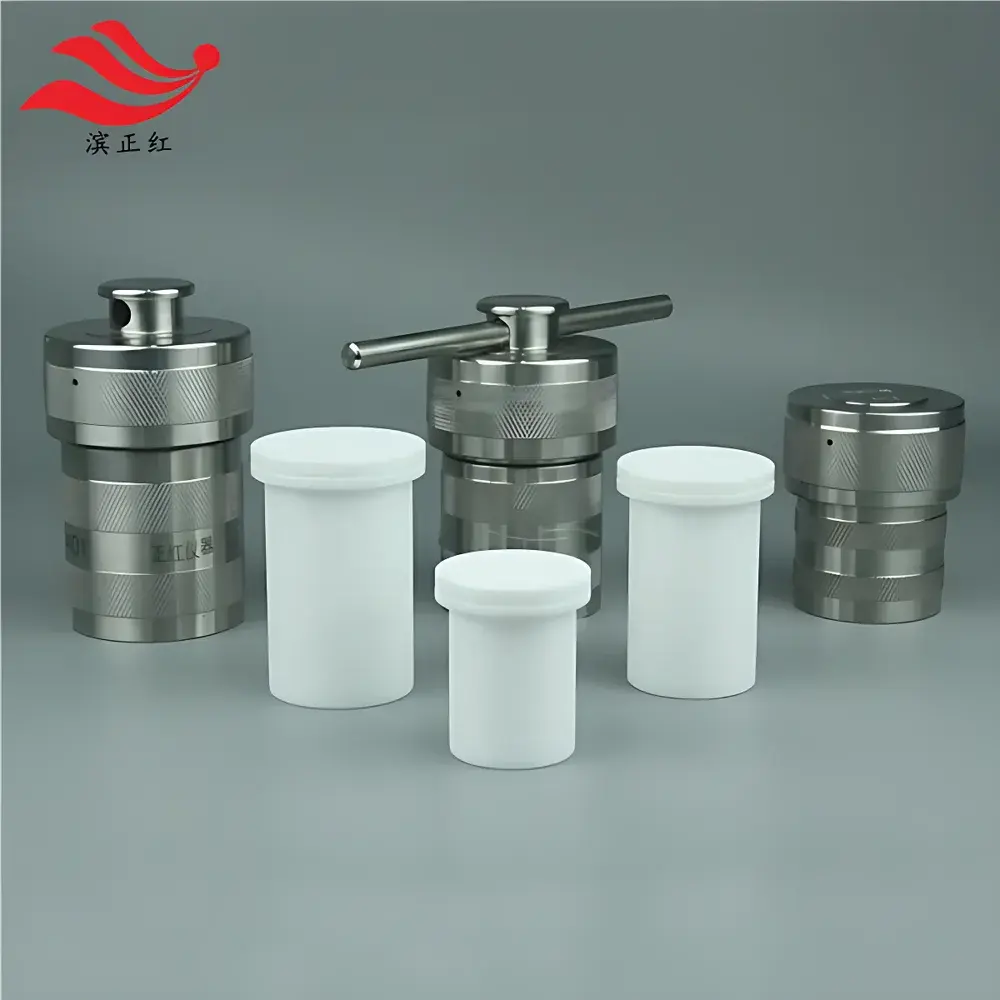
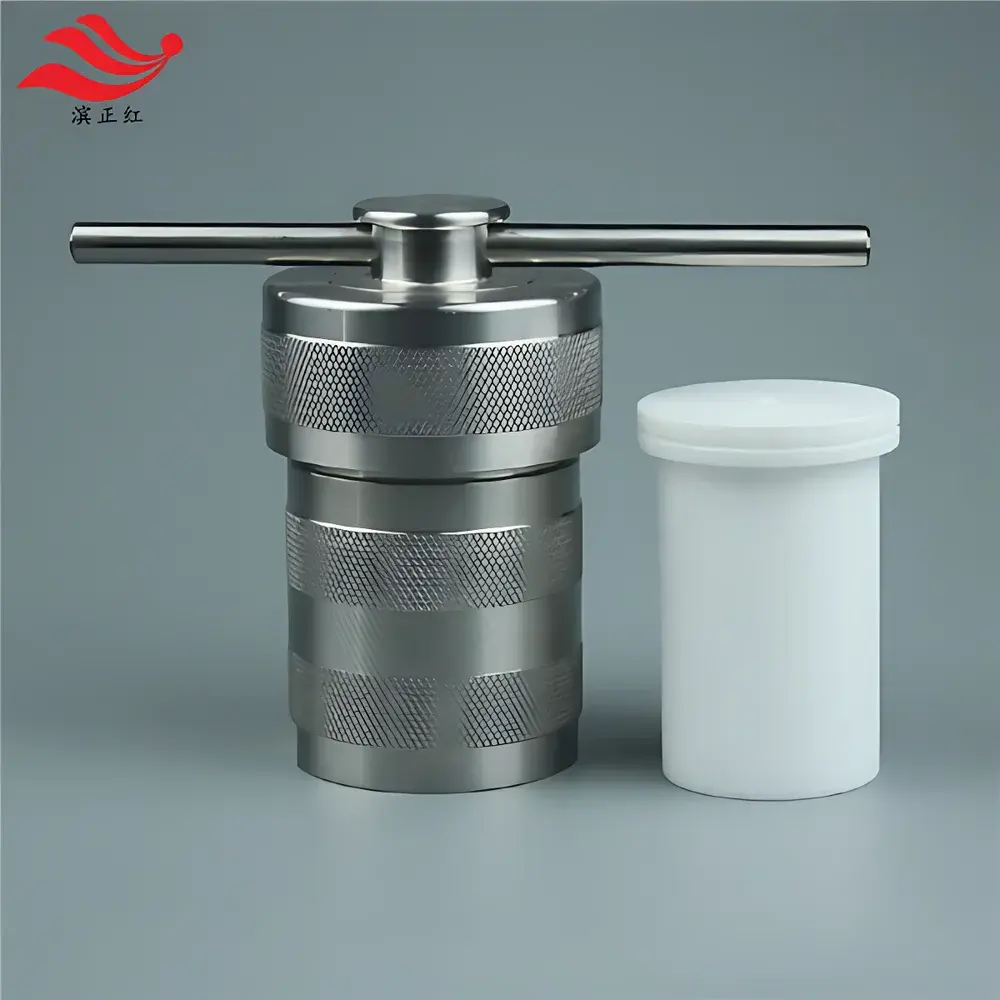
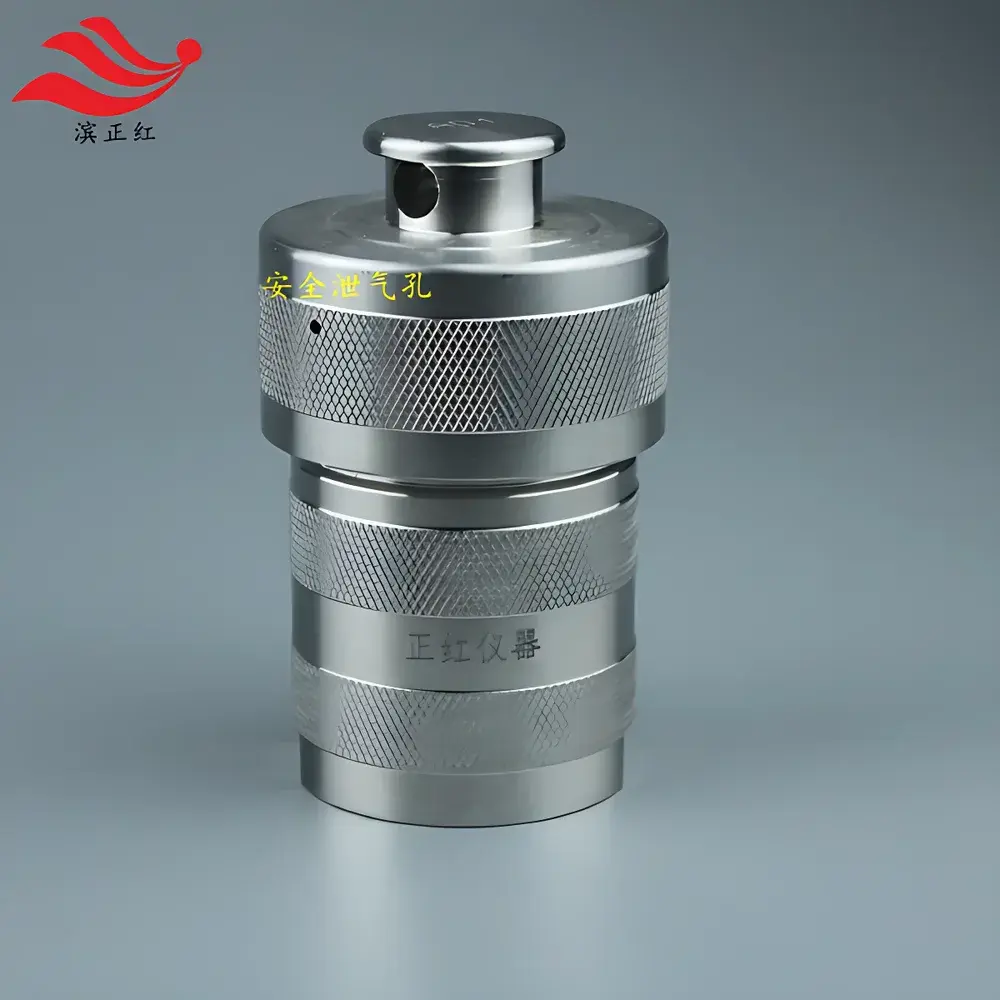
Binzhenghong ZH-60 & ZH-100 Sealed High-Pressure Microwave-Assisted Digestion Vessels for Food, Dairy, and Agricultural Samples
| Key | Brand: Binzhenghong |
|---|---|
| Origin | Jiangsu, China |
| Manufacturer Type | OEM/ODM Producer |
| Product Category | Domestic Labware |
| Model | ZH-60, ZH-100 (100 mL), plus 5–500 mL variants |
| Material | Outer Vessel – Non-magnetic Stainless Steel (AISI 316L grade) |
| Max Operating Pressure | 5 MPa (50 bar) |
| Max Temperature | 200 °C (PTFE), 260 °C (TFM) |
| Compliance | GB 5009.90–2016, GB 5009.268–2016, GB 5009.269–2016, AOAC 999.10, ISO 11047:1998 |
| Trace Metal Background | Pb, U < 0.01 ppb (TFM grade) |
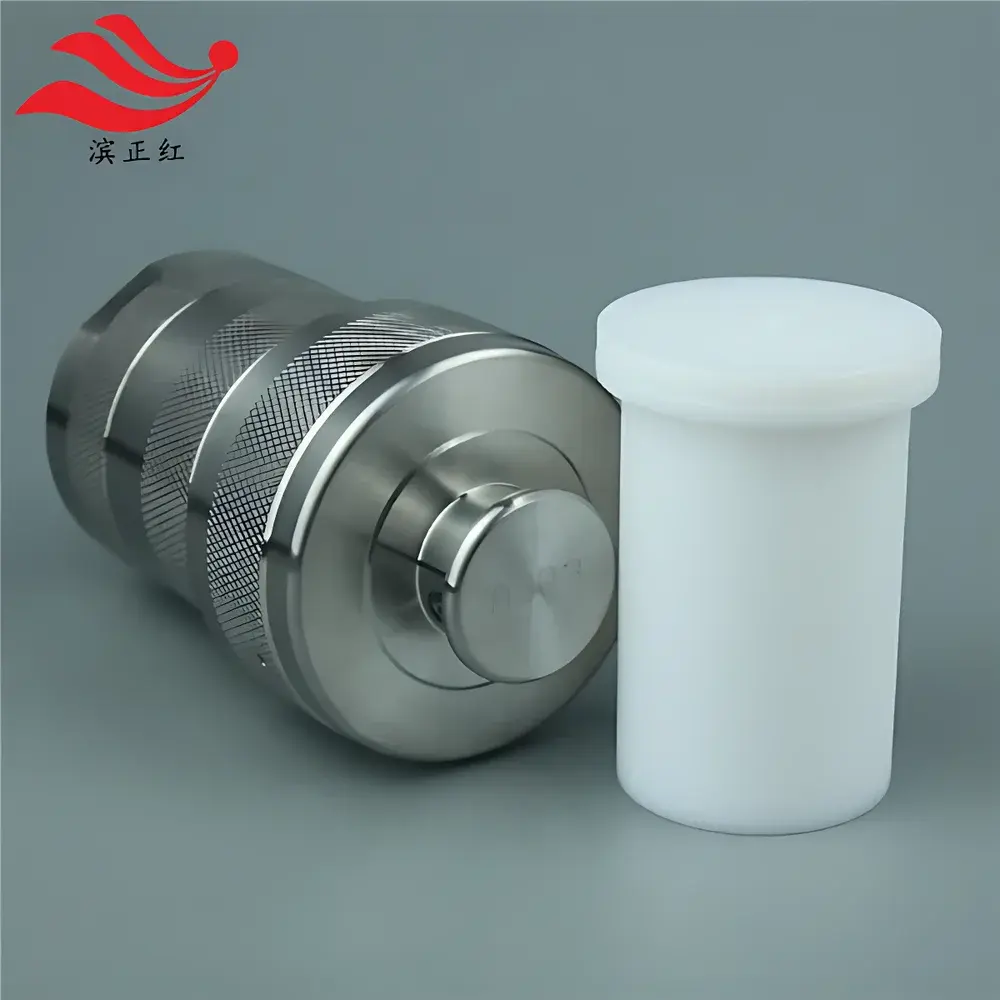
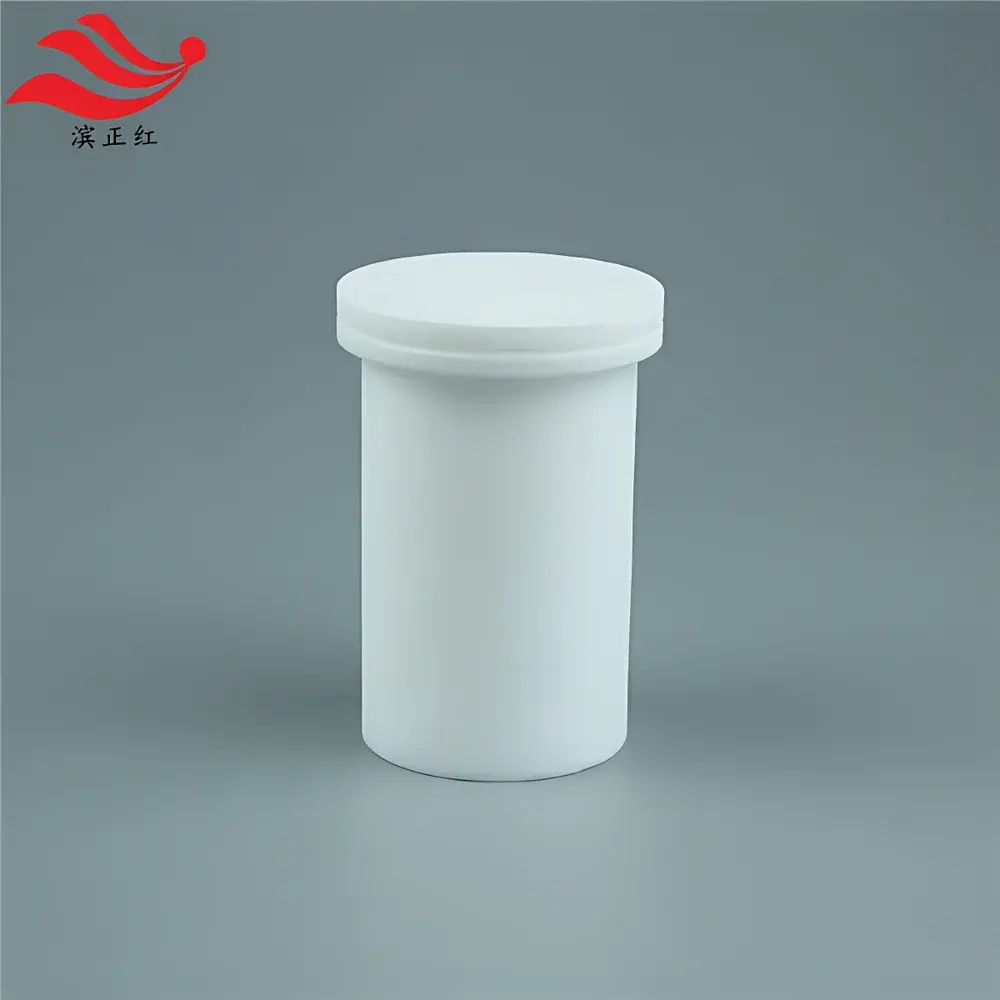
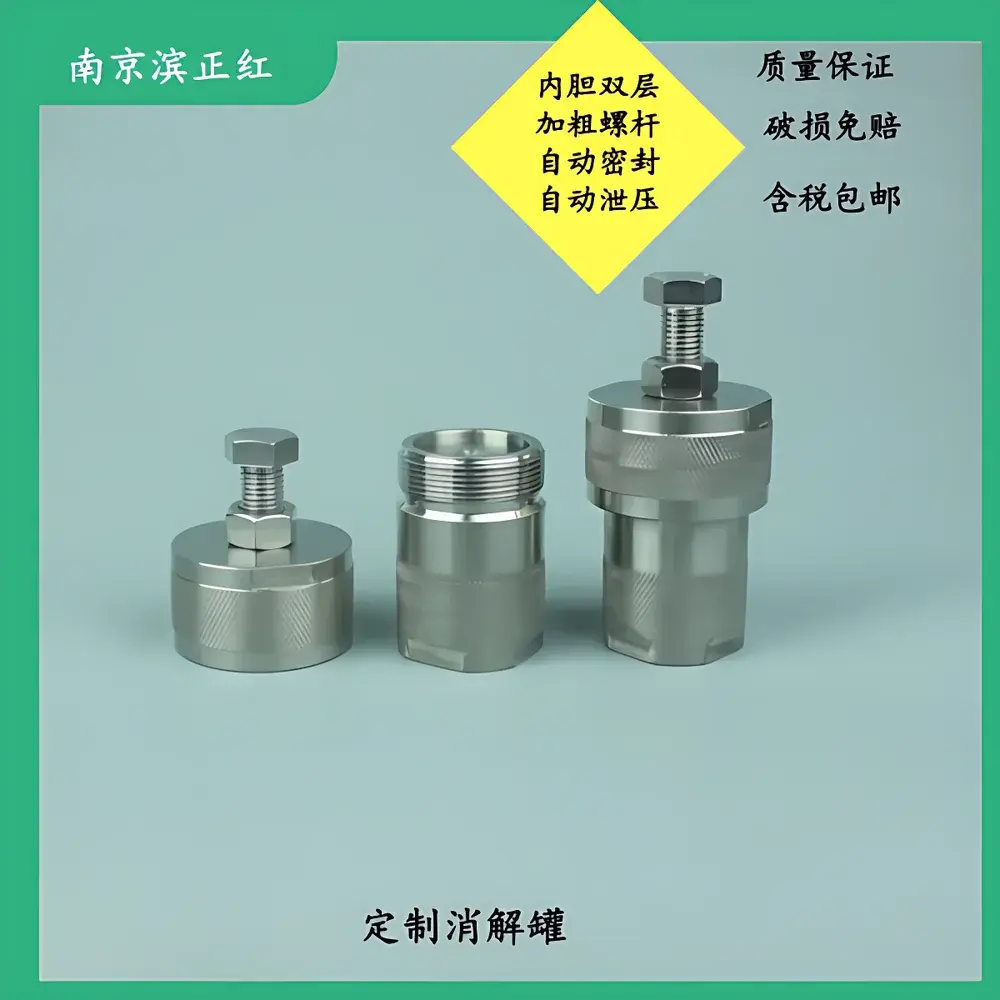
| Configuration | Single-set system comprising one pressure-rated outer vessel and one chemically inert inner digestion cup |
Overview
The Binzhenghong ZH-Series Sealed High-Pressure Digestion Vessels are precision-engineered laboratory consumables designed for closed-vessel acid digestion of complex organic and inorganic matrices under elevated temperature and pressure conditions. These vessels operate on the principle of hydrothermal decomposition—leveraging concentrated mineral acids (e.g., HNO₃, HCl, HF, and mixtures thereof) within a sealed, thermally stable environment to achieve complete mineralization of refractory sample components. Unlike open-beaker or hotplate digestion, this method enables quantitative recovery of volatile and semi-volatile elements—including As, Cd, Cr, Pb, Hg (as methylmercury), and total inorganic arsenic—while minimizing analyte loss, contamination, and reagent blank contribution. The ZH-Series is widely adopted in accredited food testing laboratories, dairy quality control centers, agricultural commodity inspection facilities, and environmental monitoring agencies where regulatory compliance with GB 5009.x series standards and AOAC Official Methods is mandatory.
Key Features
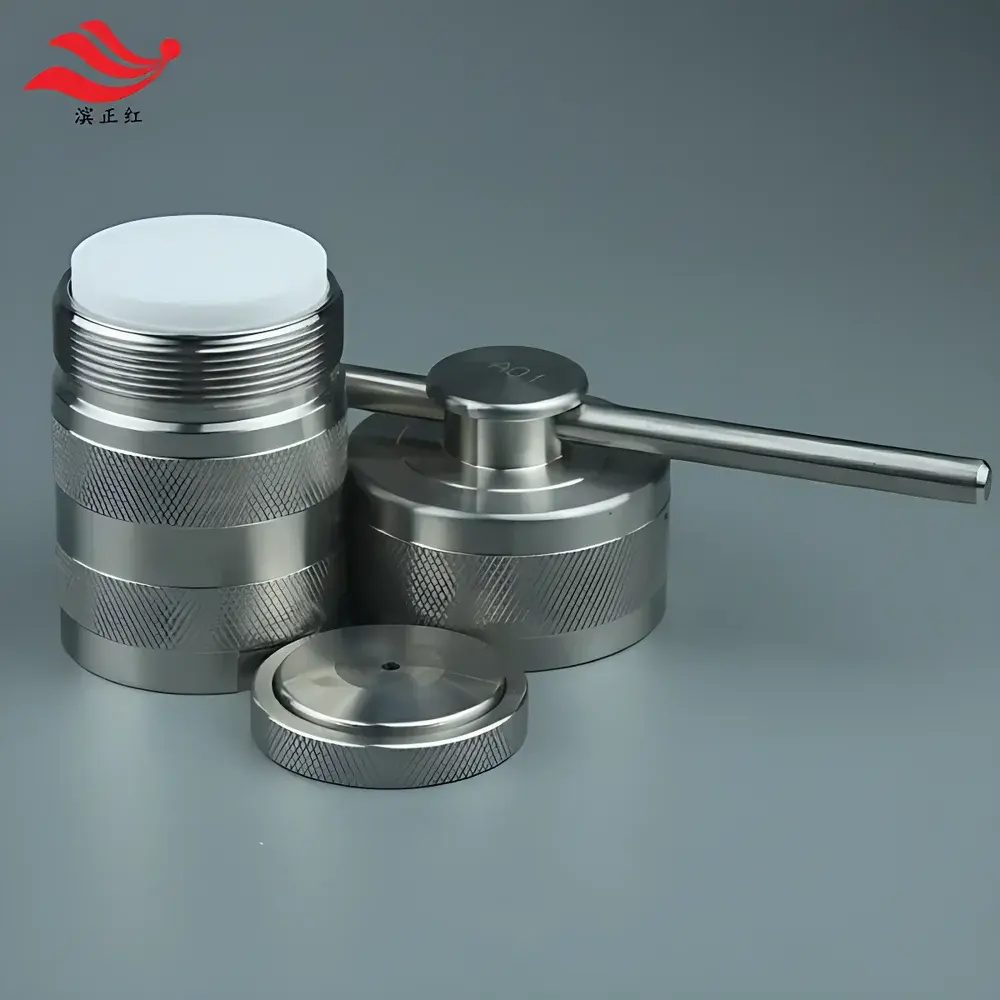
- Robust dual-vessel architecture: Outer shell fabricated from high-purity, non-magnetic stainless steel (AISI 316L) with precise thread tolerance and pressure-rated sealing interface.
- Chemically inert inner cups available in two fluoropolymer grades: USP Class VI-certified PTFE (max 200 °C) and ultra-pure TFM™ (max 260 °C), both exhibiting negligible trace metal leaching (<0.01 ppb Pb/U).
- Engineered sealing geometry: Interlocking convex-concave grooves and conical lid design ensure consistent gasket compression and leak-tight integrity across repeated thermal cycles.
- Integrated safety venting: Micro-orifice relief structure in the inner cup lid allows controlled pressure release above threshold without catastrophic failure—preserving outer vessel integrity even during thermal runaway.
- Traceability and longevity: Each vessel pair carries laser-etched sequential numbering for usage tracking, enabling equitable rotation and extended service life (>200 digestions per set under routine use).
- Compatibility with standard laboratory ovens and programmable heating blocks; no proprietary instrumentation required.
Sample Compatibility & Compliance
The ZH-Series supports digestion of diverse biological and environmental matrices including but not limited to: infant formula, powdered milk, edible oils, cereal grains, legumes, seafood tissues, tea leaves, fruit/vegetable homogenates, egg yolk, meat products, and sediment slurry. It is validated for use in methods specified in GB 5009.90–2016 (Fe), GB 5009.92–2016 (Ca), GB 5009.137–2016 (Sb), GB 5009.268–2016 (multi-element ICP-MS/AAS), and GB 5009.269–2016 (talc detection). Internationally, it aligns with AOAC 999.10 for heavy metals in food and ISO 11047:1998 for trace element determination in animal feed. All TFM-grade inner cups meet USP and ASTM D4894 requirements for fluoropolymer purity and extractables profile.
Software & Data Management
While the ZH-Series is a passive, non-electronic consumable system, its design integrates seamlessly into GLP/GMP-compliant workflows. Each vessel set can be assigned to a unique sample ID in LIMS platforms via manual logbooks or barcode-labeled labels (optional accessory). Batch-level digestion protocols—including acid volume (typically 1/3–1/5 inner cup capacity), ramp profiles, hold times, and cooling steps—are documented per ISO/IEC 17025 clause 7.2.2. For audit readiness, raw data (e.g., weight records, digestion logs, ICP-MS calibration curves) must be retained for minimum 7 years in accordance with CNAS-CL01:2018 and FDA 21 CFR Part 11 principles—though the vessel itself does not generate electronic records.
Applications
- Routine quantification of regulated toxic elements (Pb, Cd, As, Hg, Cr, Ni) in dairy powders per EU Commission Regulation (EC) No 1881/2006 and China GB 19644–2010.
- Multi-element profiling of rare earth elements (REEs) in tea and herbal products using ICP-MS following GB/T 23061–2008.
- Validation of adulterants such as malachite green residues in aquaculture samples per SN/T 2004.1–2005.
- Preparation of reference materials for proficiency testing schemes administered by FAPAS and RIQAS.
- Method development for novel matrices including plant-based milk alternatives and fermented dairy products requiring low-background digestion chemistry.
FAQ
Can these vessels be used in microwave digestion systems?
Yes—TFM inner cups are compatible with commercial microwave digestion platforms (e.g., CEM MARS 6, Anton Paar Multiwave PRO) when paired with appropriate rotor adapters. PTFE versions are limited to conventional oven-based digestion only.
What is the recommended acid volume for a 100 mL ZH-100 vessel?
Typical loading is 20–33 mL (1/5 to 1/3 of capacity), depending on sample mass and matrix complexity. For high-fat samples like butter or lard, lower volumes (≤20 mL) combined with overnight cold nitration are advised.
How should perchloric acid (HClO₄) be handled in these vessels?
HClO₄ is not recommended for routine use due to explosion risk under confinement. If absolutely necessary, ≤0.5 mL must be added after initial HNO₃ digestion and subjected to ≥12 h cold nitration at 4 °C prior to heating.
Is post-digestion赶酸 (acid evaporation) supported?
Yes—inner cups are fully compatible with standard graphite block acid evaporators (e.g., Techne Dri-Block®) up to 150 °C for final volume reduction to ≤1 mL prior to dilution and analysis.
Do you provide certification of trace metal content for TFM cups?
Upon request, certified test reports (per ASTM E2922–21) detailing Pb, U, Al, Fe, Na, and K concentrations are supplied with each batch shipment.



