
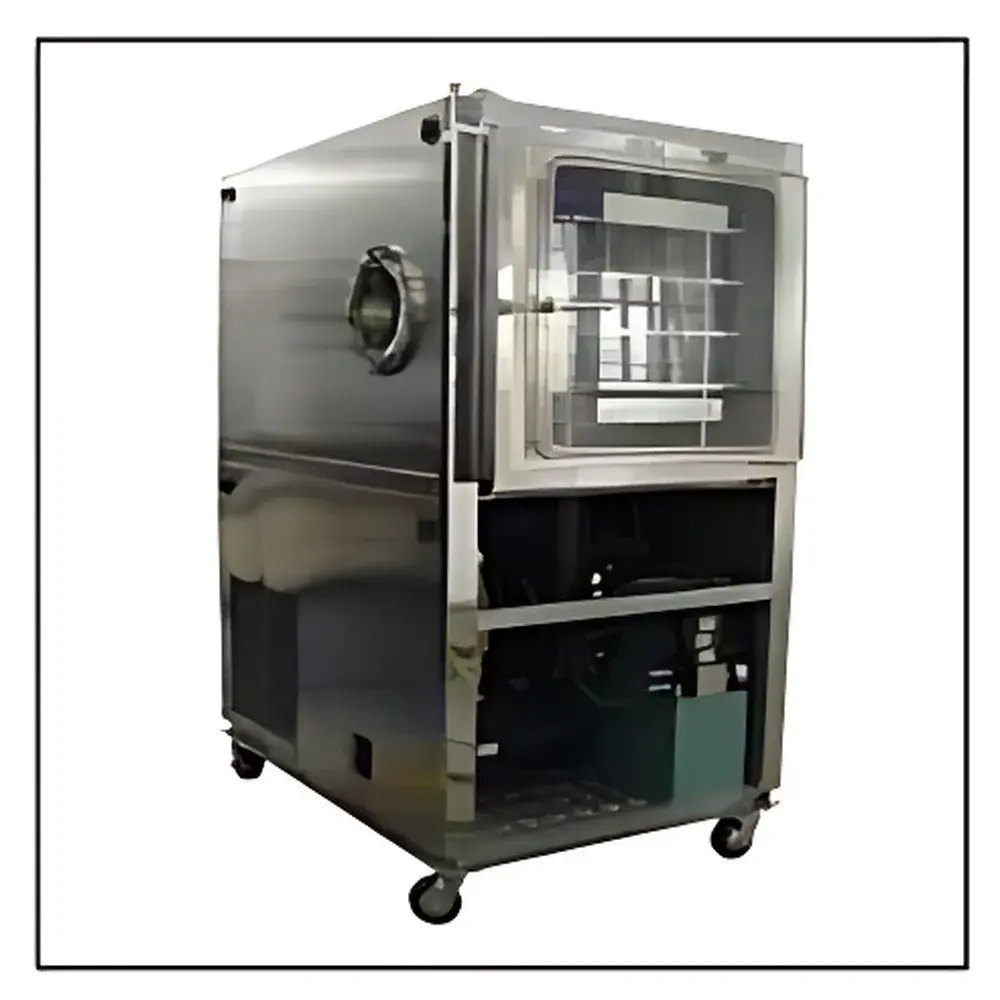
BIOCOOL Pilot10-15T Fully Automated Silicone-Oil Heated Shelf Freeze Dryer (Pilot-Scale)
| Brand | BIOCOOL |
|---|---|
| Origin | Beijing, China |
| Model | Pilot10-15T (Fully Automated Silicone-Oil Heated Shelf, Pilot-Scale Process Development) |
| Type | Standard Shelf-Type Freeze Dryer |
| Application Scale | Pilot-Scale |
| Lyophilization Area | 1 m² |
| Ultimate Vacuum | ≤ 2.5 Pa |
| Condenser Capacity (24 h) | 15 kg/24 h |
| Condenser Temperature | ≤ –80 °C |
| Shelf Temperature Range (Empty Load) | ≤ –50 °C to +70 °C |
| Shelf Dimensions | 350 mm × 600 mm |
| Number of Shelves | 5 + 1 Radiant Shelf |
| Shelf Spacing | 70 mm |
| Installed Power | 8 kW (3-phase) |
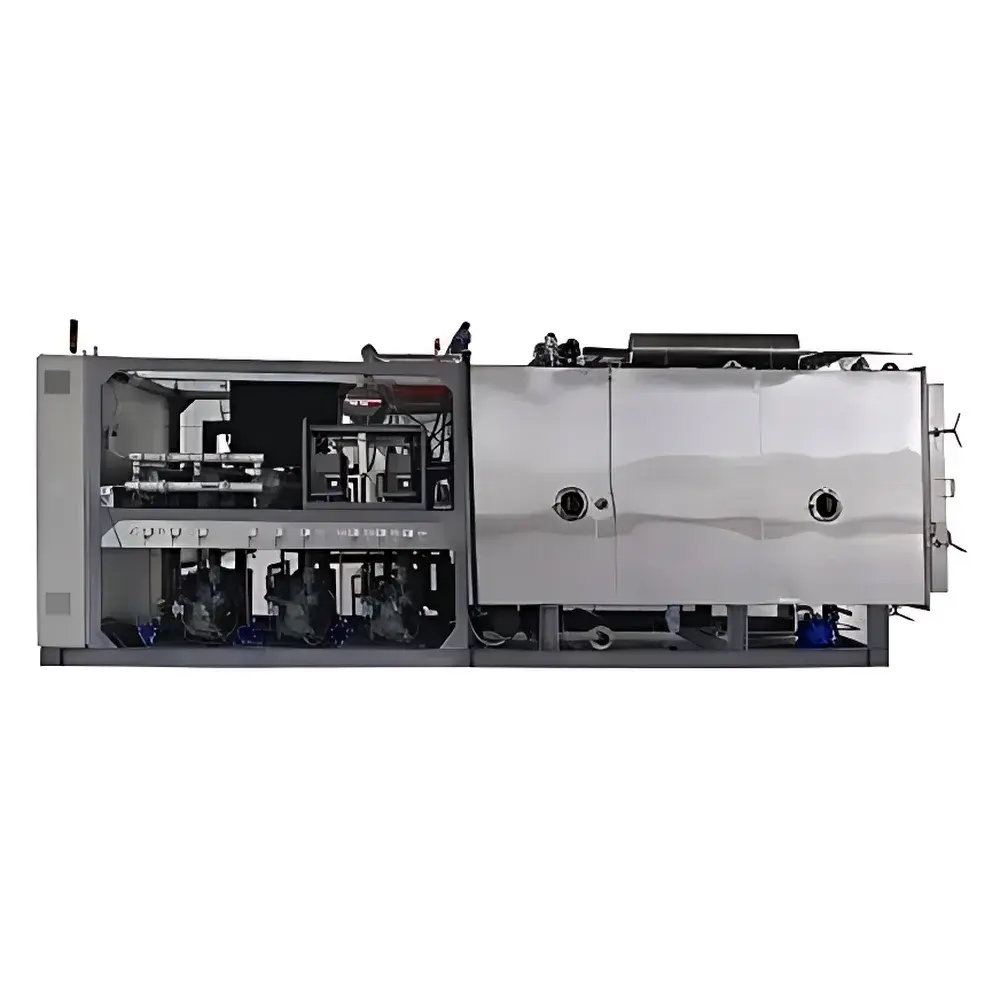
| Unit Dimensions (W×D×H) | ≈ 880 × 2200 × 1900 mm |
| Weight | ≈ 1200 kg |
| Noise Level | ≤ 70 dB(A) |
| Compliance Standards | GMP, GB/T 5226.1–1996, WHO TRS No. 986 Annex 6 |
Overview
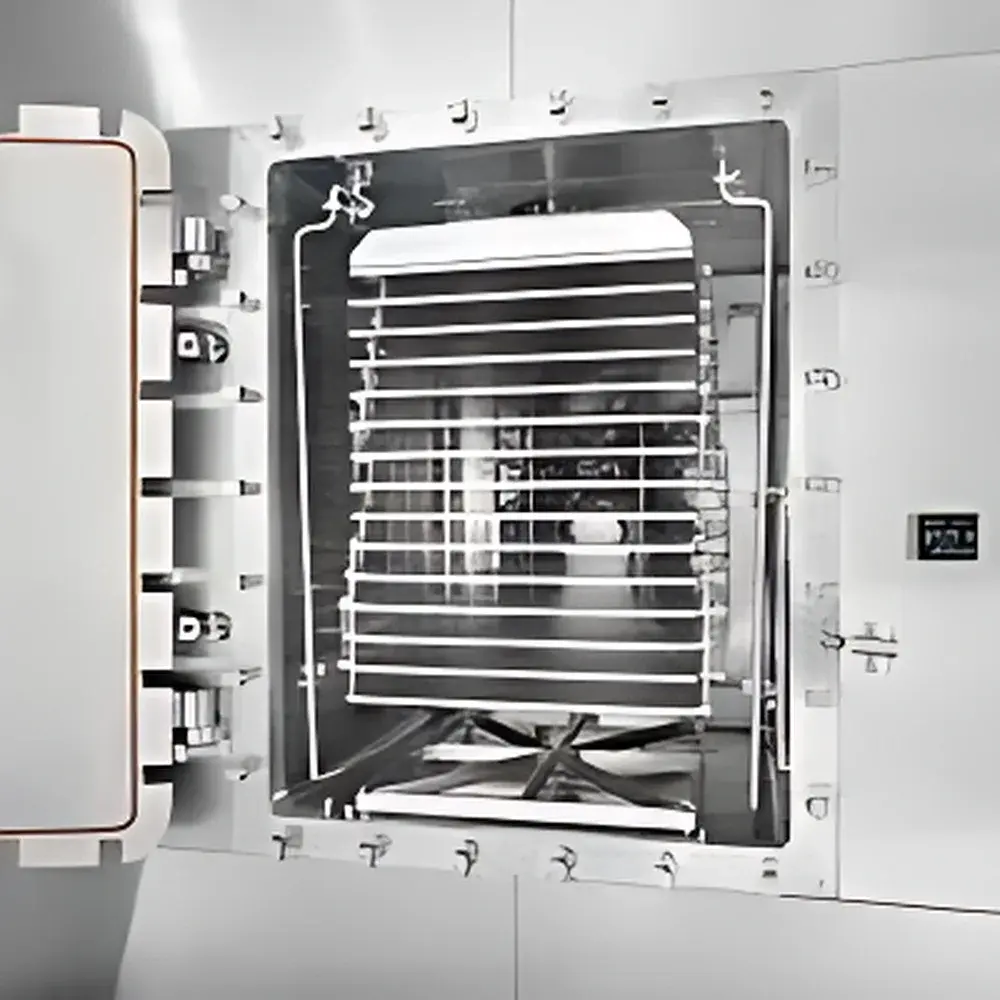
The BIOCOOL Pilot10-15T is a fully automated, silicone-oil heated shelf freeze dryer engineered for robust pilot-scale lyophilization process development and technology transfer. Designed in accordance with pharmaceutical Good Manufacturing Practice (GMP) requirements, it implements primary drying via sublimation under controlled low-pressure vacuum conditions (≤ 2.5 Pa), while secondary drying removes residual bound water through desorption at elevated shelf temperatures. Its five active shelves—plus one radiant shelf—provide uniform thermal distribution across a total lyophilization area of 1 m², enabling reproducible batch processing of up to 2268 × 22 mL vials or ≥15 kg of aqueous formulation per cycle. The system integrates a high-efficiency condenser capable of capturing up to 15 kg of ice within 24 hours at ≤ –80 °C, ensuring stable vacuum integrity during extended drying cycles typical of biologics, vaccines, and sterile injectables.
Key Features
- Fully automated silicone-oil heating/cooling system with ±0.5 °C shelf temperature uniformity (measured per ISO 13485 Annex D) and programmable ramp-hold profiles for precise thermal control.
- GMP-compliant stainless-steel chamber and condenser housing (AISI 316L contact surfaces), electropolished interior, and validated CIP/SIP compatibility for aseptic operation.
- Integrated vacuum control via variable-speed dry scroll pump and pneumatic butterfly valve, maintaining setpoint stability within ±0.2 Pa during dynamic load conditions.
- Five independently monitored and controlled shelves (350 × 600 mm each) with 70 mm spacing; additional radiant shelf enhances heat transfer uniformity for heterogeneous product loads.
- Real-time monitoring of critical process parameters—including shelf temperature, condenser temperature, chamber pressure, and product temperature (via optional thermocouple ports)—with automatic data logging at user-defined intervals.
- Comprehensive safety architecture: overpressure protection, emergency stop circuitry, door interlock, refrigerant leak detection, and redundant temperature sensors on all critical zones.
Sample Compatibility & Compliance
The Pilot10-15T supports lyophilization of diverse formulations including monoclonal antibodies, recombinant proteins, plasmid DNA, live-attenuated vaccines, and small-molecule APIs. Its design conforms to the structural and operational requirements outlined in EU Annex 1, USP , WHO Technical Report Series No. 986 (Annex 6), and China’s GMP Guidelines for Sterile Pharmaceutical Production. All wetted parts comply with ISO 8573-1 Class 2 compressed air purity standards when integrated with external filtration. The system supports full qualification (IQ/OQ/PQ) documentation packages aligned with FDA 21 CFR Part 11 requirements, including electronic audit trails, user access levels, and secure data export in CSV and PDF formats.
Software & Data Management
Equipped with BIOCOOL’s proprietary LyoControl™ v4.2 software, the system delivers intuitive graphical workflow configuration, multi-stage recipe management, and real-time deviation alerts. Data acquisition meets ALCOA+ principles: attributable, legible, contemporaneous, original, accurate, complete, consistent, enduring, and available. Raw process data—including time-stamped shelf temperature curves, pressure transients, and condenser load profiles—are stored locally on an encrypted industrial SSD and can be exported to networked LIMS or MES platforms via OPC UA or Modbus TCP. Software validation documentation includes risk assessment (ICH Q9), traceability matrices, and test scripts compliant with GAMP 5 Category 3/4 classification.
Applications
This pilot-scale freeze dryer serves as a critical bridge between laboratory feasibility studies and commercial manufacturing. It is routinely deployed for: formulation optimization (e.g., excipient screening, annealing protocol development), cycle parameter mapping (shelf ramp rates, primary drying endpoint detection), container-closure integrity verification under freeze-drying stress, and comparative stability studies across multiple candidate batches. Regulatory agencies recognize data generated on this platform for Chemistry, Manufacturing, and Controls (CMC) submissions under ICH Q5C and Q5D guidelines. Its 1 m² capacity enables representative scale-down modeling for 50–200 L production batches, supporting successful tech transfer to commercial freeze dryers with minimal requalification burden.
FAQ
What regulatory standards does the Pilot10-15T meet for pharmaceutical use?
It is designed and verified per GMP Annex 1, WHO TRS 986 Annex 6, GB/T 5226.1–1996, and supports IQ/OQ/PQ execution per ASTM E2500 and ISPE Baseline Guide Volume 5.
Can the system be integrated into a facility’s SCADA or MES infrastructure?
Yes—native OPC UA server support enables bidirectional communication with third-party automation systems without middleware.
Is remote monitoring and troubleshooting supported?
The unit includes embedded Ethernet connectivity and TLS-secured web interface for authorized remote access to real-time trends, alarm history, and diagnostic logs.
What validation documentation is provided with the system?
Standard delivery includes URS summary, FAT/SAT protocols and reports, IQ/OQ templates, calibration certificates for all critical sensors, and software validation summary per GAMP 5.
Does the system support PAT integration for real-time quality assessment?
Yes—equipped with analog/digital I/O ports and Modbus RTU interface to accept inputs from inline NIR, Raman, or tunable diode laser sensors for advanced endpoint detection.
Related Products



