
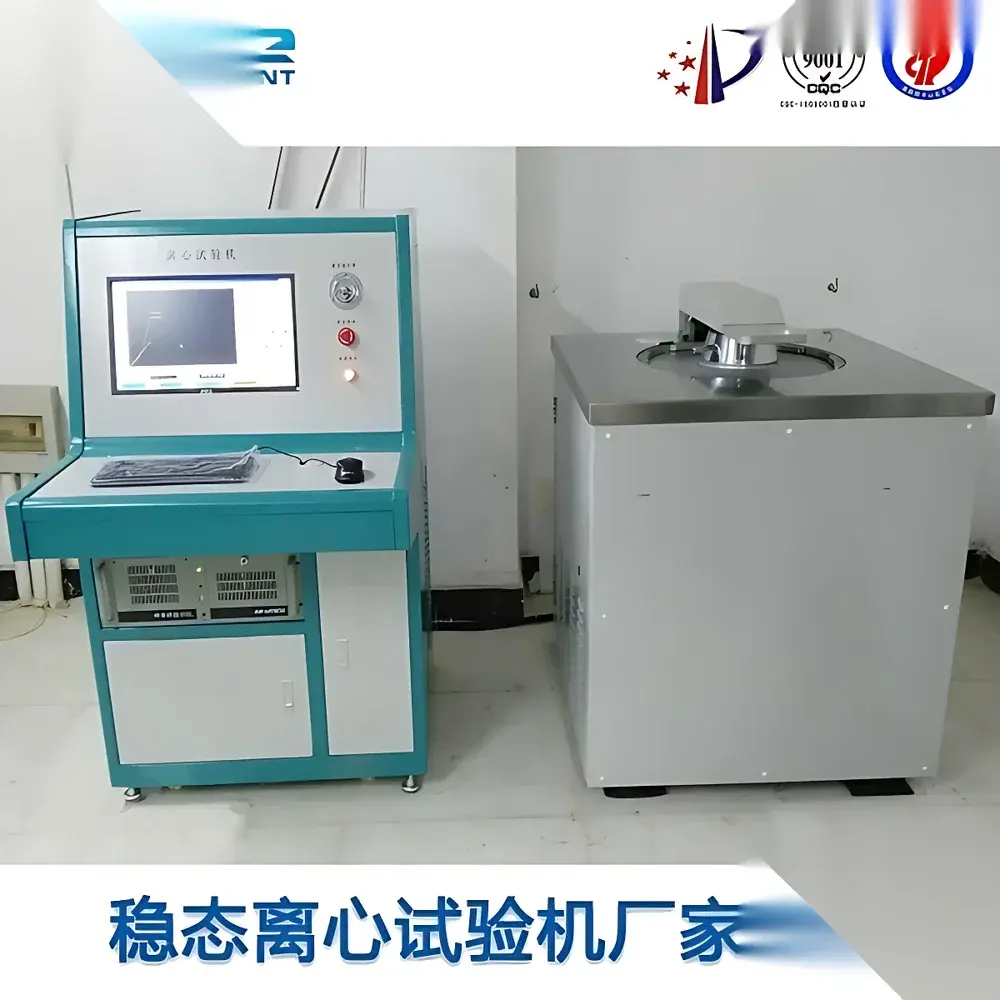
Other Brands LXJ Series Acceleration Centrifuge Test System
| Key | Brand: Other Brands |
|---|---|
| Origin | Imported |
| Manufacturer Type | Authorized Distributor |
| Price | USD 28,000 (approx.) |
| Compliance Standards | MIL-STD-810F, MIL-STD-883C, MIL-STD-202F, GJB 150, GJB 360, GB/T 2423, IEC 60068-2-27 |
| Max Acceleration Range | 30–400,000 g (5 models) |
| Sample Mounting Radius | 200–1000 mm |
| Specimen Height Limit | 200–300 mm |
| Test Axes | X, Y, Z orthogonal directions |
| Fixture Stations | 4–64 positions |
| Continuous Operation Duration | 30–60 min |
| Power Supply | AC 380 V, 1.5–6.5 kVA |
| Sliding Ring | 15-channel, 500 V / 5 A |
| Weight | 1000–2300 kg |
| Dimensions (L×W×H) | 924×910×1242 mm to 1953×470×993 mm |
Overview
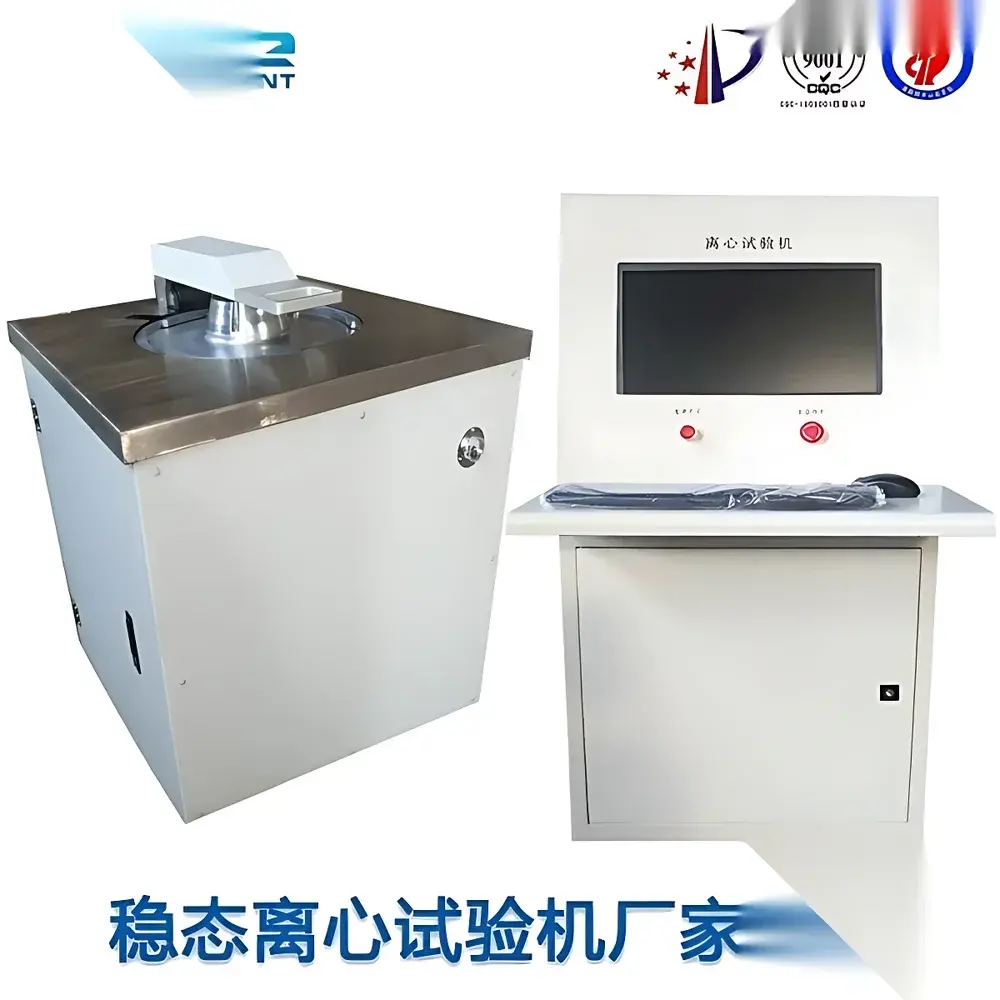
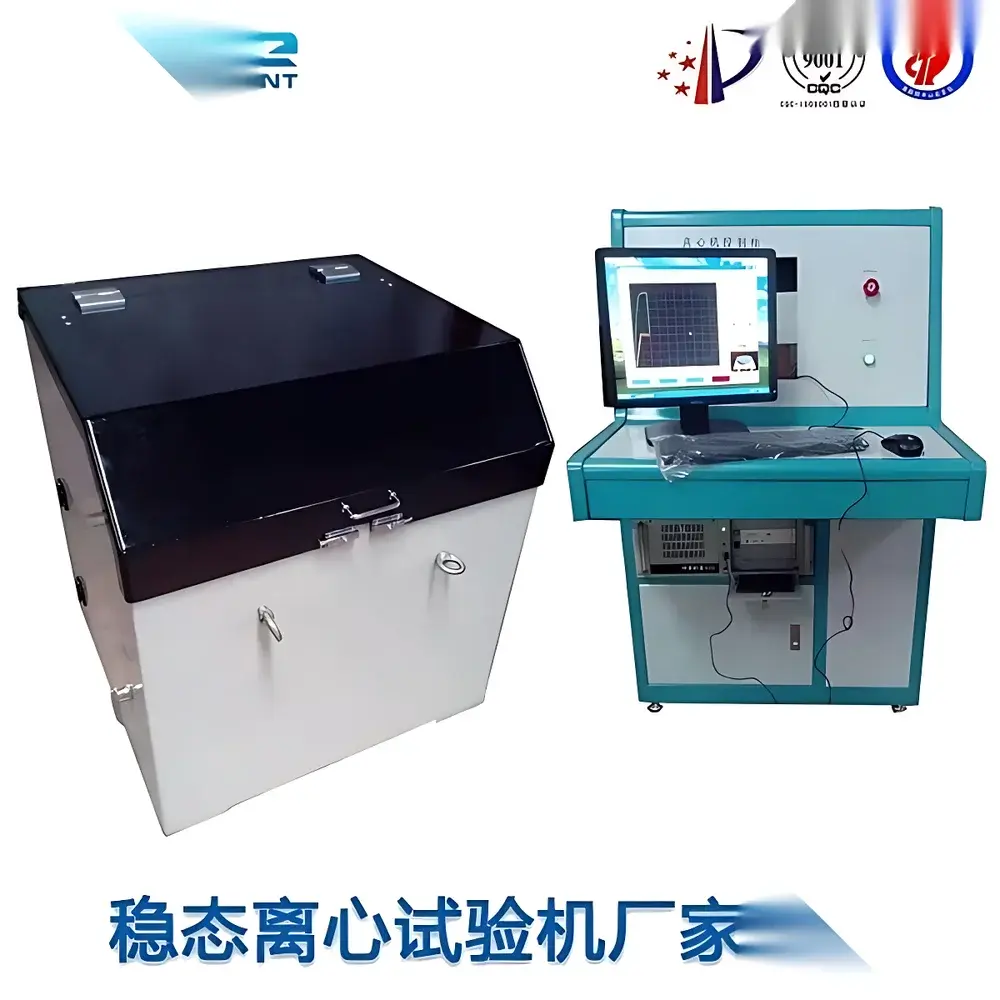
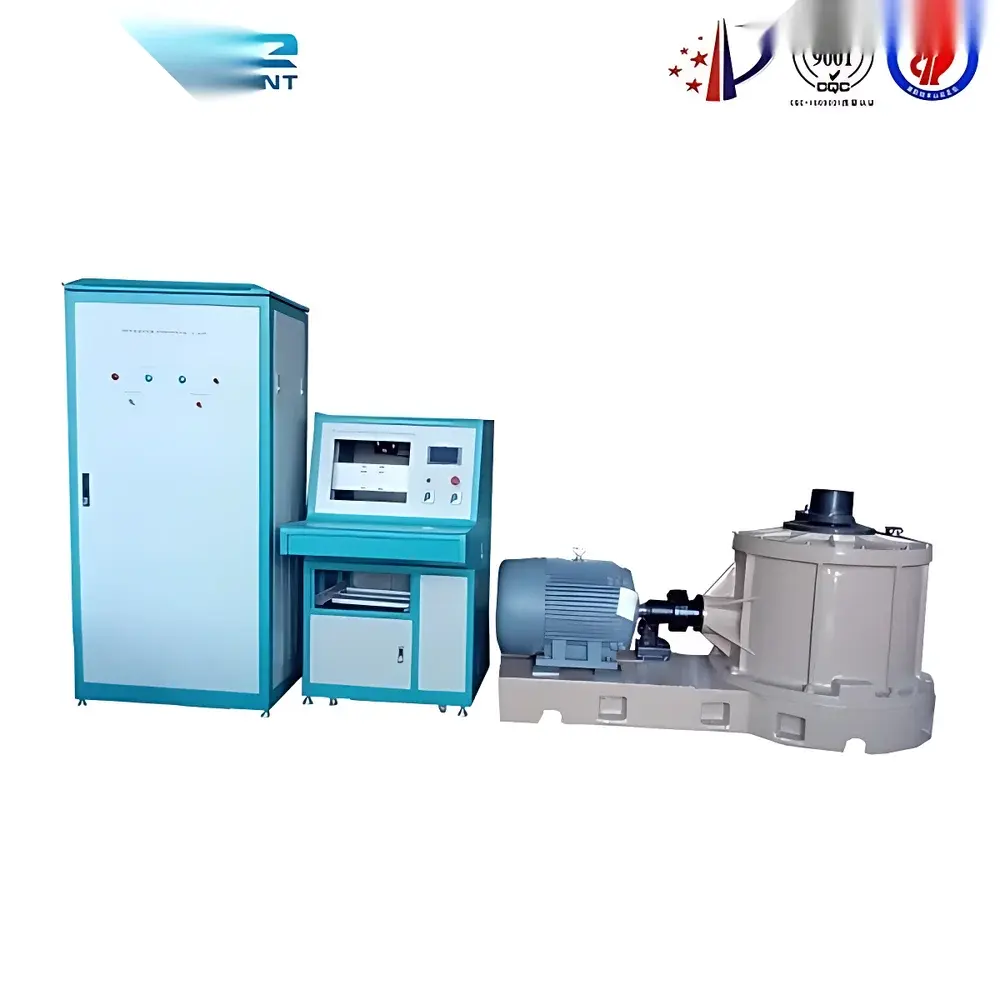
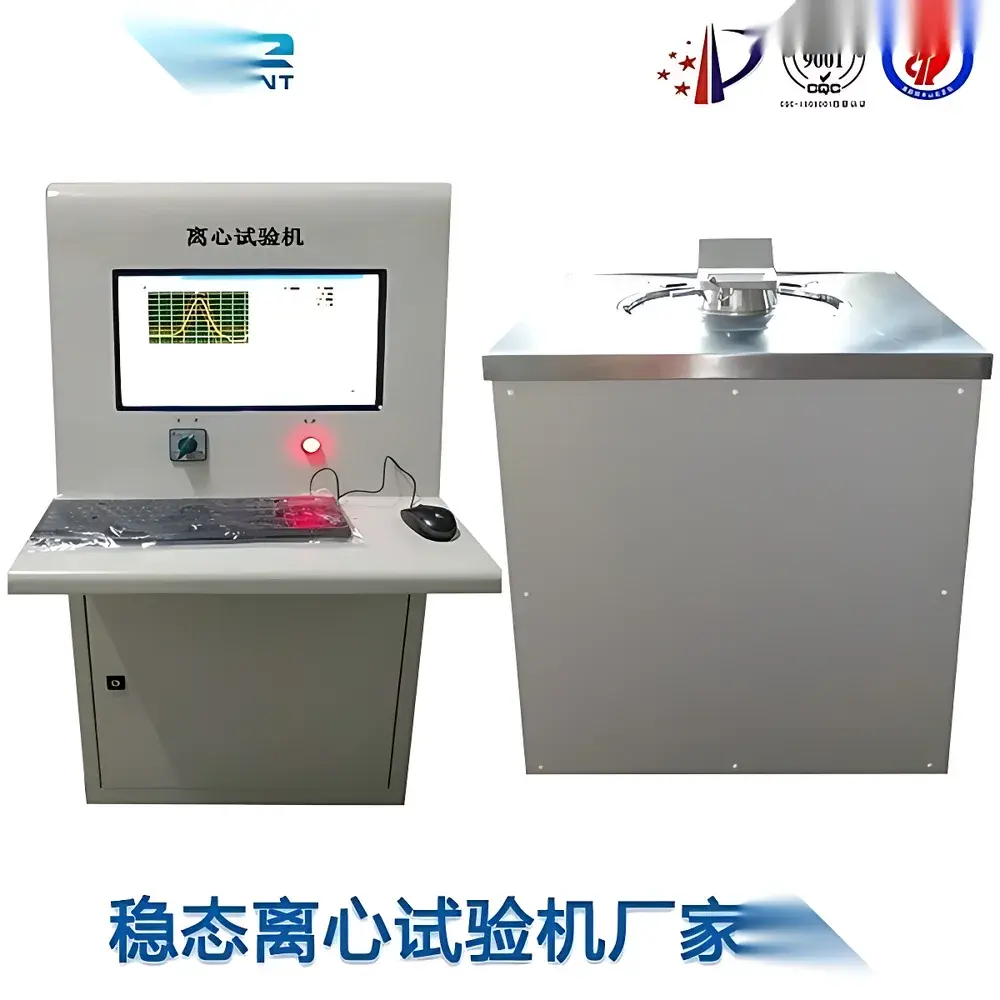
The Other Brands LXJ Series Acceleration Centrifuge Test System is an electromechanical high-g acceleration simulator engineered for rigorous structural and functional evaluation of electronic components, microelectromechanical systems (MEMS), avionics subassemblies, and miniature electro-mechanical devices under controlled inertial loading conditions. Unlike gravitational acceleration testing, this system applies precisely regulated radial centrifugal acceleration—expressed in multiples of standard gravity (g)—to replicate dynamic overloads encountered during launch, weapon deployment, rapid maneuvering, or shock-induced transient acceleration events. The core measurement principle relies on rotational kinematics: acceleration magnitude (a) is determined by the equation a = ω²r, where angular velocity (ω) and effective radius (r) are independently controlled and monitored in real time. Designed for laboratory-grade repeatability and traceable calibration, the LXJ platform supports both steady-state and multi-step ramped acceleration profiles, enabling compliance verification against military, aerospace, and industrial environmental stress screening protocols.
Key Features
- Real-time industrial PC-based control with deterministic timing resolution ≤10 ms for acceleration profile execution and fault response
- Multi-stage programmable acceleration sequencing—including step, ramp, dwell, and composite profiles—with user-defined dwell durations and transition rates
- Integrated safety architecture featuring hardware-enforced over-acceleration cutoff, overspeed shutdown, open-circuit detection, and thermal monitoring of motor windings and bearing assemblies
- Dual-mode operation: fully automated test sequence execution or manual incremental control with live torque and RPM feedback
- Modular slip-ring assembly supporting up to 15 independent electrical channels (500 V / 5 A per channel), enabling simultaneous power delivery, signal acquisition, and sensor telemetry during rotation
- Adjustable specimen mounting radius (200–1000 mm) with precision-machined balancing fixtures to minimize dynamic imbalance at high rotational speeds
- Three-axis orthogonal test capability: specimens may be oriented and secured to undergo acceleration along X, Y, or Z axes relative to the centrifuge’s rotational plane—critical for anisotropic device validation
Sample Compatibility & Compliance
The LXJ series accommodates specimens up to 300 mm in height and varying mass distributions across 4–64 fixture stations, depending on selected model configuration. Fixturing solutions include custom-machined aluminum cradles, vacuum chucks, and low-outgassing polymer mounts compatible with cleanroom and vacuum-integrated environments. All models are designed and validated to meet the mechanical and procedural requirements of internationally recognized standards including MIL-STD-810F Method 513.6 (Acceleration), MIL-STD-883C Method 2001 (Centrifugal Acceleration), GJB 150.15A–2017, GB/T 2423.15–2008, and IEC 60068-2-27 (Shock). Calibration certificates are traceable to national metrology institutes (NMI) and include uncertainty budgets per ISO/IEC 17025. System documentation supports GLP/GMP audit readiness, with configurable electronic logbooks and timestamped event records aligned with FDA 21 CFR Part 11 data integrity principles.
Software & Data Management
The embedded control software provides a deterministic real-time operating environment for test definition, execution, and post-processing. Users define acceleration profiles via intuitive graphical editors, specifying target g-levels, ramp rates (g/s), hold times, and tolerance bands (±1.5% typical). During operation, synchronized data streams—including actual acceleration (via calibrated piezoresistive accelerometers), rotational speed (encoder-resolved), motor current, temperature, and safety status—are acquired at ≥1 kHz sampling rate and stored in binary HDF5 format. Export options include CSV, MATLAB .mat, and XML-based test report templates compliant with MIL-HDBK-340 reporting conventions. Audit trails record all user actions, parameter changes, and system faults with cryptographic timestamps; archived datasets retain full metadata for long-term reproducibility and regulatory review.
Applications
- Qualification testing of inertial sensors (accelerometers, gyroscopes) and MEMS resonators under sustained high-g loads
- Structural integrity assessment of solder joints, wire bonds, and ceramic substrates in semiconductor packages
- Verification of latch-up immunity and parametric drift in analog ICs subjected to inertial stress
- Validation of mechanical retention systems for airborne electronics enclosures and pogo-pin interconnects
- Environmental stress screening (ESS) of space-qualified components per ECSS-Q-ST-30-01C
- Failure mode analysis of miniature actuators, relays, and optical alignment mechanisms under directional acceleration loading
FAQ
What acceleration ranges are supported across the LXJ model variants?
The LXJ series comprises five distinct configurations: LXJ-35 (30–2000 g), LXJ-102 (30–2000 g), LXJ-200 (50–1000 g), LXJ-050 (50–1000 g), and LXJ-005 (1000–200,000 g and 5000–400,000 g dual-range variants). Maximum achievable g-level depends on specimen radius and rotational speed limits.
Can the system perform tests in all three orthogonal axes without reconfiguration?
Yes—the mounting plate is designed for 90° rotational indexing between X, Y, and Z orientations. Each orientation is mechanically referenced and verified via laser alignment prior to test initiation.
Is remote monitoring and control supported?
Standard Ethernet (TCP/IP) and optional fiber-optic isolation interfaces enable secure remote supervision, real-time waveform streaming, and emergency stop activation from external command stations.
How is calibration maintained over time?
Annual recalibration is recommended using NIST-traceable reference accelerometers. Built-in self-test routines verify encoder linearity, torque sensor offset, and slip-ring continuity prior to each test run.
Does the system support integration with existing test management platforms?
Yes—OPC UA and RESTful API endpoints are available for integration with enterprise test orchestration systems (e.g., NI TestStand, Keysight PathWave, or custom MES environments).



