
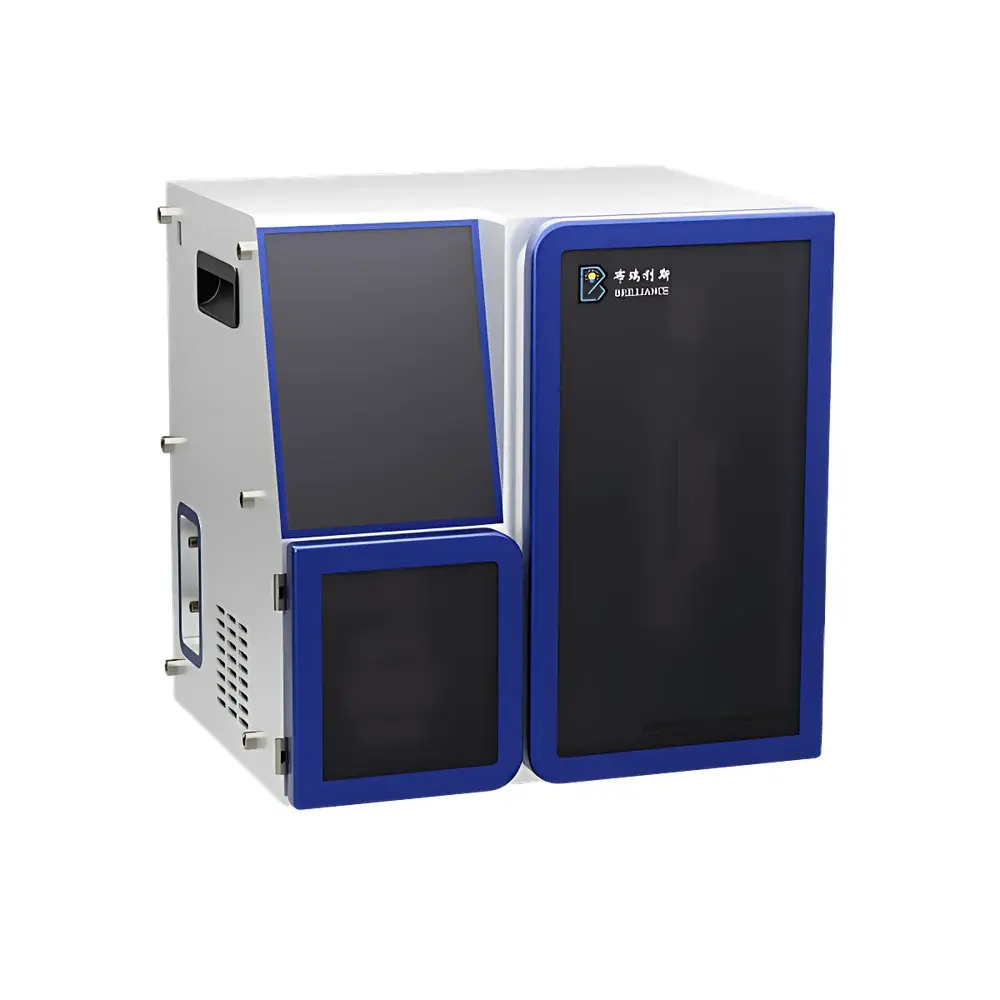
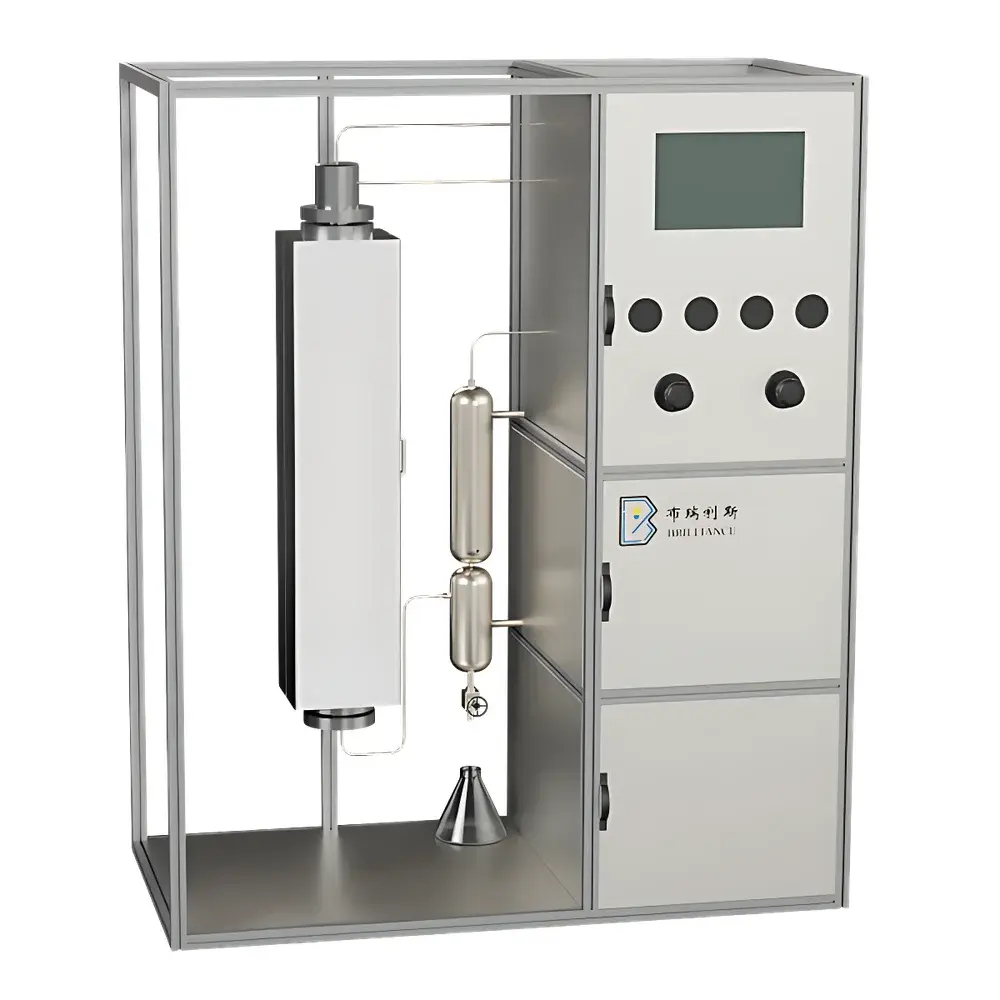
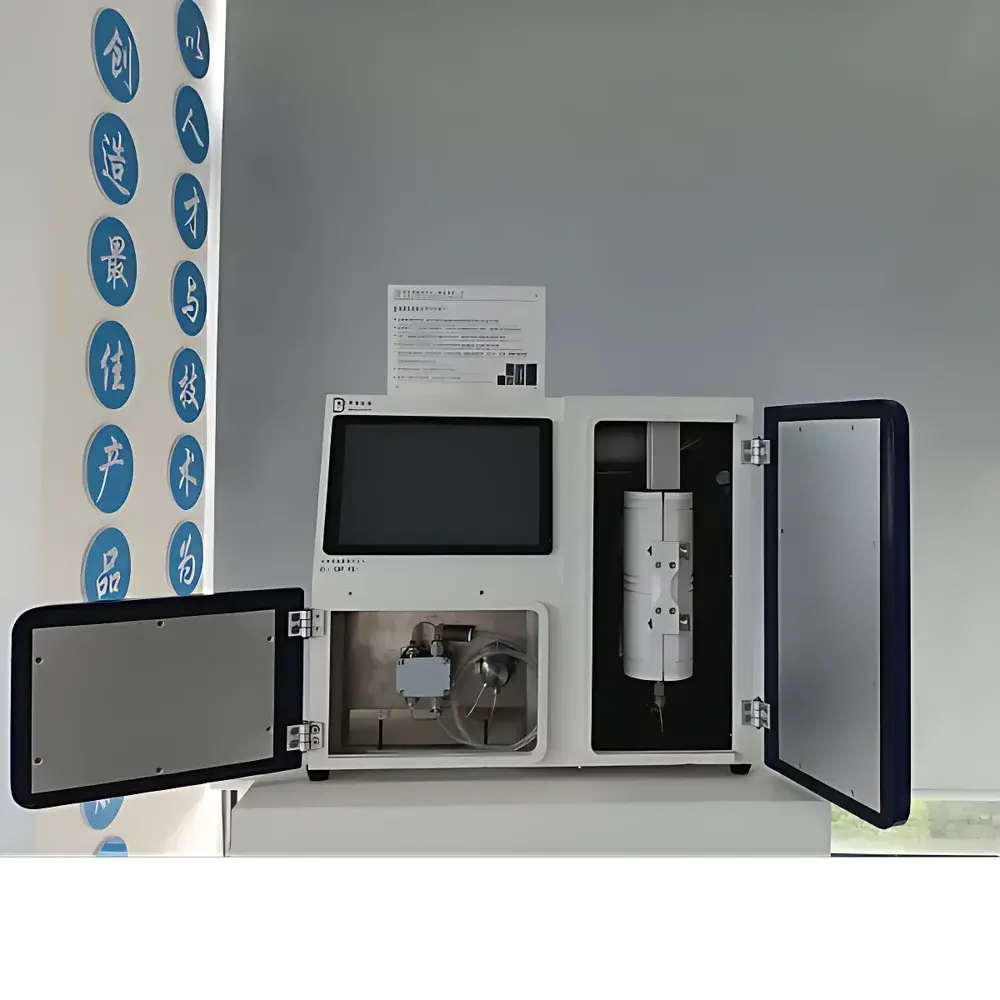
Brilliance Bri-CMF Continuous Multiphase Catalytic Parallel Reactor
| Brand | Brilliance |
|---|---|
| Origin | Zhejiang, China |
| Manufacturer Type | OEM Manufacturer |
| Country of Origin | China |
| Model | Bri-CMF |
| Price Range | USD 15,500 – 63,000 (FOB) |
| Max Operating Pressure | ≤10 MPa |
| Max Operating Temperature | 220 °C |
| Catalyst Bed Volume per Channel | 5 mL |
| Reactor Material | 316L SS / Hastelloy C-276 |
| Channel Configurations | 1, 2, 4, or 8 independent reaction zones |
| Liquid Feed Rate | 0.01–8 mL/min |
| Liquid Flow Accuracy | ±1% FS |
| H₂ Feed Range | 5–100 sccm |
| N₂ Feed Range | 5–100 sccm |
| Preheater Temp Range | RT–220 °C |
| Dimensions (4-channel) | 570 × 695 × 720 mm |
Overview
The Brilliance Bri-CMF Continuous Multiphase Catalytic Parallel Reactor is an engineered platform for high-throughput, reproducible evaluation of heterogeneous catalysts under industrially relevant continuous-flow conditions. Based on fixed-bed catalytic reactor architecture with precise gas–liquid–solid three-phase contact control, the system enables kinetic studies, catalyst screening, and process parameter optimization for reactions including hydrogenation, hydrodeoxygenation, hydrodesulfurization, and selective oxidation. Unlike batch autoclaves, the Bri-CMF operates under true steady-state flow conditions—minimizing transient effects, eliminating batch-to-batch variability, and significantly reducing scale-up risk. Its modular design supports single- to eight-channel parallel operation, each with independent temperature, pressure, flow, and composition control—ensuring statistical robustness in catalyst performance ranking and mechanistic insight generation.
Key Features
- Independent channel control: Each reactor zone features dedicated mass flow controllers (MFCs) for H₂ and inert gases (e.g., N₂), precision syringe pumps for liquid feed, and individual PID-regulated heating zones—enabling simultaneous evaluation of multiple catalysts or reaction conditions.
- Intrinsic safety by design: Compact reactor volume (<10 mL per channel), low thermal mass, and integrated pressure relief mechanisms comply with ISO 4414 and PED 2014/68/EU requirements for pressurized equipment up to 10 MPa.
- Enhanced mass and heat transfer: Optimized internal geometry—including structured packing support and coaxial gas–liquid distributor—ensures uniform radial distribution, high interfacial area, and minimized axial dispersion (Péclet number >100).
- Full-process automation: Integrated PLC-based control system synchronizes all hardware modules; real-time data acquisition at 1 Hz resolution with timestamped logging to local SSD storage and optional cloud backup.
- Scalable architecture: Base unit accommodates 1–4 channels; expansion kits allow seamless upgrade to 8 independent reactors without revalidation. All channels share common utility interfaces (gas manifolds, cooling lines, power bus) to maintain footprint efficiency.
- Chemical compatibility: Wetted parts constructed from ASTM A240 316L stainless steel or UNS N10276 (Hastelloy C-276) for resistance to acidic, halogenated, and high-H₂S environments per NACE MR0175/ISO 15156.
Sample Compatibility & Compliance
The Bri-CMF supports catalysts in pellet, extrudate, or granular form (0.3–1.8 mm particle size) with total bed volume per channel standardized at 5 mL. It accommodates liquid feeds ranging from volatile solvents (e.g., methanol, THF) to high-boiling-point substrates (e.g., fatty acid methyl esters, bio-oils). Gas-phase reactants include H₂, CO, CO₂, O₂, NH₃, and syngas mixtures. The system meets CE marking requirements for electromagnetic compatibility (EN 61326-1) and low-voltage directive (2014/35/EU). For regulated environments, optional audit-trail-enabled firmware complies with FDA 21 CFR Part 11 requirements, supporting electronic signatures, user role management, and immutable raw-data archiving aligned with GLP and GMP documentation standards (ISO/IEC 17025).
Software & Data Management
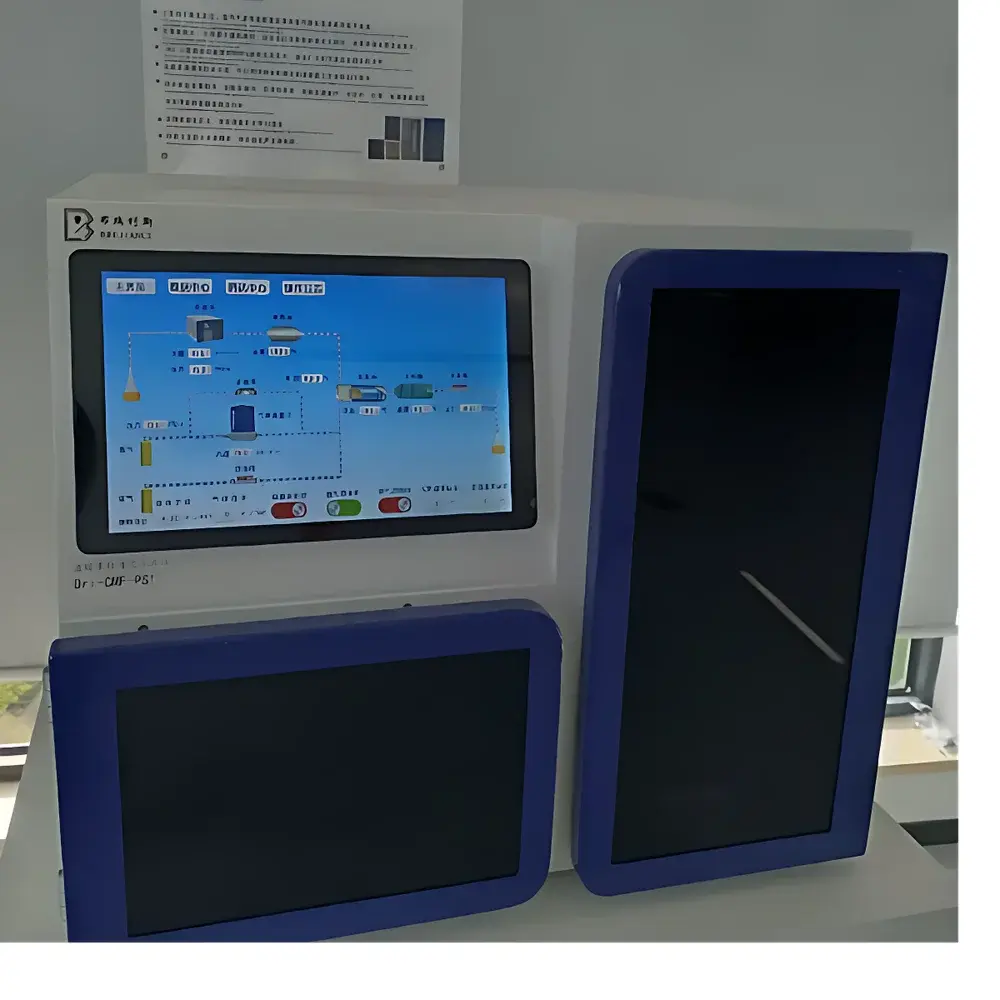
The proprietary BriControl™ software provides a fully graphical, touch-optimized interface running on Windows 10 IoT Enterprise. Real-time visualization includes dynamic P&ID schematics with live status indicators (valve position, heater duty cycle, MFC setpoints), trend plots for temperature/pressure/flow, and overlay-capable comparative analysis across channels. All operational parameters and sensor outputs are logged in HDF5 format with embedded metadata (user ID, method file hash, calibration timestamps). Export options include CSV, MATLAB .mat, and ASTM E2500-compliant PDF reports. Remote monitoring via secure TLS 1.3 connection supports integration into LabVantage or Thermo Fisher SampleManager LIMS environments.
Applications
- Rapid catalyst screening for pharmaceutical hydrogenations (e.g., nitro- to amino-reduction, enantioselective asymmetric hydrogenation)
- Renewable fuel upgrading: hydrotreating of pyrolysis oil, hydrodeoxygenation of lignin-derived phenolics
- Chemical intermediate synthesis: selective hydrogenation of alkynes to alkenes, reductive amination, nitrile reduction
- Deactivation kinetics studies under realistic sulfur/chloride poisoning conditions
- Reaction engineering validation: residence time distribution (RTD) analysis, intrinsic vs. apparent kinetics deconvolution
- Process intensification assessment: comparison of trickle-bed vs. microchannel configurations under identical ΔP constraints
FAQ
Can the Bri-CMF be used for exothermic reactions requiring precise temperature control?
Yes—the system employs dual-zone heating (preheater + reactor bed) with independent 0.1 °C resolution PID loops and optional IR surface temperature feedback to mitigate hot-spot formation.
Is catalyst loading and unloading performed under inert atmosphere?
Each reactor channel integrates a Swagelok® VCR-compatible quick-disconnect flange with purge ports, enabling glovebox-integrated loading or in-situ passivation under N₂/Ar.
Does the system support reactive gas mixtures (e.g., H₂/NH₃ or H₂/CO)?
Yes—custom MFC configurations accommodate up to three independent gas streams per channel with cross-talk isolation verified per ISO 8503-3.
What level of validation documentation is provided?
Factory acceptance test (FAT) reports, as-found/as-left calibration certificates traceable to NIST standards, and IQ/OQ protocols compliant with ASTM E2500-07 are included.
Can the Bri-CMF interface with third-party analytical systems?
Digital I/O (RS485, Modbus TCP) and analog 4–20 mA outputs enable direct synchronization with online GC, FTIR, or Raman spectrometers for closed-loop feedback control.



