
Brookfield DVNext Advanced Rotational Rheometer
No specifications available.
Overview
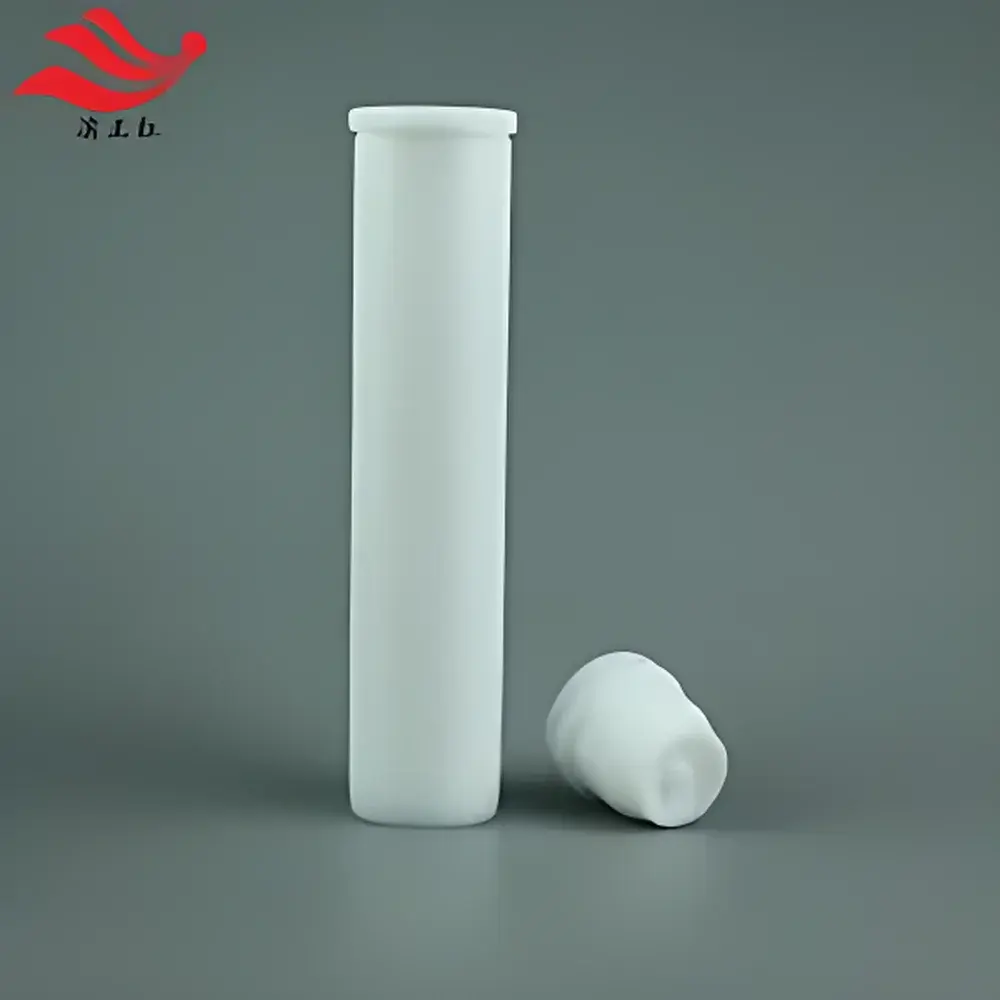
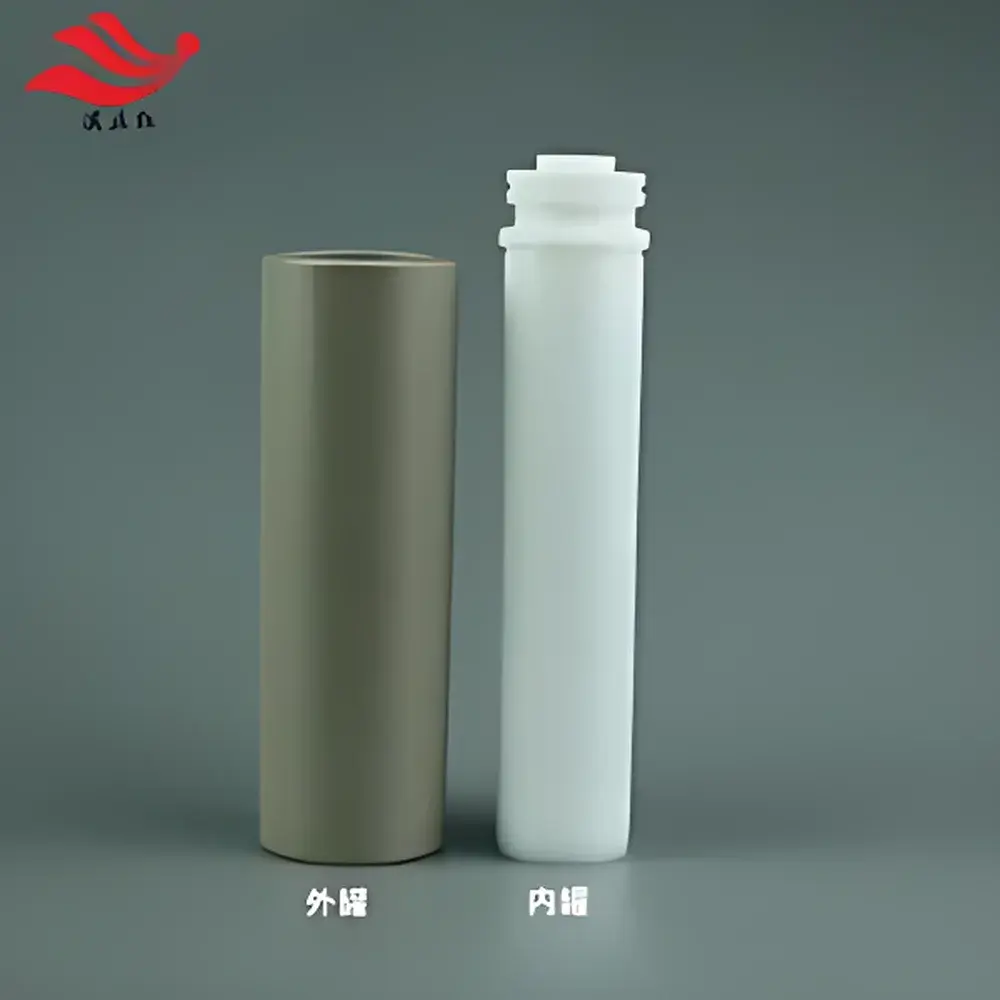
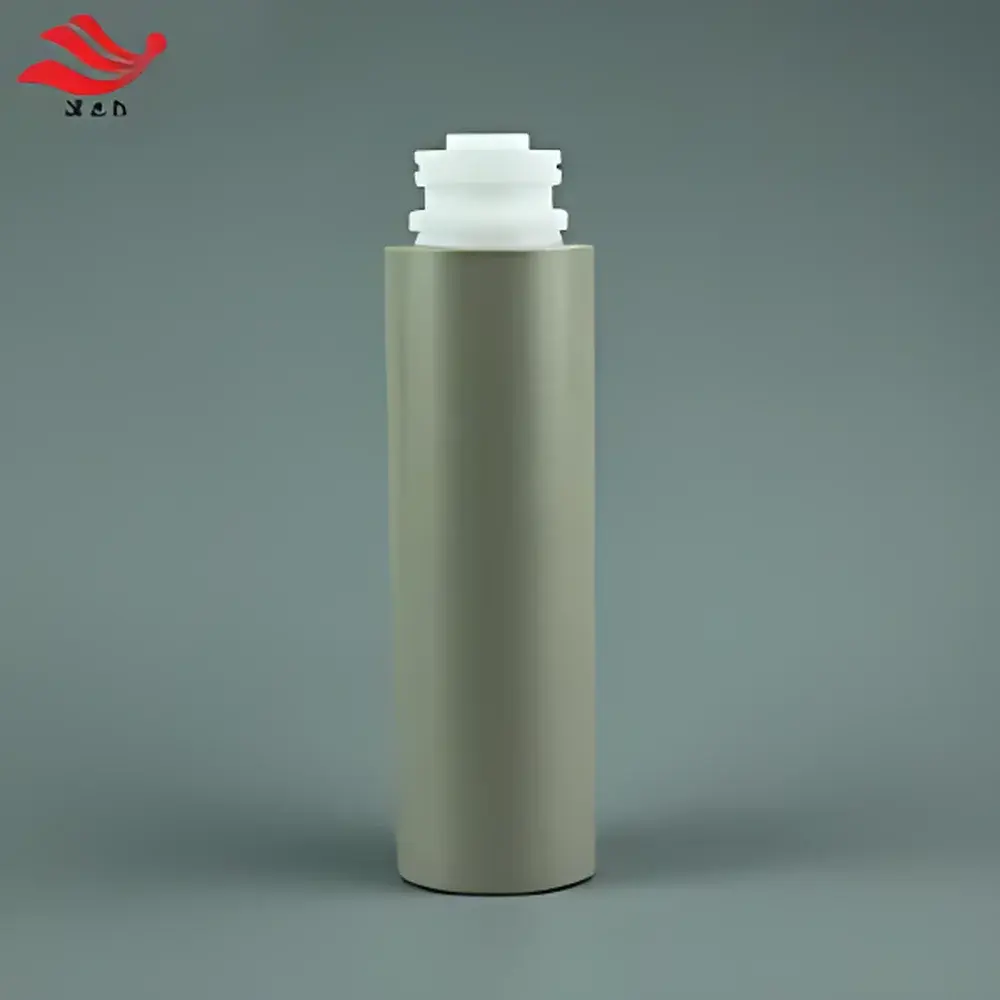
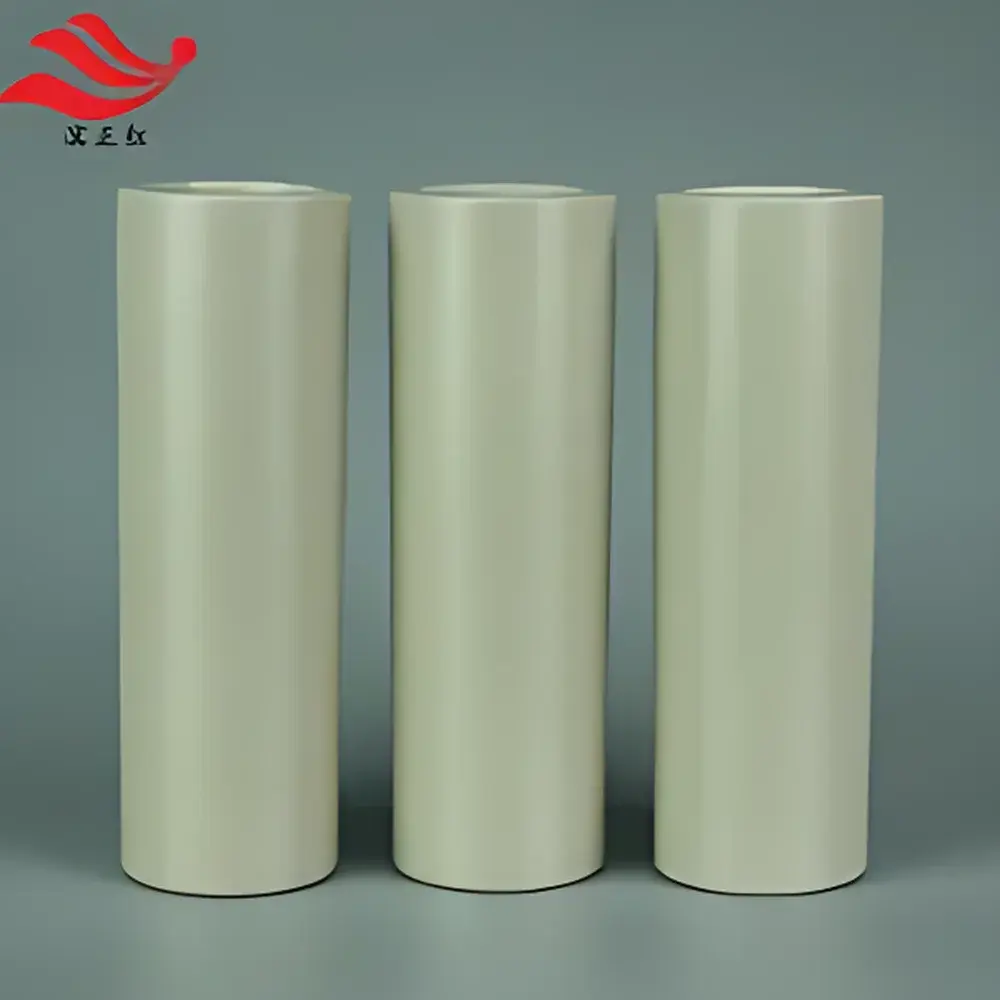
The M3/M6 Custom Microwave Digestion Vessels are precision-engineered consumables designed exclusively for use with microwave-assisted acid digestion systems. These vessels operate on the principle of closed-vessel, high-temperature/pressure microwave heating to achieve complete sample mineralization—enabling trace-element analysis by ICP-OES, ICP-MS, or AAS. Unlike open-vessel digestion, the sealed M3/M6 system maintains controlled reaction environments up to 300 °C and 150 bar, ensuring quantitative recovery of volatile analytes (e.g., As, Hg, Se) while minimizing contamination risk and reagent blank contribution. The vessels are constructed from high-purity PTFE-TFM™ and reinforced with PFA or quartz outer jackets depending on application severity, delivering exceptional chemical inertness against HF, aqua regia, and perchloric acid.
Key Features
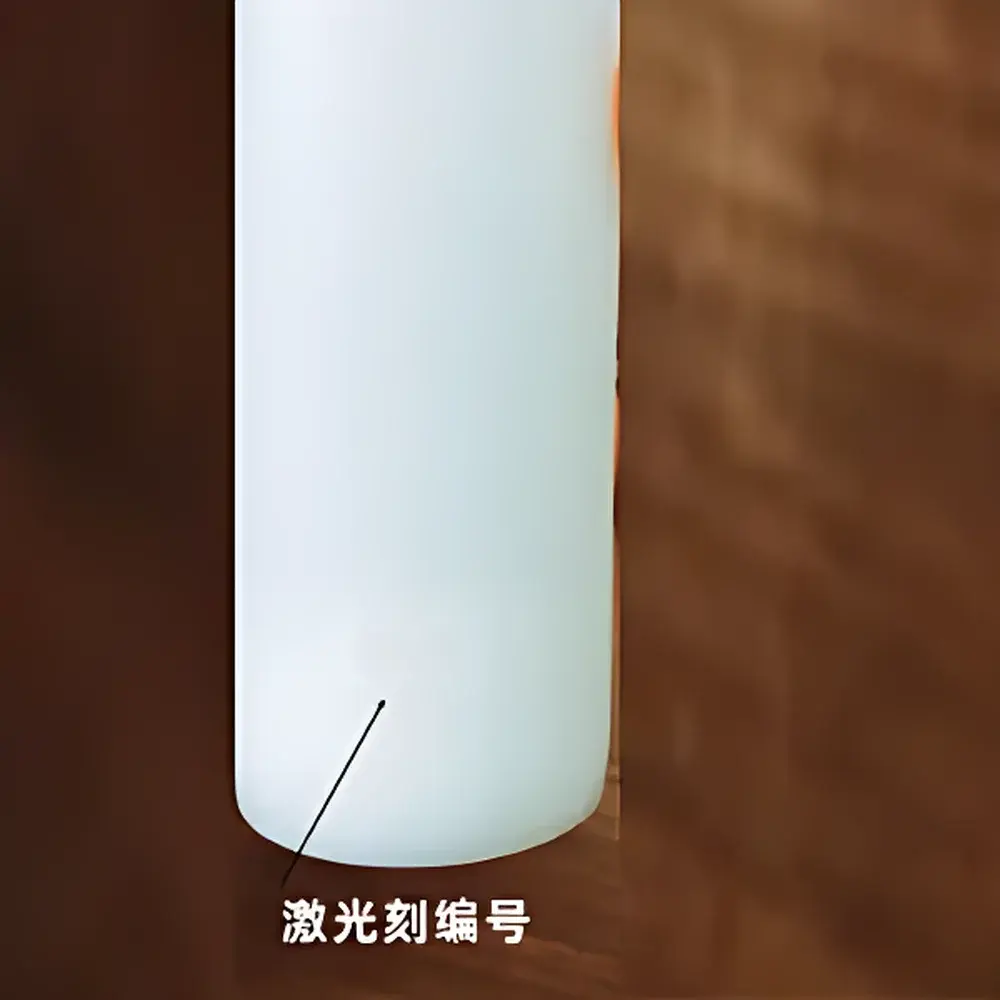
- Laser-engraved unique identification codes on each inner vessel—enabling full traceability from digestion batch to analytical result, critical for ISO/IEC 17025-compliant laboratories.
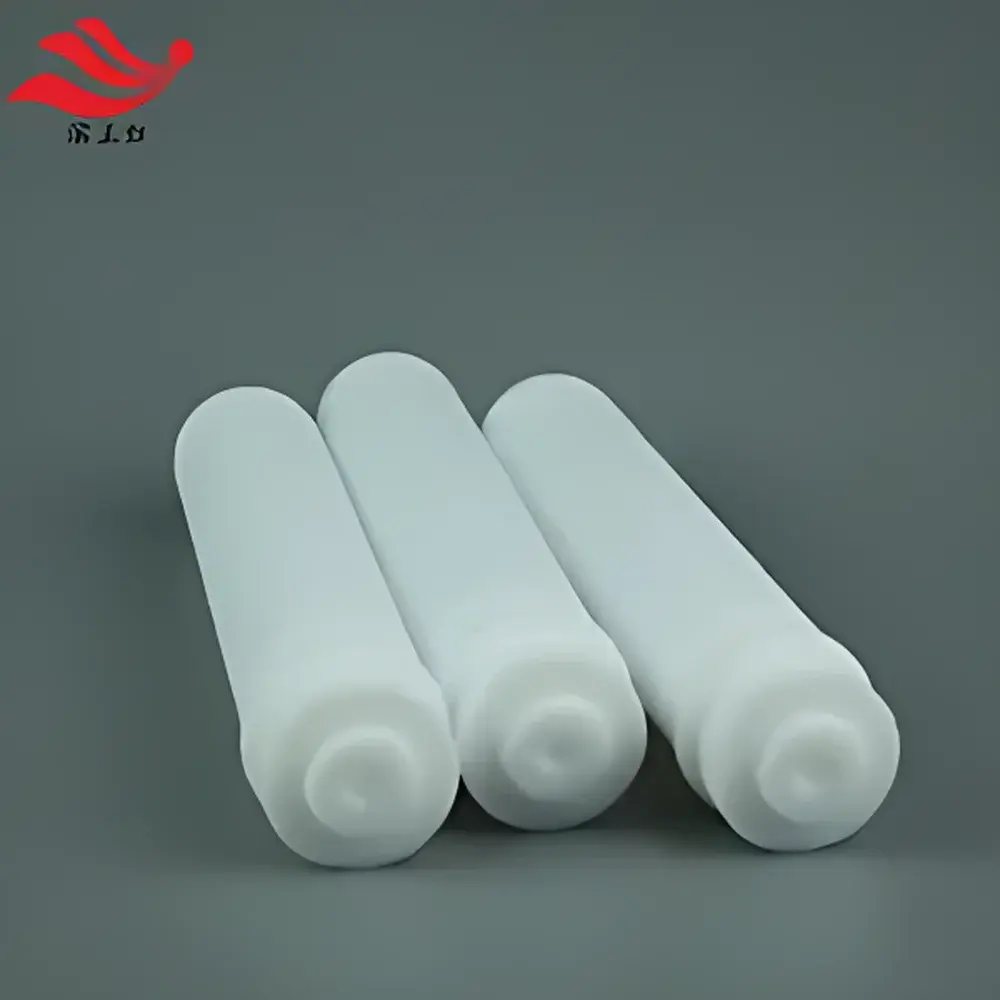
- Modular two-piece design: M3 inner vessel (6 mL capacity) paired with M6 outer pressure containment sleeve (100 mL total volume), optimized for simultaneous multi-sample processing in rotor-based microwave platforms.
- TFM™-lined inner vessels provide superior resistance to thermal shock and creep deformation under repeated high-pressure cycles—validated for ≥500 autoclave-grade digestions per set when operated within manufacturer-specified torque and temperature profiles.
- Threaded sealing mechanism with dual O-ring geometry (Viton® + Kalrez® optional) ensures leak-tight integrity across pH 0–14 and temperature gradients from –40 °C to +320 °C.
- Autoclavable and compatible with standard rotor configurations (e.g., Milestone ETHOS UP, CEM Mars 6, Anton Paar Multiwave PRO).
Sample Compatibility & Compliance
The M3/M6 vessel system supports a broad spectrum of solid and semi-solid matrices—including soils, sediments, biological tissues, polymers, and foodstuffs—per ASTM D5511, EPA Method 3052, and ISO 11466. Each production lot undergoes rigorous batch certification for elemental impurities (ICP-MS screening for Na, K, Ca, Fe, Cr, Ni, Cu, Zn, Pb < 10 pg/g), documented in Certificate of Analysis (CoA). Vessels comply with GLP requirements for audit-ready documentation, including lot-specific CoAs, sterilization validation reports, and mechanical integrity test logs. Traceability aligns with FDA 21 CFR Part 11 expectations for electronic record retention when integrated with LIMS-linked digestion workflows.
Software & Data Management
While the M3/M6 vessels themselves are passive hardware components, their laser-etched IDs interface seamlessly with laboratory informatics systems via barcode scanning or direct integration into digestion platform software (e.g., CEM’s iPrep or Milestone’s Ethos Touch). This enables automated logging of vessel usage history—including cycle count, maximum pressure/temperature exposure, and associated sample IDs—supporting preventive maintenance scheduling and regulatory review readiness. Audit trails generated during digestion sequence execution meet ISO 17025 clause 7.9 (result reporting) and EU Annex 11 (computerized system validation) requirements for data integrity.
Applications
- Environmental testing: Heavy metal quantification in contaminated soils (Pb, Cd, As) per EPA SW-846 Method 6010D.
- Clinical and pharmaceutical QA/QC: Residual catalyst metal analysis (Pd, Pt, Rh) in active pharmaceutical ingredients (APIs) per USP <232> <233>.
- Geochemical research: Rare earth element (REE) profiling in silicate rocks using high-resolution ICP-MS after HF-HNO₃-HClO₄ digestion.
- Materials science: Leachate testing of battery cathode materials (Ni, Co, Mn) under simulated landfill conditions per TCLP protocols.
- Nutritional analysis: Total mineral content (Ca, Mg, Zn, Fe) in fortified cereals and dietary supplements per AOAC 999.10.
FAQ
Are M3/M6 vessels compatible with all commercial microwave digestion systems?
Yes—mechanical dimensions and thread specifications conform to ISO 13577-2:2017 for universal rotor compatibility. Verification testing has been completed with CEM, Milestone, Anton Paar, and PerkinElmer platforms.
What is the maximum recommended operating pressure and temperature?
The M6 outer sleeve is rated to 150 bar and 300 °C; the M3 inner vessel is rated to 100 bar and 260 °C. Operating beyond these limits voids warranty and compromises safety interlock integrity.
Can vessels be reused after cleaning?
Yes—provided they pass visual inspection for scoring, discoloration, or thread deformation, and are cleaned per SOP using ultrasonic treatment in 10% HNO₃ followed by DI water rinse and Class 1000 cleanroom drying.
Is laser marking compliant with ISO/IEC 17025 traceability requirements?
Yes—the permanent, non-contact laser engraving resists solvents and thermal degradation, satisfying ISO/IEC 17025:2017 clause 7.5.2 for identification of items throughout the testing process.
Do you provide lot-specific certificates of conformance?
Yes—each shipment includes a signed CoA listing elemental impurity screening results, dimensional verification data, and pressure-test validation records.



