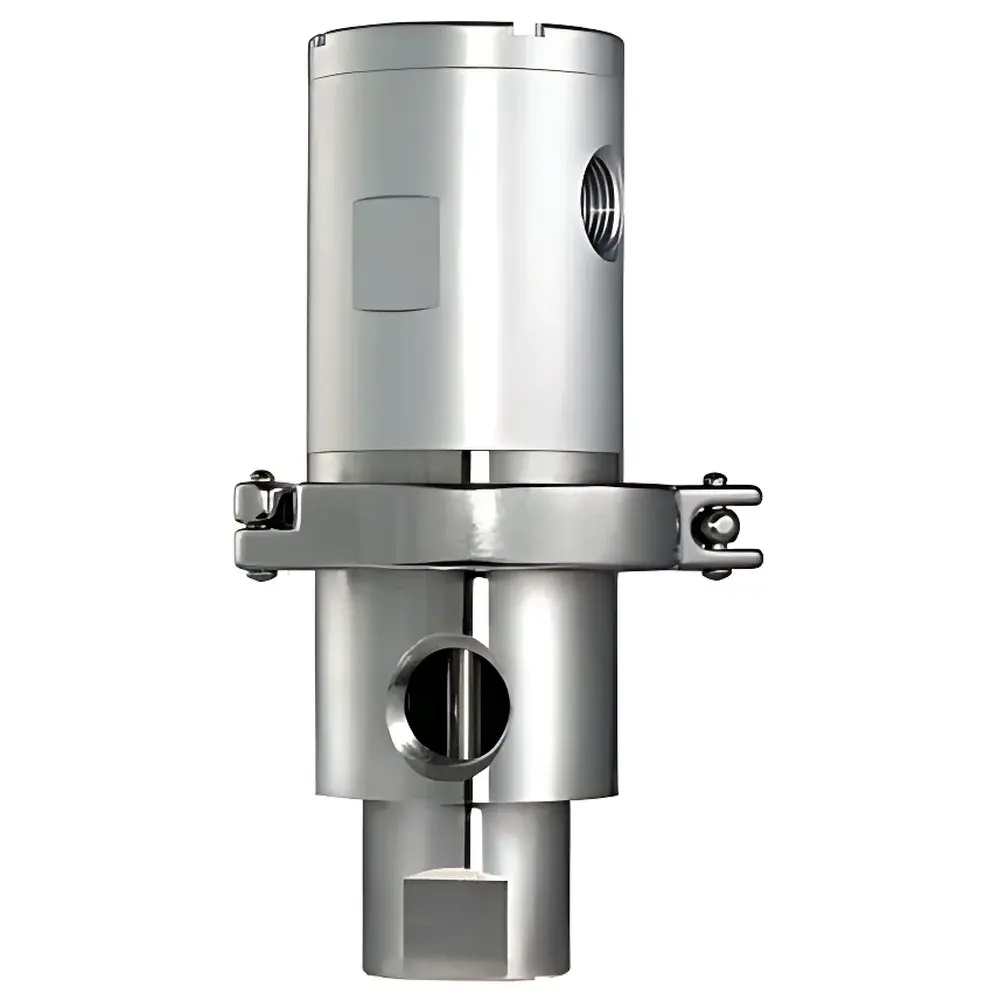
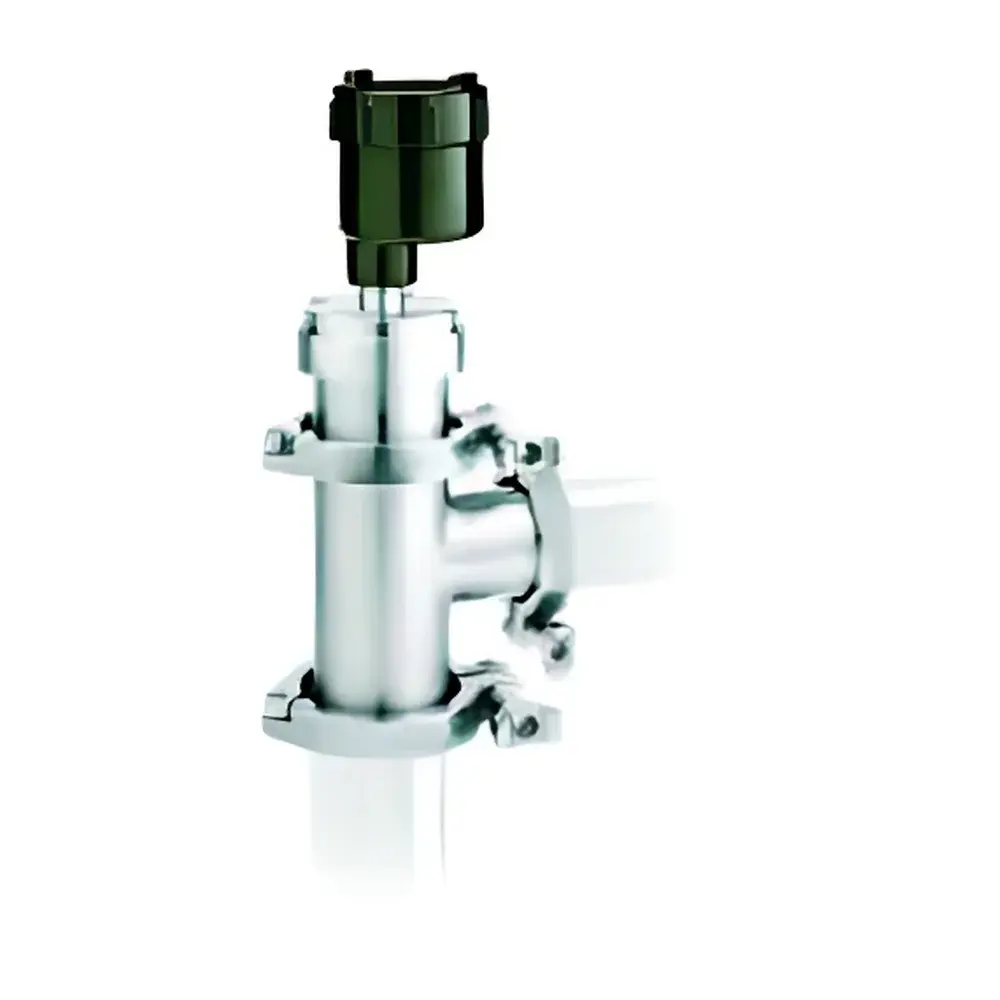
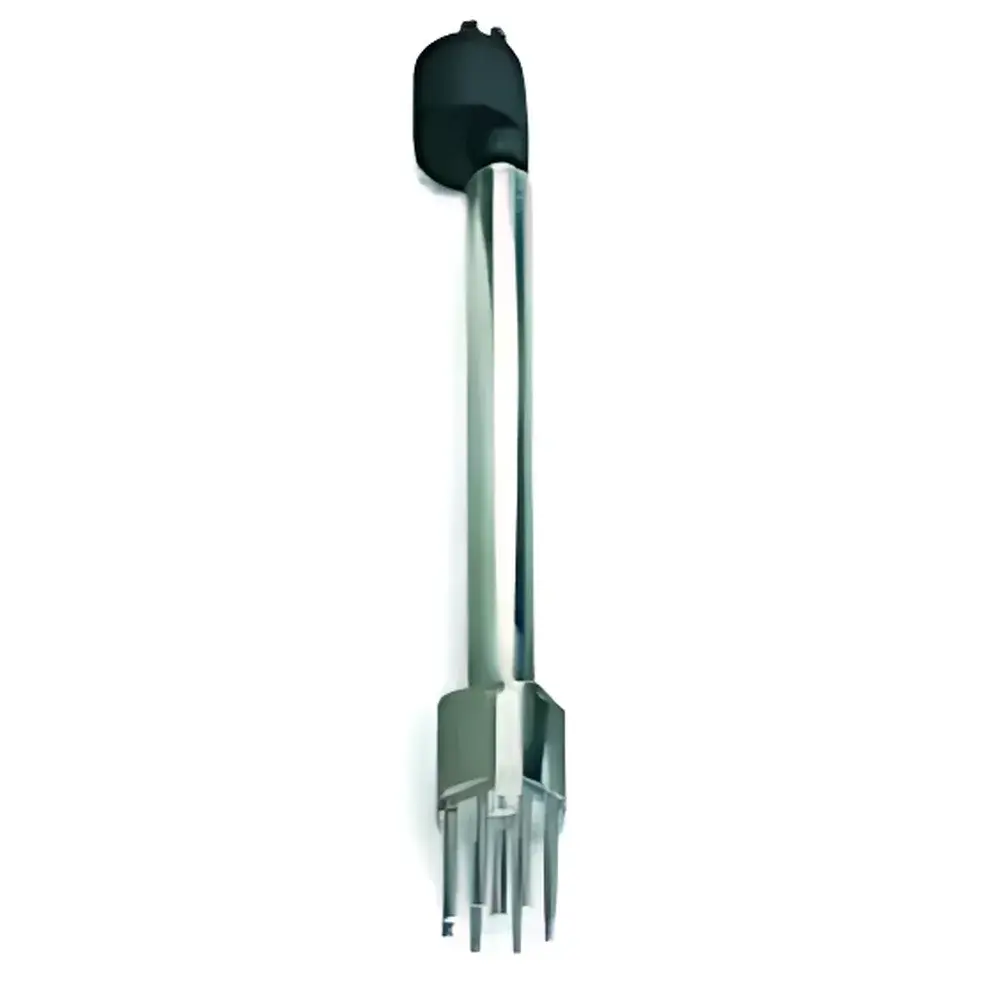
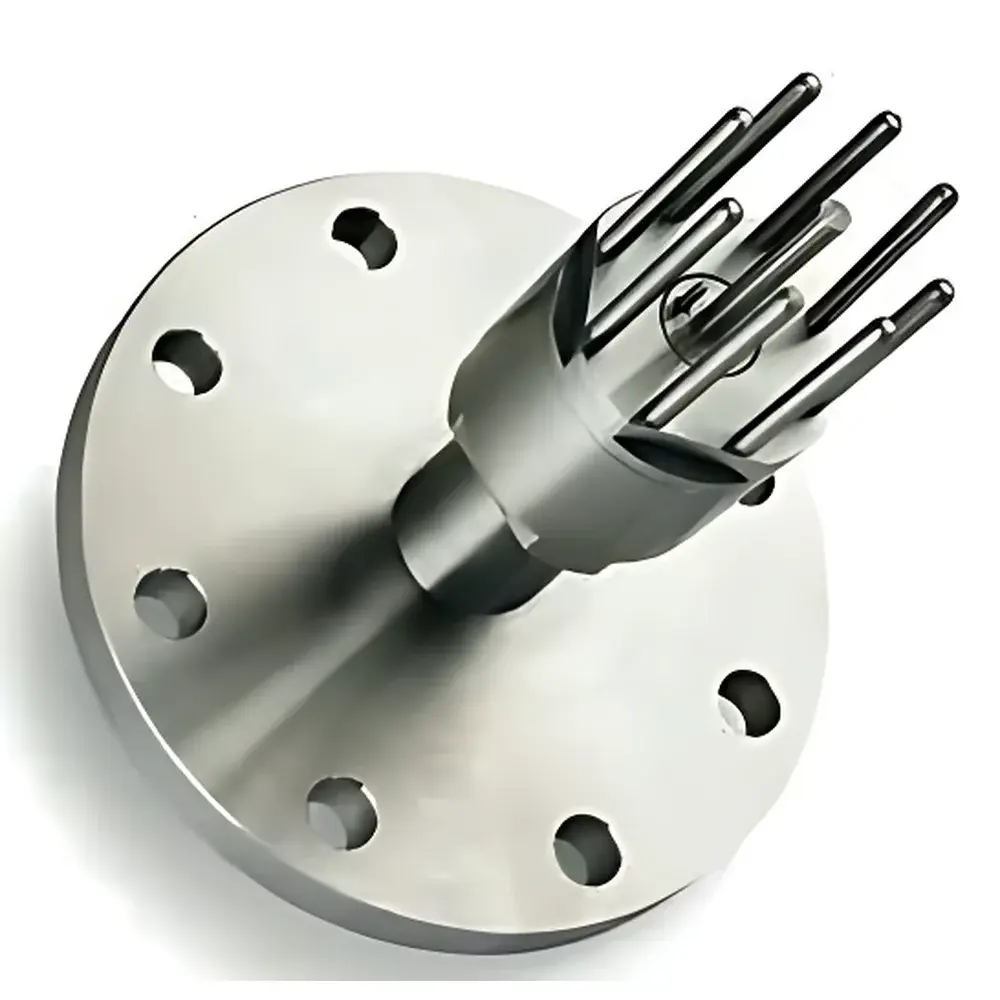
Brookfield FAST-101 Online Vibrational Viscometer
| Brand | Brookfield |
|---|---|
| Origin | USA |
| Manufacturer Type | Manufacturer |
| Origin Category | Imported |
| Model | FAST-101 |
| Viscosity Range | 1–12,000 cSt (Newtonian fluids at 25 °C, NIST-traceable) |
| Temperature Range | −20 °C to 200 °C (−4 °F to 392 °F) |
| Pressure Rating | Vacuum to 200 psi |
| Repeatability & Stability | ±1% of reading |
| Power Supply | 115/230 V AC auto-sensing, 50–60 Hz |
| Electrical Connection | FAST-101TSY: Standard 3/4″ NPT or 1″ NPT |
| FAST-102FTSY | 2½″ 3-A sanitary tri-clamp inlet, 2″ tri-clamp outlet |
| Wetted Materials | 316 stainless steel |
| Sensor O-ring Material | Isolast® (fluoroelastomer) at probe tip |
| internal cavity | EPDM or Kalrez® (optional) |
| Optional Configurations | 3-A sanitary compliance |
Overview
The Brookfield FAST-101 Online Vibrational Viscometer is an industrial-grade, in-line process viscometer engineered for continuous, real-time viscosity monitoring in demanding chemical, pharmaceutical, food & beverage, and polymer manufacturing environments. Unlike rotational or capillary-based instruments, the FAST-101 employs a patented vibrational measurement principle: a precisely tuned, magnetically driven stainless steel probe oscillates at its natural resonant frequency, which shifts predictably in response to the viscous damping effect of the surrounding fluid. This solid-state, no-moving-parts design eliminates mechanical wear, bearing degradation, or flow dependency—enabling stable, maintenance-free operation over extended production cycles. The instrument delivers NIST-traceable viscosity data across a wide dynamic range (1–12,000 cSt) under process conditions spanning −20 °C to 200 °C and vacuum to 200 psi, making it suitable for both low-viscosity solvents and highly concentrated polymer melts.
Key Features
- Vibrational sensing technology ensures immunity to particulates, shear-thinning effects, and laminar/turbulent flow variations—ideal for non-Newtonian and heterogeneous process streams.
- Robust 316 stainless steel construction with optional 3-A sanitary finish meets stringent hygienic requirements for FDA-regulated bioprocessing and dairy applications.
- Explosion-proof variants (Class I, Div 1, Groups C & D) carry FM and ATEX certifications, enabling safe deployment in hazardous areas classified per NEC and IEC 60079 standards.
- Modular probe interface options—including standard NPT threads, tri-clamp sanitary fittings (FAST-102FTSY), and flanged mounting—support flexible integration into existing piping, reactors, and hold tanks.
- High-reliability sealing system: Isolast® fluoroelastomer O-rings at the probe tip provide exceptional resistance to aggressive solvents and oxidizers; internal cavity seals available in EPDM (cost-effective) or Kalrez® (for ultra-high purity, thermal stability up to 327 °C, and broad chemical compatibility).
- Auto-sensing dual-voltage power supply (115/230 V AC, 50–60 Hz) and optional 24 V DC configuration simplify electrical infrastructure planning in global facilities.
Sample Compatibility & Compliance
The FAST-101 is validated for Newtonian fluid calibration at 25 °C with NIST-traceable reference oils, supporting routine verification per ASTM D2196 and ISO 2555. Its vibration-based measurement is inherently insensitive to suspended solids (≤200 µm), gas entrainment, and moderate fouling—reducing need for frequent cleaning or recalibration. For regulated industries, the instrument supports audit-ready operation: analog 4–20 mA output and Modbus RTU/ASCII protocols enable seamless integration with DCS and SCADA systems compliant with ISA-88 and ISA-95 frameworks. When paired with validated firmware and documented change control procedures, the FAST-101 meets key elements of FDA 21 CFR Part 11 for electronic records and signatures, as well as EU Annex 11 requirements for computerized systems used in GMP environments.
Software & Data Management
While the FAST-101 operates autonomously as a hardwired field device, its analog and digital outputs feed directly into centralized process historians (e.g., OSIsoft PI, AspenTech IP.21) and LIMS platforms. Configuration and diagnostics are performed via a local HART communicator or optional USB interface using Brookfield’s FAST Configuration Utility—a Windows-based tool that supports parameter logging, alarm threshold setup (high/low viscosity, temperature deviation), and firmware updates. All configuration changes are timestamped and user-logged, fulfilling GLP/GMP requirements for traceability. Optional pH sensor integration enables simultaneous rheological and acidity monitoring for reaction endpoint detection in neutralization or hydrolysis processes.
Applications
- Real-time endpoint determination in batch polymerization (e.g., polyacrylates, epoxies) where viscosity rise correlates directly with molecular weight development.
- In-line quality assurance during solvent-based coating formulation, preventing off-spec batches due to dilution errors or resin degradation.
- Continuous monitoring of fermentation broths and cell culture media to detect viscosity shifts associated with biomass accumulation or metabolite precipitation.
- Control of asphalt emulsion stability and bitumen modification processes in road construction material plants.
- Monitoring of edible oil winterization, where crystallization onset induces measurable viscosity increases prior to filter clogging.
FAQ
Is the FAST-101 suitable for non-Newtonian fluids?
Yes—the vibrational method responds to apparent viscosity under actual process shear conditions, providing representative values for pseudoplastic, dilatant, and yield-stress materials without requiring empirical correction factors.
Can it be calibrated in-situ without removing the probe?
Field verification is possible using a certified reference fluid introduced via a bypass loop or sampling port; full calibration requires lab-grade reference oils and controlled temperature (25 °C), typically performed during scheduled maintenance.
What maintenance intervals are recommended?
No routine mechanical maintenance is required. Visual inspection of wetted seals and probe surface integrity is advised every 6–12 months depending on service severity; O-ring replacement is only necessary if swelling, cracking, or compression set is observed.
Does it support digital communication protocols beyond 4–20 mA?
Yes—Modbus RTU (RS-485) and Modbus ASCII are standard; Foundation Fieldbus and Profibus DP variants are available upon request with appropriate interface modules.
How is temperature compensation handled?
An integrated Pt100 RTD measures fluid temperature at the probe tip in real time; viscosity readings are automatically compensated using built-in polynomial algorithms aligned with ASTM D445 Annex A1 for kinematic viscosity correction.
Related Products