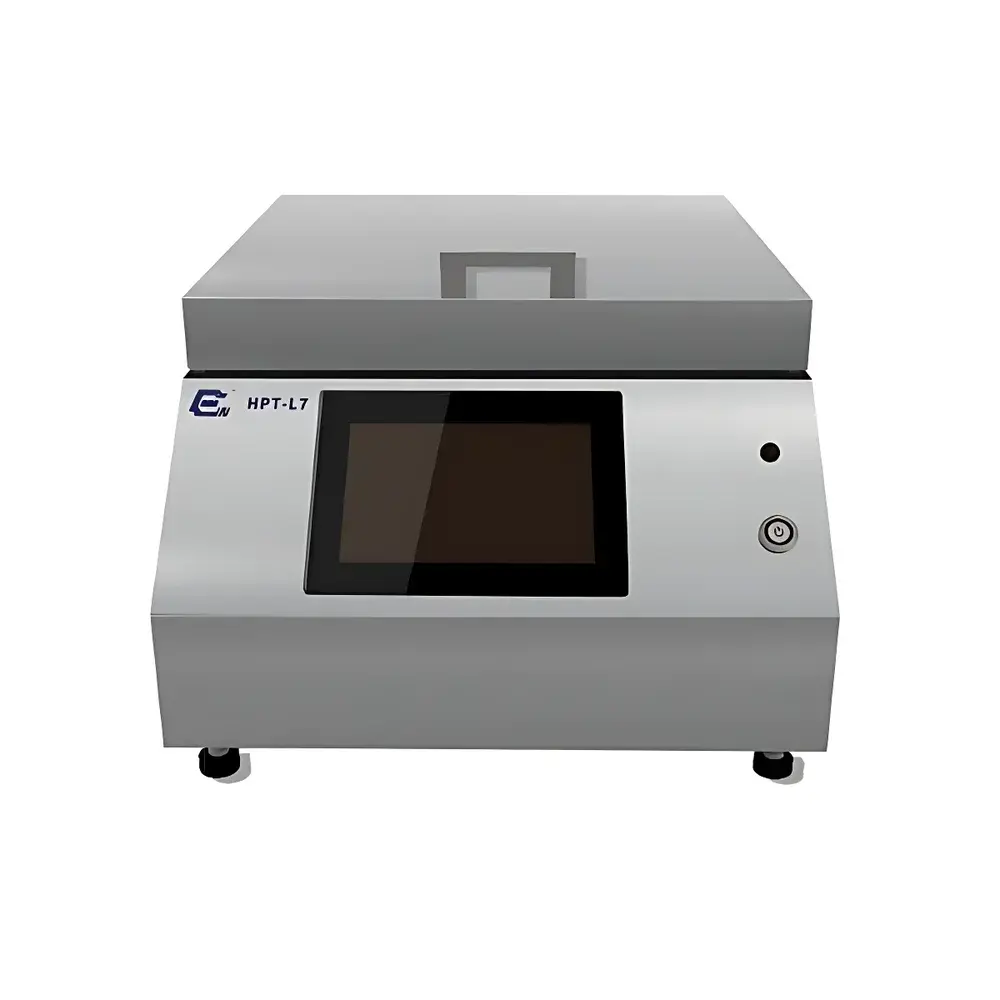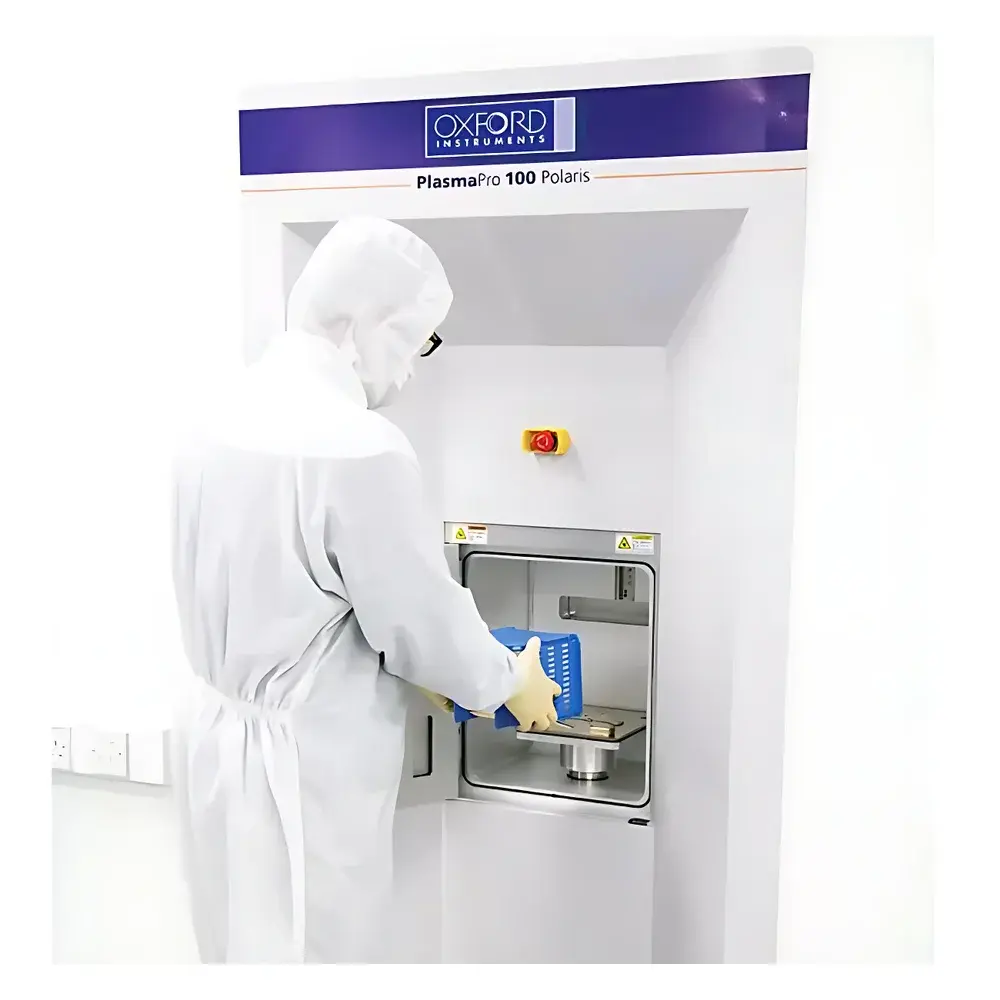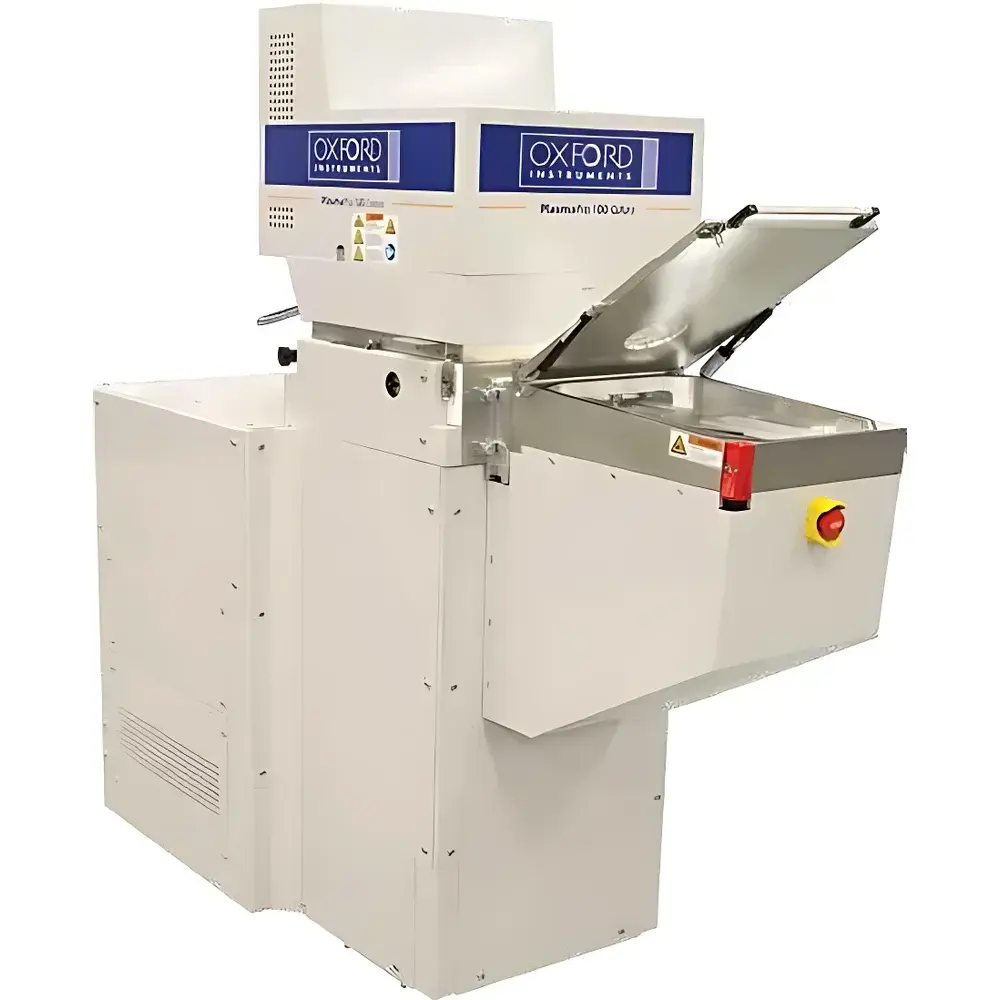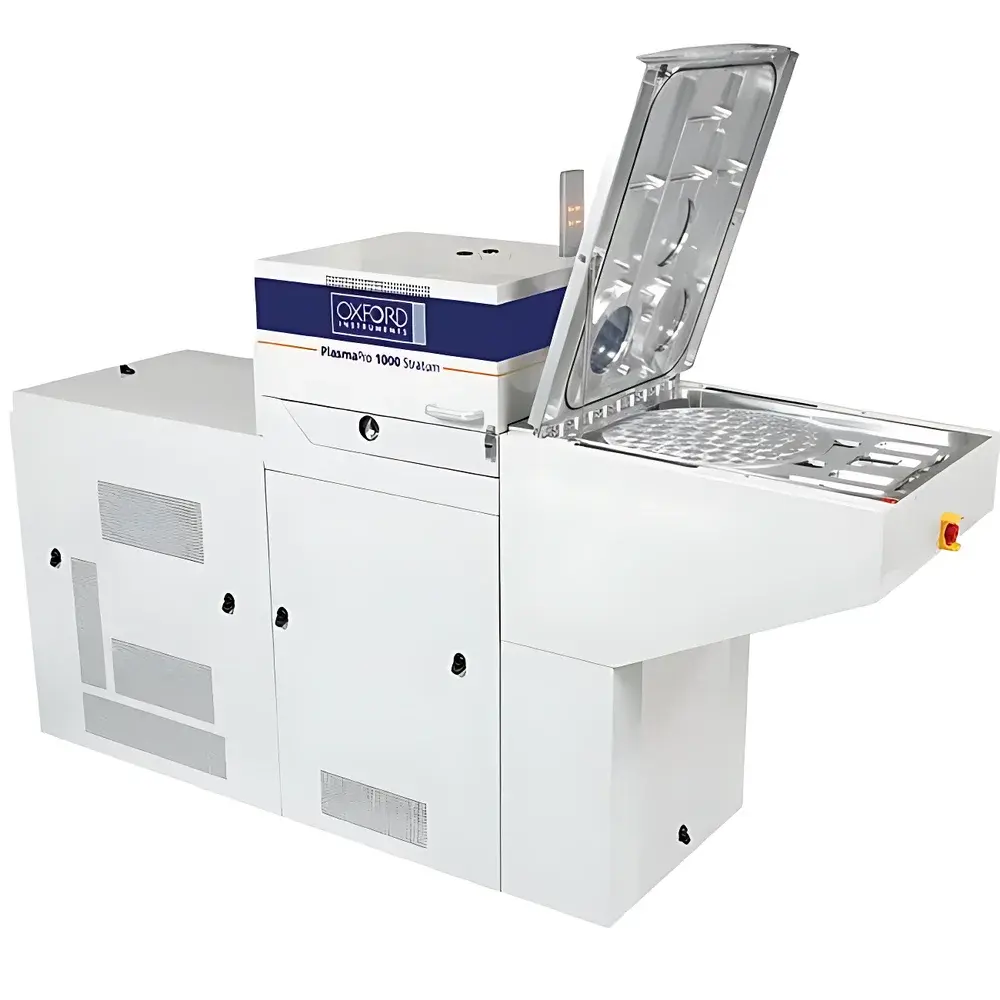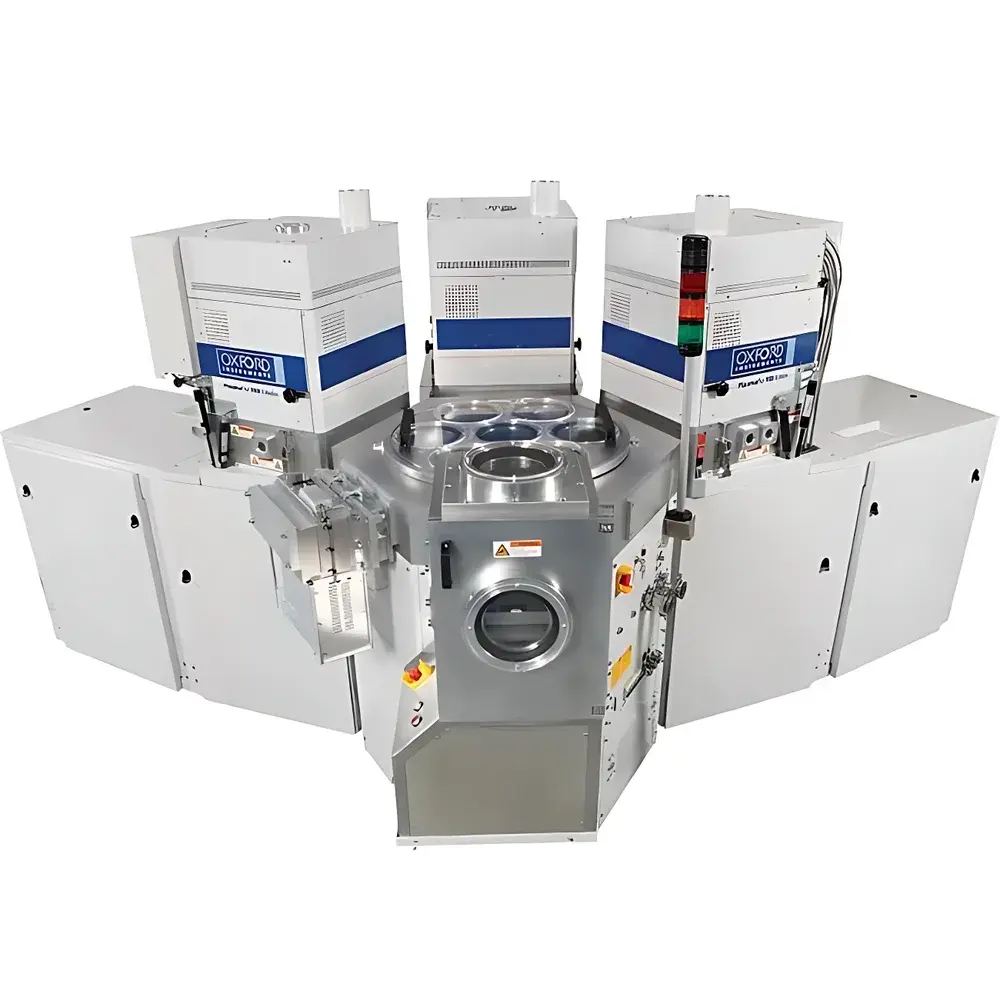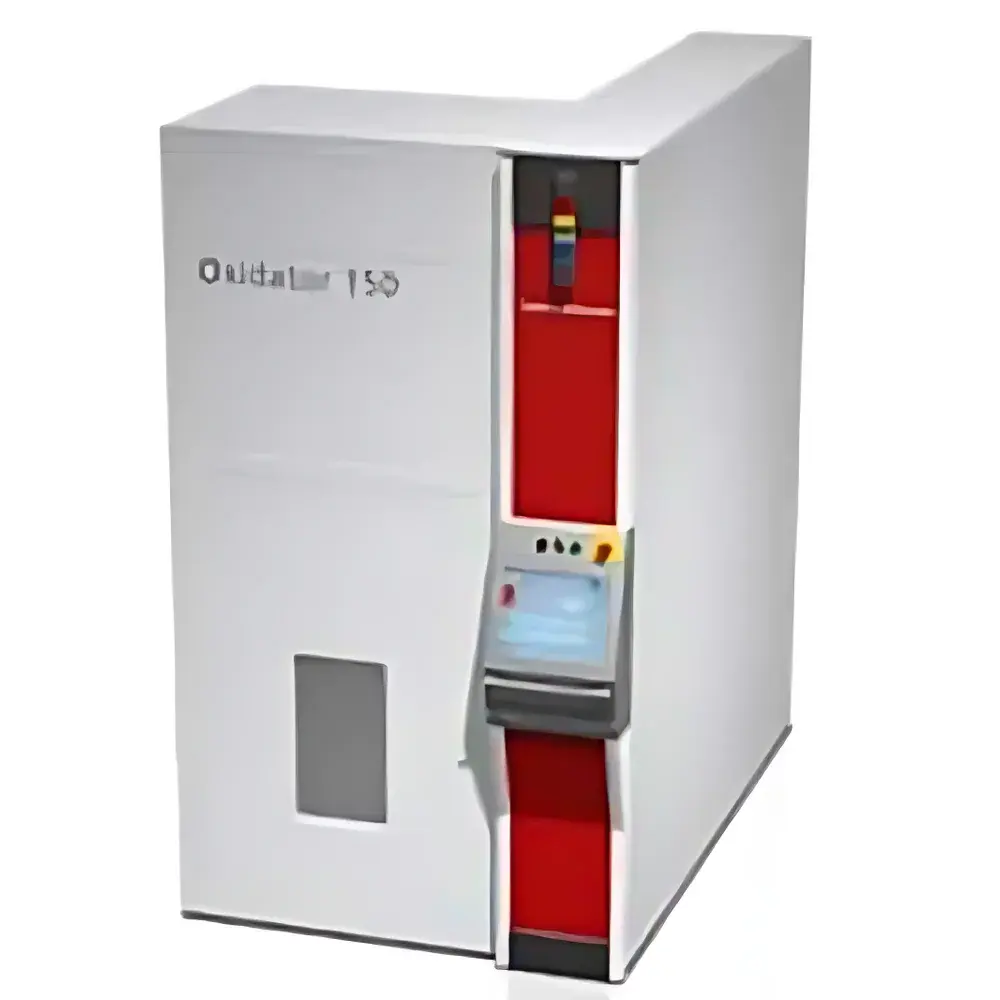
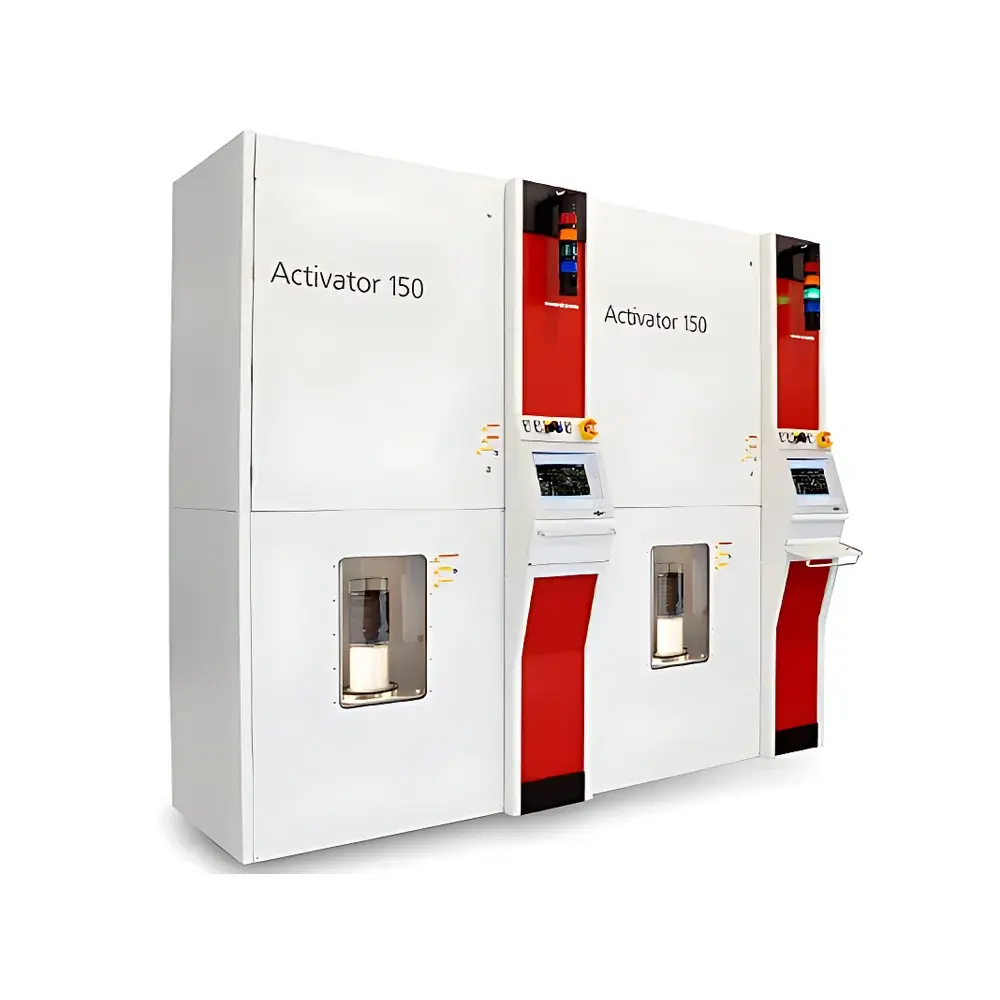
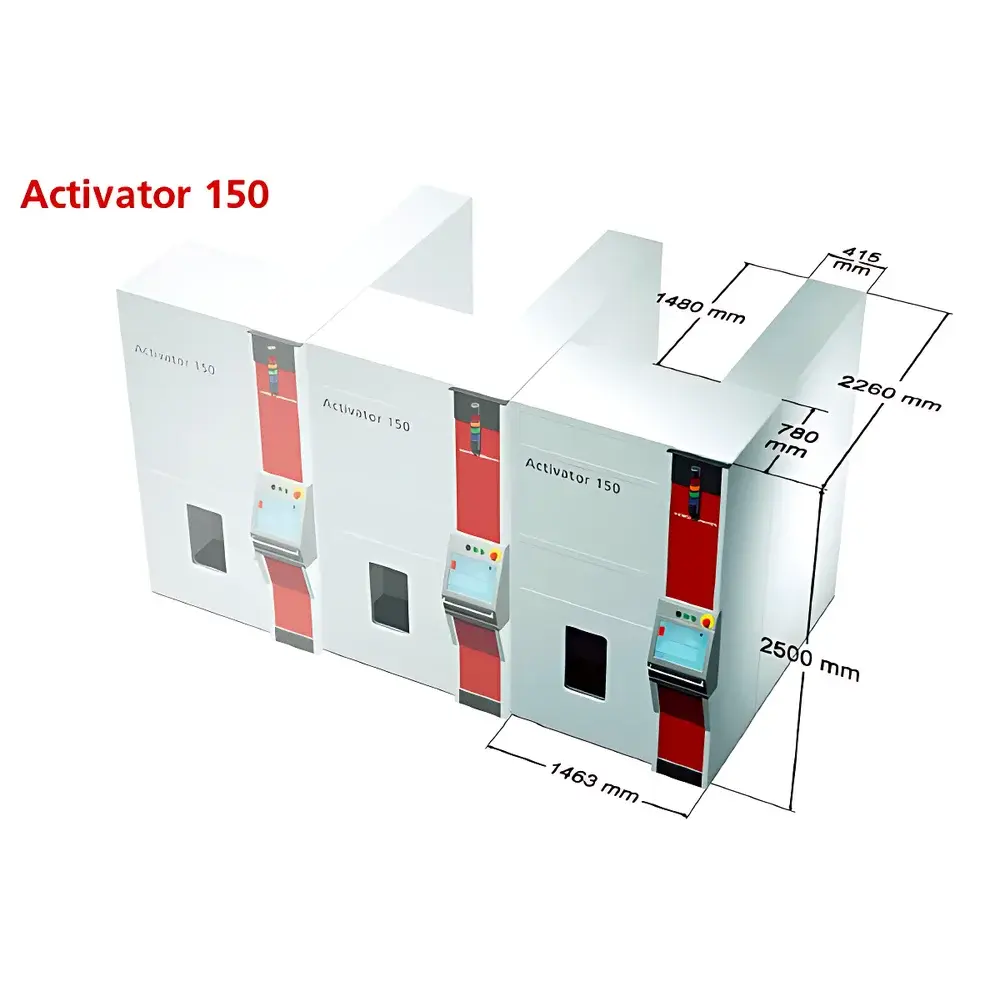
Centrotherm c.RAPID 150 / RTP 150 Rapid Thermal Processing System
| Origin | Germany |
|---|---|
| Manufacturer Type | Authorized Distributor |
| Origin Category | Imported |
| Model | Centrotherm c.RAPID 150 / RTP 150 |
| Instrument Type | High-Vacuum Rapid Thermal Annealing Furnace |
| Sample Size | 6-inch wafer or substrate |
| Operating Atmosphere | Ambient pressure or controlled vacuum (1–50 mbar) |
| Max. Ramp Rate | 150 K/s |
| Max. Cool-down Rate | 150 K/s |
| Temperature Accuracy | ±1 °C |
| Temperature Uniformity | ±0.5 °C across 6″ wafer |
| Max. Process Temperature | 1150 °C (unlimited dwell at ≤750 °C) |
| Heating System | 24 independently PWM-controlled lamp arrays |
| Cooling Water Requirement | 20 L/min |
| Exhaust Flow | 250 m³/h |
| Substrate Compatibility | Si, GaAs, SiC, GaN, Sapphire, graphite carriers |
Overview
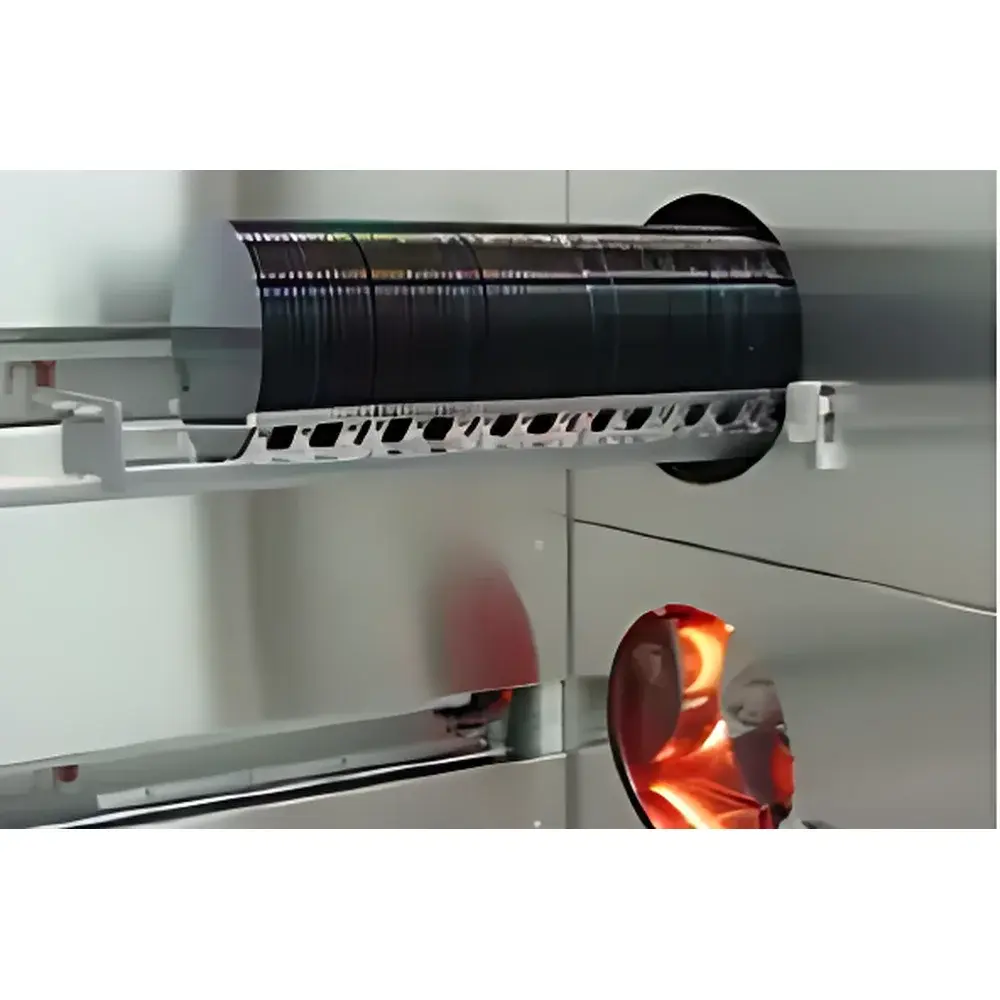
The Centrotherm c.RAPID 150 and RTP 150 are high-precision rapid thermal processing (RTP) systems engineered for semiconductor process development, materials research, and low-volume production. These tools operate on the principle of radiant heating using high-intensity tungsten-halogen lamps, enabling ultra-fast thermal transients with minimal thermal mass interference. Unlike conventional furnace annealing, RTP delivers precise, localized thermal energy to the wafer surface—critical for shallow junction formation, dopant activation, silicide formation, and oxide growth control in advanced CMOS, power devices, and compound semiconductor fabrication. Both platforms feature a compact, single-wafer vacuum chamber architecture designed for high reproducibility and process traceability. The c.RAPID 150 utilizes a manual load-lock configuration optimized for R&D flexibility, while the RTP 150 integrates a semi-automated vacuum chamber with programmable pressure control (1–50 mbar), supporting both inert ambient and reactive gas processes.
Key Features
- Independent PWM control of 24 lamp zones enables real-time spatial temperature profiling and dynamic uniformity correction across 6-inch wafers.
- Thermal ramp and cool-down rates up to 150 K/s ensure sub-second thermal cycles—essential for minimizing dopant diffusion and preserving nanoscale device profiles.
- Temperature accuracy of ±1 °C and uniformity of ±0.5 °C (3σ, full wafer) are achieved via closed-loop pyrometry with multi-point emissivity compensation.
- Integrated pressure control system maintains stable process environments from atmospheric pressure down to 1 mbar, supporting oxidation, nitridation, and annealing under N₂, O₂, forming gas, or Ar.
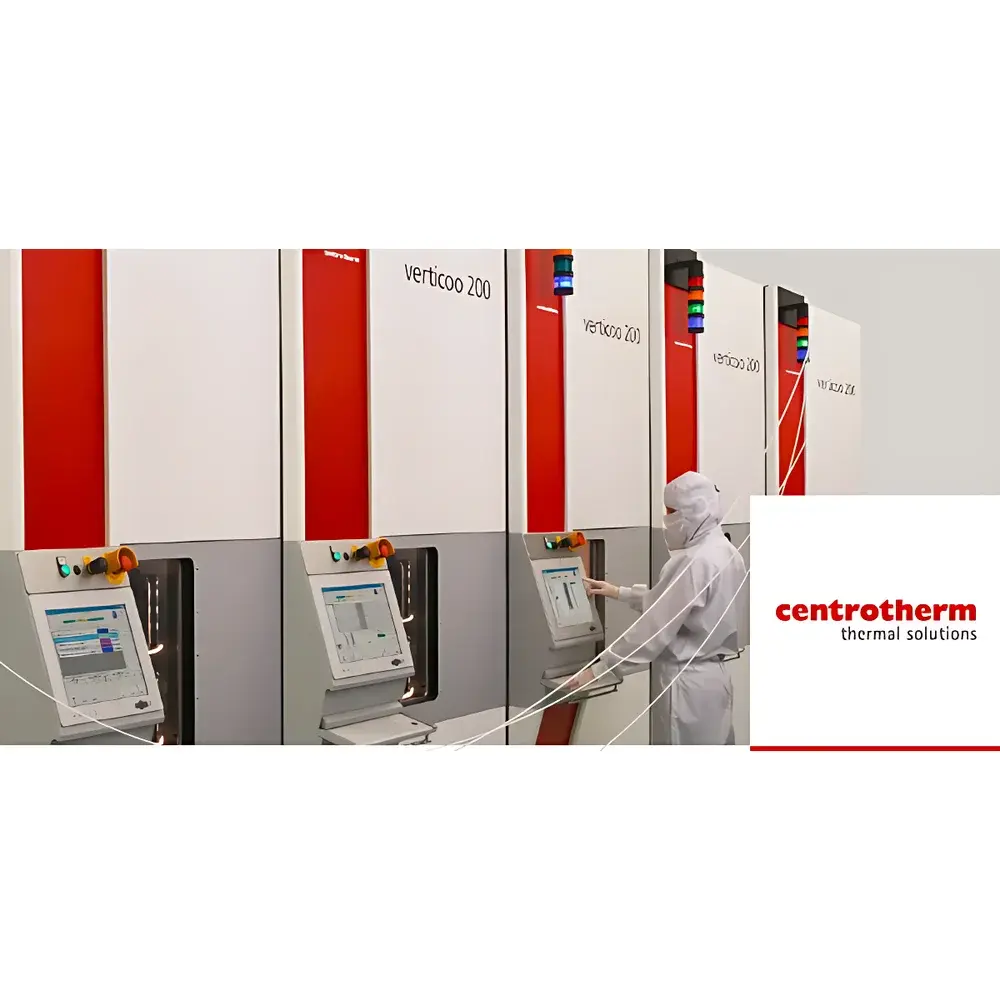
- Modular mechanical design allows side-by-side installation without cross-interference, optimizing cleanroom floor space utilization.
- Long-life lamp arrays and simplified water-cooling interface (20 L/min) reduce scheduled maintenance intervals and total cost of ownership (TCO).
Sample Compatibility & Compliance
The system accommodates standard 6-inch silicon wafers as well as alternative substrates including GaAs, SiC, GaN, sapphire, and graphite carriers—enabling process transfer across III–V, wide-bandgap, and MEMS applications. All hardware and software components comply with CE marking requirements and conform to IEC 61000-6-2/6-4 electromagnetic compatibility standards. Vacuum and gas delivery subsystems meet ISO 13485-compliant material handling protocols where applicable. The system supports GLP/GMP-aligned operation through optional audit-trail logging and user-access controls aligned with FDA 21 CFR Part 11 principles when integrated with validated laboratory information management systems (LIMS).
Software & Data Management
The embedded control software provides deterministic real-time execution of multi-step thermal recipes—including ramp-hold-cool sequences, step-and-repeat profiling, and conditional branching based on sensor feedback. Recipe libraries support version control, electronic signature, and export in CSV/Excel formats for statistical process control (SPC) integration. Optional temperature mapping modules enable in-situ uniformity verification using calibrated multi-point pyrometers. Data acquisition records time-stamped temperature, pressure, lamp power, and gas flow parameters at ≥10 Hz resolution—fully traceable for root-cause analysis and qualification reporting per JEDEC JESD22-A108 or SEMI E10 standards.
Applications
- Activation annealing of ion-implanted dopants (e.g., B, P, As) in sub-45 nm node CMOS technologies.
- Formation and optimization of metal–semiconductor contacts (TiSi₂, NiSi, CoSi₂) with minimized interfacial reactions.
- Low-temperature (<750 °C) dry oxidation for gate dielectric engineering and surface passivation.
- Thermal treatment of high-k/metal gate stacks to stabilize interface states and suppress Fermi-level pinning.
- Rapid thermal nitridation (RTN) for SiON and SiNₓ barrier layer synthesis.
- Process development for emerging memory technologies including ReRAM and MRAM stack annealing.
FAQ
What is the difference between the c.RAPID 150 and RTP 150 configurations?
The c.RAPID 150 features a manual loading mechanism and is optimized for maximum R&D agility; the RTP 150 includes an automated vacuum load-lock and integrated pressure regulation for higher throughput and repeatable ambient control.
Can the system be upgraded for 8-inch wafer processing?
No—both models are mechanically and thermally engineered exclusively for 6-inch substrates. Scaling to larger diameters requires platform redesign due to radiative coupling and thermal gradient constraints.
Is the temperature measurement system traceable to NIST standards?
Yes—optional factory-calibrated pyrometers include NIST-traceable certificates with uncertainty budgets compliant with ISO/IEC 17025 requirements.
Does the system support remote diagnostics and predictive maintenance?
Via optional Ethernet/IP connectivity and OPC UA interface, real-time subsystem health monitoring and fault-code logging are available for integration into factory-wide MES platforms.
What safety certifications does the system hold?
CE, UL 61010-1, and RoHS 3 compliance are standard; additional regional certifications (e.g., KC, PSE) can be provided upon request with appropriate documentation packages.