
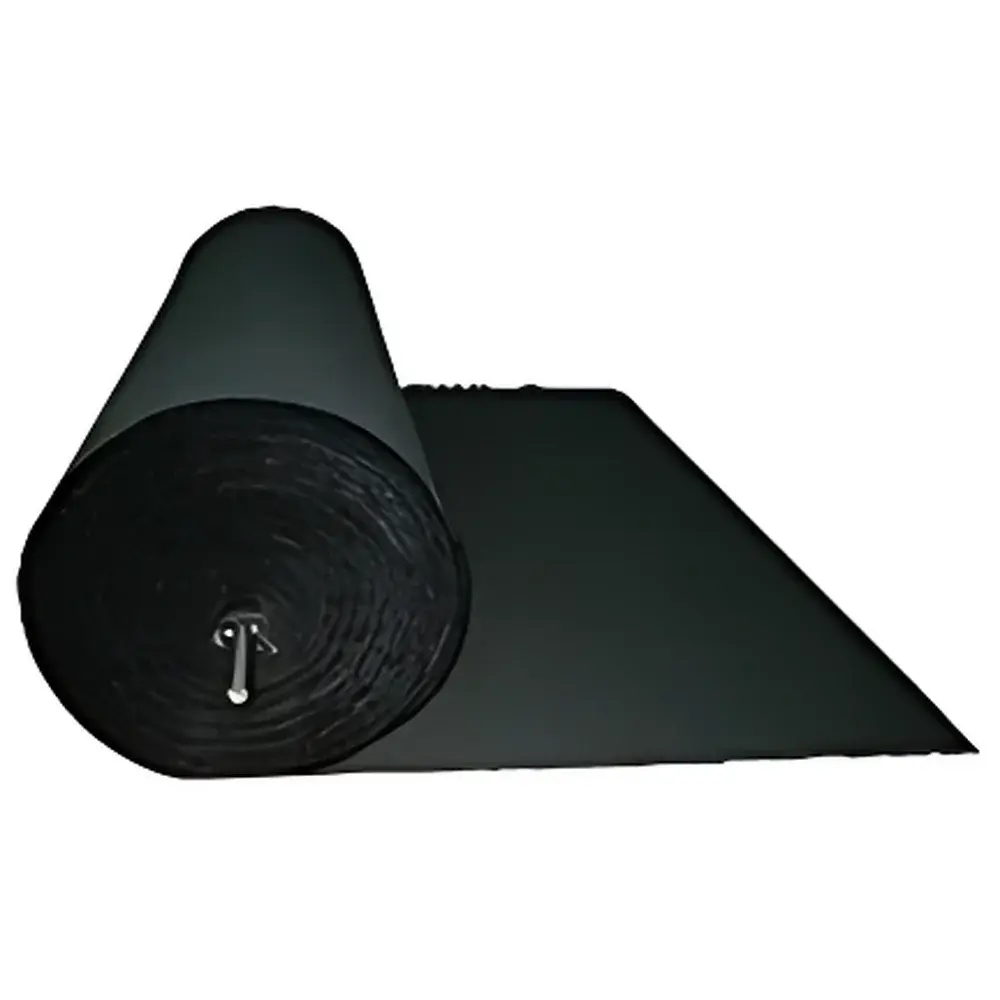
CeTech W-Series Carbon Cloth for PEM Fuel Cell GDL – Model W0S1002
| Origin | Taiwan |
|---|---|
| Manufacturer Type | Authorized Distributor |
| Regional Classification | Asia-Pacific Sourced |
| Model | W-Series W0S1002 |
| Pricing | Available Upon Request |
| Sample Width | 24.4 mm |
| Effective Specimen Length | 45 mm |
| Grip Separation Rate | 6.35 mm/min |
| Air Permeability Test Condition | 300 cc/min at 0.1 in² orifice (CFY-030) |
| Through-Plane Electrical Resistivity | Measured via 4-probe method using circular 50-mm-diameter copper-plated electrodes under 200 psi compressive load |
Overview
The CeTech W-Series Carbon Cloth (Model W0S1002) is a high-performance gas diffusion layer (GDL) substrate engineered specifically for proton exchange membrane (PEM) fuel cell applications. Developed by CeTech Co., Ltd. of Taiwan, this second-generation carbon cloth integrates structural optimization with functional adaptability to meet stringent demands in membrane electrode assembly (MEA) fabrication. Unlike conventional carbon papers, the W-Series employs a woven architecture with controlled fiber diameter distribution and consistent inter-fiber void geometry—enabling uniform reactant gas transport, efficient water management, and mechanical resilience during stack compression and thermal cycling. Its base structure serves as a robust platform for subsequent microporous layer (MPL) deposition, where pore size homogeneity and tensile integrity directly influence catalyst utilization, interfacial contact resistance, and long-term operational stability.
Key Features
- Engineered woven carbon fiber architecture optimized for balanced gas permeability and capillary-driven water removal
- Controlled thickness variability across the W-Series portfolio, enabling precise selection based on target compression ratio and interfacial contact requirements
- High tensile strength and dimensional stability under humidified, elevated-temperature conditions (up to 80 °C and >90% RH)
- Uniform through-plane electrical conductivity, validated per ASTM F3050-16 using standardized 4-probe methodology with 50-mm-diameter copper-plated electrodes and 200 psi applied pressure
- Surface-treatable substrate—compatible with PTFE-based hydrophobic coatings at variable loading levels (5–20 wt%) to fine-tune water retention and oxygen diffusion kinetics
- Reproducible air permeability performance, tested per ISO 9277 using CFY-030 flowmeter configuration (300 cc/min at 0.1 in² orifice)
Sample Compatibility & Compliance
The W0S1002 specimen dimensions (24.4 mm width × 45 mm effective length) conform to standard single-cell test fixture configurations used in laboratory-scale fuel cell evaluation systems (e.g., Gaskatel, Scribner Associates). Mechanical testing parameters—including grip separation rate (6.35 mm/min) and clamping force—align with ASTM D882 for tensile property assessment of thin flexible materials. While CeTech does not claim direct certification to ISO 14001 or IATF 16949, the material undergoes batch-controlled manufacturing in an ISO 9001-certified facility, with full traceability documentation available upon request. All carbon cloth lots are subjected to incoming QC screening for surface defect density, weight per unit area (g/m²), and nominal thickness tolerance (±5 µm).
Software & Data Management
As a passive GDL substrate, the W0S1002 requires no embedded firmware or proprietary software integration. However, its performance metrics are fully compatible with industry-standard fuel cell data acquisition platforms—including Scribner’s FC-Test Suite, Arbin’s Fuel Cell Pro, and LabVIEW-based custom DAQ systems. Electrical resistivity and permeability values are exportable in CSV/Excel format for correlation with polarization curve analysis, electrochemical impedance spectroscopy (EIS) modeling, and multiphysics simulation inputs (e.g., COMSOL Multiphysics® Fuel Cell & Electrolyzer Module). Full audit trails for material lot numbers, test dates, and operator IDs support GLP-compliant reporting and FDA 21 CFR Part 11–aligned electronic record retention when paired with validated LIMS environments.
Applications
- Primary GDL substrate in low-temperature PEMFC single cells and short stacks (20–100 cm² active area)
- Baseline reference material in DOE-funded durability studies evaluating MPL adhesion, carbon corrosion, and interfacial delamination mechanisms
- Platform for R&D of advanced hydrophobic/hydrophilic gradient treatments targeting anode flooding mitigation
- Component in electrolyzer GDL assemblies for PEM water electrolysis (PEMWE), particularly where high current density (>2 A/cm²) and dynamic load cycling are required
- Calibration standard in comparative studies assessing impact of substrate morphology on oxygen transport resistance (OTR) and mass transport loss quantification
FAQ
Is W0S1002 supplied with pre-applied PTFE?
No—W0S1002 is delivered in its base hydrophilic carbon cloth form. Hydrophobic treatment must be applied separately by the end user or via CeTech’s value-added coating service (lead time: 2–3 weeks).
What is the typical thickness range for the W-Series?
Standard W-Series thickness options include 180 µm (W0S1001) and 220 µm (W0S1002), with ±8 µm tolerance measured per ASTM D1777.
Can this carbon cloth be laser-cut for custom MEA patterns?
Yes—W0S1002 exhibits excellent edge quality and minimal thermal degradation when processed with UV or CO₂ lasers at appropriate power/dwell settings; recommended kerf width ≥ 150 µm.
Does CeTech provide material safety data sheets (MSDS) and RoHS compliance documentation?
Yes—fully translated English-language SDS and RoHS Declaration of Conformity (DoC) are issued with each commercial shipment.
Are bulk order discounts available for institutional procurement?
Yes—volume pricing tiers apply for orders exceeding 50 m² per quarter; formal quotations require submission of projected annual usage and intended application scope.



