
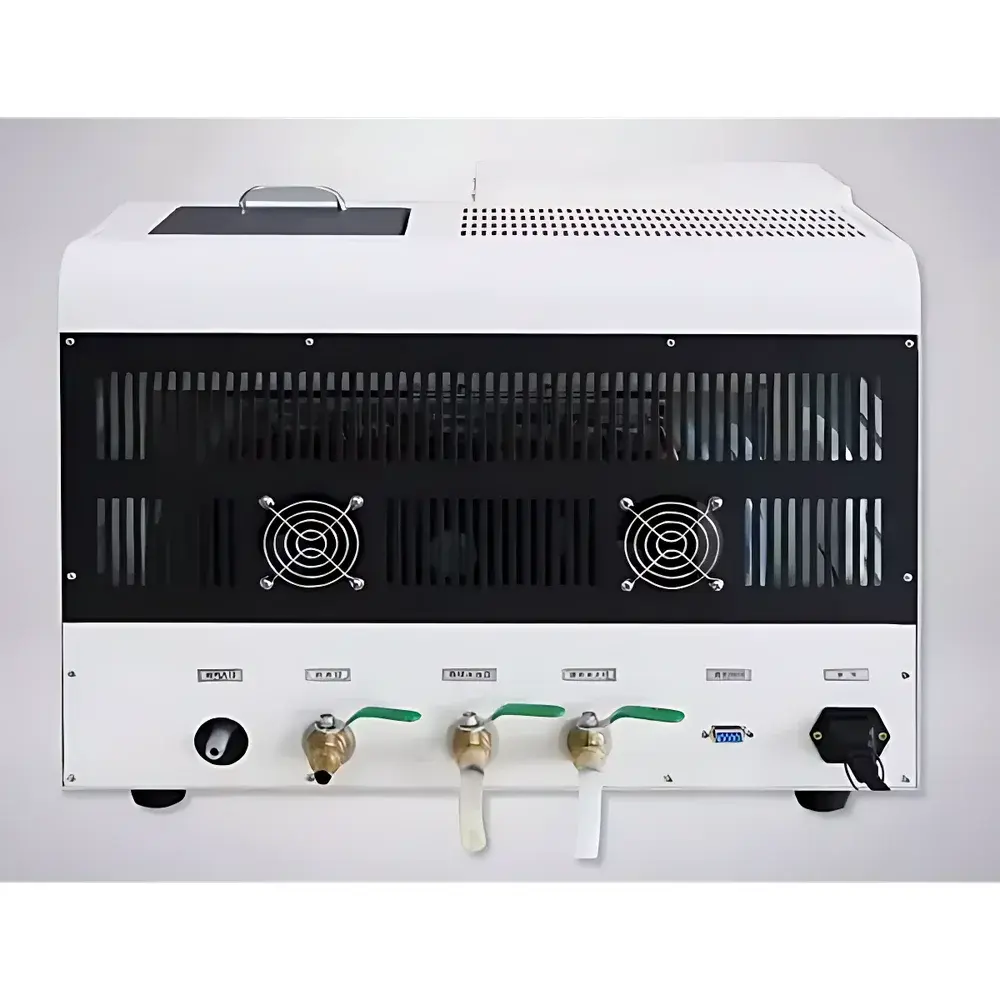
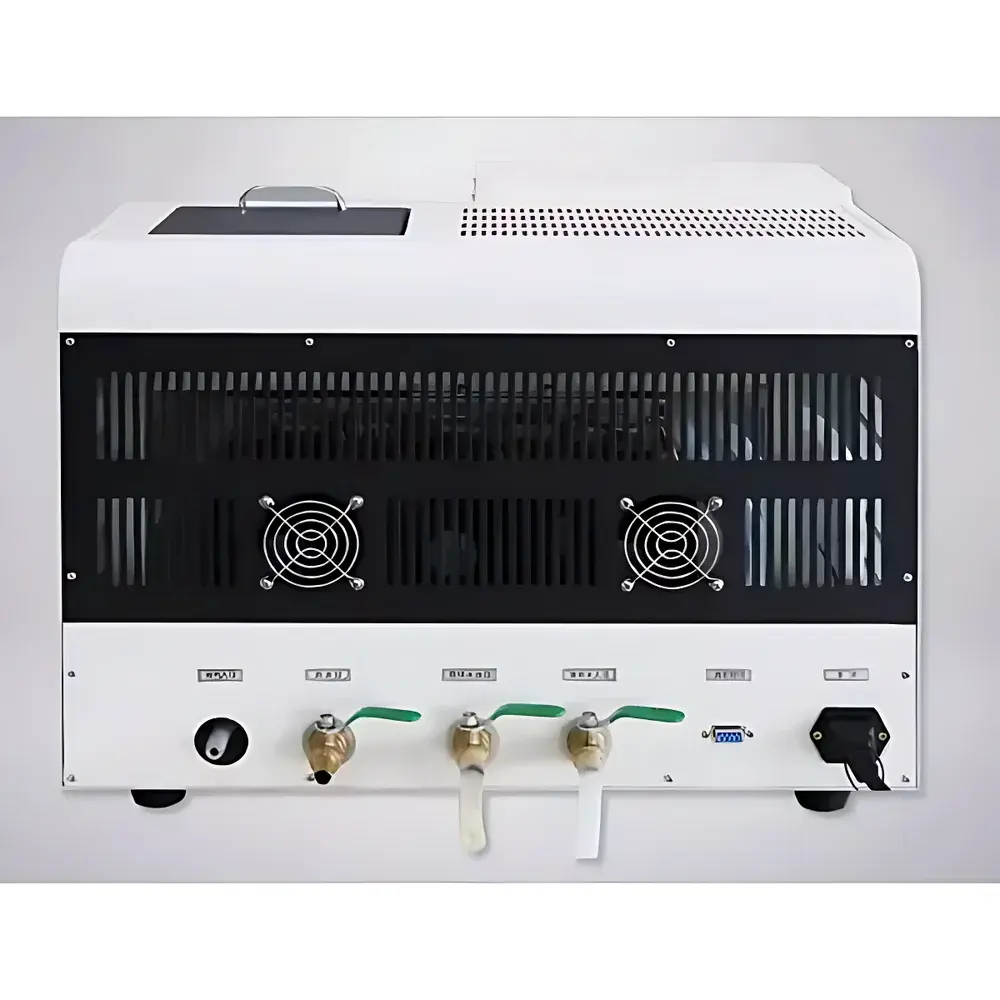
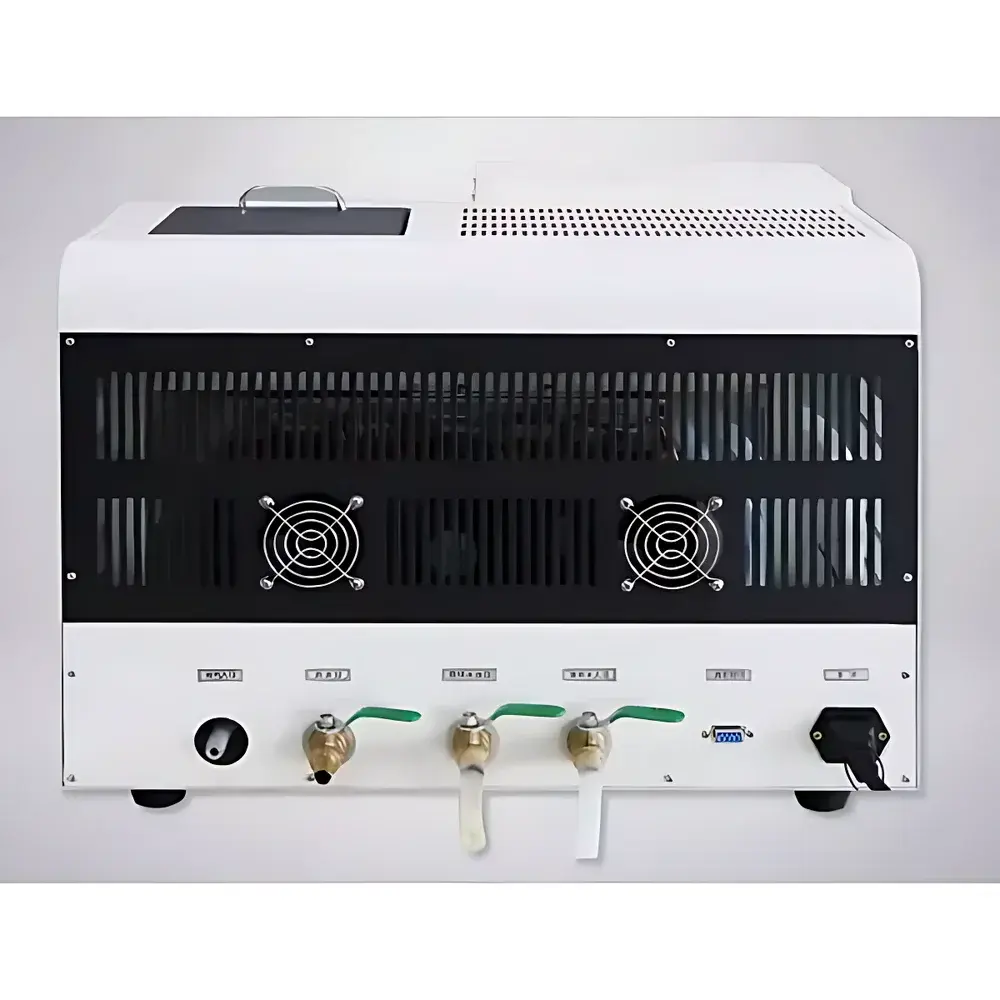
Changji Instruments SYD-5208 Rapid Low-Temperature Closed-Cup Flash Point Tester
| Brand | Changji Instruments |
|---|---|
| Origin | Shanghai, China |
| Manufacturer Type | Authorized Distributor |
| Product Origin | Domestic (China) |
| Model | SYD-5208 |
| Detection Method | Closed-Cup (Pensky-Martens type) |
| Operation Mode | Fully Automatic |
| Temperature Range | 5°C to 30°C (ambient operating environment) |
| Ignition Method | Electronic spark igniter |
| Applicable Standards | GB/T 5208–2008, ISO 1523:2002, ISO 3679:2004 |
| Flash Point Range | –30°C to +100°C |
| Temperature Resolution | ±0.1°C |
| Cooling System | Integrated compressor-based bath cooling (no external chiller required) |
| Sample Volume | 2 mL (liquid), 4 mL (semi-solid/solid) |
| Power Supply | AC 220 V ±10%, 50 Hz |
| Power Consumption | ≤300 W |
| Dimensions (L×W×H) | 490 × 520 × 390 mm |
| Net Weight | 25.5 kg |
Overview
The Changji Instruments SYD-5208 Rapid Low-Temperature Closed-Cup Flash Point Tester is a fully automated analytical instrument engineered for precise and repeatable determination of the closed-cup flash point of volatile petroleum products, solvents, coatings, adhesives, and related industrial liquids. It operates on the principle of the Pensky-Martens closed-cup method—standardized in GB/T 5208–2008, ISO 1523:2002, and ISO 3679:2004—where a small sample is heated incrementally in a sealed test cup, and an electronic spark igniter is applied at defined temperature intervals until the vapor-air mixture above the sample ignites momentarily. The instrument’s integrated thermoelectric-compressor hybrid cooling system enables rapid thermal equilibration and stable temperature control across the full –30°C to +100°C flash point range, eliminating dependency on external chilled water supplies and supporting reliable low-temperature testing down to –30°C without cryogenic additives.
Key Features
- Fully automated operation with embedded microcontroller and 7-inch color TFT touchscreen interface—enabling intuitive navigation, real-time temperature profiling, and one-touch test initiation.
- Integrated dual-stage cooling architecture: semiconductor elements coupled with a high-efficiency compressor-based recirculating bath ensure rapid cooldown and precise thermal stability, even under ambient conditions up to 30°C.
- Electronic spark ignition system compliant with ISO 1523 requirements—providing consistent, contamination-free ignition without flame-based sources or manual gas regulation.
- Minimal sample consumption: only 2 mL for liquids or 4 mL for semi-solids, reducing reagent cost and hazardous waste generation while maintaining measurement integrity per standard protocols.
- Automatic endpoint detection and result locking—flash point value is captured at the first observable ignition event, digitally recorded, and thermally stabilized prior to printout or data export.
- Robust mechanical design with reinforced stainless-steel test chamber and EMI-shielded electronics—engineered for long-term reliability in QC laboratories, refinery onsite labs, and third-party testing facilities.
Sample Compatibility & Compliance
The SYD-5208 is validated for use with a broad spectrum of non-aqueous, flammable liquid matrices—including hydrocarbon solvents (e.g., xylene, toluene), alcohols, esters, paint thinners, varnishes, resin solutions, and polymerizable monomers—provided they remain fluid or can be homogenized at test temperature. It is not intended for aqueous emulsions, highly viscous bitumens (>300 cSt at 40°C), or reactive chemicals that decompose below 100°C. All operational parameters adhere strictly to the procedural constraints defined in GB/T 5208–2008 (equivalent to ASTM D93 Method A) and ISO 1523/ISO 3679. Instrument calibration traceability follows national metrological standards; routine verification uses certified reference materials (CRM) with assigned flash points traceable to NIM (National Institute of Metrology, China). The system supports GLP-compliant audit trails when paired with optional external LIMS integration.
Software & Data Management
While the SYD-5208 operates as a standalone unit with local touchscreen control and thermal printer output, its RS-232 serial interface allows bidirectional communication with laboratory information management systems (LIMS) or PC-based data acquisition software. Test records include timestamp, ambient temperature/humidity, sample ID, operator code, flash point result (°C), heating rate, and ignition event count. Data export is supported in CSV format for post-processing in Excel or statistical analysis packages. Firmware updates are performed via USB port, and all configuration settings—including user-defined pass/fail thresholds and report templates—are retained after power cycling. No cloud connectivity or proprietary software installation is required, ensuring compatibility with air-gapped laboratory networks subject to IT security policies.
Applications
This instrument serves critical quality assurance functions across multiple regulated sectors: petroleum refining (crude assay, distillate blending verification), coatings manufacturing (solvent formulation validation, VOC compliance), chemical distribution (SDS flash point assignment per GHS/CLP), aviation fuel inspection (Jet A-1 cold-weather specification checks), rail and marine logistics (hazardous goods classification per IMDG Code), and academic research on alternative fuel volatility. Its –30°C lower limit makes it particularly suitable for evaluating low-flash bio-solvents, terpene-based cleaners, and winter-grade diesel additives—applications where conventional flash point testers lack sufficient low-temperature resolution or thermal response speed.
FAQ
What standards does the SYD-5208 comply with?
It conforms to GB/T 5208–2008 (Chinese national standard), ISO 1523:2002, and ISO 3679:2004 for closed-cup flash point determination.
Can the instrument test solid or semi-solid samples?
Yes—up to 4 mL of homogenized semi-solids (e.g., waxes, greases, thick resins) may be tested after pre-melting and temperature equilibration in the cup.
Is external cooling water required?
No—the integrated compressor-based cooling system eliminates reliance on tap water or chillers, enabling operation in field labs or mobile testing units.
How is calibration verified?
Users perform periodic verification using certified reference materials (CRMs) with traceable flash points; calibration certificate documentation is maintained per internal QA procedures.
Does the system support 21 CFR Part 11 compliance?
The base unit does not include electronic signatures or audit trail encryption; however, raw data export enables integration into validated LIMS environments meeting FDA 21 CFR Part 11 requirements.






