
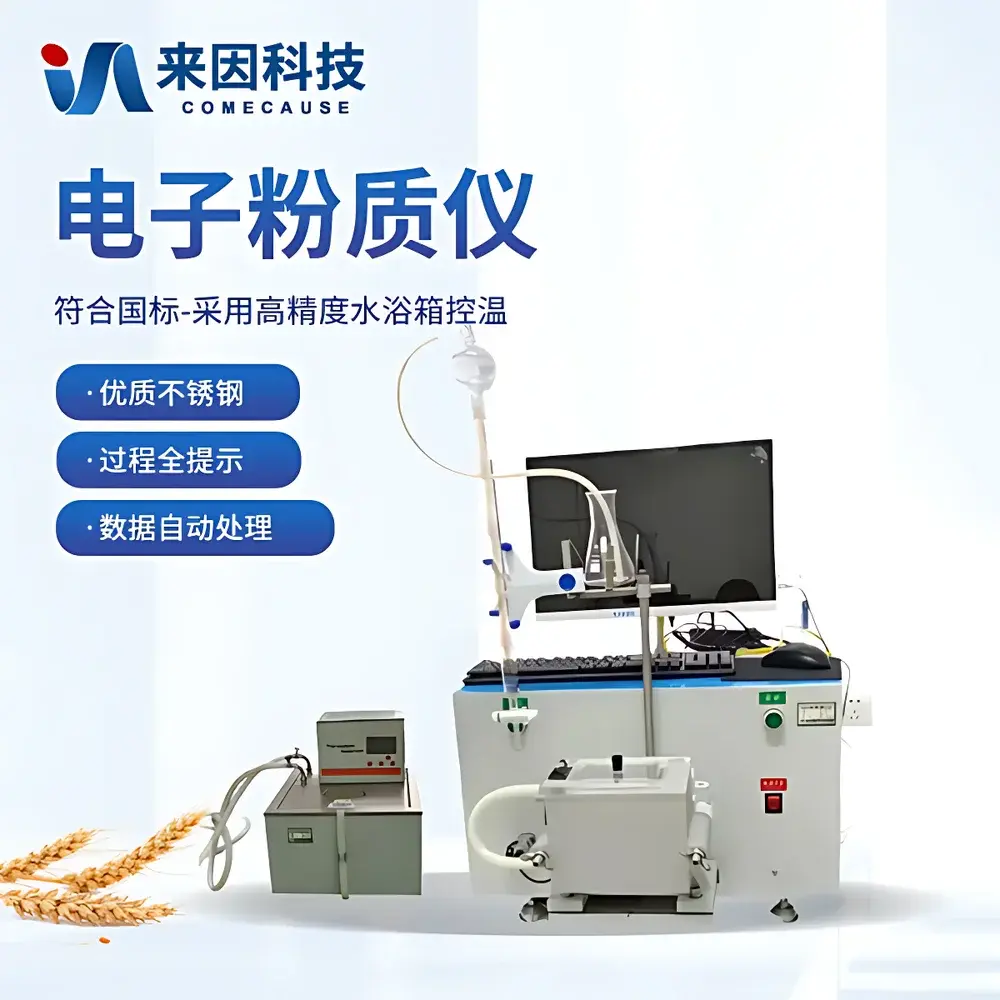
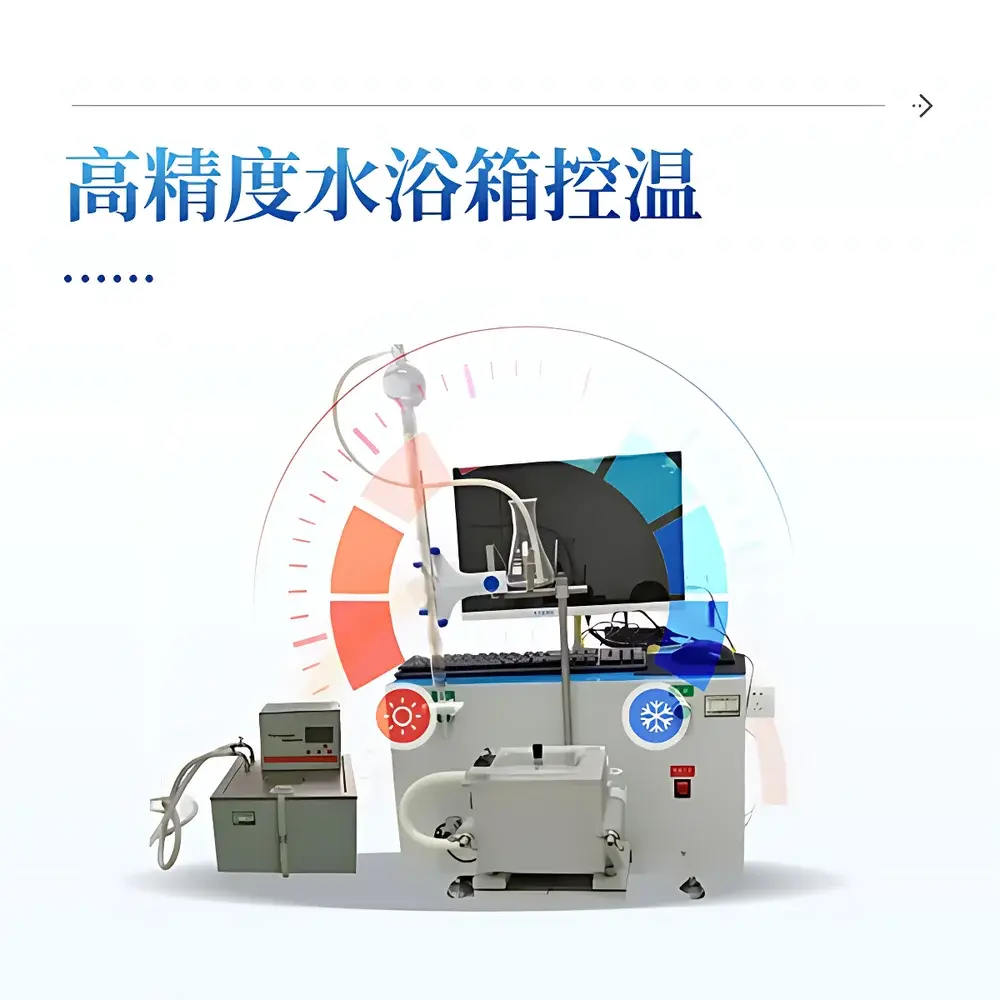
COMECAUSE IN-DFZ Digital Farinograph
| Brand | COMECAUSE |
|---|---|
| Model | IN-DFZ |
| Origin | Shandong, China |
| Manufacturer Type | Direct Manufacturer |
| Torque Range | 0–10 N·m |
| Weight | 300 g |
| Dimensions | As per technical documentation |
| Power Supply | AC 200–240 V, 50/60 Hz |
| Motor Power | ≤250 W |
| Mixer Shaft Speed | 63 ± 2 rpm |
| Speed Ratio (Fast/Slow Blades) | 1.50 ± 0.01:1 |
| Bowl Capacity | 300 g |
| Torque Sensor Accuracy | ≥0.5% FS |
| Temperature Control | 30 ± 0.2 °C (via integrated water bath) |
| Water Addition Precision | ±0.2 mL |
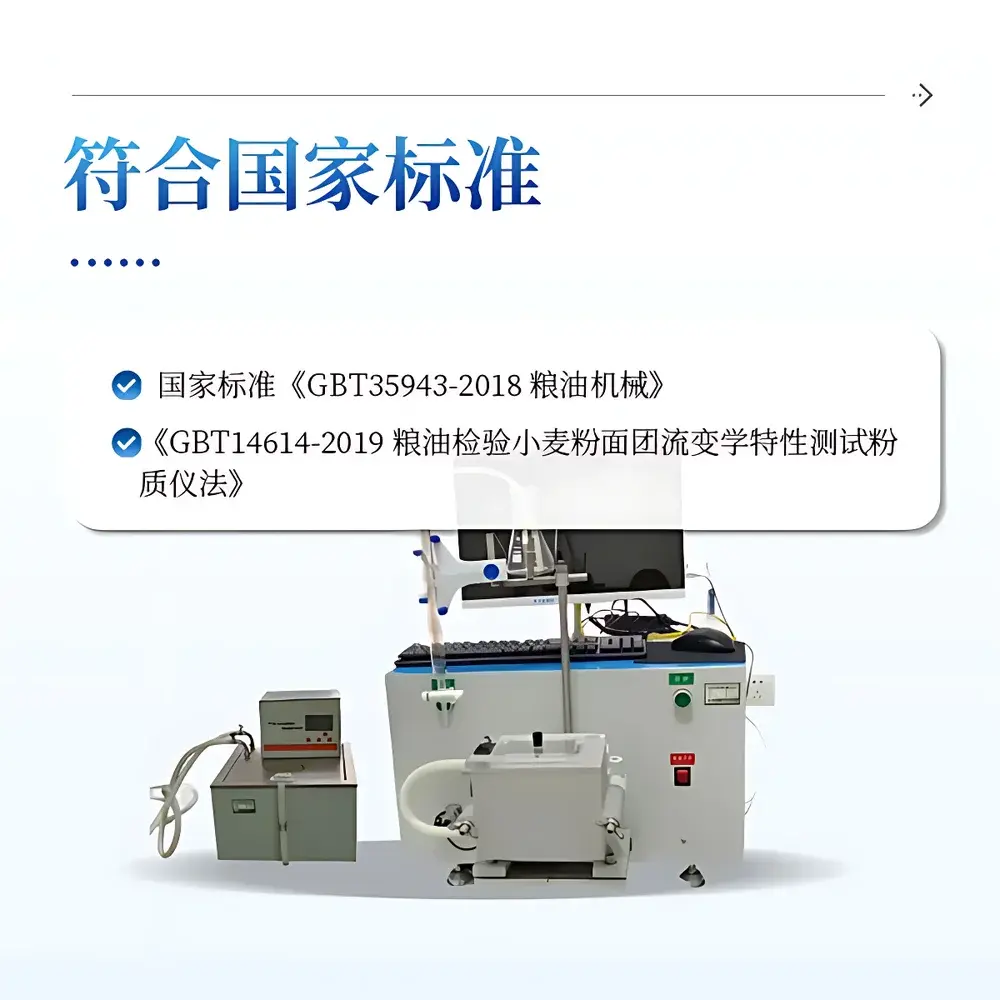
| Standard Compliance | GB/T 14614–2019, GB/T 35943–2018 |
| Data Export Format | CSV/Excel-compatible |
| Safety Features | Overload protection, bowl interlock, emergency stop |
Overview
The COMECAUSE IN-DFZ Digital Farinograph is a precision-engineered instrument designed for standardized assessment of wheat flour rheological behavior under controlled hydration and mechanical shear. Based on the internationally recognized farinograph principle—where flour-water dough is mixed in a sealed, temperature-regulated bowl while torque resistance is continuously measured—the IN-DFZ quantifies key functional parameters including water absorption, dough development time, stability, mixing tolerance index (MTI), and degree of softening. These metrics directly correlate with end-product performance in baking, noodle extrusion, and industrial dough processing. Unlike subjective sensory evaluation or empirical lab methods, the IN-DFZ delivers objective, repeatable, and traceable data aligned with ISO-aligned national standards (GB/T 14614–2019 and GB/T 35943–2018), making it indispensable for wheat breeding programs, grain procurement, flour mill quality assurance, and R&D in bakery ingredient formulation.
Key Features
- High-fidelity torque sensing system with 0–10 N·m range and ≥0.5% full-scale accuracy, enabling precise detection of subtle dough structural transitions during mixing.
- Integrated thermostatic water bath maintaining constant 30 ± 0.2 °C bowl temperature—critical for eliminating thermal drift and ensuring compliance with standardized test conditions.
- Dual-speed kneading system with precisely calibrated fast/slow blade ratio (1.50 ± 0.01:1) to replicate the shear profile defined in GB/T 14614–2019.
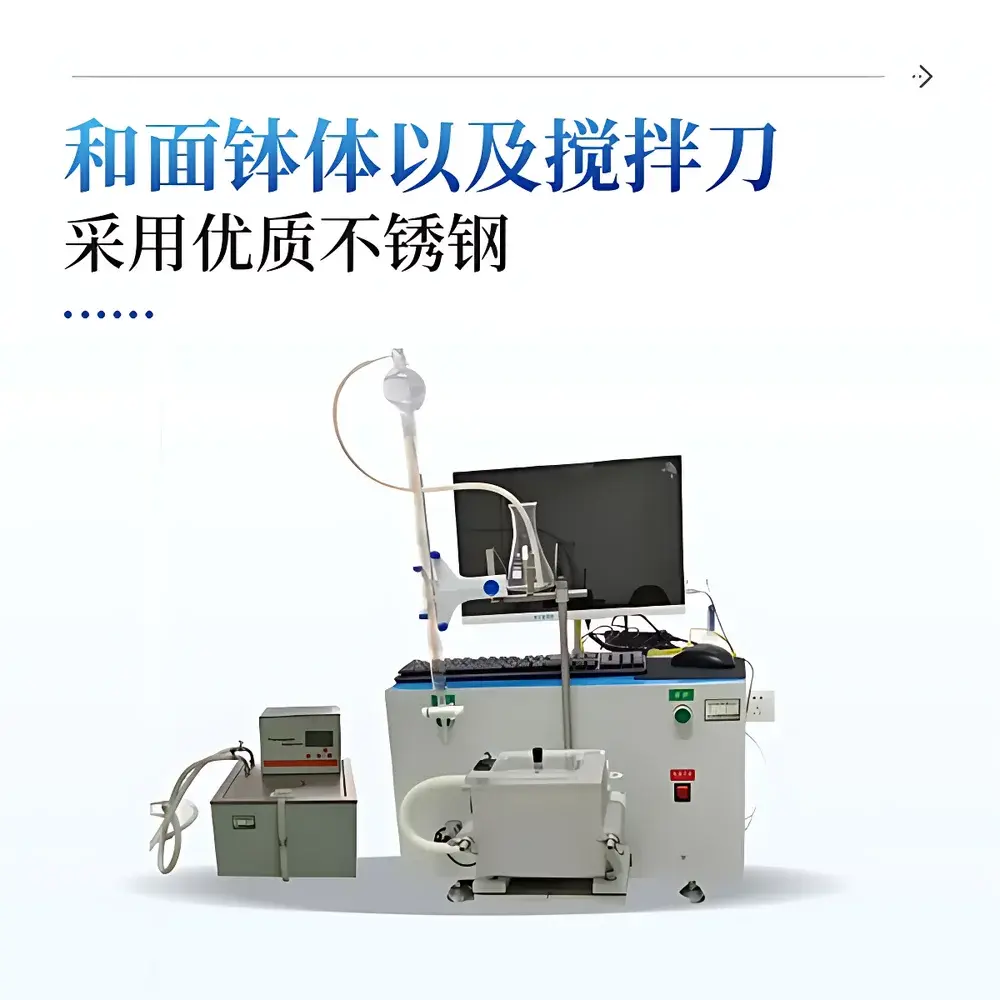
- 300 g capacity stainless-steel mixing bowl with overload protection and safety interlock—prevents operation unless properly seated and secured.
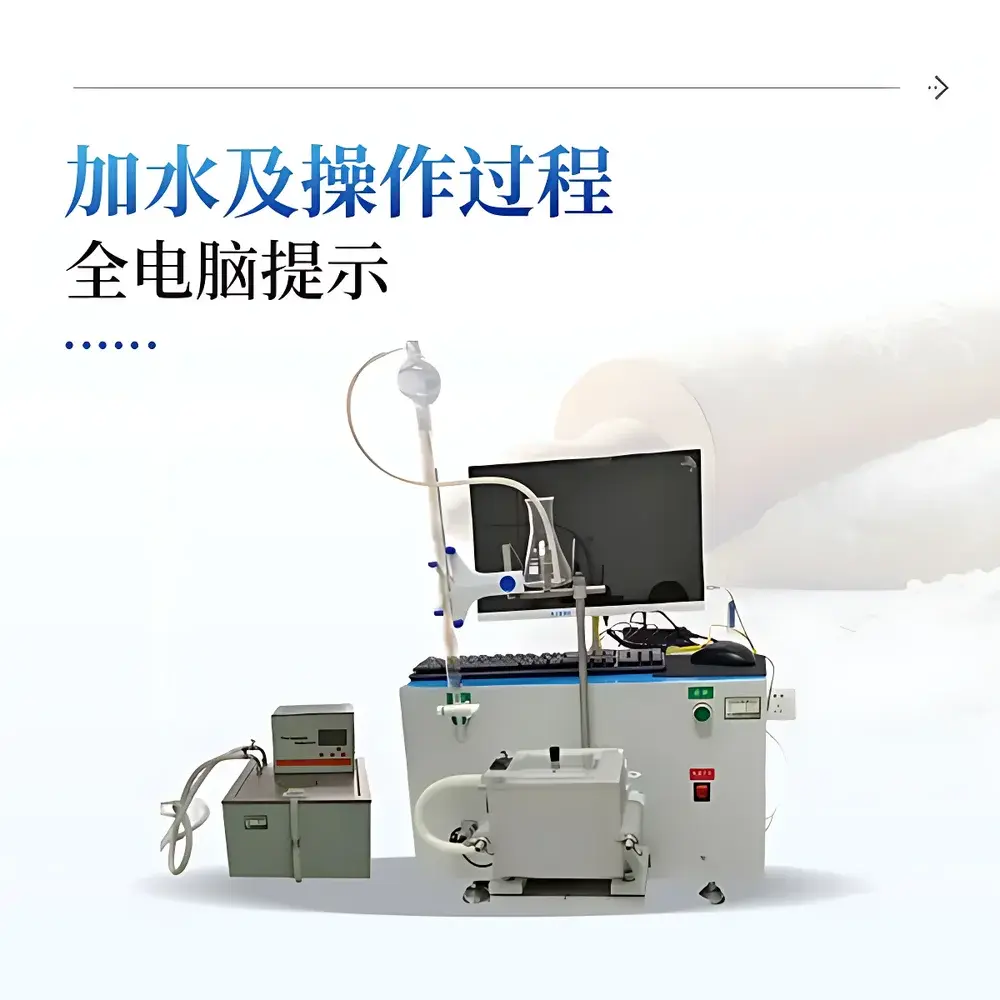
- Automated water dosing with ±0.2 mL volumetric precision, synchronized with real-time software guidance for operator-assisted hydration control.
- Onboard digital display of shaft speed (63 ± 2 rpm), torque, temperature, and elapsed time—ensuring full parameter visibility during test execution.
- Embedded microcontroller architecture supporting automated curve normalization, peak detection, and standardized parameter extraction per GB methodology.
Sample Compatibility & Compliance
The IN-DFZ is validated for use with refined wheat flours, whole wheat flours, durum semolina, and composite blends containing up to 30% non-wheat starches or functional additives (e.g., gluten isolates, hydrocolloids). It supports routine testing across raw material intake, in-process blending verification, and finished product release. All operational protocols and calibration routines conform to GB/T 14614–2019 (“Determination of Farinographic Properties of Wheat Flour”) and GB/T 35943–2018 (“Grain and Oil Machinery – Technical Requirements for Farinographs”). The instrument’s design incorporates fail-safes required under GLP-aligned laboratory practices—including audit-trail-capable session logging, user authentication, and uneditable raw torque/time datasets—facilitating regulatory readiness for ISO/IEC 17025-accredited labs and food safety audits (e.g., BRCGS, FSSC 22000).
Software & Data Management
The IN-DFZ operates with dedicated Windows-based software that provides full test lifecycle management: from method selection and hydration protocol setup to real-time curve visualization, automatic parameter calculation (water absorption %, development time in min, stability in min, MTI in FU), and comparative overlay of up to eight historical curves. All raw torque-vs.-time datasets are stored in timestamped binary files with metadata (operator ID, sample ID, ambient conditions, calibration status). Export functions support CSV and Excel-compatible formats for integration into LIMS or statistical process control (SPC) platforms. Software validation documentation—including IQ/OQ protocols and change control logs—is available upon request to support FDA 21 CFR Part 11 compliance where electronic records are subject to regulatory review.
Applications
- Wheat breeding stations: Screening germplasm for dough strength, mixing tolerance, and hydration response.
- Flour mills: Verifying lot-to-lot consistency, detecting enzymatic activity shifts, and validating supplier specifications.
- Bakery ingredient suppliers: Characterizing functional flour blends for clean-label applications or high-fiber formulations.
- Academic research: Investigating protein-starch-lipid interactions under controlled shear and hydration regimes.
- Regulatory laboratories: Performing official conformity testing against national grain quality standards.
- Contract manufacturing facilities: Enforcing incoming raw material specifications per customer technical agreements.
FAQ
What standard methods does the IN-DFZ support?
It fully implements GB/T 14614–2019 and GB/T 35943–2018, with built-in calculation algorithms for all defined farinographic parameters.
Is the instrument suitable for testing non-wheat flours?
Yes—it accommodates rye, barley, oat, and legume-based flours; however, method adjustments and reference calibration may be required per application-specific validation protocols.
Does the system include temperature control hardware?
Yes—a dedicated recirculating water bath (340 mbar max pressure, 15 L/min flow rate) is integrated and factory-calibrated to maintain 30 ± 0.2 °C at the bowl surface.
Can test data be exported for statistical analysis?
All raw and processed data export to CSV or Excel format, preserving timestamps, metadata, and full torque-time resolution for SPC or multivariate analysis.
What safety mechanisms prevent operational hazards?
The system features mechanical bowl interlocks, motor overload cutoff, emergency stop circuitry, and real-time torque anomaly detection to halt mixing if abnormal resistance occurs.
Related Products






