
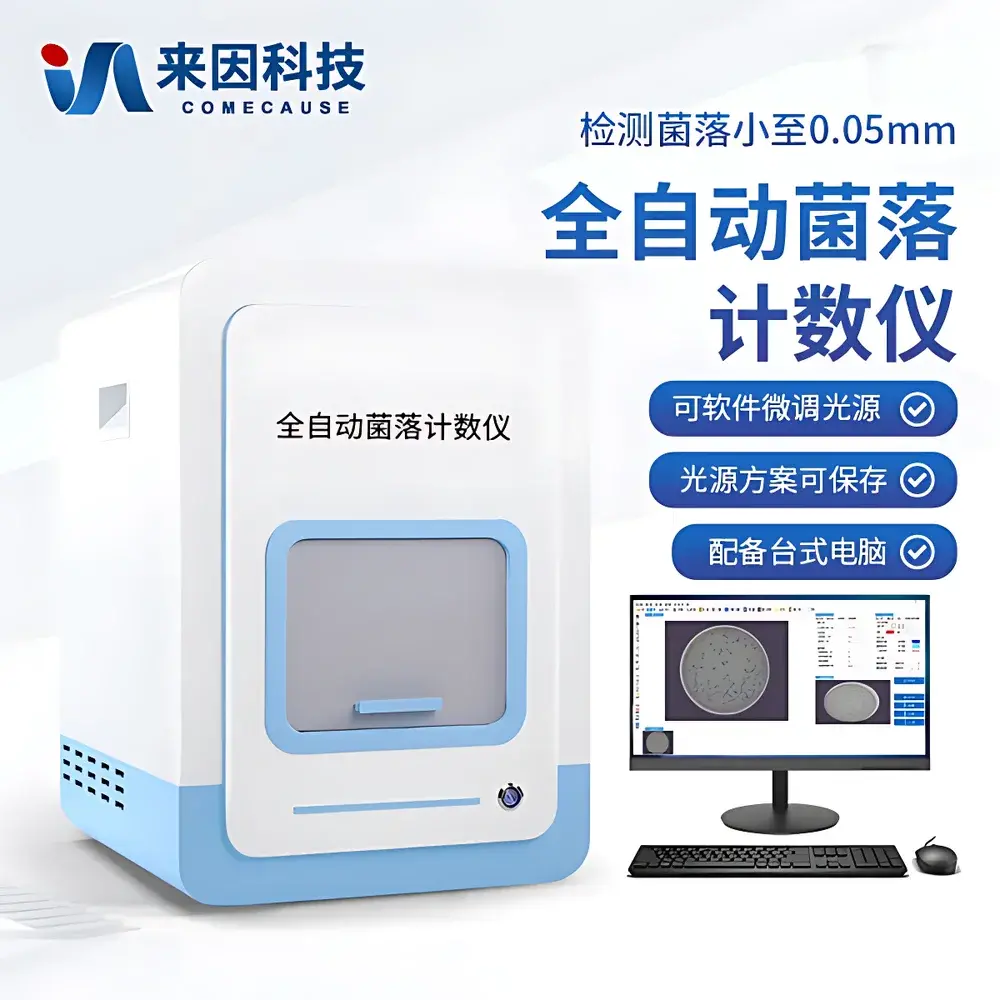
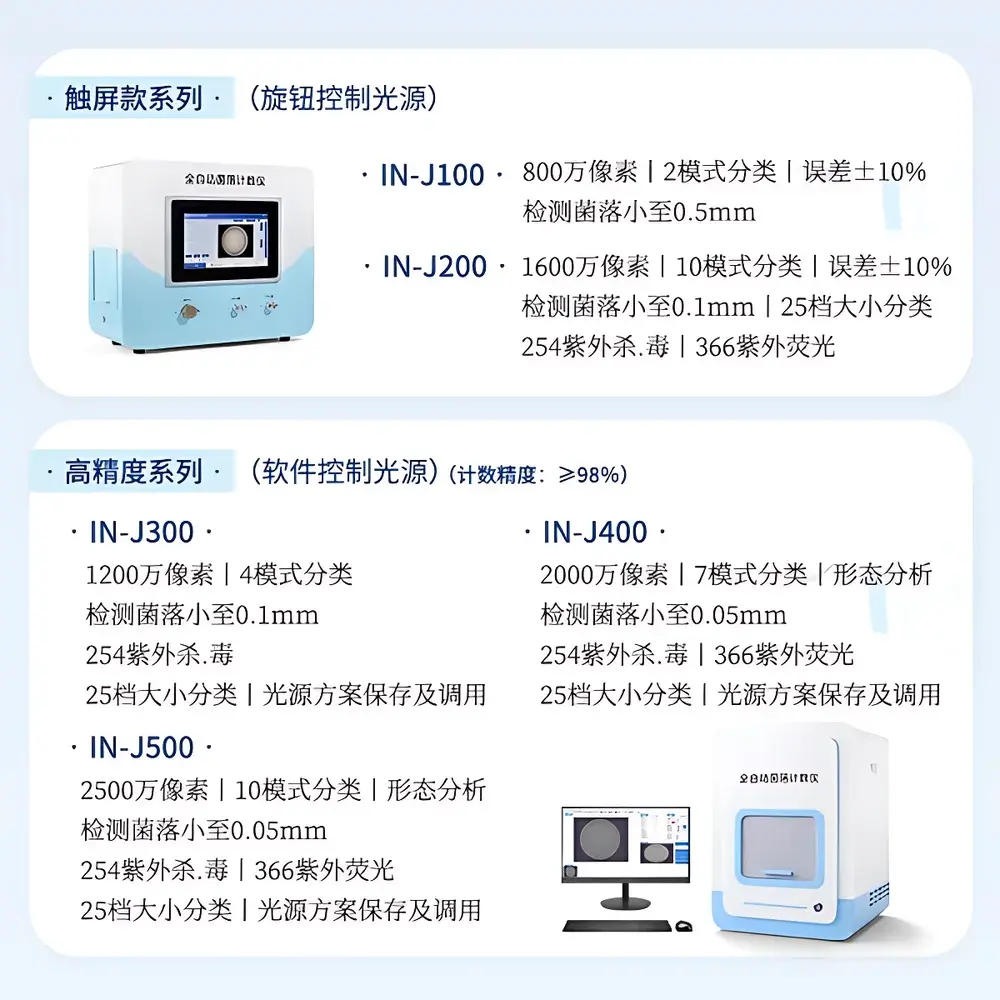
COMECAUSE IN-J400 Automated Colony Counter and Morphological Analyzer
| Brand | COMECAUSE |
|---|---|
| Origin | Shandong, China |
| Manufacturer Type | Direct Manufacturer |
| Instrument Type | Fully Automated Colony Counter |
| Sample Type | Petri Dish |
| Sample Diameter Range | 90–110 mm |
| Imaging Resolution | 1920 × 1080 (Full HD) |
| Counting Accuracy | ≤ ±10% |
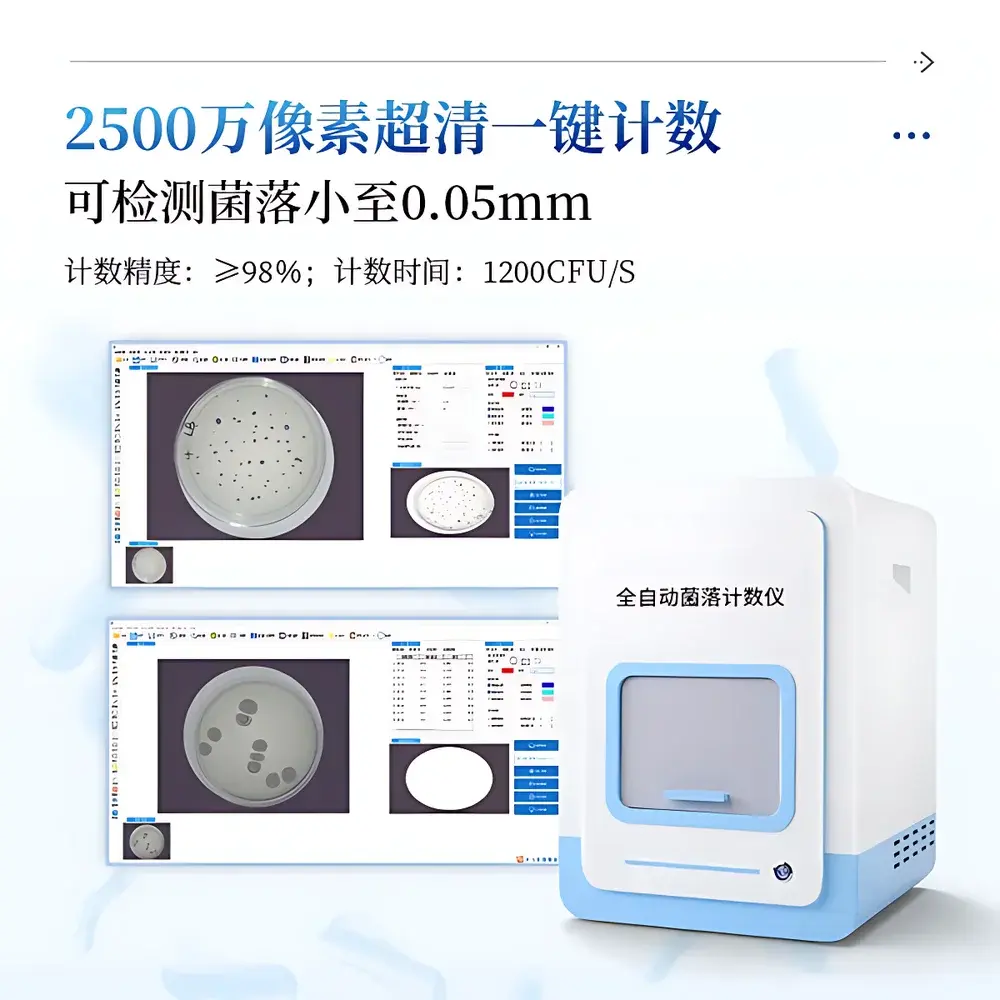
| Minimum Detectable Colony Size | 0.05 mm |
| Counting Speed | Up to 1200 CFU/s |
| Camera | 20 MP Color Sensor with 12 MP, 12 mm High-Resolution Lens |
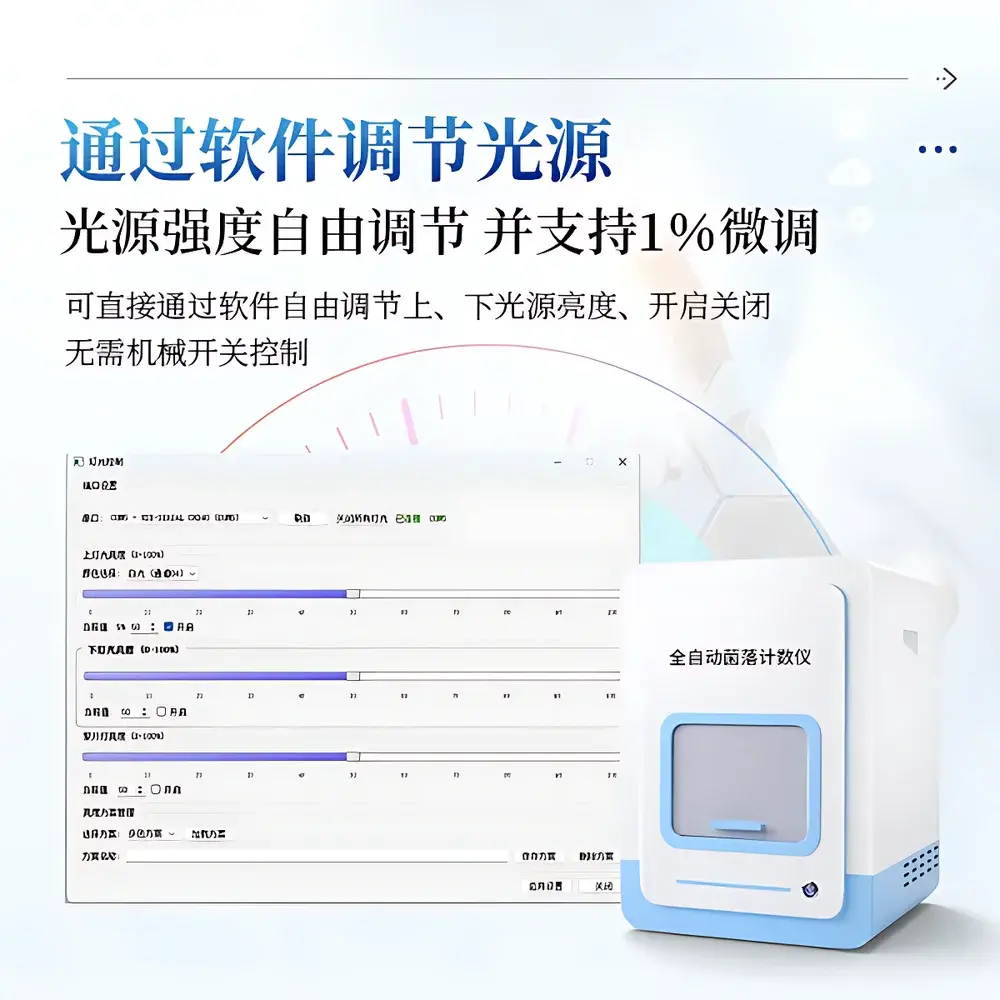
| Illumination System | Dual Independent LED Light Sources (Top & Bottom), 360° Quad-Color Visible Light, 254 nm UV for Sterilization/Mutagenesis, 366 nm UV for Fluorescence Excitation (e.g., *E. coli* GFP assays) |
| Software Features | 7 Preset Counting Modes, Manual & AI-Assisted Correction, Morphometric Analysis (Diameter, Area, Perimeter, Roundness), Audit Trail, Multi-User Login, PDF Export, Cloud Data Sync |
| Compliance | Supports GLP/GMP-aligned workflows |
| compatible with ISO 4833-1 | 2013, ISO 7218, USP <61>, and AOAC Official Methods for microbiological enumeration |
Overview
The COMECAUSE IN-J400 Automated Colony Counter and Morphological Analyzer is a laboratory-grade digital imaging system engineered for precise, reproducible, and traceable microbial colony enumeration and morphological characterization. It operates on the principle of high-fidelity digital image acquisition followed by algorithmic segmentation, classification, and quantitative morphometry—leveraging advanced computer vision techniques rooted in grayscale thresholding, edge detection, and machine learning–enhanced clustering. Designed for compliance-critical environments, the IN-J400 supports standardized microbiological testing across food safety (ISO 4833-1), pharmaceutical QC (USP , EP 2.6.12), clinical diagnostics, environmental monitoring, and academic research. Its fully enclosed optical chamber eliminates ambient light interference, while dual independently controllable illumination paths—top, bottom, and UV-specific—enable consistent contrast optimization across diverse media types (e.g., chromogenic, selective, membrane filtration, Compact Dry™, RIDA™) and colony phenotypes (pigmented, translucent, fluorescent, or low-contrast colonies).
Key Features
- Fully automated colony enumeration with real-time processing speed up to 1200 CFU per second
- 20-megapixel color CMOS sensor coupled with a 12-megapixel, 12 mm focal length macro lens for sub-0.05 mm resolution detection
- Triple-spectrum illumination architecture: quad-color visible LEDs (360° uniform, shadow-free lighting), 254 nm UV for internal chamber sterilization and mutagenesis, and 366 nm UV for fluorescence excitation in GFP-tagged or chromogenic assays
- Software-based, stepless brightness control (1% increments) for both top and bottom light sources—no mechanical switches required
- Seven pre-optimized counting modes: dispersed colonies, clustered/overlapping colonies, microcolonies, large colonies, black-grid membranes (Compact Dry™), grid-filter membranes (RIDA™), and background-matched colonies
- Integrated morphometric engine delivering per-colony metrics including diameter, area, perimeter, roundness, and aspect ratio—exportable as CSV or embedded in PDF reports
- Calibration module supporting both automatic (via calibration disk) and manual (pixel-to-mm) scaling for metrological traceability
Sample Compatibility & Compliance
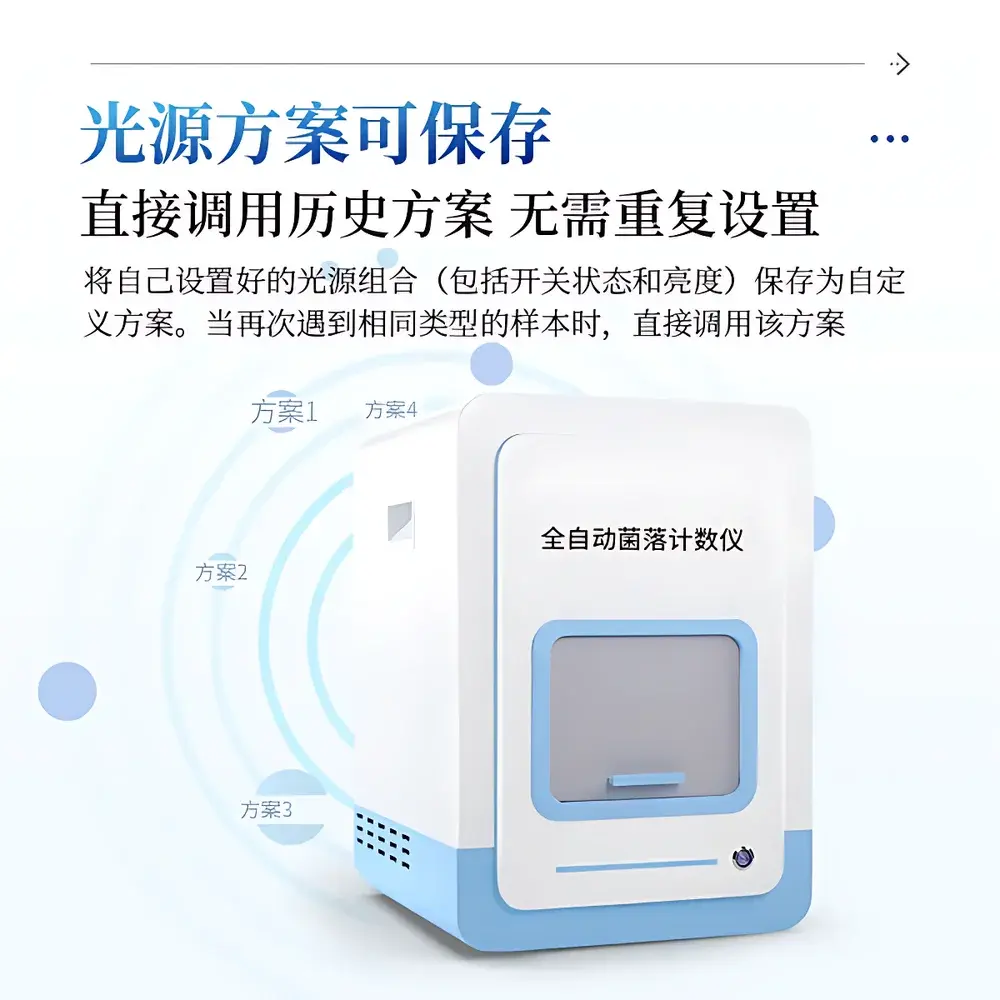
The IN-J400 accommodates standard Petri dishes (90–110 mm diameter) and supports off-center placement of smaller plates using central aperture alignment. It is validated for use with agar-based media (PCA, TSA, VRBA, MAC, CHROMagar™), membrane filtration assemblies, and commercial rapid test platforms. From a regulatory standpoint, the system facilitates adherence to ISO 7218:2017 (microbiology general requirements), ISO 4833-1:2013 (horizontal method for colony count), USP (microbiological examination of nonsterile products), and AOAC International Official Methods of Analysis. The built-in audit trail logs user identity, timestamp, action type (e.g., “count initiated”, “colony deleted”, “lighting profile loaded”), and parameter changes—meeting foundational expectations of FDA 21 CFR Part 11 for electronic records and signatures in GxP environments.
Software & Data Management
The proprietary IN-Count™ software provides a role-based multi-user interface with encrypted local database storage and optional cloud synchronization via secure TLS 1.3 endpoints. All raw images, processed datasets, and metadata are immutably archived; PDF reports include embedded thumbnails, statistical summaries, and full morphometric histograms. Each user account maintains isolated data partitions, preventing cross-access without administrative override. The system enforces password complexity policies, session timeouts, and export restrictions (e.g., disabling copy-paste of raw counts outside report templates). Raw image files retain EXIF metadata—including lighting configuration, exposure time, and calibration state—to support technical validation and method transfer.
Applications
- Quantitative enumeration of total viable counts (TVC), coliforms, *E. coli*, *Staphylococcus aureus*, and other indicator organisms in food, water, and pharmaceutical raw materials
- Morphotype differentiation in strain isolation workflows—e.g., distinguishing *Salmonella* variants on XLD versus *Listeria* on PALCAM based on size distribution and roundness profiles
- Validation of disinfection efficacy through time-series colony reduction analysis on treated surfaces or liquid samples
- Fluorescence-based enumeration of GFP-expressing recombinant strains in synthetic biology labs
- Quality control of lyophilized culture collections via viability and morphology consistency checks
- Teaching laboratories requiring standardized, repeatable enumeration protocols aligned with ISO/GLP pedagogical frameworks
FAQ
Does the IN-J400 support regulatory submissions under FDA or EMA guidelines?
Yes—the audit trail, user authentication, immutable reporting, and calibration traceability align with core principles of FDA 21 CFR Part 11 and EMA Annex 11 for computerized systems in regulated environments.
Can the system distinguish between viable and non-viable colonies?
No—the IN-J400 performs morphological enumeration only. Viability assessment requires complementary methods such as live/dead staining, ATP bioluminescence, or metabolic activity assays.
Is external calibration verification required before routine use?
We recommend initial verification using NIST-traceable calibration disks and periodic revalidation per internal SOPs or ISO/IEC 17025 requirements.
What file formats are supported for data export?
Raw images (TIFF, PNG), processed data (CSV, XLSX), and finalized reports (PDF with embedded metadata and digital signature option).
How is software update and version control managed?
Updates are delivered via authenticated HTTPS channels with SHA-256 checksum verification; each release includes a versioned changelog and backward-compatible data schema migration.




