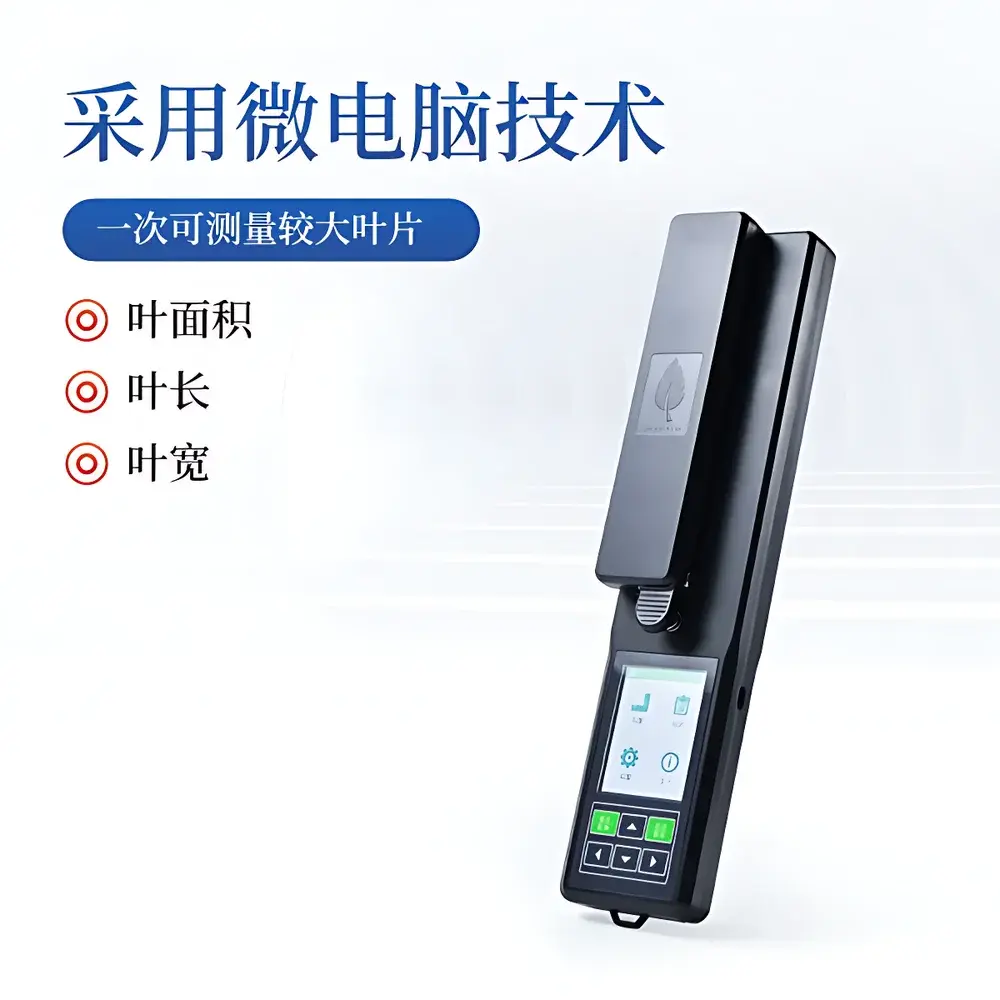
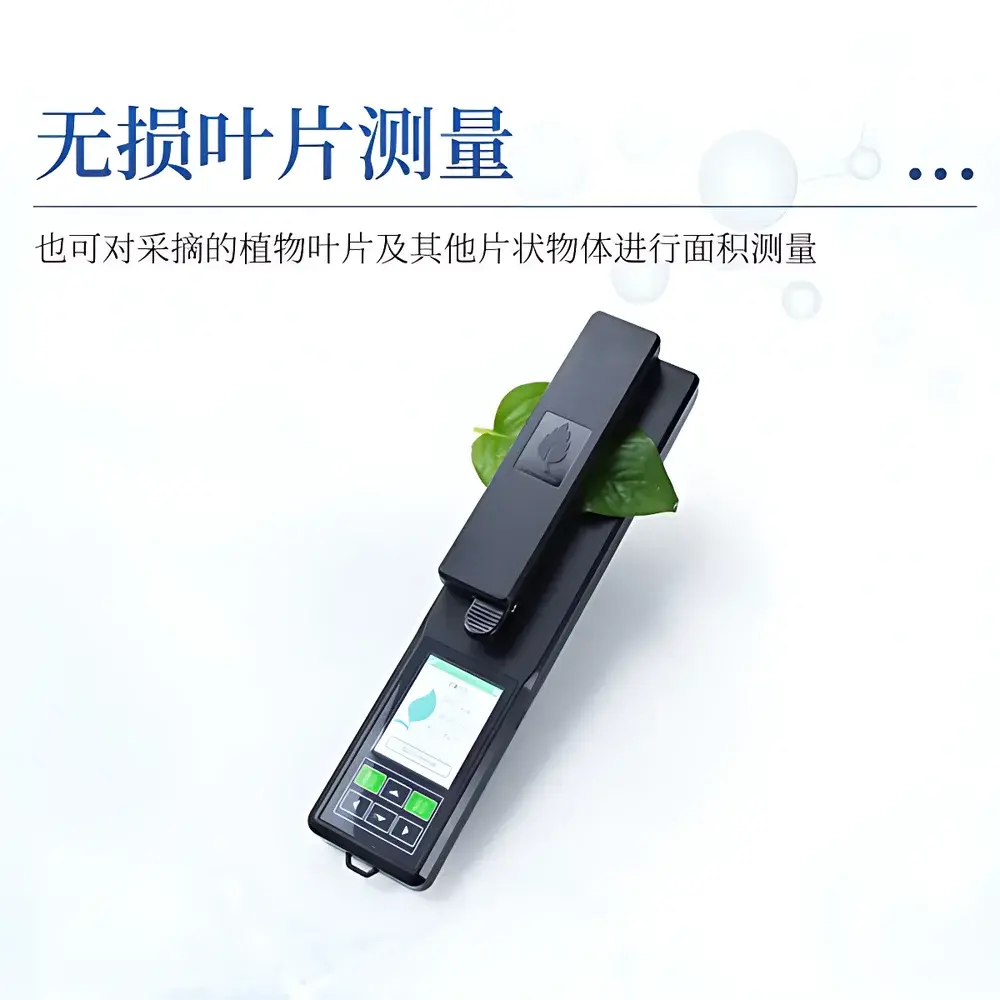

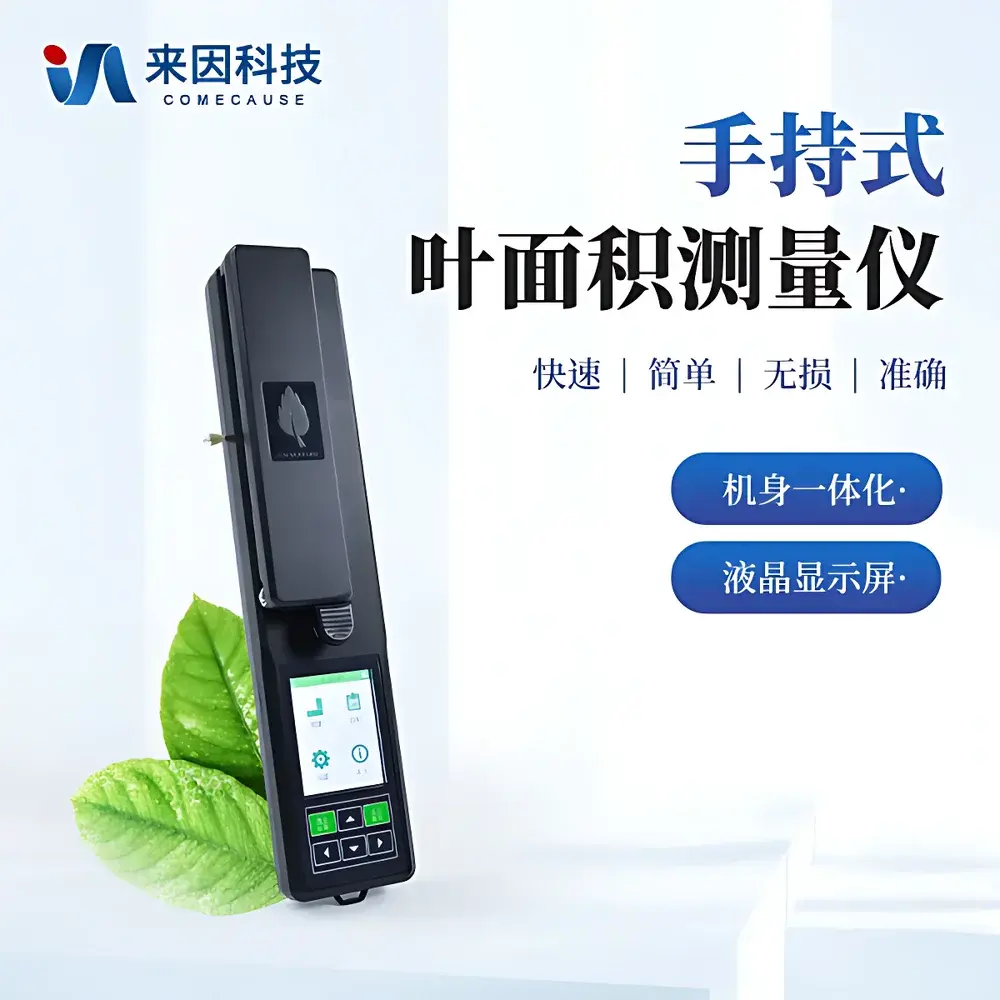
COMECAUSE YMJ-A Handheld Leaf Area Meter
| Brand | COMECAUSE |
|---|---|
| Origin | Shandong, China |
| Manufacturer Type | Original Equipment Manufacturer (OEM) |
| Country of Origin | China |
| Model | YMJ-A |
| Width Range | 0–155 mm |
| Length Range | 0–2000 mm |
| Area Resolution | 0.01 cm² |
| Measurement Accuracy | ±2% |
| Data Storage Capacity | 5000 records |
| Power Supply | Internal 5000 mAh Li-ion battery + external 1400 mAh replaceable battery |
| Display | LCD with backlight |
| Calibration | Built-in user-adjustable optical calibration module |
| Operating Environment | Field-deployable, ambient temperature 0–45°C, relative humidity ≤85% RH non-condensing |
Overview
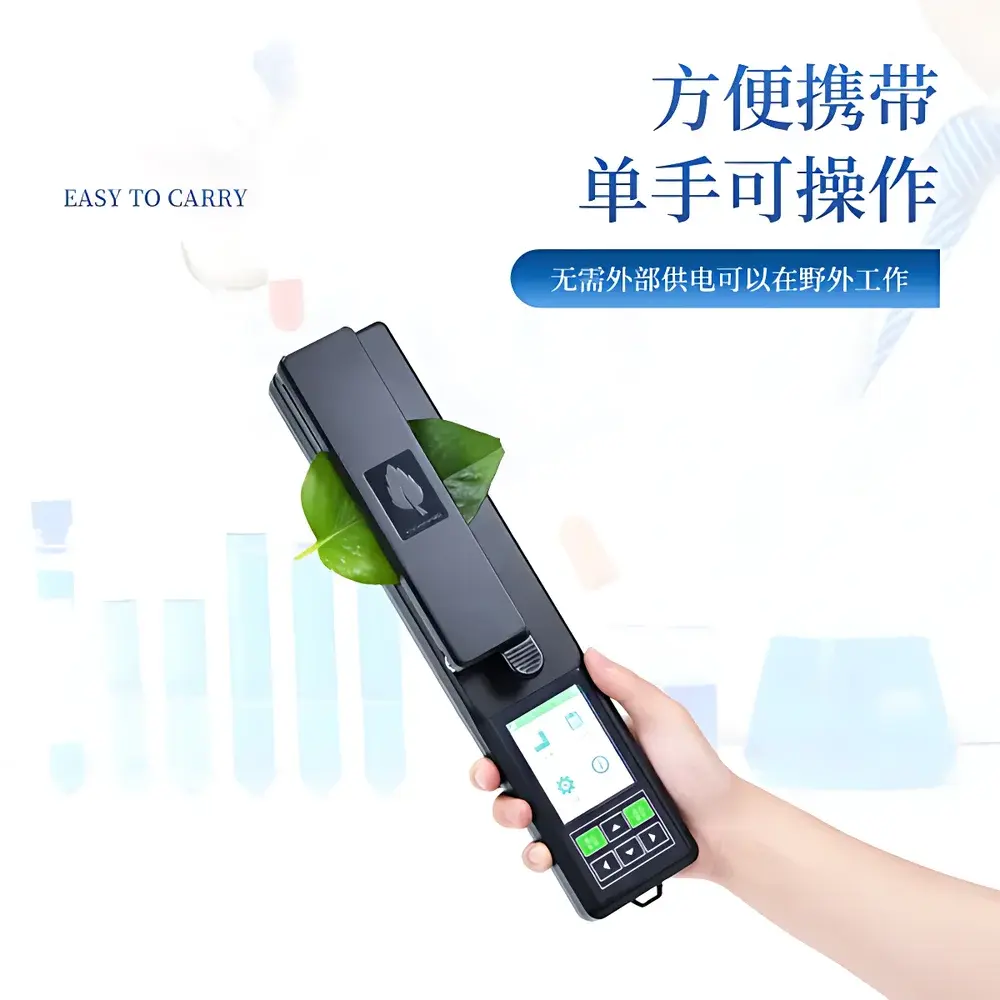
The COMECAUSE YMJ-A Handheld Leaf Area Meter is a field-portable, non-destructive optical instrument engineered for rapid, in-situ quantification of leaf area and associated morphometric parameters in plant physiology and ecology research. It operates on the principle of digital image acquisition coupled with edge-detection-based pixel-to-area conversion. A calibrated optical sensor captures high-contrast 2D images of intact leaves placed on a uniform backlighting surface; proprietary image segmentation algorithms isolate the leaf silhouette from background noise, then compute projected area using real-time spatial calibration. Unlike destructive methods (e.g., gravimetric estimation or leaf tracing), this approach preserves sample integrity—enabling longitudinal monitoring of individual plants across growth stages. The device is optimized for robustness under variable outdoor lighting conditions, featuring an integrated diffused illumination system that minimizes specular reflection and shadow artifacts, ensuring measurement repeatability across diverse leaf shapes, textures, and pigmentation levels.
Key Features
- Integrated handheld design with ergonomic grip and one-button operation—no external power source or PC required during field use.
- LCD display with backlight for clear visibility under direct sunlight or low-light conditions.
- High-capacity dual-battery system: primary 5000 mAh internal Li-ion battery supports >12 hours of continuous operation; optional 1400 mAh external hot-swappable battery extends deployment duration without shutdown.
- Maximum measurable leaf dimensions: 2000 mm length × 155 mm width—suitable for monocotyledonous species (e.g., maize, sugarcane) and broadleaf specimens alike.
- On-device storage of up to 5000 measurement records, each containing timestamp, leaf area (cm²), length (mm), width (mm), and aspect ratio.
- User-accessible calibration module allows periodic recalibration using standardized reference targets—critical for maintaining traceability across seasonal environmental shifts or multi-operator studies.
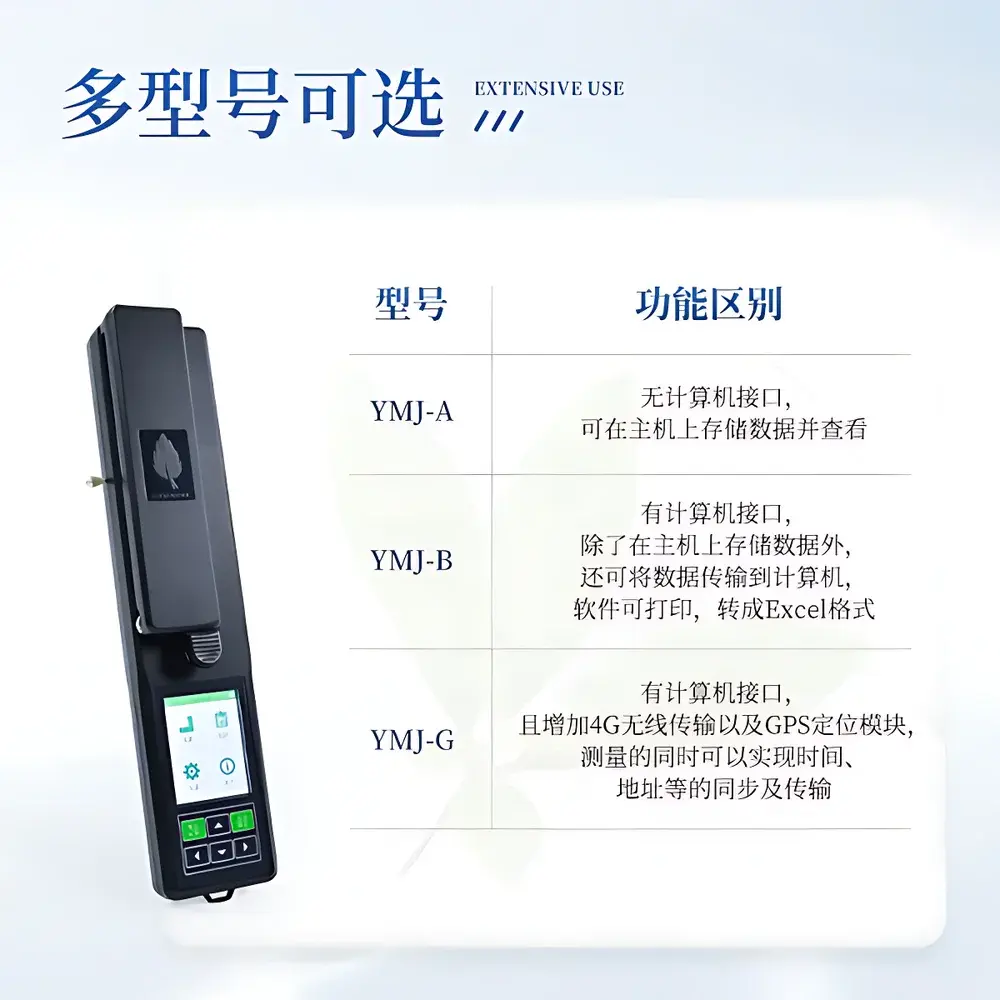
- No data interface (Type-C or wireless) included in YMJ-A model—data retrieval occurs via onboard review only, supporting GLP-compliant manual transcription workflows where network connectivity is restricted or prohibited.
Sample Compatibility & Compliance
The YMJ-A accommodates fresh, dried, or pressed leaf samples—including compound leaves, lobed structures, and senescing tissues—without requiring dissection or mounting. Its optical architecture tolerates moderate surface moisture and minor translucency variations, though highly waxy or hairy leaves may benefit from gentle wiping prior to imaging. While not certified to ISO/IEC 17025, the instrument’s ±2% measurement accuracy aligns with widely accepted performance benchmarks for field-grade leaf area meters referenced in ASTM E2913-22 (Standard Guide for Digital Image Analysis in Plant Phenotyping) and FAO Crop Water Productivity Guidelines. Its passive, non-contact methodology complies with OECD Test Guideline 112 (Algal Growth Inhibition Test) requirements for non-invasive biomass assessment. No regulatory certification (e.g., FDA, CE) applies, as it is classified as a research-grade analytical tool—not a medical or diagnostic device.
Software & Data Management
The YMJ-A operates as a standalone measurement terminal: all computation, storage, and display occur internally. Data are retained in non-volatile memory with timestamping enabled by an onboard real-time clock (RTC). While the YMJ-A lacks USB or wireless export capability (distinguishing it from YMJ-B and YMJ-G variants), its structured record format ensures compatibility with manual digitization into laboratory information management systems (LIMS) or statistical platforms such as R, Python (Pandas), or SAS. Each stored entry includes numeric fields only—no metadata bloat—facilitating audit-ready documentation in GLP environments where electronic data interchange is intentionally minimized. For institutions requiring full 21 CFR Part 11 compliance, the YMJ-A serves as a validated input layer when paired with controlled transcription protocols and secondary electronic signature workflows.
Applications
This instrument supports quantitative phenotyping across multiple domains: crop breeding programs leverage leaf area trajectories to assess genotype-by-environment interactions under drought or nutrient stress; forest ecologists apply it to monitor canopy development in understory species regeneration studies; horticultural researchers correlate leaf expansion rates with irrigation scheduling algorithms; and climate change impact assessments utilize longitudinal leaf area indices (LAI) derived from repeated measurements to model stomatal conductance and transpiration dynamics. Its portability enables deployment in remote field sites, greenhouses, growth chambers, and herbarium collections—making it suitable for both controlled experiments and large-scale ecological surveys where mobility and battery autonomy are essential.
FAQ
Does the YMJ-A support GPS or wireless data transmission?
No. GPS and 4G modules are exclusive to the YMJ-G model. The YMJ-A stores data locally only.
Can I calibrate the device in the field?
Yes. The built-in calibration routine accepts user-defined reference standards (e.g., printed grid templates) to adjust for ambient light drift or lens focus shift.
What is the minimum detectable leaf area?
With 0.01 cm² resolution, the system reliably measures leaves ≥0.5 cm²; smaller specimens require stabilization and careful positioning to avoid motion blur.
Is the backlight intensity adjustable?
No—the illumination is fixed at optimal luminance for CCD sensitivity and battery efficiency. Uniformity is maintained across the entire 155 mm aperture.
How is measurement accuracy verified?
Accuracy validation follows a two-point verification protocol: first using a certified ceramic calibration tile (10.00 ±0.02 cm²), then cross-checked against gravimetric estimation of known-area paper cutouts per ISO 536:2012 Annex B.