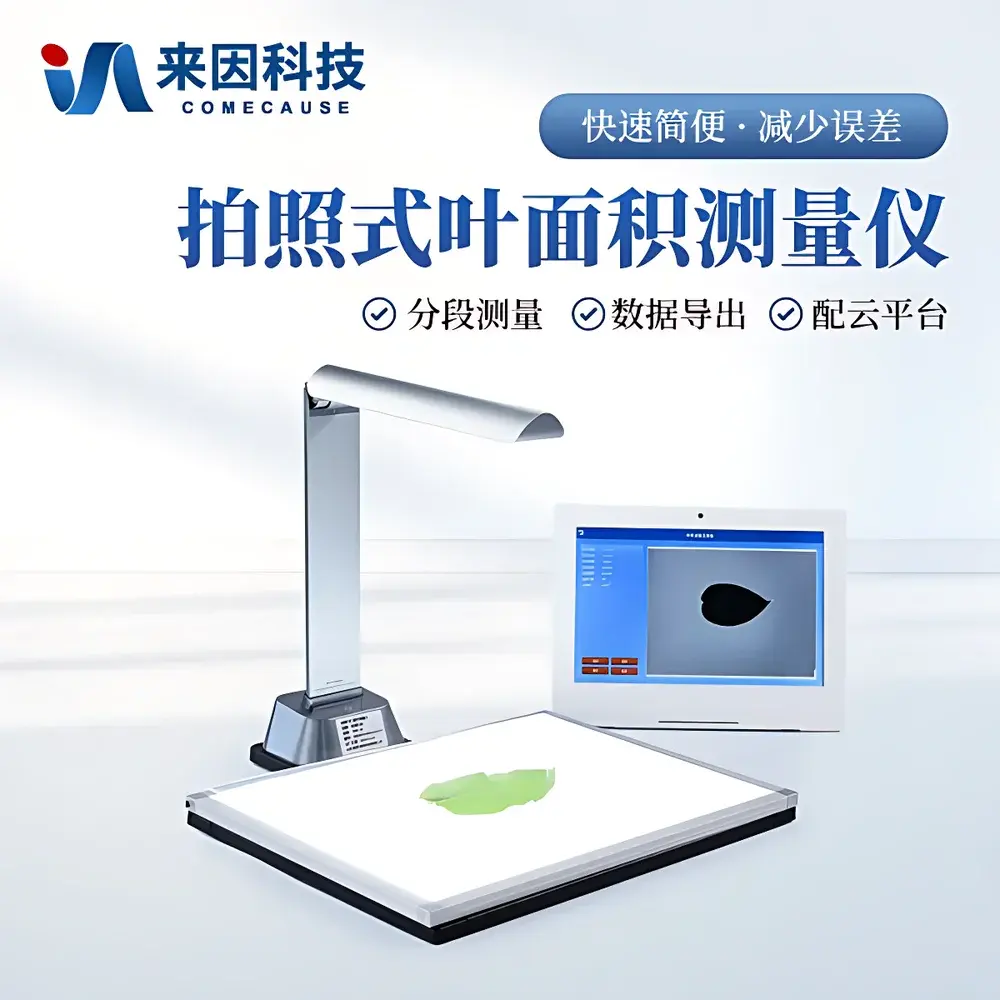
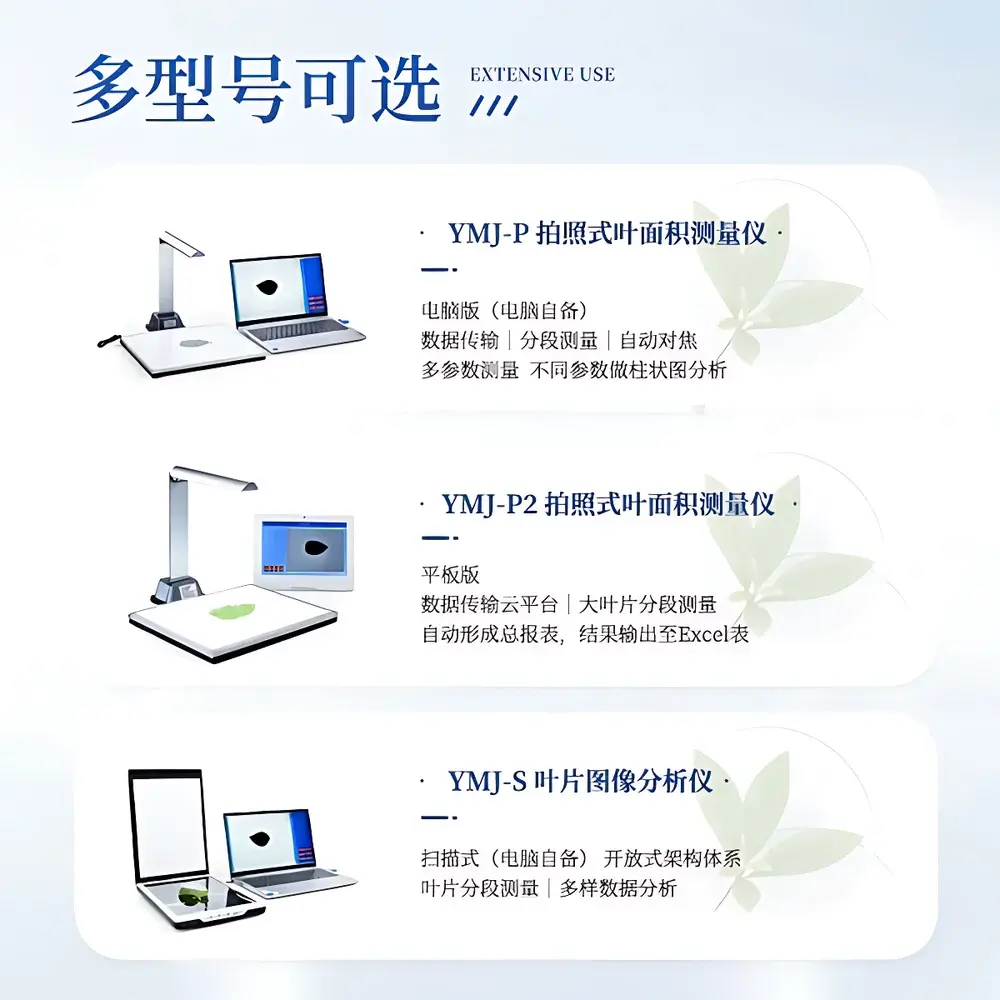

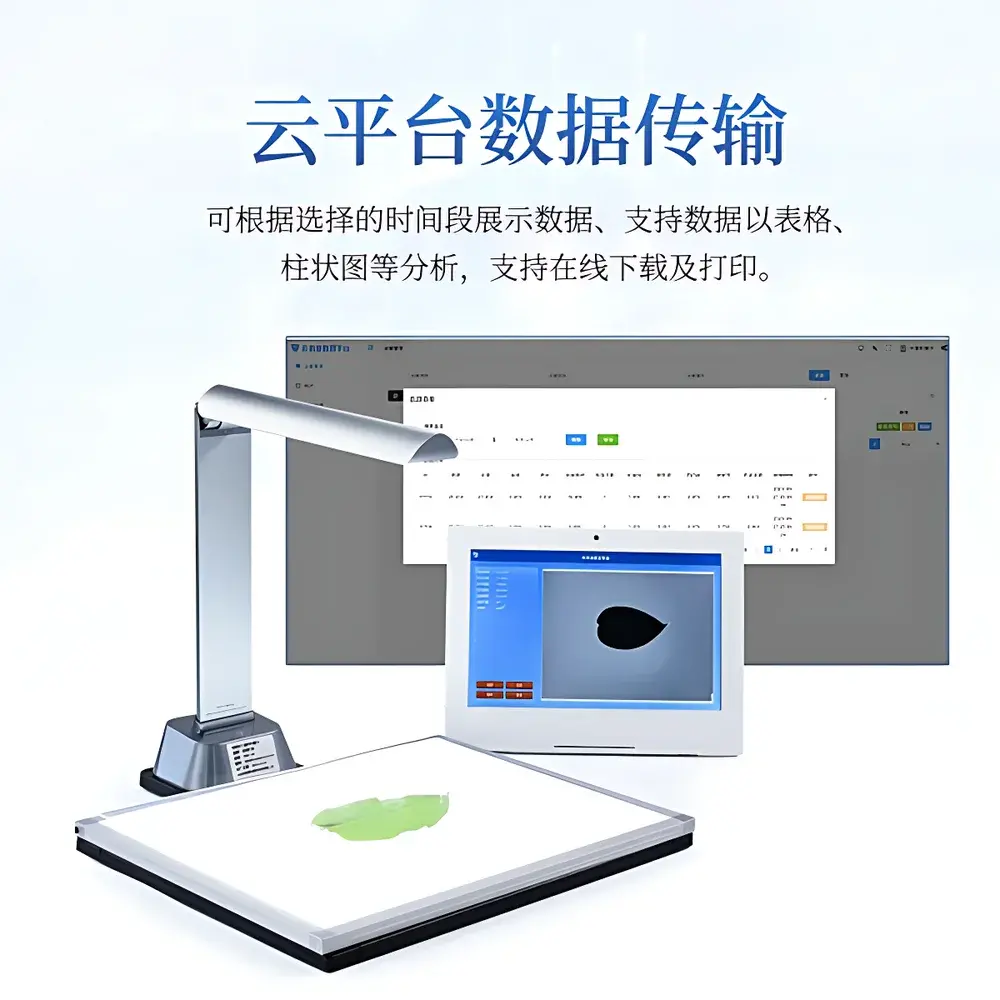
COMECAUSE YMJ-P2 Portable Imaging Leaf Area Meter
| Brand | COMECAUSE |
|---|---|
| Origin | Shandong, China |
| Manufacturer Type | Direct Manufacturer |
| Model | YMJ-P2 |
| Price | USD 950 (est.) |
| Width Range | 0–155 mm |
| Length Range | 0–2000 mm |
| Max Leaf Length | 0–290 mm |
| Max Leaf Width | 0–210 mm |
| Measurable Area Range | 1–600 cm² |
| Hole Detection Threshold | ≥0.1 cm² |
| Accuracy | ±2% |
| Long-Term Stability | <±2% deviation over 12 months |
| Response Time | 50 ms |
| Operating Temperature | −30 °C to +80 °C |
| Relative Humidity | 0–100% RH |
| Image Sensor | 16 MP CMOS high-resolution imager |
| Illumination | Uniform LED backlight (cold white, 6000 K) |
| Platform Dimensions | 350 × 285 × 10.5 mm (base), 350 × 285 × 320 mm (full unit) |
| Net Weight | 1.495 kg (imager + base) |
| Integrated Tablet | 10-inch Android 11 device (800 × 1280 px, 16 GB storage, Wi-Fi/4G, DC 12 V / 1.5 A power input) |
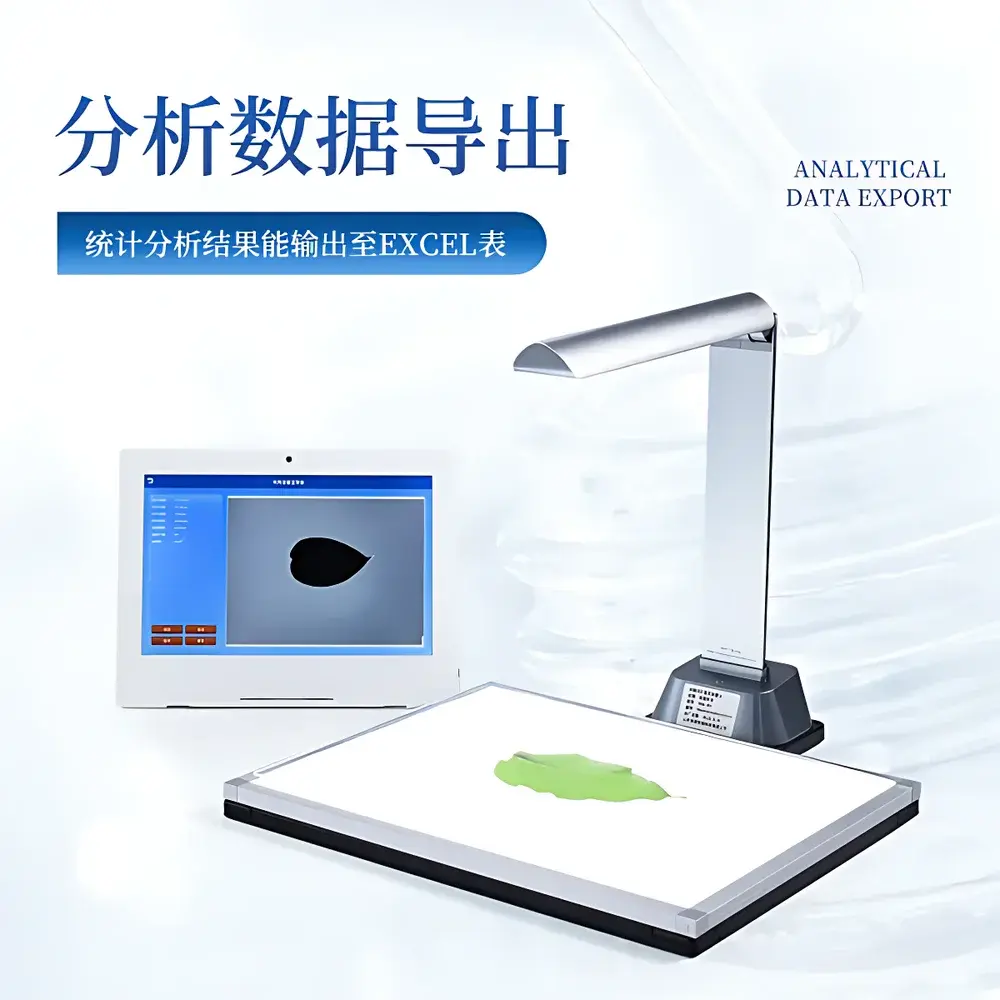
| Data Export | CSV, Excel (.xlsx), PNG/JPEG image + metadata |
| Cloud Integration | RESTful API support for secure HTTPS upload |
Overview
The COMECAUSE YMJ-P2 Portable Imaging Leaf Area Meter is a non-destructive, field-deployable digital phenotyping instrument engineered for rapid, standardized acquisition of leaf morphometric parameters in plant physiology, agronomy, forestry, and ecological research. It operates on the principle of high-contrast digital imaging combined with calibrated pixel-to-metric conversion, leveraging machine vision algorithms—including adaptive background segmentation, sub-pixel edge detection, and geometric normalization—to extract quantitative morphological descriptors directly from captured leaf silhouettes. Unlike contact-based or destructive methods (e.g., graph paper tracing, gravimetric estimation, or scanning followed by manual thresholding), the YMJ-P2 eliminates physical handling-induced deformation, measurement subjectivity, and sample loss—enabling repeated longitudinal monitoring of the same individual or cohort under controlled or field conditions. Its optical architecture integrates a uniform cold-white LED backlight source and a fixed-focus 16 MP CMOS sensor, ensuring consistent illumination geometry and spatial reproducibility across measurement sessions. The system’s core function is not merely area quantification but the generation of traceable, auditable, and interoperable digital leaf records compliant with FAIR data principles (Findable, Accessible, Interoperable, Reusable).
Key Features
- Non-contact, non-destructive imaging protocol suitable for both detached leaves and small intact plants (e.g., seedlings, rosettes)
- Automated real-time analysis: leaf area, perimeter, maximum length, maximum width, length-to-width ratio, circularity, convexity ratio, sphericity, shape factor, and lesion/feeding-damage metrics (hole count, total hole area ≥0.1 cm²)
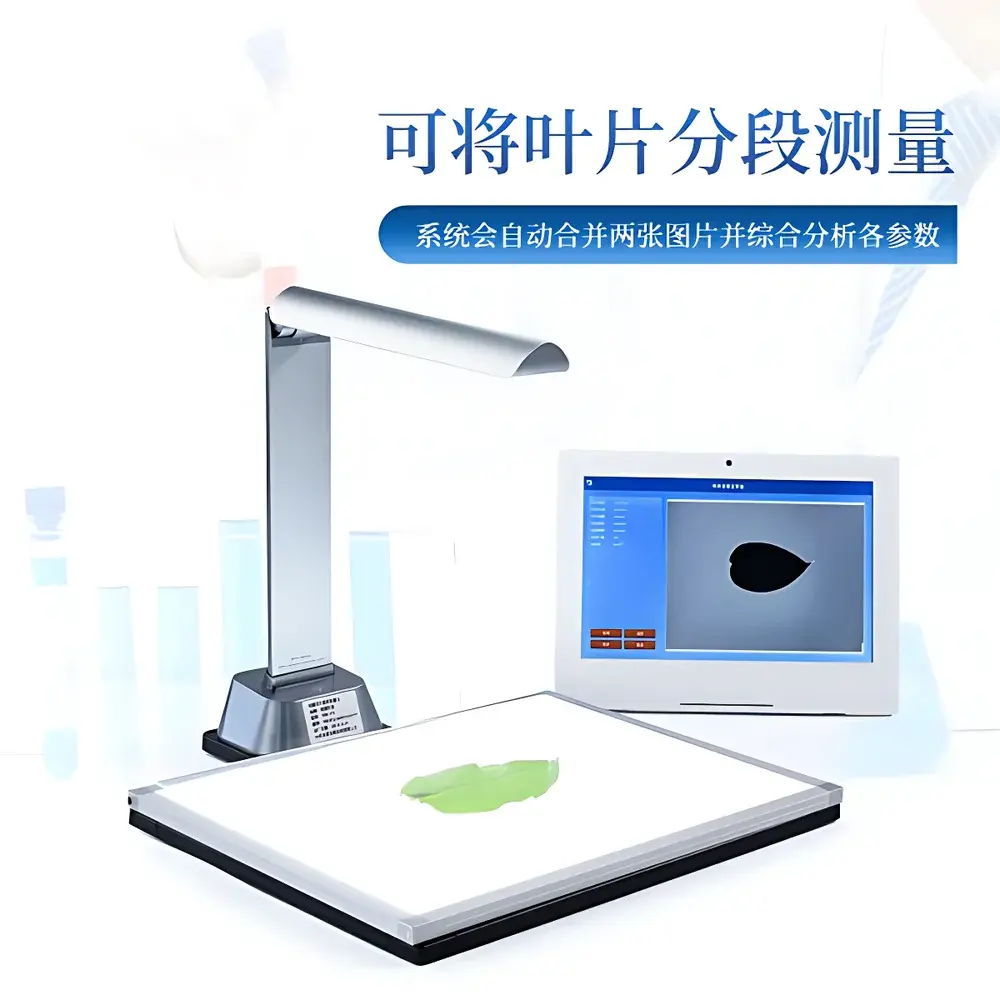
- Multi-image stitching capability for oversized specimens: two adjacent frames are registered and merged algorithmically to extend effective capture area without manual scaling or calibration drift
- Integrated 10-inch Android tablet with embedded COMECAUSE LeafVision™ v3.x software—featuring on-device processing, offline operation, and automatic firmware updates via secure OTA channel
- Calibration-invariant measurement: built-in reference scale bar and auto-illuminated fiducial markers ensure consistent pixel-to-mm mapping across environmental gradients and operator batches
- Ruggedized aluminum chassis (IP54-rated enclosure for dust/moisture resistance), optimized for lab, greenhouse, and field deployment
Sample Compatibility & Compliance
The YMJ-P2 accommodates a broad spectrum of dicot and monocot leaf morphologies—including lanceolate, ovate, cordate, pinnate, and compound forms—as well as damaged or irregularly shaped specimens (e.g., herbivory-affected, senescing, or pathogen-infected leaves). It supports measurement of single leaves up to 290 mm in length and 210 mm in width, with composite analysis enabled for multi-leaf samples via sequential capture and batch reporting. All output parameters adhere to ISO 5725 (accuracy and precision of measurement methods) and ASTM E2917 (standard practice for digital image analysis in biological applications). Raw images and processed metadata are stored with embedded EXIF tags including timestamp, GPS coordinates (if enabled), operator ID, and calibration status—supporting GLP-compliant audit trails. Data export formats (CSV, Excel, PNG) conform to NIH BD2K and MIAPPE (Minimum Information About a Plant Phenotype Experiment) metadata standards.
Software & Data Management
LeafVision™ software implements a dual-mode workflow: standalone local analysis and cloud-synchronized analytics. On-device processing ensures sub-second latency (<50 ms per frame) and full functionality without network dependency. All measurements generate structured JSON metadata alongside annotated image exports, enabling integration with LIMS (Laboratory Information Management Systems) or plant phenomics platforms (e.g., BreedBase, PhenoFront). Cloud connectivity uses TLS 1.3-encrypted HTTPS endpoints for secure data ingestion into COMECAUSE’s hosted AgriPhenoCloud™ platform, where users can perform temporal filtering, cross-trial comparisons, statistical aggregation (mean ± SD, ANOVA-ready tables), and visualization (grouped bar charts, scatter plots with regression lines). Audit logs record every software update, user login, parameter modification, and export event—meeting FDA 21 CFR Part 11 requirements for electronic records and signatures when deployed in regulated agricultural R&D environments.
Applications
- Plant Breeding & QTL Mapping: High-throughput screening of leaf morphology traits (e.g., leaf angle, aspect ratio, damage index) across segregating populations for marker-assisted selection
- Precision Crop Management: Quantifying dynamic responses of canopy architecture to irrigation regimes, nitrogen treatments, or biostimulant applications—supporting VRI (Variable Rate Irrigation) and site-specific nutrient modeling
- Ecophysiology Studies: Deriving specific leaf area (SLA), leaf mass per area (LMA), and functional trait spectra across environmental gradients (elevation, drought stress, light availability)
- Pest & Disease Monitoring: Automated quantification of herbivore feeding damage (hole count, cumulative lesion area) for resistance phenotyping and biocontrol efficacy trials
- Educational Use: Hands-on demonstration of allometric scaling, fractal dimension analysis, and digital morphometrics in undergraduate botany and ecology curricula
FAQ
Does the YMJ-P2 require external calibration before each use?
No. The system performs automatic internal calibration using its integrated LED-backlit reference scale and geometric distortion correction matrix at startup. Manual recalibration is only recommended after physical impact or firmware upgrade.
Can it measure leaves with complex venation or translucent margins?
Yes. Adaptive thresholding and multi-level contour refinement algorithms distinguish true leaf edges from venation artifacts and semi-transparent tissue, validated against >120 species across Brassicaceae, Poaceae, Solanaceae, and Fabaceae families.
Is cloud data storage mandatory?
No. All processing and storage occur locally on the embedded tablet. Cloud upload is optional and configurable per user preference; no data is transmitted without explicit consent.
What file formats are supported for third-party integration?
Raw images (JPEG/PNG), structured measurement reports (CSV, Excel .xlsx), and metadata-rich JSON-LD files are natively exportable. API documentation and schema definitions are available under NDA for enterprise integrations.
How is measurement accuracy verified during routine operation?
Each session includes an automated validation step using a certified polymer reference leaf (NIST-traceable area standard, ±0.5% uncertainty). Deviation logs trigger alerts if cumulative error exceeds ±1.8%, prompting recalibration or service review.