
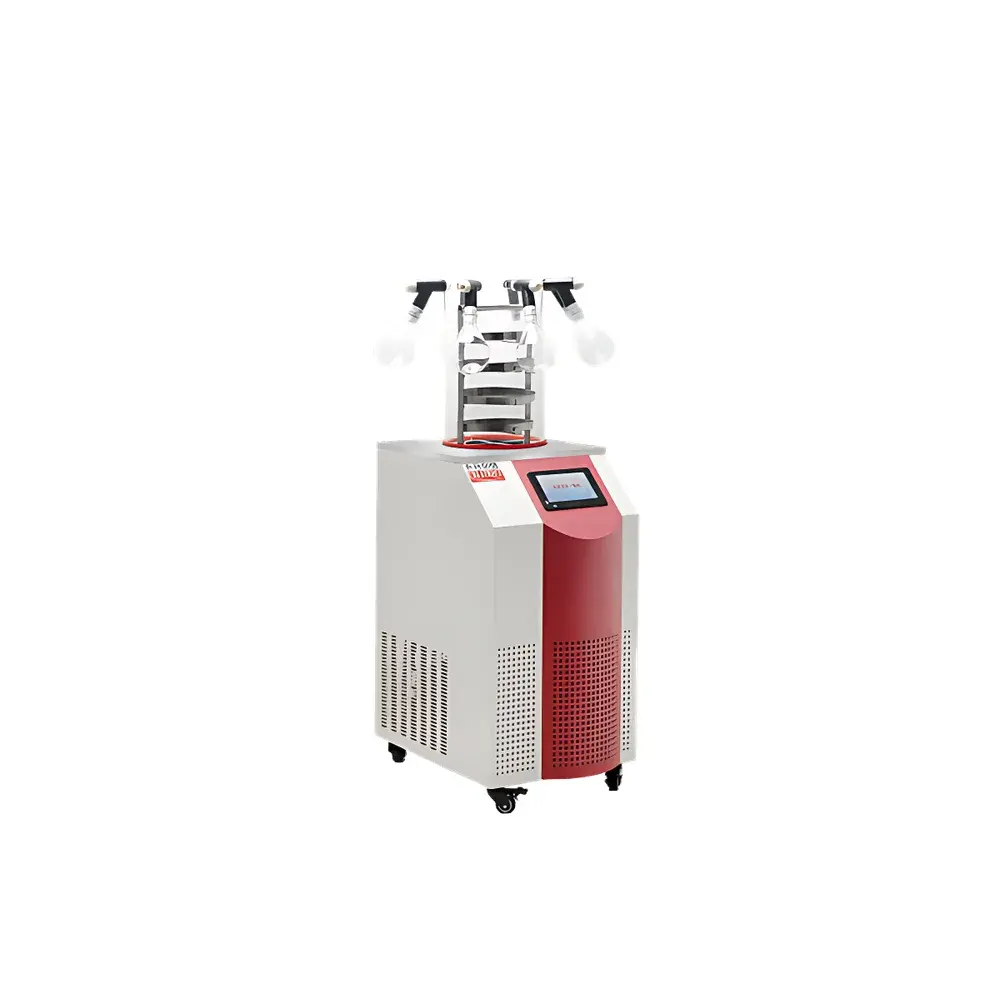
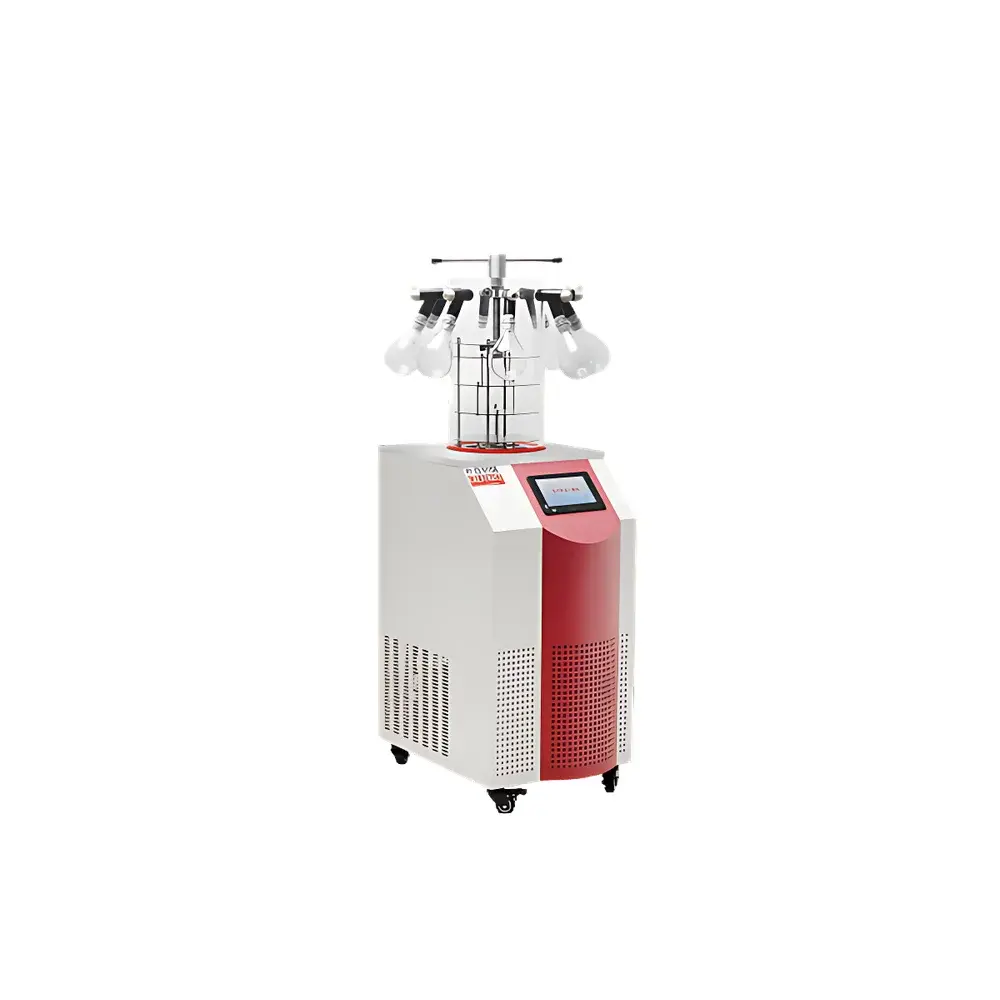
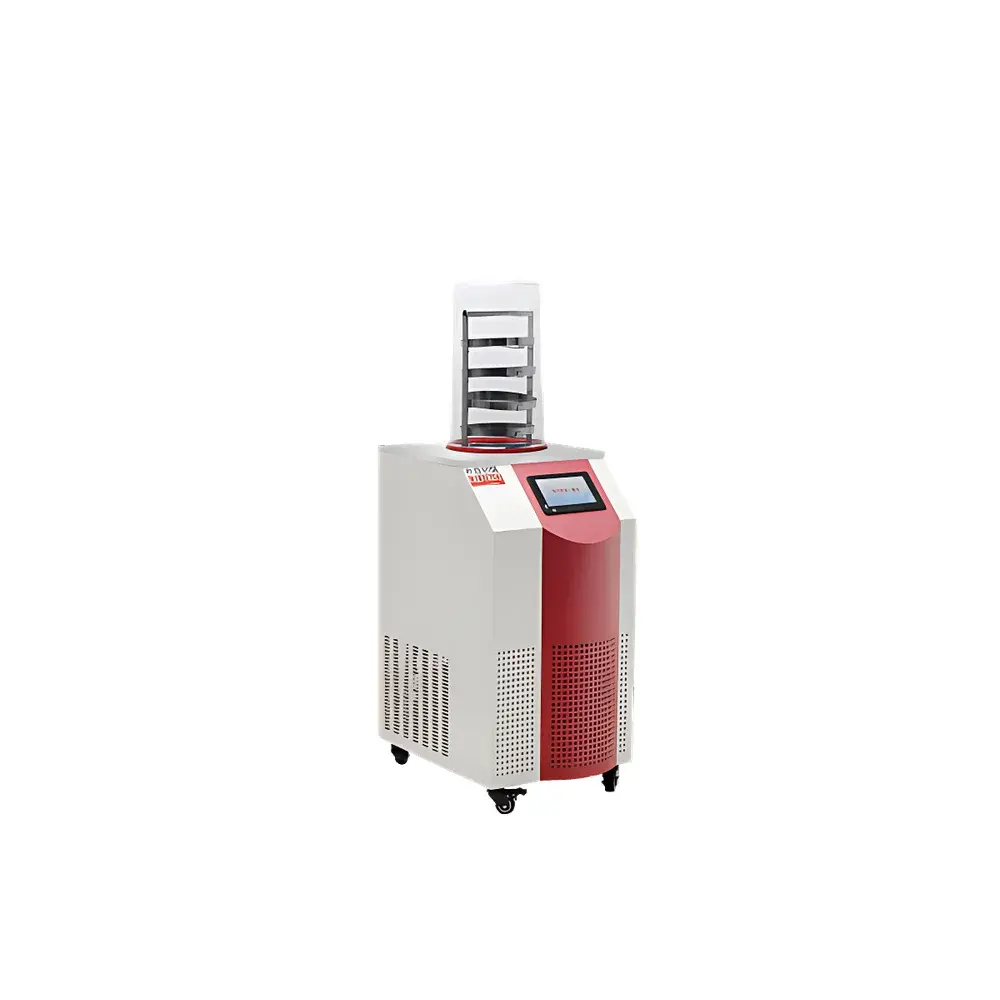
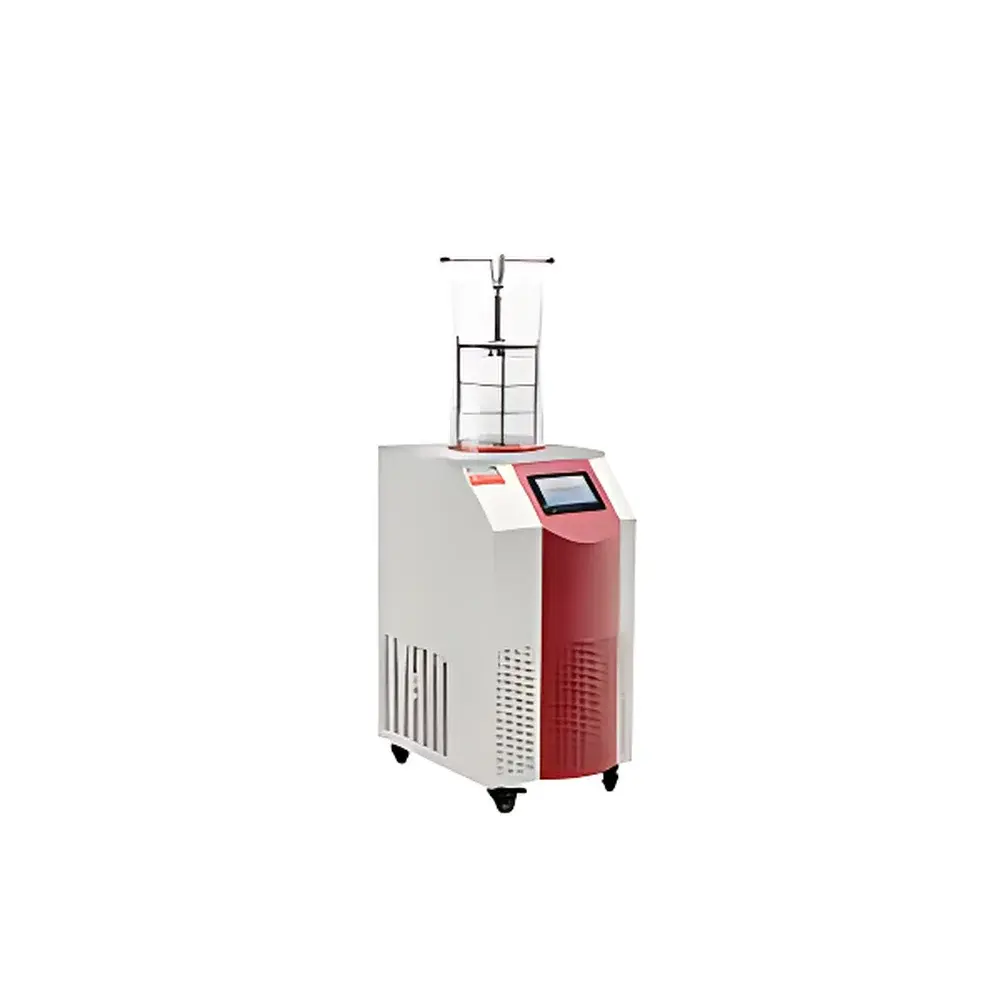
CREATRUST CTFD-18 Series Benchtop & Upright Laboratory Freeze Dryer
| Brand | CREATRUST |
|---|---|
| Origin | Shandong, China |
| Manufacturer Type | Authorized Distributor |
| Product Category | Domestic |
| Model | CTFD-18 Series |
| Instrument Type | Manifold-Type |
| Scale | Pilot-Scale |
| Lyophilization Area | 0.18–0.27 m² |
| Ultimate Vacuum | <10 Pa |
| Condensate Capacity (24 h) | 6 kg/24 h |
| Cold Trap Temperature | ≤−55 °C / ≤−80 °C |
Overview
The CREATRUST CTFD-18 Series is a pilot-scale, manifold-configured laboratory freeze dryer engineered for reproducible lyophilization of heat-sensitive biologicals, pharmaceuticals, and research-grade food matrices. Based on the fundamental principles of sublimation under controlled low-pressure and cryogenic conditions, the system removes water from frozen samples via primary drying (ice sublimation) followed by secondary drying (desorption of bound water), preserving structural integrity, bioactivity, and chemical stability. Designed for benchtop or upright installation in constrained lab environments, the CTFD-18 Series supports method development, process optimization, and small-batch production—bridging the gap between analytical-scale freeze drying and GMP-compliant manufacturing. Its modular architecture accommodates diverse sample formats including vials, flasks, ampoules, and custom containers, making it suitable for formulation screening, stability studies, and preclinical batch preparation.
Key Features
- High-efficiency dual-stage refrigeration system with imported compressors, delivering rapid cooldown to ≤−55 °C or ≤−80 °C cold trap temperatures for optimal ice capture and minimal vapor backstreaming
- 7-inch full-color TFT touchscreen interface with real-time graphical display of shelf temperature (where applicable), cold trap temperature, chamber pressure, and elapsed time
- Digital vacuum monitoring with integrated Pirani sensor; ultimate vacuum maintained below 10 Pa for efficient sublimation kinetics
- USB data logging port enabling secure export of time-stamped parameter histories (temperature, pressure, duration) for audit-ready documentation
- Optional electric defrost function for cold trap maintenance without system disassembly or extended downtime
- Configurable manifold arms (up to 8 ports) supporting simultaneous drying of multiple flasks or vials with independent valve control
- Optional shelf heating capability (CTFD-18PT variant) for precise control of product temperature during primary and secondary drying phases—critical for cycle development and thermal profiling
- Optional inert gas purge valve (N₂ or Ar) for oxygen-sensitive formulations, reducing oxidation risk during loading/unloading and storage
Sample Compatibility & Compliance
The CTFD-18 Series accommodates a broad range of sample containers: standard glass vials (12 mm, 16 mm, 22 mm diameter), serum bottles, scintillation vials, and custom-sized flasks. With lyophilization areas spanning 0.135–0.27 m² and maximum load capacities of 1350–2700 mL (at 10 mm fill depth), it meets requirements for early-phase bioprocess validation and analytical reference material preparation. The system’s pressure control accuracy and thermal uniformity support compliance with key regulatory frameworks—including USP , ISO 22058 (lyophilization process validation), and ICH Q5C (stability testing of biotechnological products). While not certified for cGMP manufacturing, its data integrity features—including timestamped USB logs and configurable user access levels—align with GLP and FDA 21 CFR Part 11 readiness when deployed with appropriate procedural controls.
Software & Data Management
No proprietary software suite is bundled; operation and monitoring occur entirely via the embedded touchscreen HMI. All operational parameters are recorded at user-defined intervals (default: 10 s) and stored internally with automatic timestamping. Historical datasets (up to 100 cycles) are retrievable directly from the device and exportable as CSV files via USB flash drive. Exported logs include cold trap temperature, chamber pressure, elapsed time, and, where equipped, shelf temperature profiles—enabling post-run analysis in Excel, MATLAB, or third-party process analytics platforms (e.g., SIMCA, JMP). Audit trails are manually generated through exported log files and operator-labeled cycle notes entered via the touchscreen keyboard.
Applications
- Biopharmaceutical R&D: Stabilization of monoclonal antibodies, recombinant proteins, viral vectors, and live attenuated vaccines (e.g., BCG, meningococcal, measles, influenza)
- Pharmaceutical development: Lyophilization of antibiotics, cardiovascular agents, and oncology therapeutics requiring enhanced shelf life and reconstitution fidelity
- Tissue banking & regenerative medicine: Preservation of human tissues—including arterial segments, corneal grafts, skin allografts, and neural explants—for long-term cryoarchival storage
- Food science research: Dehydration of probiotics, enzymes, flavor compounds, and functional ingredients while retaining viability and organoleptic properties
- Academic & government labs: Method transfer studies, excipient screening, collapse temperature determination (Tg’), and residual moisture quantification via Karl Fischer titration
FAQ
What is the difference between the CTFD-18S, CTFD-18P, CTFD-18T, and CTFD-18PT models?
The suffix denotes configuration: S = Standard chamber; P = Manifold-only; T = Hydraulic or manual stoppering; PT = Manifold + stoppering. Shelf heating and cold trap temperature options vary across variants.
Is this system compatible with external vacuum pumps?
Yes—the unit includes a standardized KF-25 or ISO-KF flange interface and operates with common two-stage rotary vane or dry scroll vacuum pumps meeting ≥4 m³/h pumping speed and ≤0.5 Pa base pressure specifications.
Can I monitor shelf temperature during lyophilization?
Shelf temperature sensing and control are available only on the CTFD-18PT model with optional electrically heated shelves. Other variants lack temperature-controlled shelves but support external PT100 probe insertion into sample vials.
Does the system meet FDA 21 CFR Part 11 requirements?
The hardware supports Part 11–aligned practices (audit trail generation, electronic signatures via external LIMS integration, and secure data export), though formal validation must be performed by the end user per their SOPs.
What maintenance is required for the cold trap?
Routine defrosting is recommended after every 3–5 cycles or when ice accumulation exceeds 80% capacity. Electric defrost (optional) reduces manual intervention; manual defrost requires system shutdown and trap warming to ambient temperature before ice removal.



