
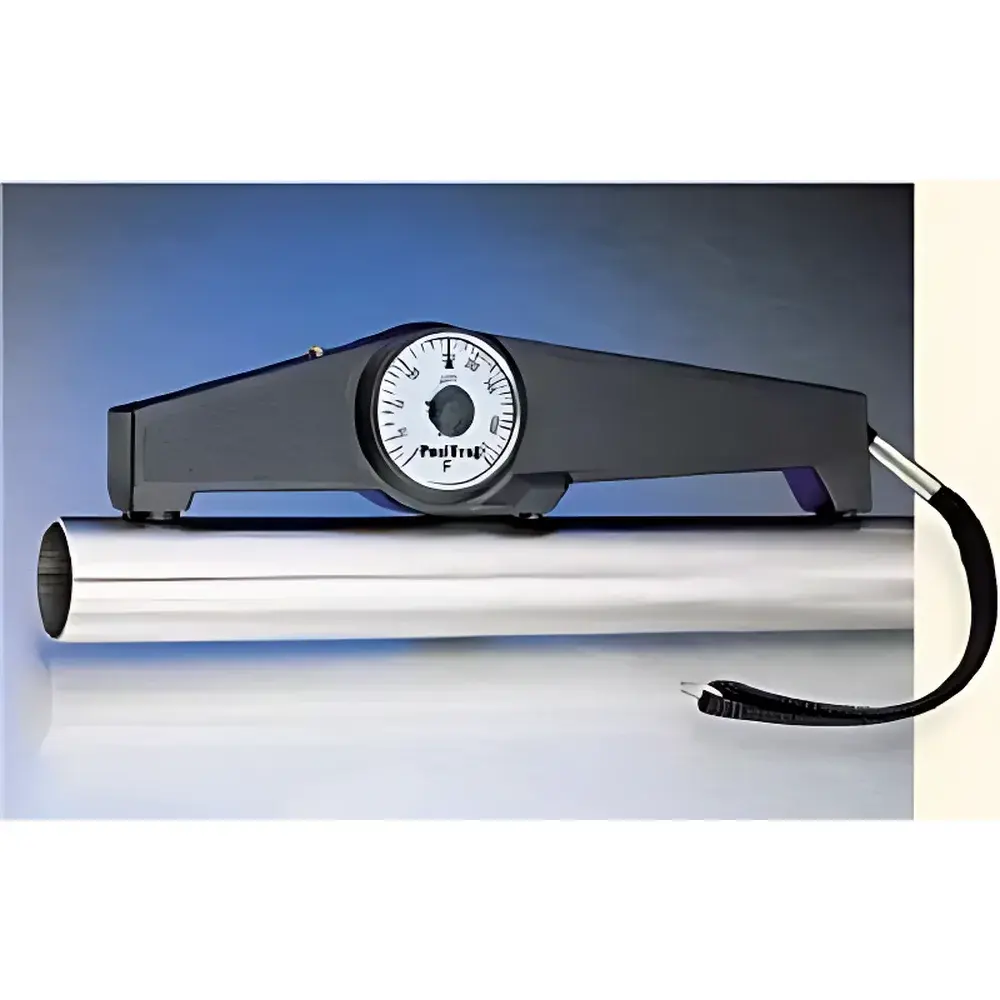
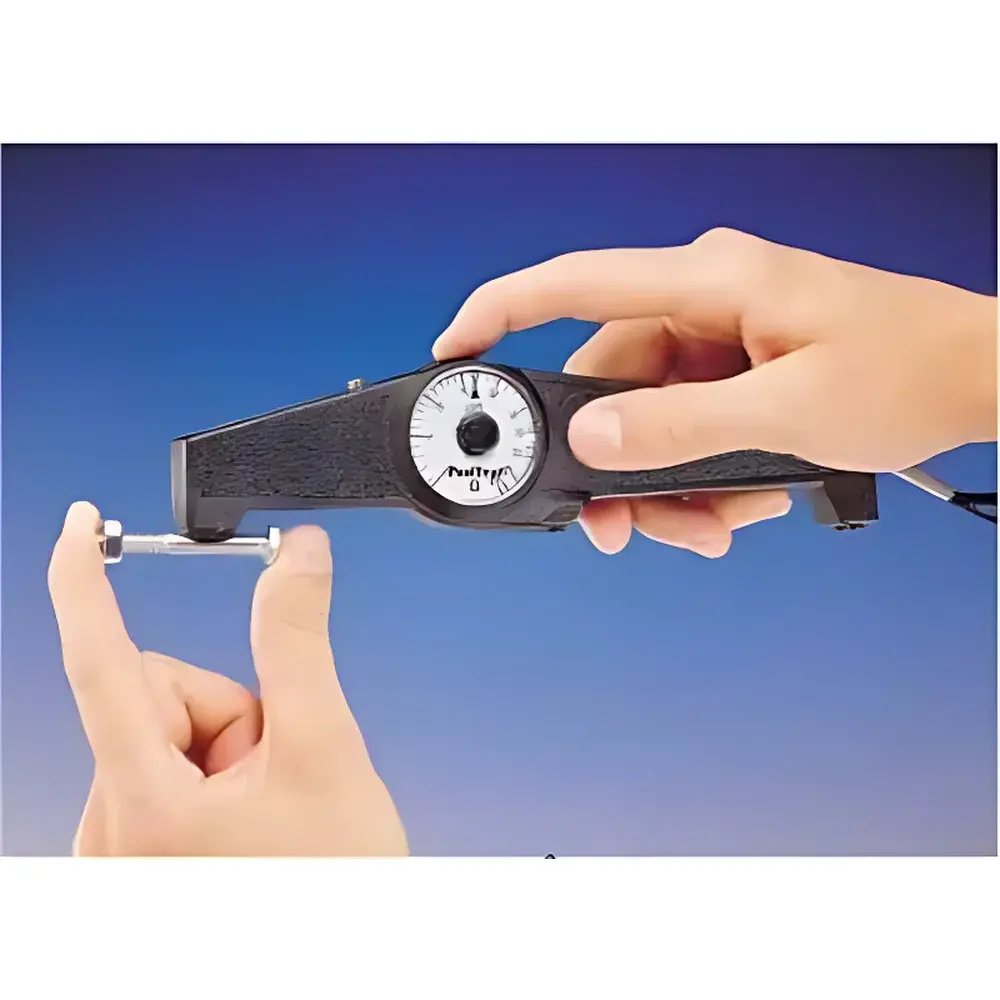
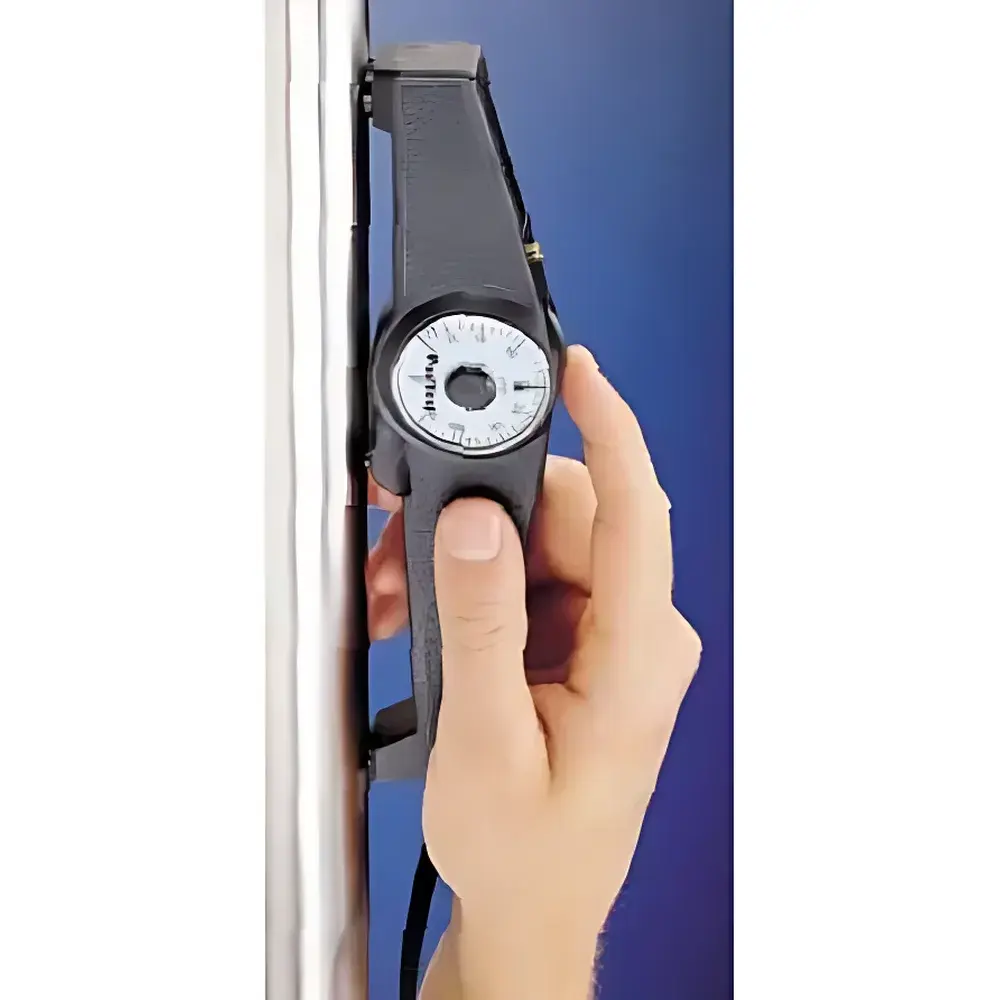
Defelsko PosiTest F/G Electromagnetic Eddy Current Coating Thickness Gauge
| Brand | Defelsko |
|---|---|
| Origin | USA |
| Model | PosiTest F/G |
| Measurement Principle | Electromagnetic Induction (F-type) / Eddy Current (G-type) |
| F-Type Range | 0–2000 µm (0–80 mils) |
| G-Type Range | 0–200 µm (0–8 mils) |
| F-Type Accuracy | ±5 µm (≤100 µm), ±5% of reading (>100 µm) |
| G-Type Accuracy | ±1 µm (≤20 µm), ±5% of reading (>20 µm) |
| Probe Type | Permanent Magnet (F) / High-Frequency Eddy Current (G) |
| Compliance | ASTM D7091, ISO 2178, ISO 2360, SSPC-PA 2, GB/T 4956, GB/T 4957 |
| Power Source | None (magnet-driven) |
| Environmental Rating | IP65-equivalent robust housing |
| Calibration | NIST-traceable certificate supplied with each unit |
Overview
The Defelsko PosiTest F/G is a dual-mode, hand-held electromagnetic coating thickness gauge engineered for non-destructive measurement of non-magnetic coatings on ferrous substrates. It integrates two distinct physical principles in a single compact instrument: the F-type mode employs magnetic induction to quantify thick coatings—including paint, enamel, plastic, hot-dip galvanizing, and thermal spray—on steel; the G-type mode utilizes high-frequency eddy current technology to resolve ultra-thin layers such as electroplated metals, phosphating films, and thin organic coatings. Unlike battery-dependent digital gauges, the PosiTest F/G operates entirely without power—its F-probe relies on a rare-earth cobalt permanent magnet, while the G-probe uses passive eddy current excitation—ensuring intrinsic safety, zero drift over time, and suitability for hazardous environments including Class I, Division 1 areas. Designed for field and shop-floor use, it delivers repeatable measurements independent of orientation or gravitational influence, meeting the metrological rigor required in quality control, maintenance inspection, and regulatory compliance workflows.
Key Features
- Two-in-one functionality: Simultaneous support for magnetic induction (F/FM) and eddy current (G/GM) measurement modes in a single ergonomic housing
- NIST-traceable calibration certificate included with every unit, verifying conformance to ASTM E2554 and ISO/IEC 17025 assessment criteria
- Hardened tungsten carbide probe tip engineered for >100,000 measurement cycles without loss of linearity or hysteresis
- Adjustable dial-center mechanism enabling rapid zero and span calibration using certified shims per ASTM D7091 Annex A2
- IP65-rated textured polymer casing resistant to mechanical impact, hydrocarbon solvents, dilute acids, and prolonged moisture exposure
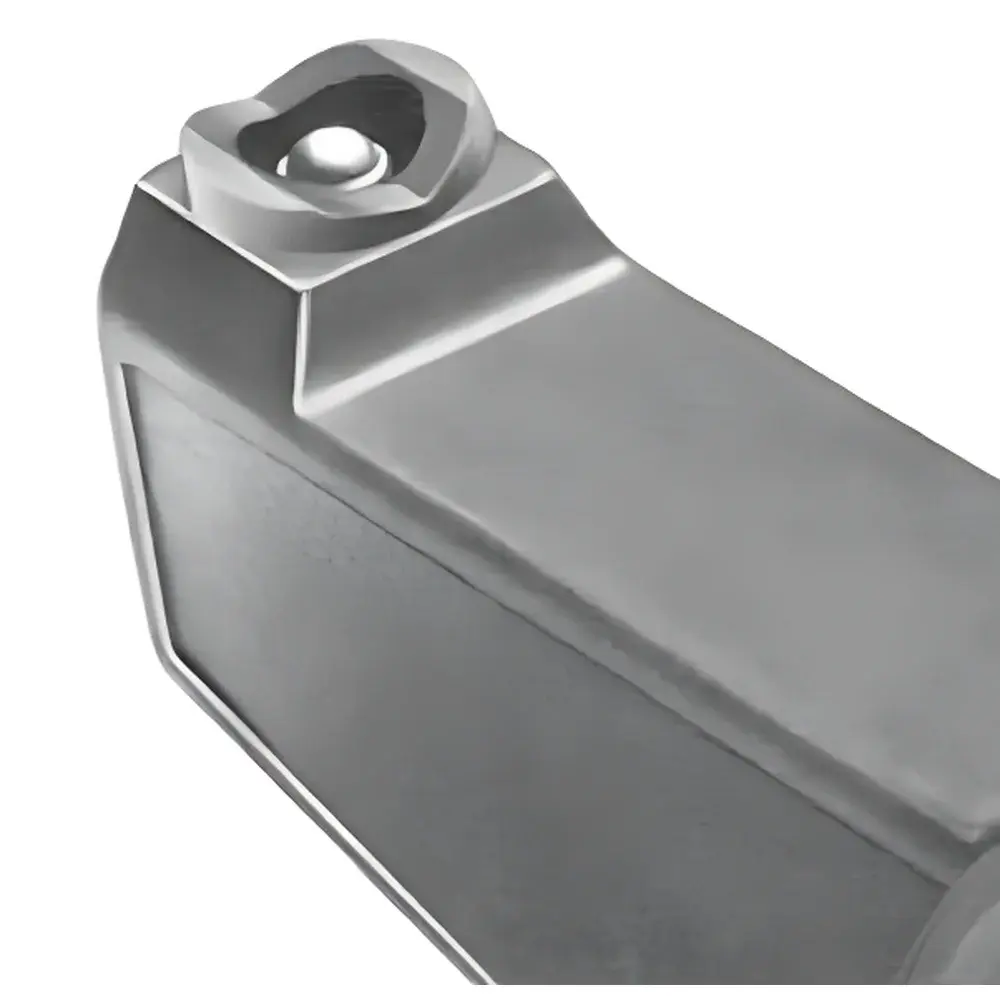
- V-grooved probe housing and rigid base plate ensure stable registration on curved surfaces (e.g., pipes, cylinders) with ≤0.1° angular deviation
- GO/NO-GO push-button preset for pass/fail screening against user-defined upper/lower limits—ideal for high-volume QA checkpoints
- Acoustic and visual confirmation (LED + audible beep) upon stable signal acquisition, minimizing operator-induced variability
- Zero-power operation eliminates battery dependency, self-discharge risk, and temperature-related voltage drift
Sample Compatibility & Compliance
The PosiTest F/G is validated for use on smooth, flat, or moderately curved ferrous substrates with minimum substrate thickness ≥1 mm and relative permeability μr ≥ 50. It is not intended for non-ferrous base metals (e.g., aluminum, copper) or multi-layer systems where interlayer interference may occur. Measurement validity requires surface roughness < Ra 5 µm and absence of embedded ferromagnetic particles. The instrument complies with international standards governing non-destructive coating verification, including ASTM D7091 (Standard Practice for Nondestructive Measurement of Dry Film Thickness of Nonmagnetic Coatings Applied to Ferrous Metals), ISO 2178 (Magnetic method), ISO 2360 (Eddy current method), SSPC-PA 2 (Procedure for Determining Conformance to Dry Film Thickness Requirements), and Chinese national standards GB/T 4956 and GB/T 4957. Its passive design satisfies ATEX/IECEx requirements for Group II equipment in explosive atmospheres, and its audit-ready calibration documentation supports GLP and ISO 9001 quality system implementation.
Software & Data Management
While the PosiTest F/G is an analog-indicating instrument with no embedded memory or Bluetooth interface, it is fully compatible with Defelsko’s optional PosiSoft Desktop software suite (v5.0+) via USB-connected PosiTest Data Logger accessory. When used with the logger, up to 10,000 readings—including date/time stamp, location tag, operator ID, and statistical summaries (mean, std dev, min/max, Cp/Cpk)—can be exported in CSV, PDF, or XML formats compliant with FDA 21 CFR Part 11 requirements (electronic signatures, audit trail, data integrity controls). Raw analog output permits integration into SCADA or MES platforms via 4–20 mA transducer modules (sold separately), enabling real-time SPC charting and automated process feedback loops in continuous coating lines.
Applications
- Verification of hot-dip galvanized coating thickness on structural steel prior to erection (ASTM A123)
- In-process monitoring of electroplated nickel, chromium, or zinc layers on automotive fasteners and aerospace components
- Field inspection of marine and offshore protective coatings per NORSOK M-501 and ISO 12944
- Quality assurance of powder-coated architectural aluminum extrusions (when applied over steel subframes)
- Validation of phosphate conversion coatings on stamped sheet metal prior to painting
- Maintenance inspection of pipeline internal linings and tank farm containment systems
- Third-party certification audits requiring traceable, operator-independent thickness records
FAQ
Does the PosiTest F/G require periodic recalibration?
Yes—annual recalibration is recommended per ISO/IEC 17025 and ASTM D7091 Section 8. Users should verify zero and span with certified reference standards before each shift when employed in regulated environments.
Can it measure coatings on stainless steel?
Only on ferritic or martensitic stainless steels (e.g., 430, 410). Austenitic grades (e.g., 304, 316) are non-magnetic and incompatible with the F-mode; G-mode may yield unreliable results due to variable conductivity and permeability.
What is the minimum substrate thickness for accurate measurement?
At least 1 mm for flat plates; curvature radius must exceed 15 mm to avoid edge effects. Thinner substrates induce magnetic shunting and result in under-reading.
Is the instrument suitable for use in cleanrooms or pharmaceutical facilities?
Yes—the absence of batteries, lubricants, or outgassing materials makes it compatible with ISO 14644-1 Class 5–8 environments. Its static-dissipative housing prevents particle attraction.
How does temperature affect measurement accuracy?
The permanent magnet and eddy current coil exhibit negligible thermal coefficient (< ±0.01% / °C) between –10 °C and +50 °C. No compensation is required within this range.



