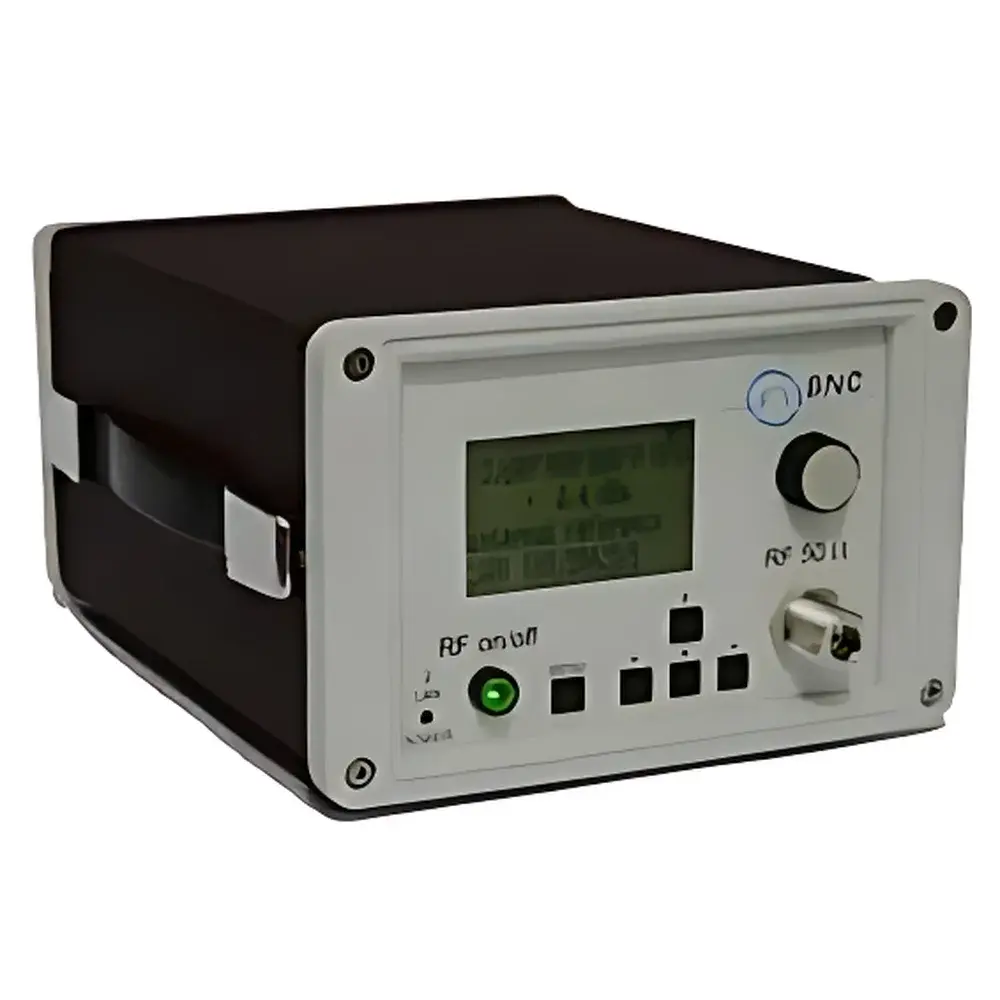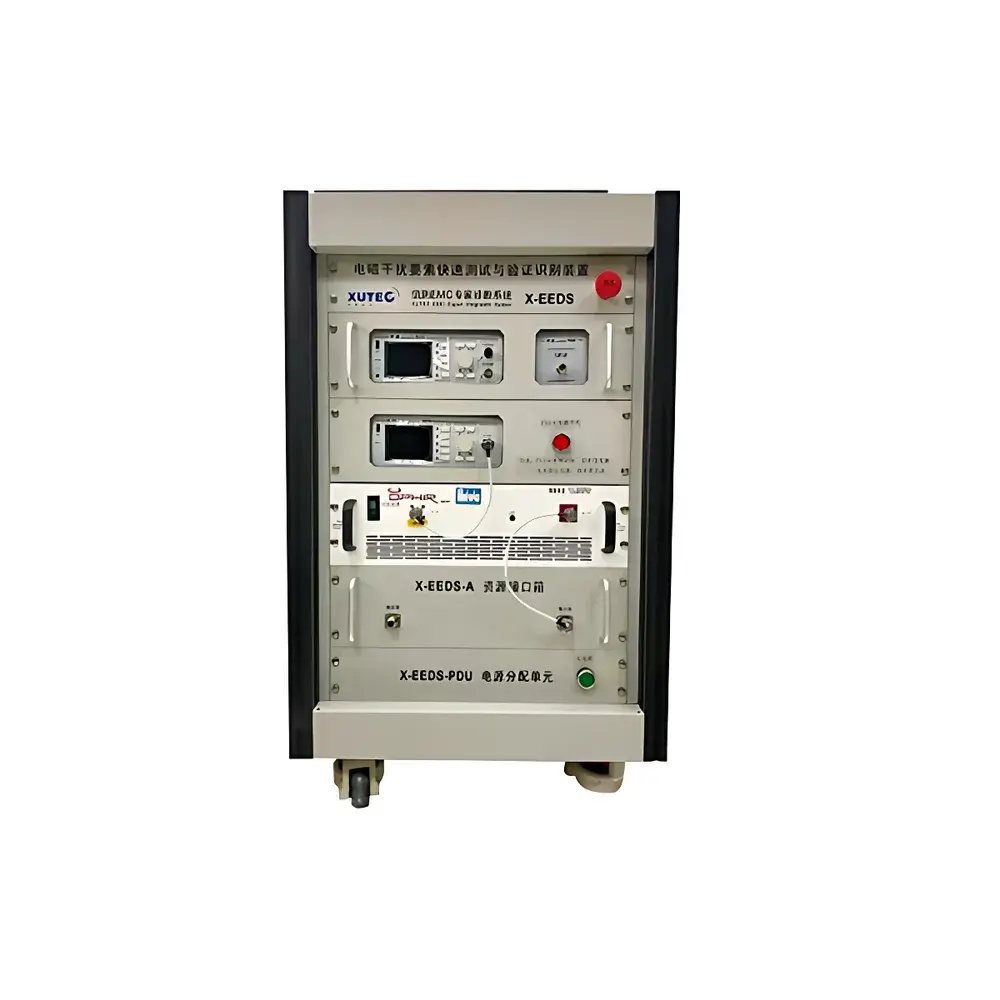
DELTA GS-DELTA1079 High-Fidelity ECG Test System
| Brand | DELTA Instruments |
|---|---|
| Model | GS-DELTA1079 |
| Voltage Range | ±10 V |
| Voltage Resolution | 0.1 mV |
| Voltage Accuracy | ±(1% of Vp-p setting + 2 mVp-p) |
| Frequency Range | 0.01 µHz – 5 MHz |
| Frequency Resolution | 0.01 µHz |
| Frequency Accuracy | ±(3 ppm of setting + 2 pHz) |
| Lead Configuration | 12-lead compatible |
| Compliance | GB 9706.225–2021, IEC 60601-2-25:2011, YY 1079–2008, JJG 1041–2008 |
| ECG Simulation | Standard waveform (1333.3 ms period), 6 arrhythmia modes (20–300 bpm), pacing pulse (0.1/1/10 ms, ±0.5%), dual-source composite signal generation (sine + square) |
| CMRR Test Module | Input 1–20 Vrms @ 50/60/100/120 Hz |
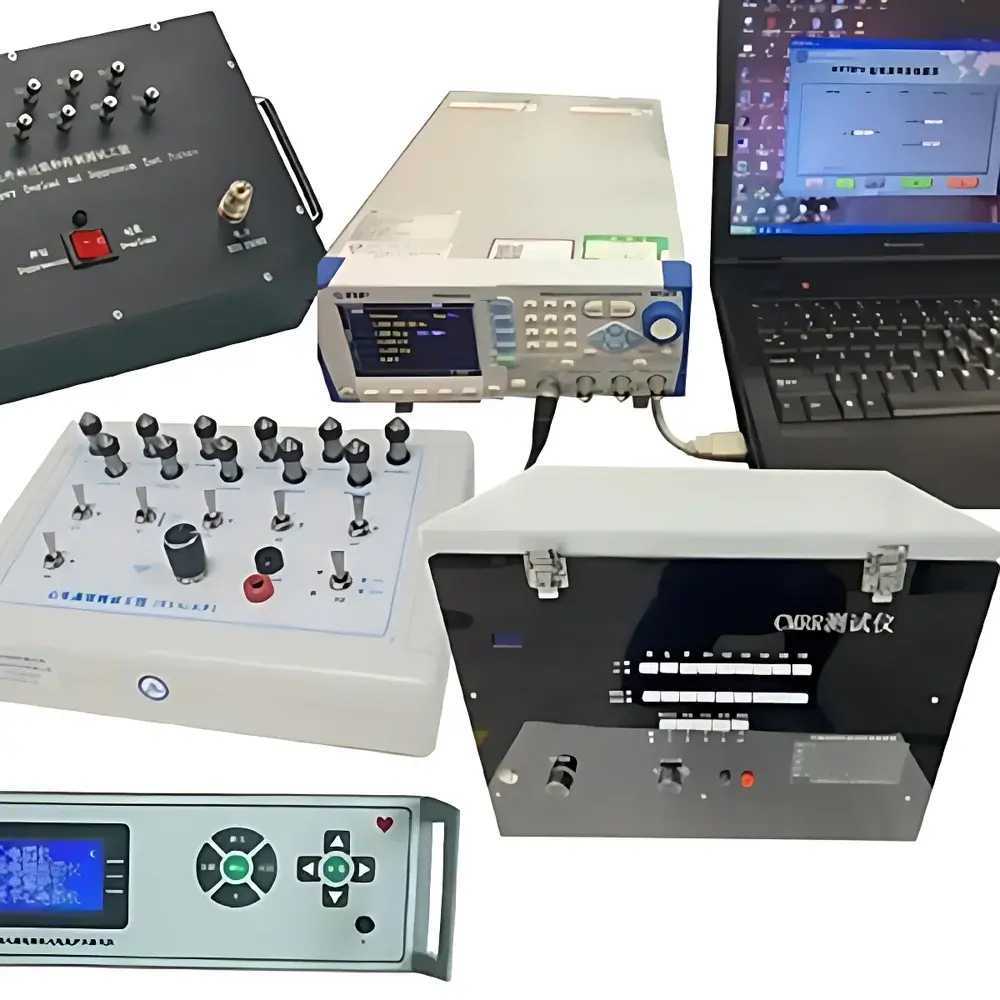
| Electrosurgical Interference Test Module | ECG rate ~73 bpm, ECG lead interface provided |
Overview
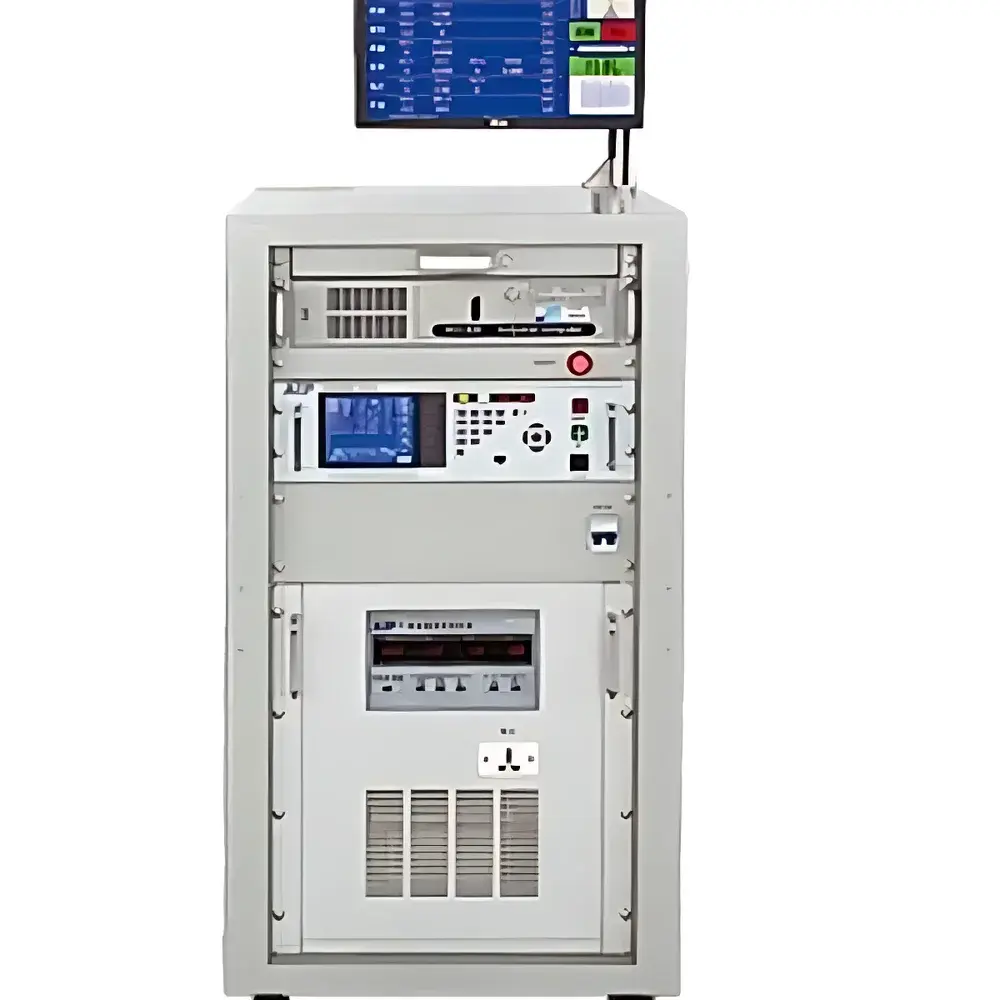
The DELTA GS-DELTA1079 High-Fidelity ECG Test System is a purpose-built, regulatory-grade electrocardiographic signal generator and verification platform engineered for metrological laboratories, medical device quality assurance departments, and third-party testing centers. It operates on the principle of programmable analog waveform synthesis with traceable amplitude and timing control, enabling precise emulation of physiological ECG signals—including standard sinus rhythm, pathological arrhythmias, pacing artifacts, respiratory modulation (RESP), and composite test stimuli required by international safety and performance standards. Designed in strict alignment with GB 9706.225–2021 (equivalent to IEC 60601-2-25:2011), YY 1079–2008, and JJG 1041–2008, the system supports full functional verification and calibration of ECG-related modules across diverse devices: digital electrocardiographs, Holter recorders, bedside ECG monitors, defibrillators (ECG acquisition circuits), EEG systems, and integrated patient monitors. Its architecture integrates three synchronized test subsystems—ECG signal generation, electrosurgical interference simulation, and common-mode rejection ratio (CMRR) evaluation—within a single chassis, eliminating inter-unit synchronization drift and ensuring measurement repeatability under GLP-compliant workflows.
Key Features
- Triple-integrated test capability: ECG signal generation, electrosurgical overloading/suppression simulation, and CMRR measurement—all accessible via unified front-panel interface and software control.
- High-resolution parametric control: Voltage adjustable from ±10 V with 0.1 mV resolution; frequency tunable from 0.01 µHz to 5 MHz at 0.01 µHz step size—enabling sub-millisecond timing fidelity for QRS complex validation and pacemaker pulse edge analysis.
- Twelve-lead ECG emulation: Simultaneous output across all standard limb and precordial leads (I, II, III, aVR, aVL, aVF, V1–V6), supporting lead-specific gain, offset, and phase verification per IEC 60601-2-25 Annex D.
- Dual-source composite signal generation: Independent sine-wave (10 mHz–1 kHz, ≤2% THD) and square-wave (0.1–10 ms width, <100 µs rise time) outputs combinable in real time for dynamic ECG analyzer testing, including pace-signal detection sensitivity and slew-rate response assessment.
- Regulatory-aligned waveform library: Preloaded with 6 clinically relevant arrhythmia patterns (bradycardia, tachycardia, atrial fibrillation, ventricular premature contraction, etc.), each compliant with amplitude, interval, and morphology tolerances defined in JJG 1041–2008 and YY 1079–2008.
- Traceable calibration infrastructure: All voltage and timing parameters are referenced to internal temperature-compensated crystal oscillators and precision DACs, with documented uncertainty budgets available for ISO/IEC 17025 accreditation audits.
Sample Compatibility & Compliance
The GS-DELTA1079 is validated for use with Class IIa and Class IIb ECG-connected medical devices requiring conformance to Clause 203 of IEC 60601-1 and Part 2-25. It meets essential requirements for electrical safety (leakage current simulation), basic performance (signal fidelity, amplitude linearity, frequency response), and electromagnetic compatibility (electrosurgical interference immunity per IEC 60601-2-2). The system supports full-cycle verification of ECG input stages—including high-pass/low-pass filter cutoff validation, baseline wander compensation, and AC/DC coupling mode switching—as mandated by GB 9706.225–2021 Annex BB. Its CMRR test module delivers calibrated common-mode voltages (1–20 Vrms at 50/60/100/120 Hz) with ±5% uncertainty, enabling quantitative assessment per IEC 62304 and FDA guidance on signal integrity in multi-electrode configurations. All test protocols align with GMP-relevant documentation practices, including audit trails, user authentication, and electronic signature support for 21 CFR Part 11 compliance.
Software & Data Management
The embedded firmware provides a menu-driven, icon-based interface with Chinese and English language options—designed for regulatory inspectors and metrologists without programming expertise. Test sequences (e.g., “QRS Duration Verification”, “Pace Pulse Detection Threshold”) are preconfigured per JJG 1041–2008 and exportable as PDF or CSV reports containing raw parameter settings, pass/fail status, tolerance bands, and timestamped operator IDs. Optional PC-based software (DELTA ECG-Studio v3.x) enables remote scripting via SCPI commands, automated report generation with configurable headers (lab ID, instrument serial number, calibration due date), and integration with LIMS platforms via HL7 or ASTM E1384 interfaces. All data files include embedded metadata conforming to ISO/IEC 17025 clause 7.5.2, ensuring chain-of-custody integrity during inter-laboratory comparisons or FDA premarket submissions.
Applications
- Primary calibration of ECG input channels in Class II/III diagnostic and monitoring equipment prior to clinical deployment.
- Verification of electrosurgical interference suppression in ECG modules used in operating room environments (per IEC 60601-2-2).
- Quantitative CMRR characterization of differential amplifiers in multi-channel biopotential acquisition systems.
- Validation of dynamic range, noise floor, and aliasing behavior in high-resolution Holter analyzers (≥24-bit ADC).
- Testing of auto-measurement algorithms (e.g., QT interval, ST-segment deviation) against known ground-truth waveforms.
- Supporting ISO 14155-compliant clinical trial device qualification where ECG signal integrity must be documented per protocol-defined acceptance criteria.
FAQ
Does the GS-DELTA1079 support automated test sequencing per JJG 1041–2008?
Yes—the system includes preloaded, step-by-step test routines aligned with JJG 1041–2008 clauses, including automatic parameter switching, pass/fail logic evaluation, and report templating.
Can it generate pacing pulses with variable amplitude and width for defibrillator ECG circuit validation?
Yes—it produces programmable pacing pulses (0.1/1/10 ms widths, 2/20/200 mV amplitudes, ±0.5% accuracy) with independently controllable rise time (<100 µs) and polarity.
Is external calibration required before first use?
No—the unit ships with factory calibration certificates traceable to NIM (China National Institute of Metrology); however, annual recalibration against national standards is recommended for ISO/IEC 17025 compliance.
What level of software validation is provided for regulated environments?
DELTA ECG-Studio v3.x includes IQ/OQ documentation packages, change control logs, and 21 CFR Part 11-compliant electronic signature implementation for GxP workflows.
Does the system support custom waveform import via CSV or MATLAB?
Yes—via optional firmware upgrade, users may load user-defined waveforms (up to 16k points/sample) with sample-rate locking to maintain temporal fidelity during playback.