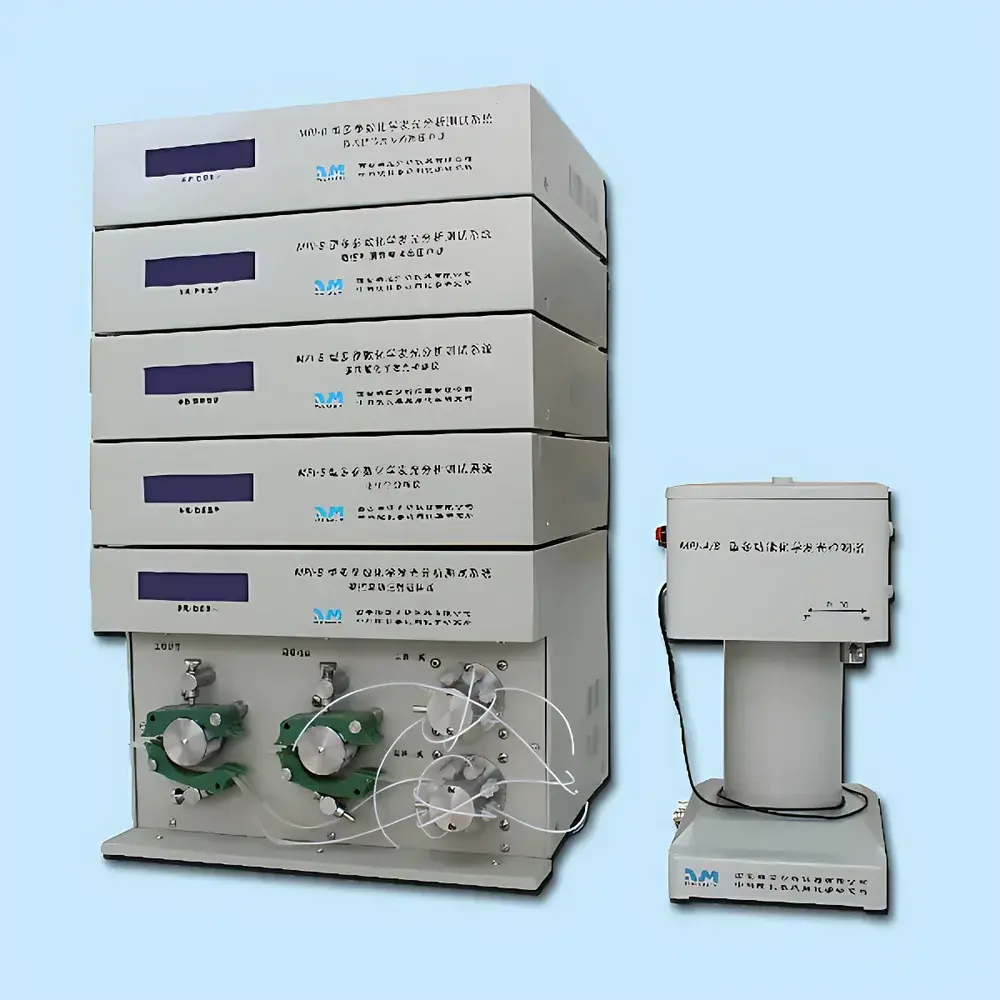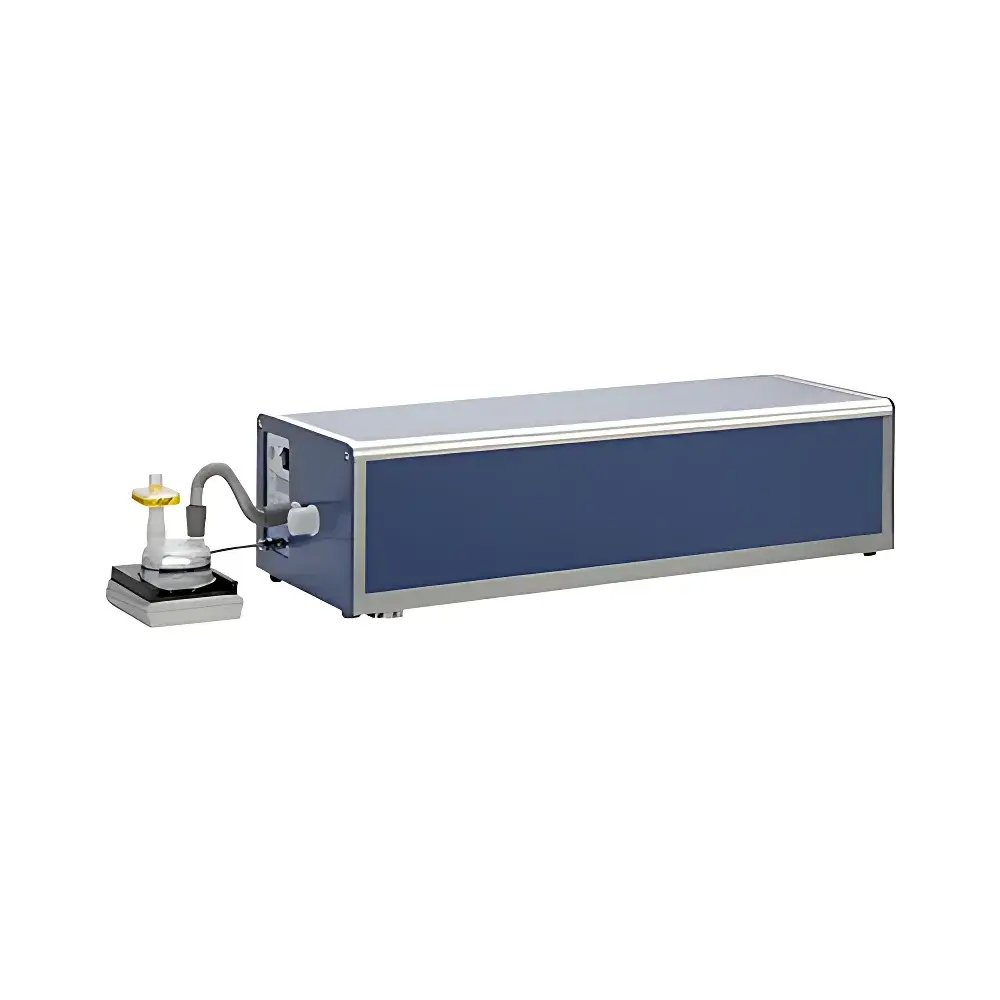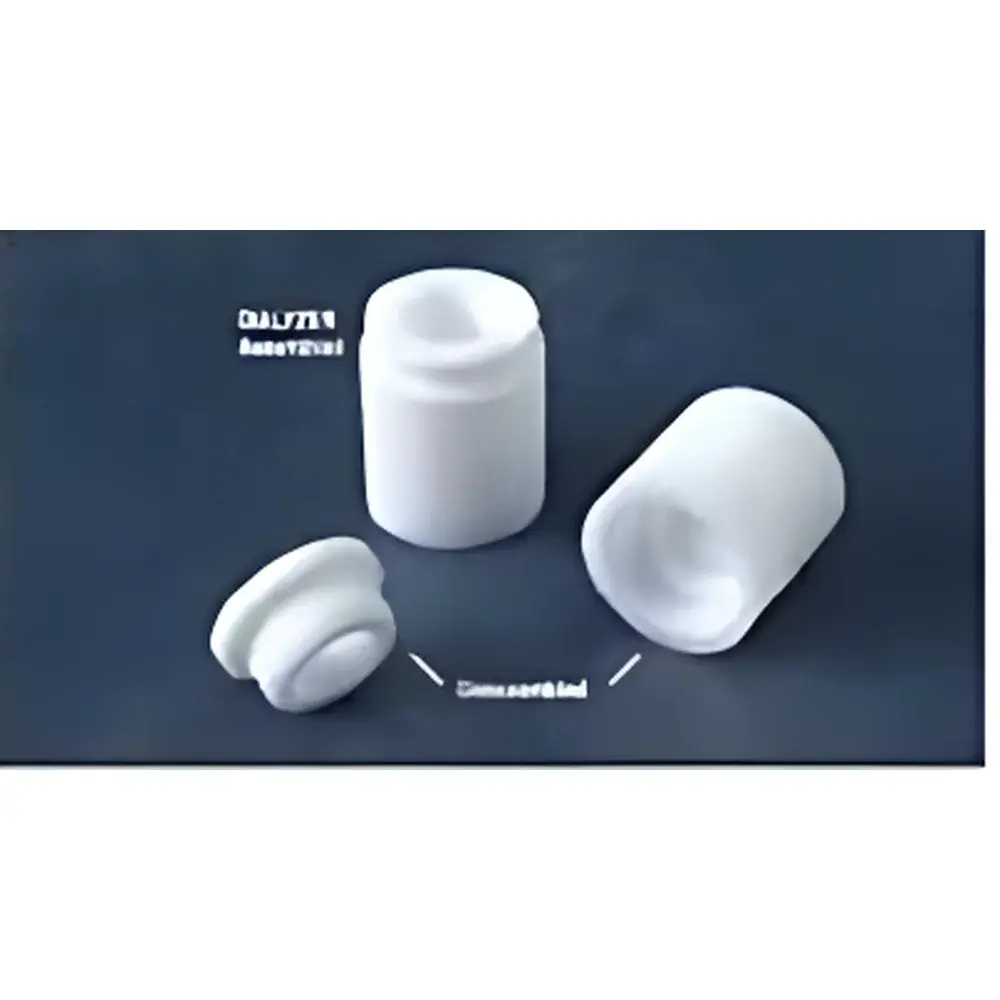
DIALYZERTM Microdialysis System
| Origin | USA |
|---|---|
| Manufacturer Type | Distributor |
| Origin Category | Imported |
| Model | DIALYZERTM |
| Pricing | Upon Request |
Overview
The DIALYZERTM Microdialysis System is a precision-engineered, benchtop microdialysis platform designed for real-time, minimally invasive sampling of unbound analytes from biological fluids—including interstitial fluid, cerebrospinal fluid (CSF), and perfusates—in preclinical and translational research settings. Operating on the principle of passive diffusion across a semi-permeable membrane under zero-flow or low-flow conditions, the system enables quantitative recovery of small-molecule biomarkers, neurotransmitters, metabolites, and pharmacokinetic analytes while excluding larger macromolecules. Its core architecture integrates a chemically inert PTFE (polytetrafluoroethylene) fluidic pathway—ensuring negligible adsorption, leaching, or catalytic interference—making it especially suitable for sensitive assays involving catecholamines, peptides, steroids, and labile xenobiotics.
Key Features
- PTFE-based microfluidic construction throughout sample and perfusion lines—resistant to organic solvents, acids, bases, and enzymatic degradation
- Adjustable dialysis volume range: 10 µL to 5 mL, supporting both ultra-low-volume probe calibration and high-yield collection protocols
- Selectively interchangeable dialysis membranes with nominal molecular weight cutoffs (NMWC) spanning 100–300,000 Da—enabling customizable selectivity for proteins, cytokines, antibodies, or oligonucleotides
- Modular design compatible with standard syringe pumps, peristaltic drivers, and autosampler interfaces for integration into automated analytical workflows
- Low dead-volume connectors and tapered inlet/outlet ports minimize dispersion and improve temporal resolution during dynamic sampling
- Autoclavable and gamma-sterilizable components (per manufacturer specifications) support reuse in GLP-compliant chronic implantation studies
Sample Compatibility & Compliance
The DIALYZERTM system accommodates aqueous buffers, plasma ultrafiltrates, tissue homogenates, cell culture supernatants, and CSF without membrane fouling or flow instability. It complies with ISO 10993-5 (biological evaluation of medical devices — cytotoxicity tests) for materials in contact with biological samples. While not a Class II/III medical device, its configuration adheres to Good Laboratory Practice (GLP) requirements for preclinical PK/PD and neuropharmacology studies. Membrane selection must be validated per analyte-specific recovery experiments (e.g., retrodialysis or no-net-flux methods), consistent with recommendations in ICH S5(R3) and FDA Guidance for Industry on Bioanalytical Method Validation.
Software & Data Management
The DIALYZERTM operates as a hardware module within established data acquisition ecosystems (e.g., LabChart, AcqKnowledge, or custom Python/MATLAB scripts via TTL/RS-232 trigger outputs). It does not include proprietary control software but provides standardized analog voltage outputs (0–5 V) proportional to flow rate and pressure differential—enabling synchronized logging with electrophysiology, HPLC, or mass spectrometry systems. All experimental metadata—including membrane lot number, perfusion rate, collection interval, and temperature—are manually logged or integrated via LIMS-compatible CSV export for audit trails required under 21 CFR Part 11 when used in regulated environments.
Applications
- In vivo neurochemical monitoring: dopamine, serotonin, glutamate, GABA, and adenosine in rodent brain striatum or hippocampus
- Peripheral pharmacokinetics: free fraction quantification of antibiotics, antivirals, and monoclonal antibody fragments in subcutaneous or dermal interstitium
- Organ-on-chip interface: continuous sampling from microphysiological systems (MPS) to assess compound penetration and metabolic stability
- Protein binding studies: equilibrium dialysis for determining unbound fraction (fu) of highly protein-bound drugs in human serum
- Toxicology screening: time-resolved detection of reactive metabolites and oxidative stress markers in liver or kidney dialysates
FAQ
Is the DIALYZERTM certified for human clinical use?
No. The DIALYZERTM is intended exclusively for non-clinical laboratory research and preclinical investigation. It is not cleared or approved by the FDA, CE, or other regulatory bodies for diagnostic or therapeutic applications in humans.
What validation documentation is provided with each system?
Each unit ships with a Certificate of Conformance (CoC), material traceability records for PTFE components, and membrane NMWC verification reports from the membrane supplier. Installation Qualification (IQ) templates are available upon request for GLP/GMP-aligned labs.
Can the system be used with organic solvent-containing perfusates?
Yes—provided the selected membrane and O-rings are chemically compatible. PTFE tubing is fully resistant to acetonitrile, methanol, and DMSO; however, cellulose ester or polyacrylonitrile membranes may swell or degrade. Compatibility must be verified empirically prior to deployment.
How is recovery efficiency determined for a new analyte?
Recovery must be experimentally calibrated using either retrodialysis (for known concentration standards) or no-net-flux methods (for endogenous compounds), following consensus protocols published in the Journal of Pharmacological and Toxicological Methods and the Microdialysis Committee guidelines.