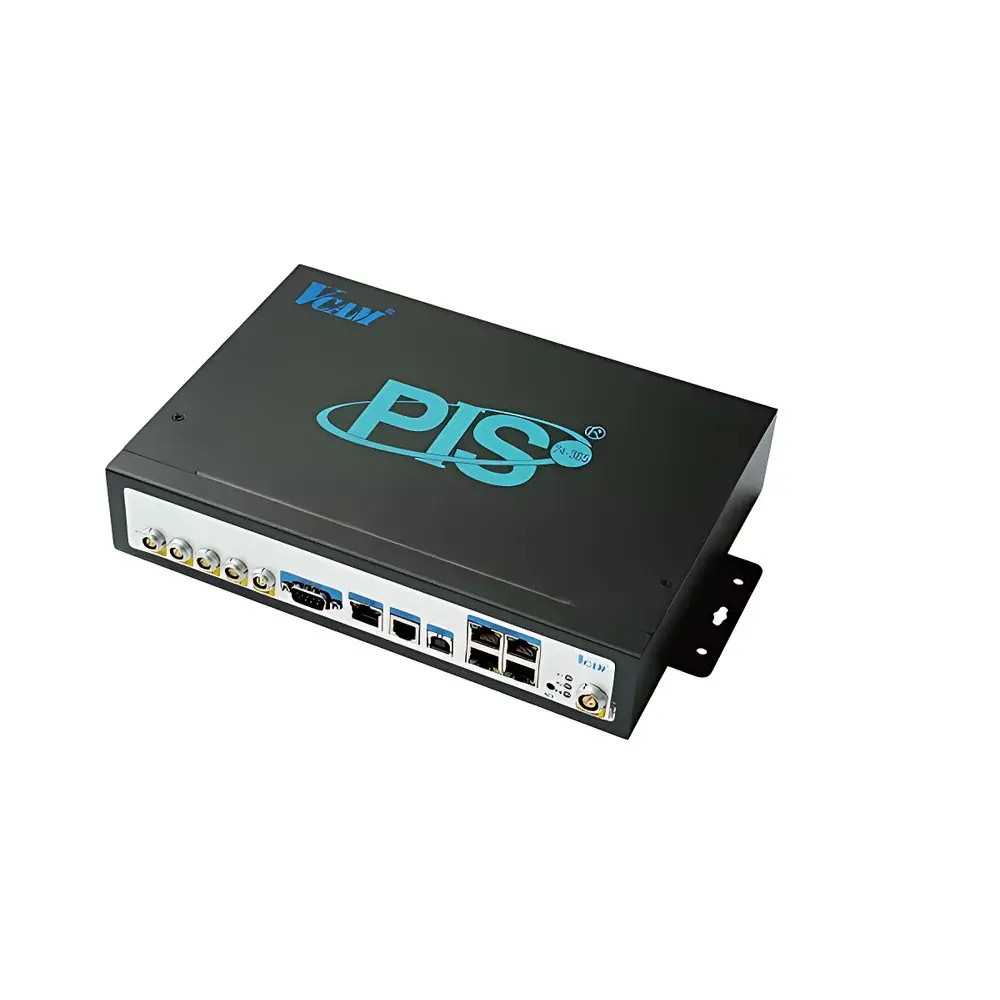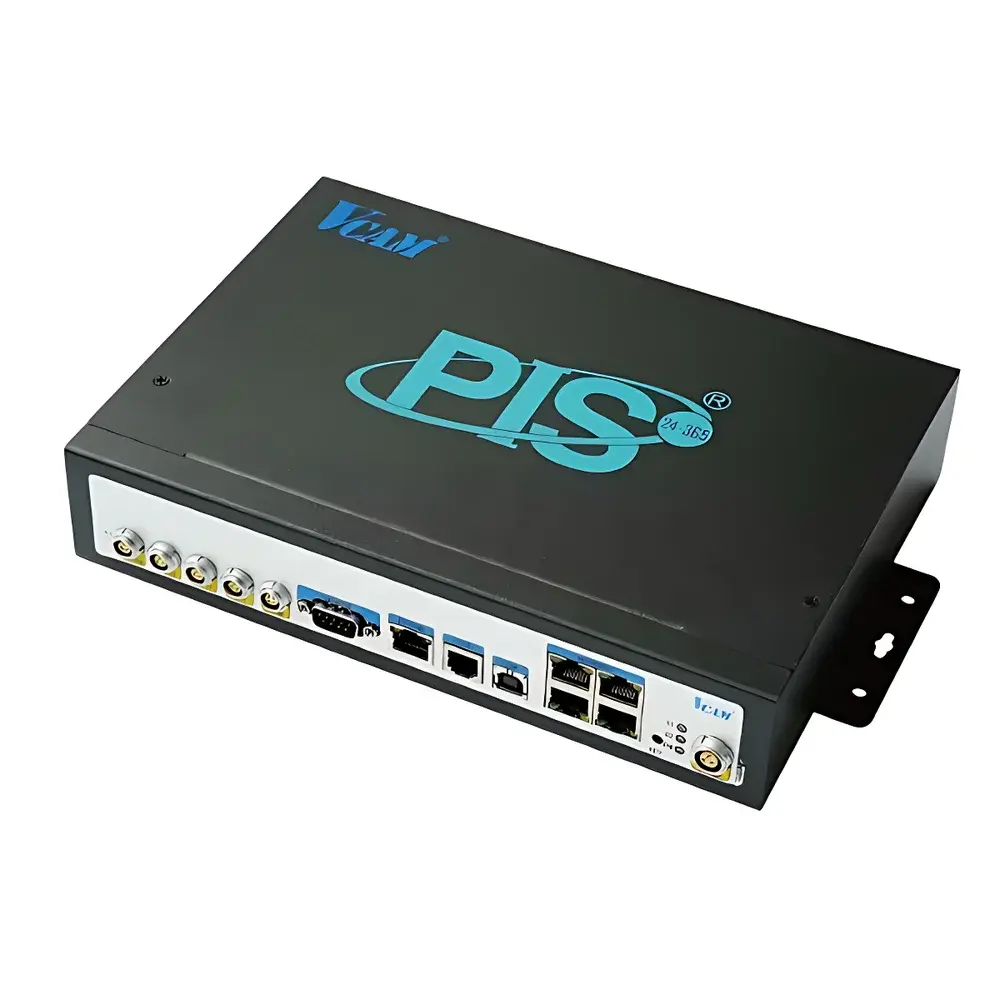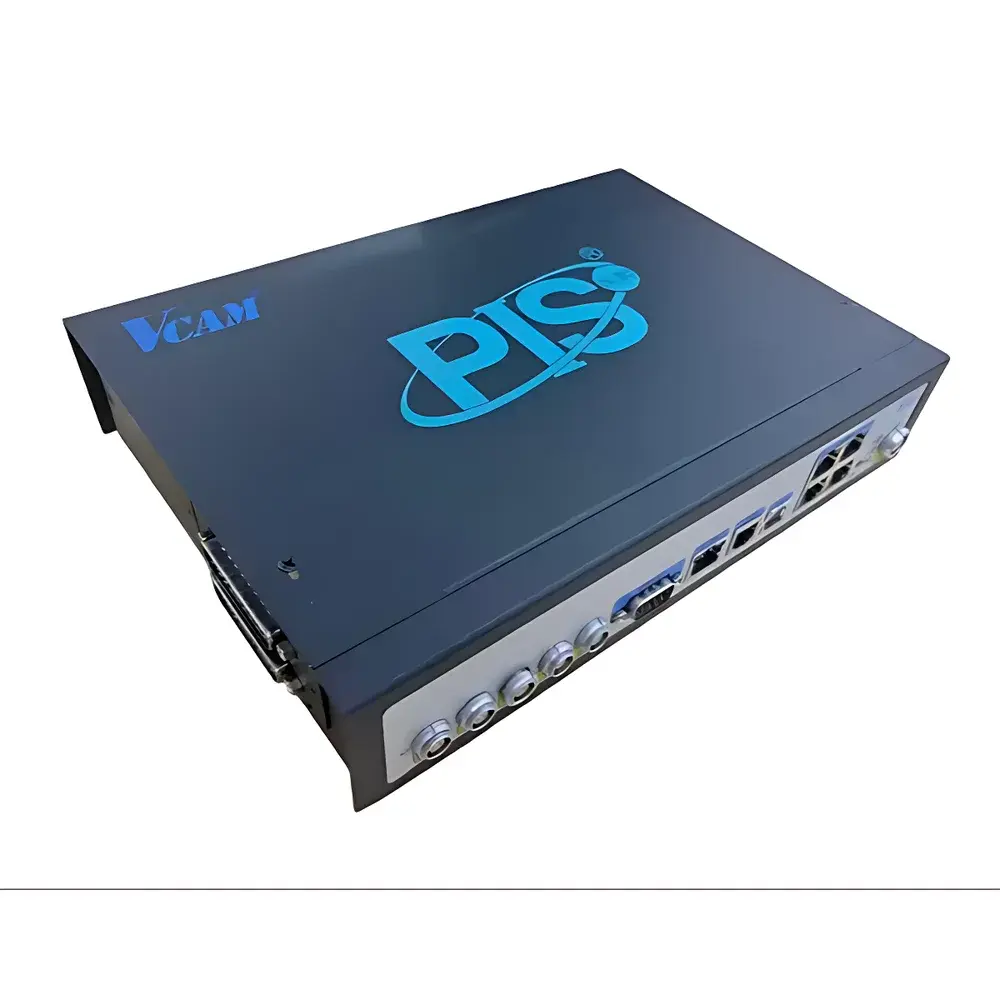
Dielectric Loss and Volume Resistivity Tester TP-673 by TimePower
| Brand | TimePower |
|---|---|
| Origin | Beijing, China |
| Manufacturer Type | Manufacturer |
| Country of Origin | China |
| Model | TP-673 |
| Pricing | Upon Request |
Overview
The TimePower TP-673 Dielectric Loss and Volume Resistivity Tester is a fully integrated, microprocessor-controlled laboratory instrument engineered for precise, simultaneous measurement of dielectric dissipation factor (tan δ) and volume resistivity (ρᵥ) of insulating oils used in high-voltage electrical equipment. It operates on the principle of AC bridge measurement at power frequency (50/60 Hz), compliant with IEC 60247, ASTM D924, and GB/T 5654–2007 standards. The system employs a shielded, four-terminal guarded electrode configuration to eliminate surface leakage currents and ensure traceable volumetric resistivity determination. Dielectric loss is measured using a precision null-balance Schering bridge topology, while volume resistivity is derived from Ohm’s law under controlled DC polarization conditions after specified stabilization time. Designed specifically for routine quality assurance in transformer oil maintenance programs, the TP-673 supports predictive condition monitoring of insulating fluids in service—enabling early detection of oxidation byproducts, moisture ingress, conductive particle contamination, and aging-related chemical degradation.
Key Features
- Integrated dual-parameter measurement: Simultaneous or independent determination of tan δ (0.001%–10.0%) and volume resistivity (1×10⁸–1×10¹⁴ Ω·m) per test cycle
- Intelligent temperature control: Medium-frequency induction heating enables rapid, uniform oil heating from ambient to 90 °C ± 0.5 °C; thermal equilibrium achieved within ≤15 minutes
- Human-centric interface: 7-inch backlit LCD with full Chinese menu navigation; all operations—including test initiation, parameter selection, and result review—executed via soft keys
- Embedded safety architecture: Dual-stage overvoltage protection (up to 2.5 kV AC), current-limiting circuitry, short-circuit detection, audible/visual alarm, and real-time HV status indicator
- Compact dry-type transformer design: Eliminates oil-filled insulation hazards; reduces footprint and weight without compromising voltage stability or measurement repeatability
- Automated data handling: Onboard storage for ≥500 test records; automatic timestamping, sample ID tagging, and pass/fail flagging based on user-defined thresholds
Sample Compatibility & Compliance
The TP-673 is validated for use with mineral-based, synthetic ester, and silicone insulating oils conforming to IEC 60296, ASTM D3487, and GB 2536 specifications. Electrode cell geometry follows ASTM D924 Annex A1 (three-electrode cup) and IEC 60247 Clause 6.2 (guarded electrode assembly). All measurements are traceable to national metrological standards through factory calibration against NIST-traceable reference oils. Instrument firmware and operational protocols support GLP-compliant workflows, including operator ID logging, audit trail generation, and electronic signature capability when interfaced with compliant LIMS systems. Data export formats include CSV and XML for integration into enterprise QA/QC databases.
Software & Data Management
The TP-673 supports RS-232 and USB-to-serial communication for bidirectional data exchange with Windows-based host PCs. Optional TimePower OilLab™ software provides real-time graphical visualization of tan δ vs. temperature curves, resistivity drift analysis over time, statistical trend reporting (X-bar/R charts), and automated compliance checking against IEEE C57.106 and DL/T 429.6 limits. All measurement sessions generate immutable digital logs containing raw sensor outputs, environmental metadata (ambient T/RH), calibration history, and operator credentials—fully aligned with FDA 21 CFR Part 11 requirements for electronic records and signatures when deployed in regulated environments.
Applications
- Routine acceptance testing of new insulating oil prior to transformer filling
- Periodic in-service oil diagnostics per IEEE Std 62 and IEC 60422 maintenance schedules
- Root-cause analysis of unexpected dielectric failures in bushings, cable terminations, and tap changers
- Monitoring oxidation stability during accelerated aging studies (e.g., ASTM D2112)
- Validation of oil reclamation effectiveness post-vacuum dehydration and adsorption treatment
- Supporting ISO 55001 asset management frameworks through quantitative oil health KPIs
FAQ
What standards does the TP-673 comply with for dielectric loss measurement?
IEC 60247, ASTM D924, GB/T 5654–2007, and IEEE Std 62.
Can the instrument measure both parameters in a single oil sample without reconfiguration?
Yes—automated sequential measurement mode performs tan δ and ρᵥ consecutively using the same electrode cell and oil aliquot.
Is external temperature calibration required before each test?
No—the built-in Pt100 sensor is factory-calibrated and automatically compensates for thermal gradient effects across the electrode gap.
Does the system support multi-user access control and electronic audit trails?
Yes, when operated with OilLab™ software under Windows domain authentication, it enforces role-based permissions and generates ALCOA+ compliant audit logs.
What is the minimum oil volume required per test?
40 mL for standard electrode cell operation; optional mini-cell configuration supports 15 mL volumes.