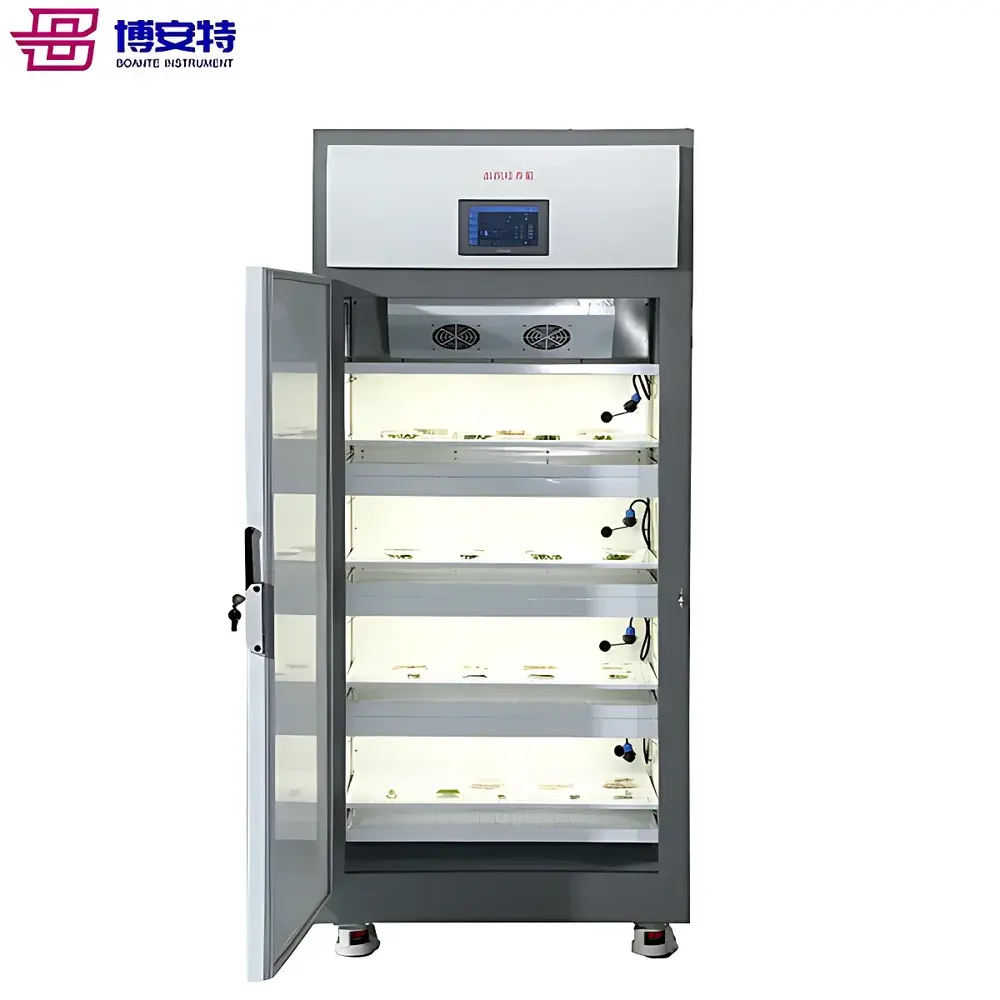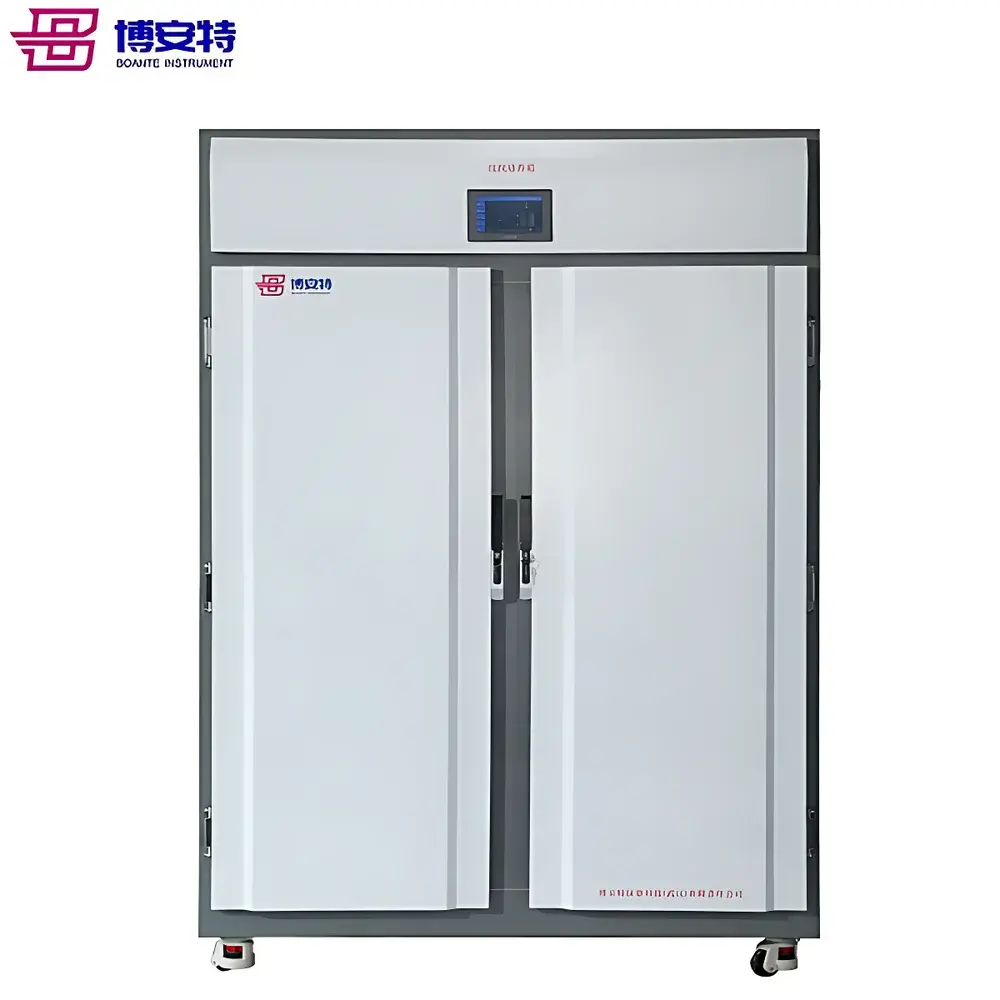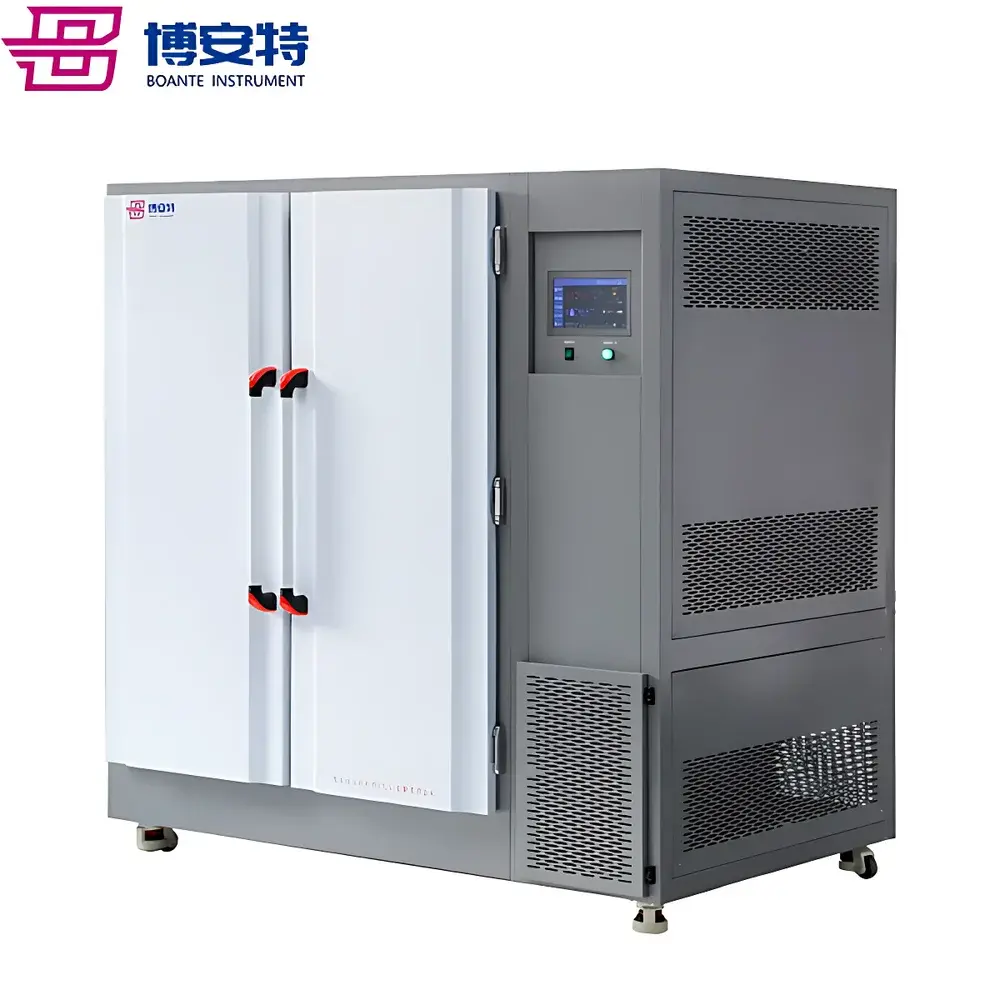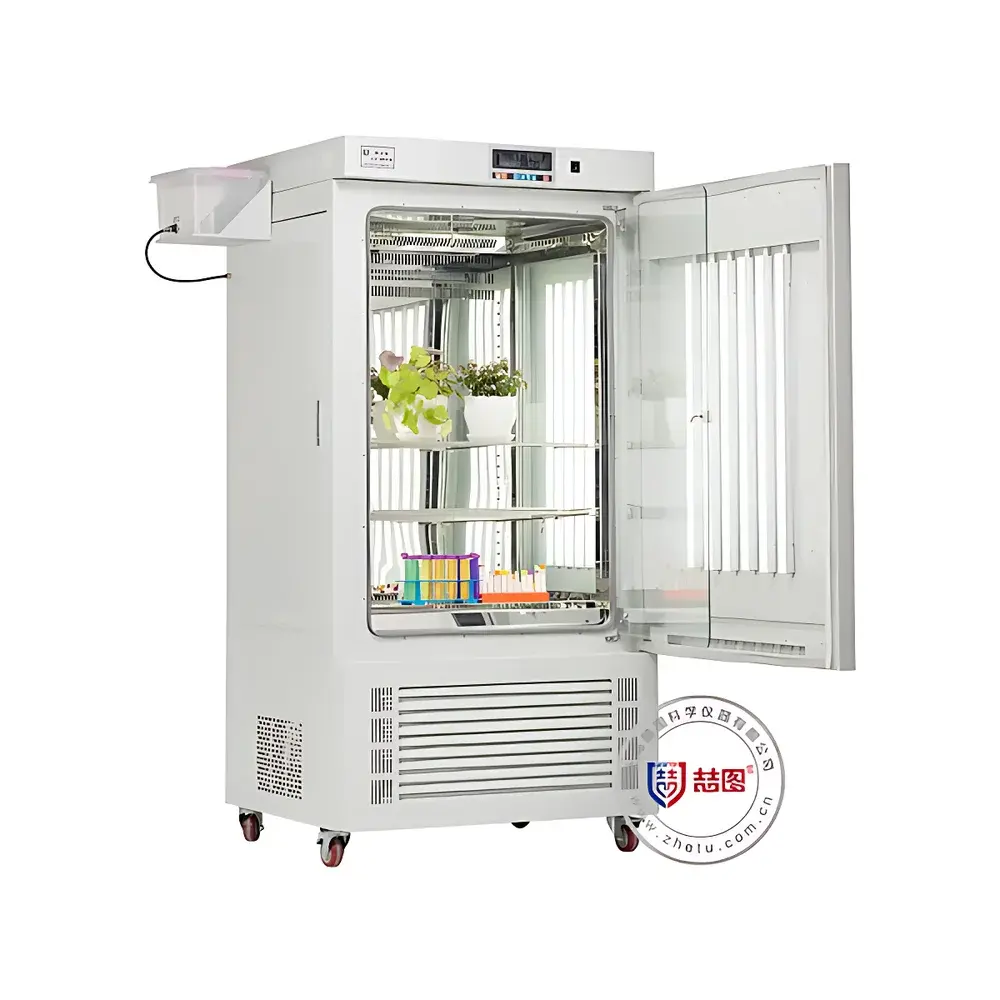
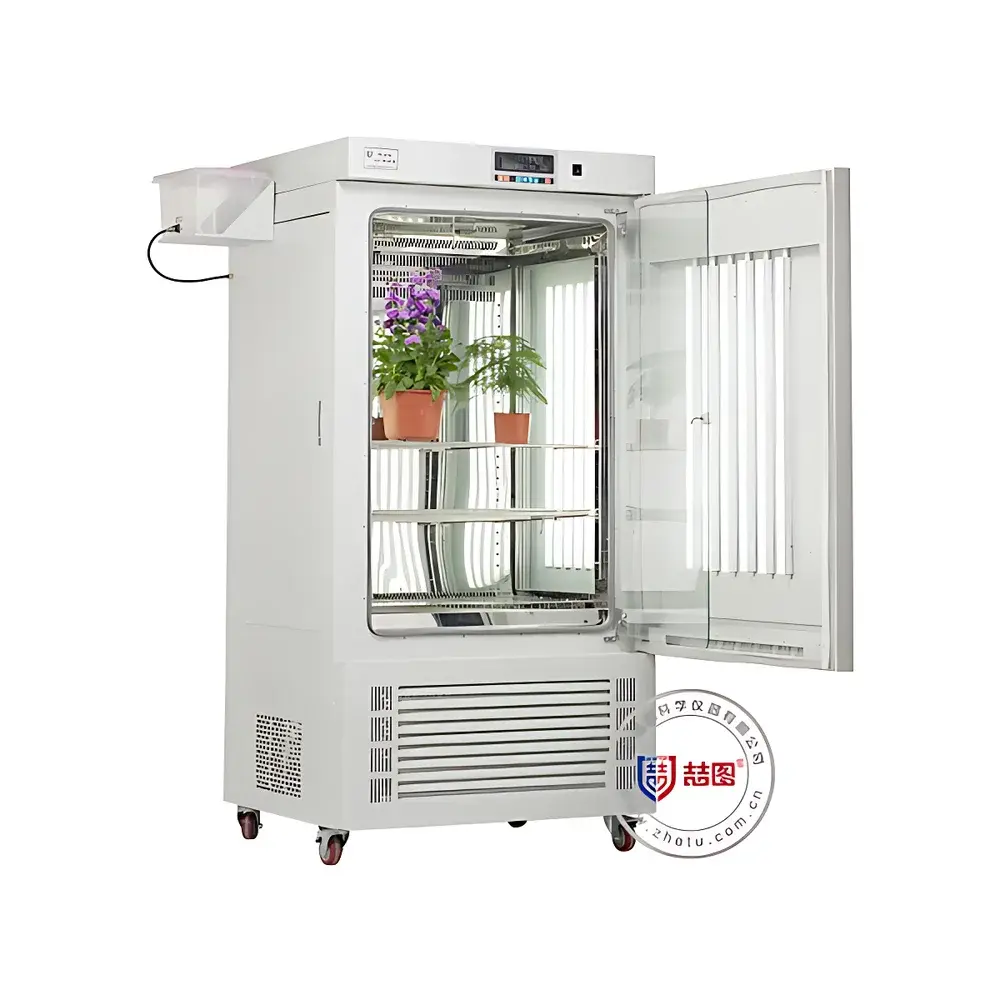
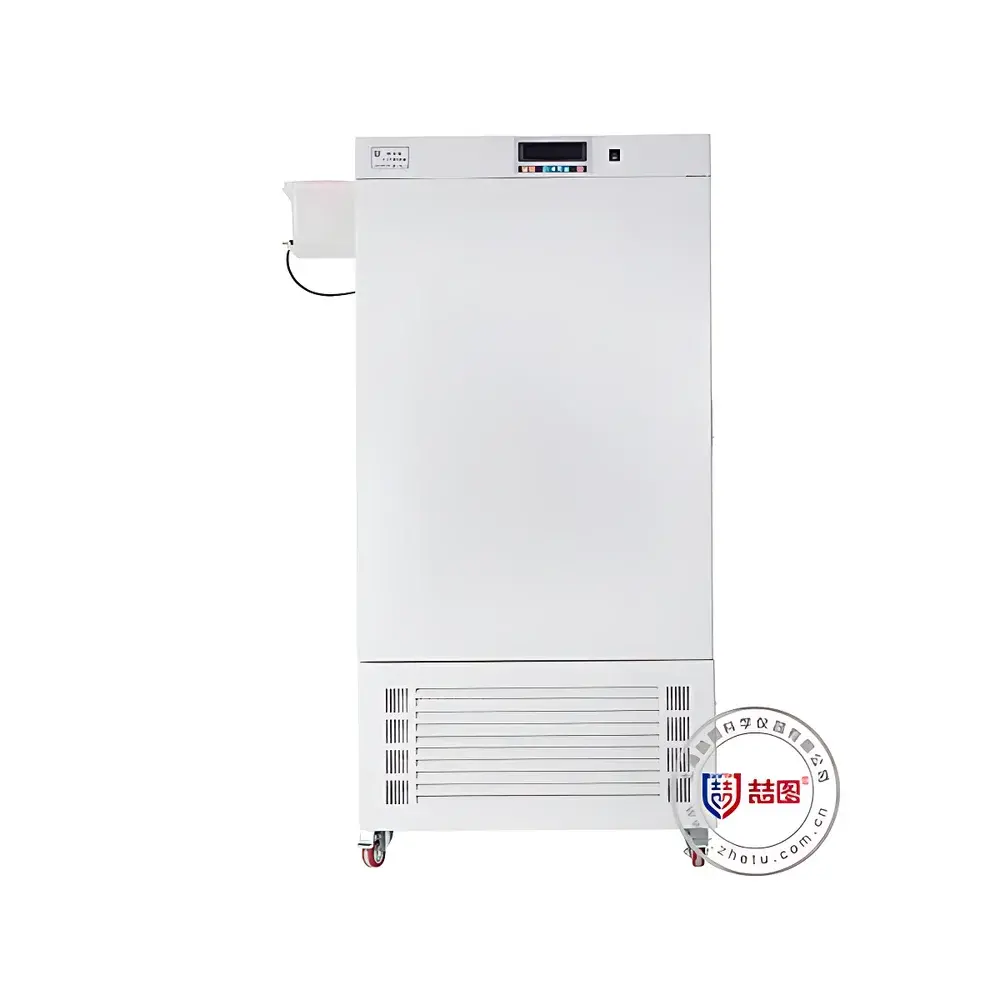
DRETOP DCP-250RQ Multi-Function CO₂ Incubator with Temperature, Humidity, and Programmable Light Control
| Brand | DRETOP |
|---|---|
| Origin | Shanghai, China |
| Manufacturer Type | Direct Manufacturer |
| Instrument Type | Air-Jacketed CO₂ Incubator |
| CO₂ Detection | Infrared (IR) Sensor |
| Temperature Control Range | 15–45 °C (with humidity), 10–45 °C (without humidity) |
| Temperature Uniformity | Not specified |
| CO₂ Concentration Range | 0–20% |
| Humidity Control Range | 50–85% RH (customizable to 40–95% RH) |
| Chamber Capacity | 250 L |
| External Dimensions (W×D×H) | 580 × 500 × 850 mm |
| Power Supply | AC 220 V, 50 Hz |
| Input Power | 2500 W |
| Temperature Stability | ±0.5 °C |
| Temperature Resolution | 0.1 °C |
| Humidity Accuracy | ±3–5% RH |
| Air Filtration | HEPA-grade filter (≥0.3 µm, 99.998% efficiency) |
| Recovery Time | <8 min to 37 °C, <3 min to 5% CO₂ after 30-sec door opening |
| Continuous Operation | ≥360 hours |
| Lighting | Programmable LED light source (red/blue optional), 0–30,000 lx, 6-level intensity control |
| Control Interface | Full-color capacitive touchscreen |
| Compliance | Designed for GLP-compliant cell culture environments |
Overview
The DRETOP DCP-250RQ is a high-integrity, air-jacketed multi-function CO₂ incubator engineered for advanced life science applications requiring precise, simultaneous control of temperature, relative humidity, and programmable illumination. Unlike conventional CO₂ incubators limited to gas and thermal regulation, the DCP-250RQ integrates microclimate simulation capabilities—enabling researchers to replicate diurnal cycles, photoperiodic stimuli, and dynamic humidity profiles within a single chamber. Its core measurement architecture employs dual-closed-loop feedback: an infrared (IR) CO₂ sensor provides drift-free, temperature- and humidity-independent gas concentration monitoring, while a platinum resistance thermometer (PT100) and capacitive humidity sensor ensure stable, traceable environmental control. The system operates on a robust air-jacketed thermal design with ceramic fiber insulation and door-heating technology—minimizing condensation, eliminating cold spots, and maintaining thermal homogeneity even during frequent access. All internal surfaces are constructed from electropolished mirror-finish stainless steel (AISI 304), with seamless quarter-radius corners and removable shelving to support ISO 14644-1 Class 5 cleanroom-compatible cleaning protocols.
Key Features
- Air-jacketed thermal architecture with ceramic fiber insulation and active door heating to prevent inner-glass condensation and microbial ingress
- Infrared CO₂ sensing technology—immune to cross-sensitivity from ambient temperature/humidity fluctuations, enabling rapid recovery (<3 min to 5% CO₂) after repeated door openings
- Steam-based humidification system with reservoir-style water pan design for fast humidity re-establishment (50–85% RH standard; optional 40–95% RH calibration)
- Programmable LED lighting module with adjustable spectral output (red/blue wavelengths available), intensity control (0–30,000 lx, 6 levels), and time-scheduled on/off cycling to simulate natural photoperiods
- Microprocessor-based P.I.D. temperature controller with 0.1 °C resolution, ±0.5 °C stability, and 99-segment, 30-step programmable cycle capability
- Integrated UV-C germicidal lamp (ozone-free, 254 nm) mounted in ceiling plenum to sterilize recirculated air and humidification vapor
- HEPA-grade inlet air filtration (≥0.3 µm, 99.998% efficiency) combined with positive-pressure airflow management to maintain sterile chamber integrity
- Modular refrigeration system with compressor protection logic (start-delay, stop-interval, auto-defrost), ensuring >360 hours continuous operation under load
- Full-color capacitive touchscreen interface with multilingual UI, real-time parameter graphing, and event-log timestamping
- Structural safety features: anti-tilt shelving (maintains level position at 50% extension), castor-mounted base with locking mechanism, and dual-door viewing system with tempered glass inner door and nano-composite magnetic seal
Sample Compatibility & Compliance
The DCP-250RQ supports long-term cultivation of sensitive mammalian cell lines (e.g., HEK293, CHO, iPSCs), primary neurons, organoids, and co-culture systems requiring strict environmental fidelity. Its stainless-steel chamber, non-porous surfaces, and UV-C/HEPA air treatment meet baseline requirements for ISO 13485 and cGMP-aligned bioprocessing workflows. While not certified as a medical device, its engineering aligns with ASTM E1750 (standard practice for calibration of environmental chambers) and ISO 14644-3 (cleanroom testing). Optional RS485/USB connectivity enables integration with LIMS or ELN platforms, supporting audit-trail generation per FDA 21 CFR Part 11 when paired with validated software. Humidity and CO₂ control performance is verified per USP for cell culture environment qualification, and temperature mapping reports can be generated using external calibrated probes (IEC 60751 Class A PT100).
Software & Data Management
The embedded controller firmware includes built-in data logging (internal memory ≥10,000 records), configurable alarm thresholds (high/low temperature, CO₂ deviation, door-open duration), and power-loss recovery with parameter retention. Optional communication modules provide standardized Modbus RTU (RS485) or USB CDC virtual COM port interfaces—compatible with third-party SCADA systems or custom Python/Matlab acquisition scripts. An optional Windows-based configuration utility allows remote parameter upload/download, firmware updates, and report export in CSV/PDF formats—including trend charts with statistical summaries (mean, SD, min/max over user-defined intervals). All logged events include UTC timestamps, operator ID fields (when enabled), and change-history tracking—supporting GLP documentation standards for academic and industrial labs.
Applications
This incubator serves specialized roles across translational research and biomanufacturing: circadian rhythm studies in chronobiology (via programmable light–temperature coupling); stem cell differentiation assays requiring staged humidity shifts; photobiomodulation experiments using narrow-band red/blue LEDs; and quality control of biologics where moisture-sensitive monoclonal antibody formulations undergo accelerated stability testing. Its ability to sustain stable CO₂ gradients during extended imaging sessions makes it suitable for live-cell microscopy setups with integrated environmental chambers. In virology labs, the rapid CO₂ recovery and HEPA-filtered airflow reduce contamination risk during high-frequency sample handling—critical for BSL-2+ workflows involving lentiviral transduction or SARS-CoV-2 pseudovirus assays.
FAQ
What is the difference between the DCP-250RQ and standard CO₂ incubators?
The DCP-250RQ adds programmable illumination and dynamic humidity control to core CO₂/temperature regulation—enabling simulation of complex physiological microenvironments not achievable with single-parameter devices.
Is the IR CO₂ sensor calibrated traceably to NIST standards?
Factory calibration uses certified gas mixtures (±0.1% CO₂ accuracy); field recalibration is supported via zero-air and span-gas ports per ISO 8573-1 Annex C protocols.
Can the incubator operate unattended for 72 hours?
Yes—validated for ≥360 hours continuous runtime with full environmental stability, including automatic defrost and compressor thermal management.
Does the system support 21 CFR Part 11 compliance?
With optional RS485 interface and validated third-party software (e.g., LabArchives, Benchling), electronic records meet Part 11 requirements for signature, audit trail, and data integrity.
What maintenance is required for the humidification system?
Weekly distilled water replenishment and monthly descaling of the steam generator using 5% citric acid solution—no consumable filters or replacement cartridges needed.