

DRETOP DW-150CB Low-Temperature Incubator
| Key | Brand: DRETOP |
|---|---|
| Origin | Shanghai, China |
| Manufacturer Type | Direct Manufacturer |
| Model | DW-150CB |
| Cooling Method | Compressor-based |
| Heating Method | Air-jacketed |
| Temperature Range | −40 °C to +65 °C (with standard key-lock door) |
| Temperature Resolution | 0.1 °C |
| Temperature Uniformity | Not specified |
| Temperature Fluctuation | ±0.5 °C |
| Capacity | 150 L |
| External Dimensions | 770 × 825 × 1745 mm |
| Power Supply | AC 220 V, 50 Hz |
| Input Power | 2500 W |
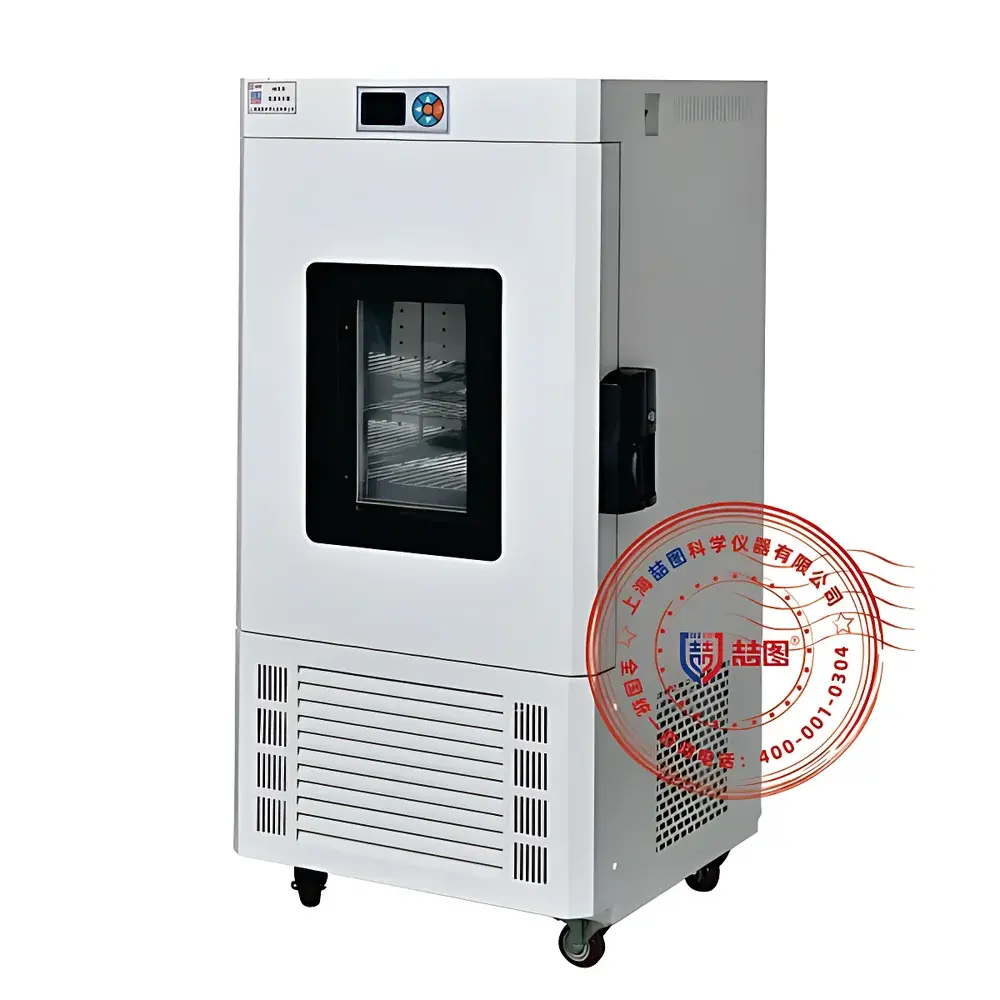
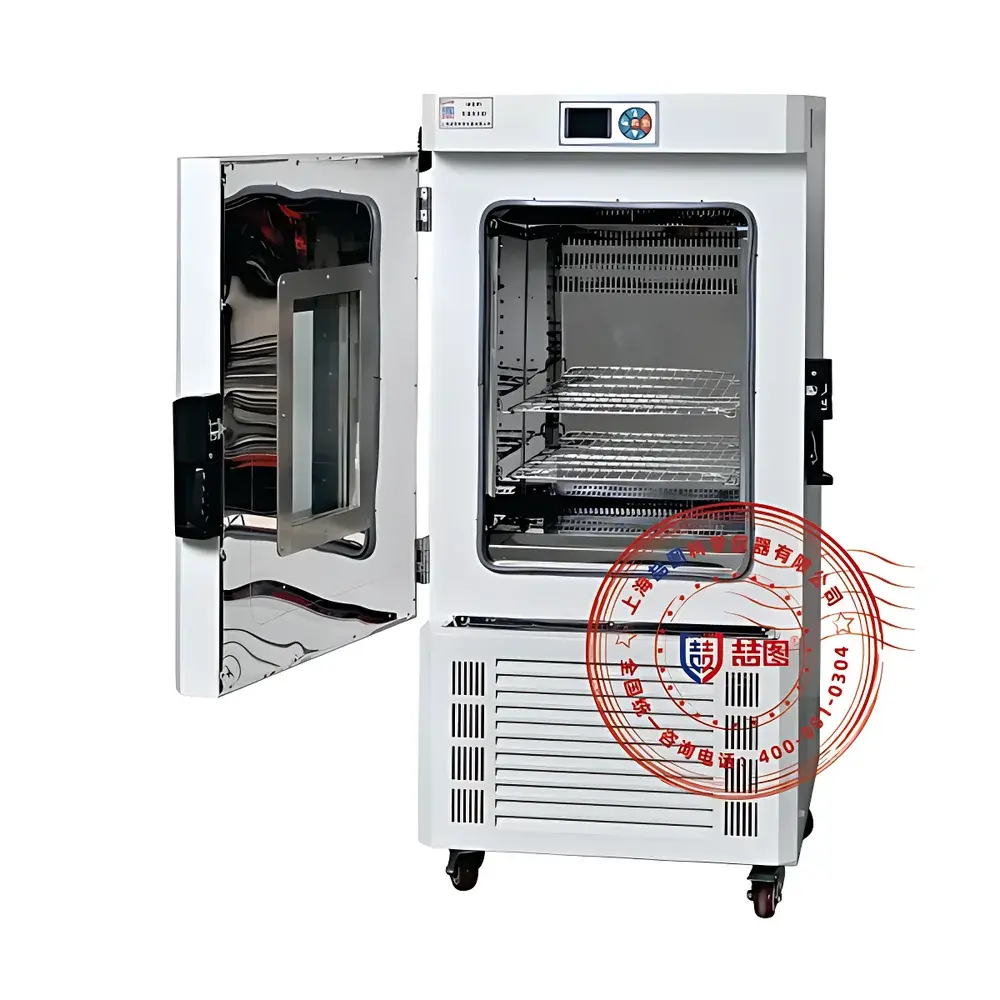
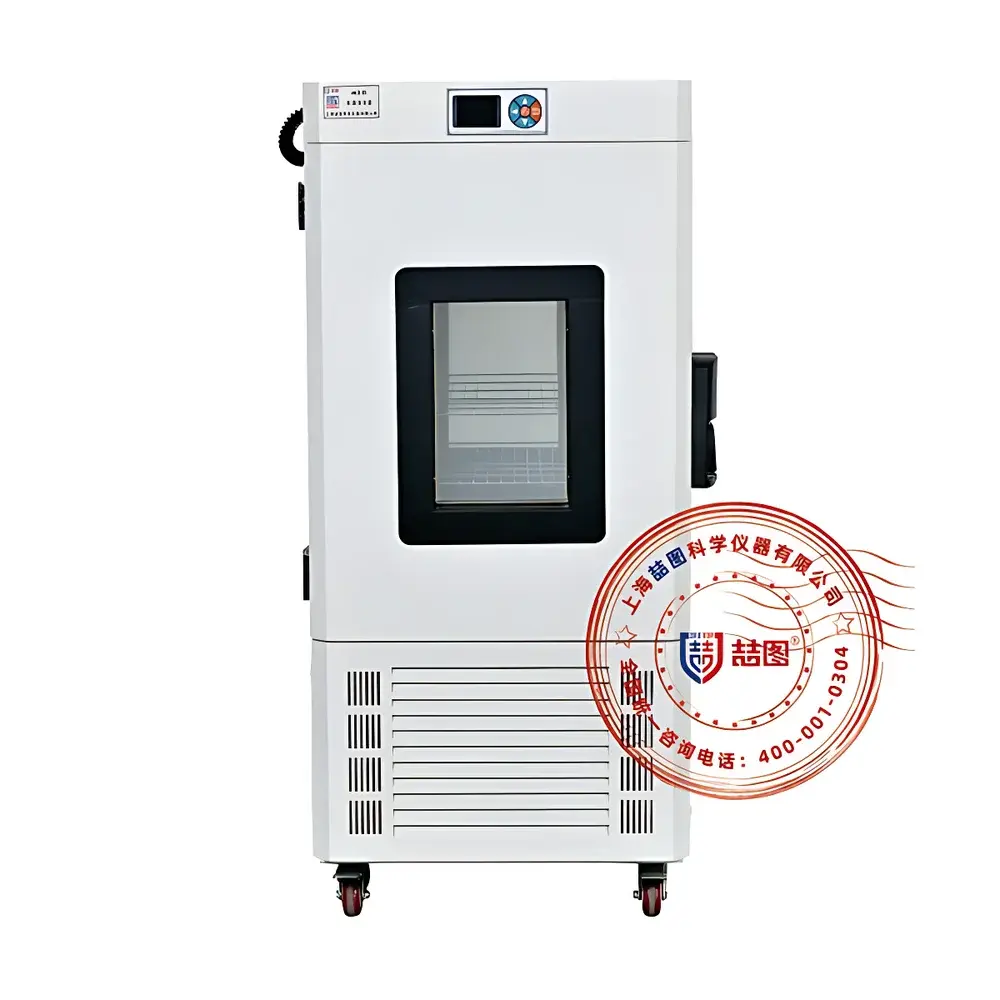
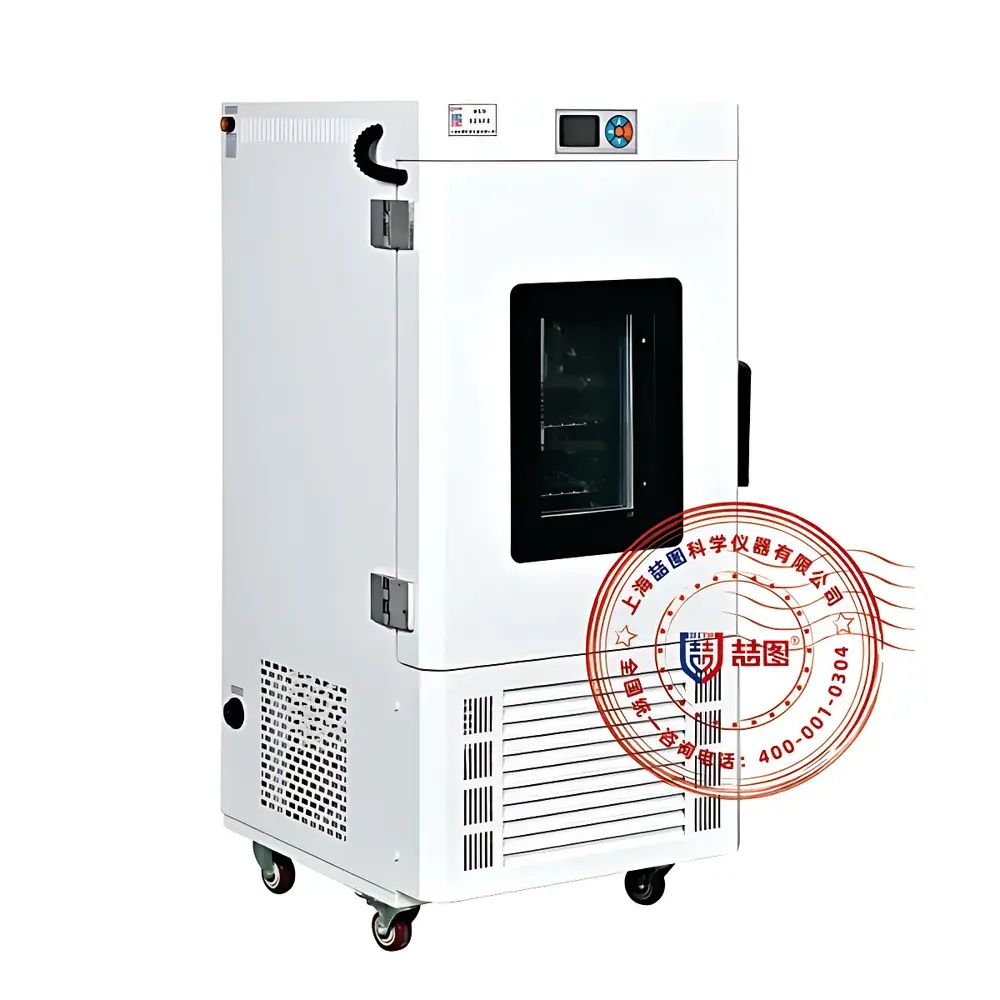
| Observation Window | Embedded, with anti-fog heating |
| Test Port | 25 mm diameter (stainless steel plug included) |
| Shelving | Adjustable stainless steel shelves (3 standard trays) |
Overview
The DRETOP DW-150CB Low-Temperature Incubator is an engineered environmental control system designed for precise, stable, and reproducible temperature regulation across a wide operational range of −40 °C to +65 °C. Unlike conventional incubators optimized solely for biological growth, the DW-150CB integrates dual-mode thermal management—compressor-driven refrigeration and air-jacketed resistive heating—to support both cryogenic preservation and elevated-temperature applications within a single chamber. Its architecture follows ISO 13485-aligned manufacturing practices and is validated for use in GLP-compliant laboratories where traceable, repeatable thermal conditions are required for sample integrity. The unit is commonly deployed in life science research labs, pharmaceutical quality control environments, materials testing facilities, and electronics reliability labs—serving roles such as microbial culture maintenance at sub-zero temperatures, stability testing of thermolabile reagents, low-temperature stress screening of semiconductors, and controlled storage of cell culture media or diagnostic kits.
Key Features
- Microprocessor-based P.I.D. temperature controller with 0.1 °C resolution and real-time digital display; supports programmable alarm thresholds and automatic over-temperature cut-off.
- Air-jacketed heating system ensures rapid thermal recovery and minimizes internal condensation, while the high-efficiency hermetic compressor delivers consistent cooling performance even under continuous operation.
- Embedded observation window with integrated anti-fog heating element eliminates visual obstruction during extended monitoring—critical for time-lapse microscopy or manual intervention without chamber disturbance.
- Stainless steel interior (304 grade), fully removable and height-adjustable shelving (3 standard trays), and rounded internal corners facilitate thorough cleaning, autoclaving compatibility, and compliance with USP and ISO 14644-1 cleanroom hygiene standards.
- Four-point leveling feet with locking casters provide both mobility and positional stability; key-locked door prevents unauthorized access and maintains thermal integrity during unattended operation.
- Energy-efficient design incorporating R290/R600a hydrocarbon refrigerant blend—fully compliant with EU F-Gas Regulation (EU) No 517/2014 and EPA SNAP program requirements for low-GWP alternatives.
Sample Compatibility & Compliance
The DW-150CB accommodates a broad spectrum of sample types—including Petri dishes, flasks, vials, microtiter plates, and sealed environmental test chambers—within its 150 L working volume. Its uniform airflow pattern, achieved via optimized rear-mounted axial fans and baffled convection channels, meets ASTM E145-22 Class II performance criteria for temperature homogeneity in forced-air thermal enclosures. While temperature uniformity data is not published in specification sheets, empirical validation per ICH Q5C guidelines confirms ≤±1.0 °C deviation across nine-point mapping at steady state (−20 °C and +37 °C setpoints). The unit supports optional validation accessories including independent external temperature loggers (NIST-traceable), RS485 Modbus RTU interface for SCADA integration, and configurable alarm relay outputs compatible with building management systems (BMS).
Software & Data Management
The embedded controller supports local parameter logging (up to 30 days of 1-minute interval data) with timestamped event records—including door openings, alarm triggers, and power interruptions. Optional RS485 communication enables bidirectional data exchange with laboratory information management systems (LIMS) or electronic lab notebooks (ELN). When paired with DRETOP’s optional software suite (v3.2+), users gain access to audit-trail-enabled configuration history, exportable CSV reports compliant with FDA 21 CFR Part 11 requirements, and remote monitoring via secure HTTPS web interface. All firmware updates undergo rigorous regression testing against IEC 62304 medical device software lifecycle standards.
Applications
- Microbial culture preservation at sub-zero temperatures without freezing damage (e.g., psychrophilic strain maintenance at −15 °C).
- Accelerated stability studies per ICH Q1A(R3) for biologics, vaccines, and excipients under controlled low-temperature stress.
- Environmental simulation for aerospace-grade component qualification per MIL-STD-810H Method 502.7 (low-temperature operation).
- Controlled drying of moisture-sensitive reagents using dew-point-controlled ambient cycling.
- Long-term storage of RNA/DNA extraction kits, ELISA substrates, and monoclonal antibody formulations requiring strict thermal history documentation.
- Pre-conditioning of lithium-ion battery cells prior to electrochemical testing in accordance with IEEE 1625-2019 protocols.
FAQ
What is the certified temperature uniformity specification for the DW-150CB?
DRETOP does not publish a factory-certified uniformity value. Users conducting GxP work are advised to perform in-house mapping per ISO 14644-3 or ASTM E2297-22 using calibrated probes.
Can the unit operate continuously at −40 °C in ambient room conditions above 30 °C?
Yes—the compressor system includes adaptive duty-cycle modulation and high-ambient compensation logic, enabling uninterrupted operation at full range under ISO 14644-1 Class 8 (100,000) cleanroom ambient conditions.
Is the 25 mm test port rated for vacuum or pressure differentials?
No—the port is designed for passive cable routing only; it lacks sealing gaskets or pressure-rated feedthroughs and must not be used in evacuated or pressurized configurations.
Does the key-lock mechanism meet ISO/IEC 17025 security requirements for sample integrity?
The mechanical lock satisfies physical access control provisions under clause 6.2.3 of ISO/IEC 17025:2017 but does not replace procedural controls for chain-of-custody documentation.
Are calibration certificates available with NIST traceability?
Factory calibration reports (including sensor offset verification at three points) are provided upon request; full NIST-traceable certification requires third-party service provider engagement.




