
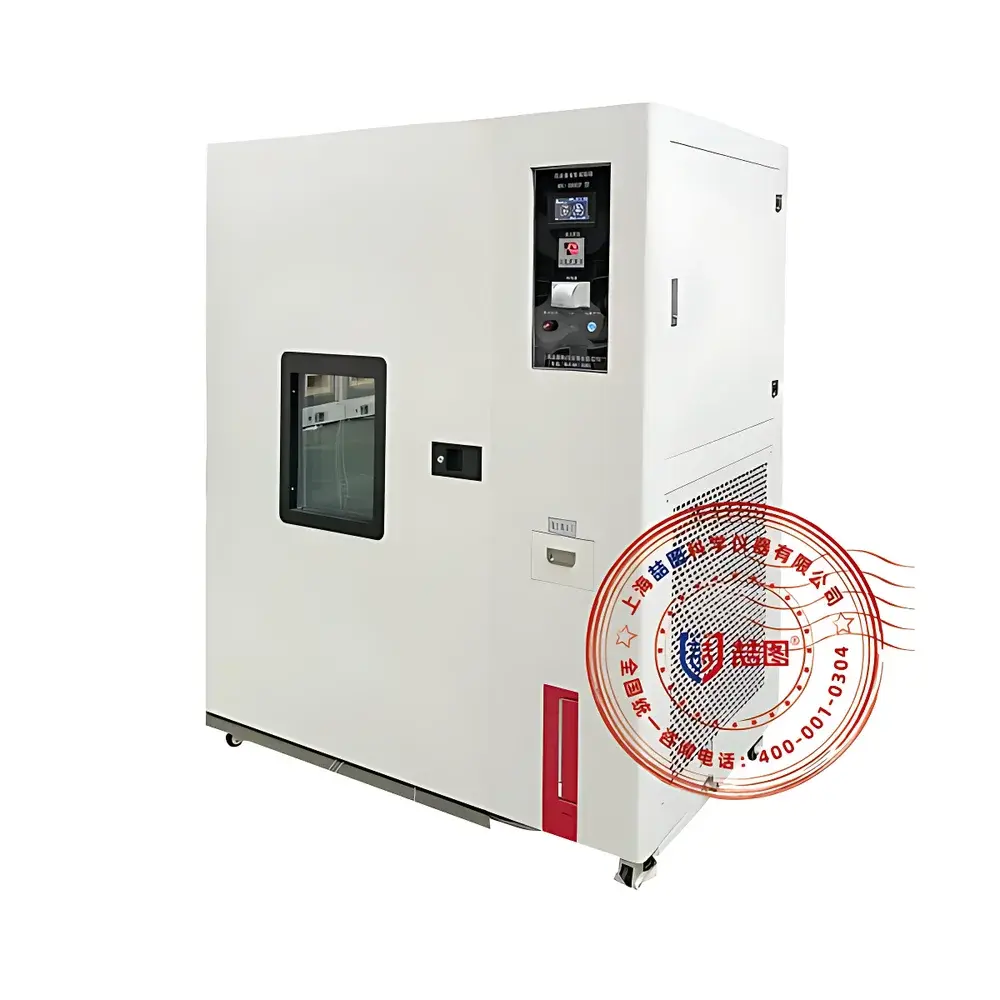
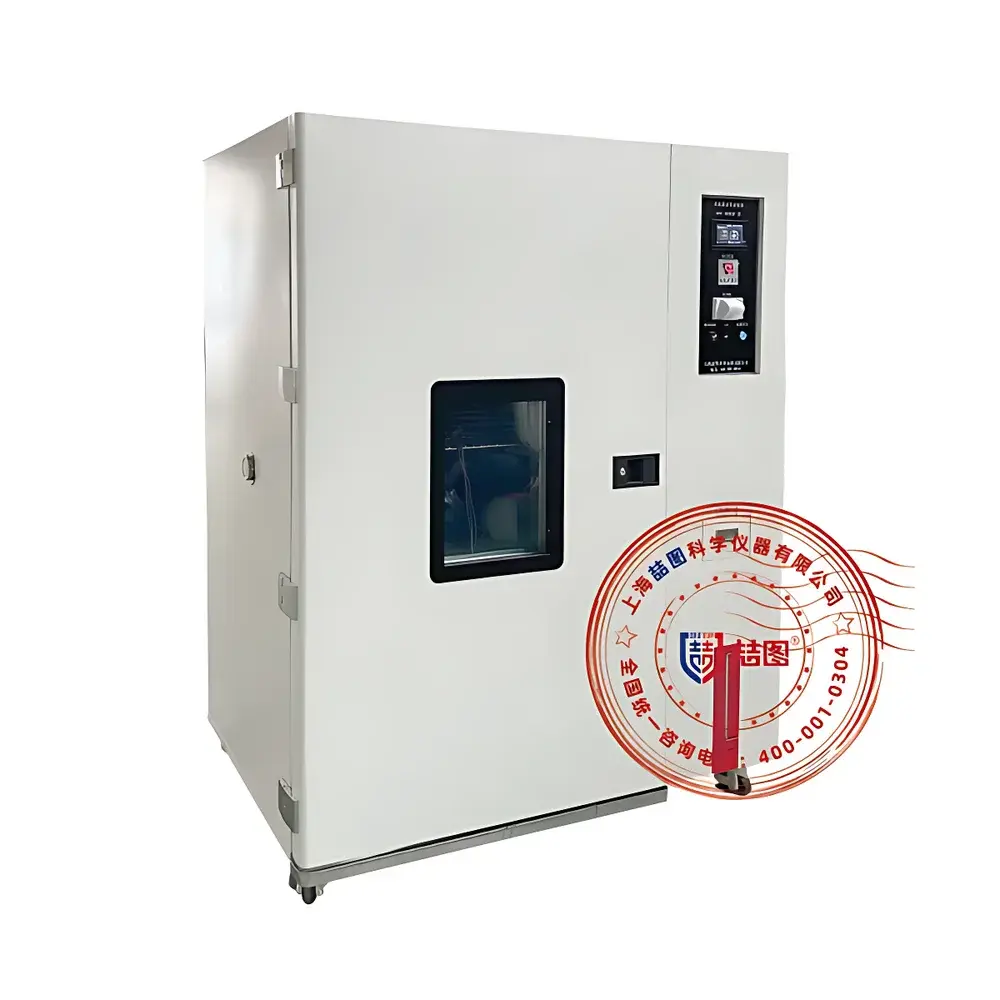
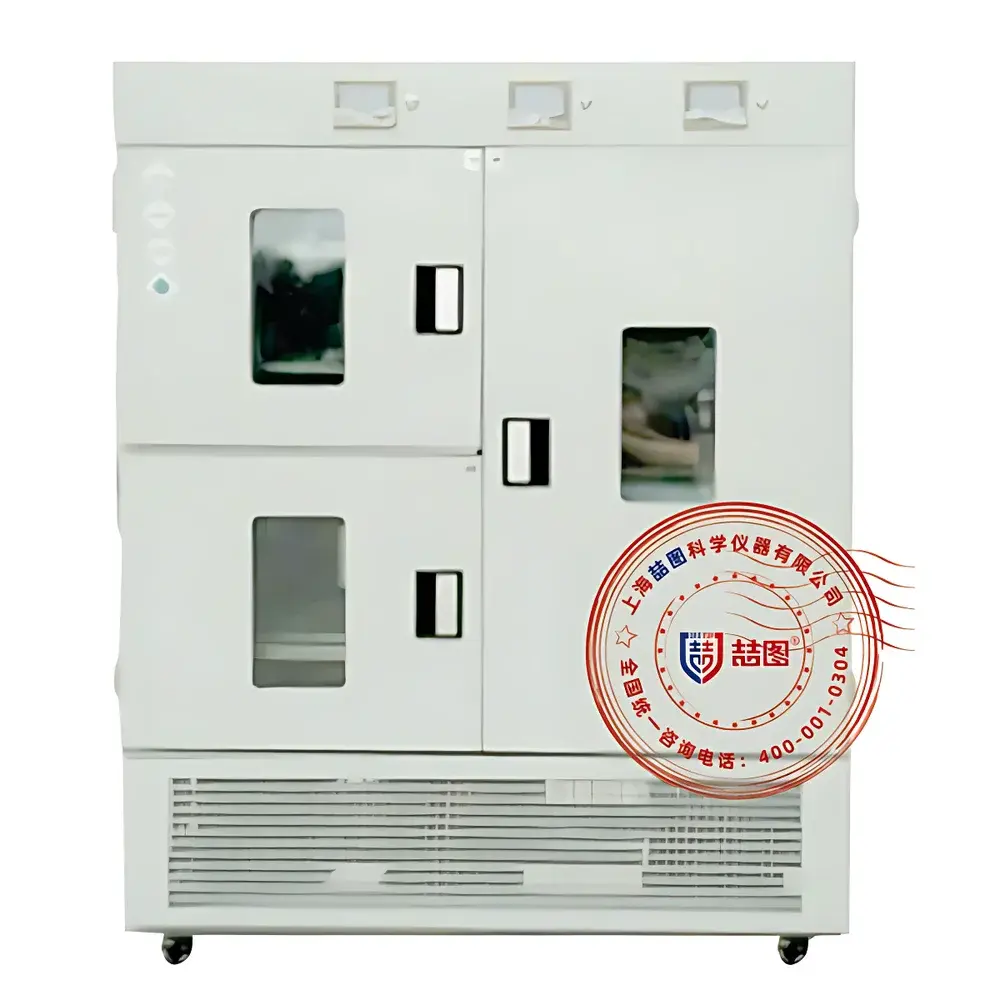
DRETOP GMC-250V Vertical Illumination Drug Stability Testing Chamber
| Brand | DRETOP |
|---|---|
| Origin | Shanghai, China |
| Manufacturer Type | Direct Manufacturer |
| Product Origin | Domestic (China) |
| Model | GMC-250V |
| Price Range | USD 4,200 – 12,600 |
Overview
The DRETOP GMC-250V Vertical Illumination Drug Stability Testing Chamber is a GMP-compliant environmental simulation system engineered for ICH Q1–Q5 and USP <1151>–<1225> pharmaceutical stability studies. It implements precision-controlled temperature (0–65 °C), relative humidity (30–95 %RH, optionally 20–98 %RH), and vertically oriented LED illumination (0–25,000 lx) to replicate long-term, accelerated, intermediate, high-humidity, and photostability test conditions defined in the Chinese Pharmacopoeia (2020 Edition), FDA Guidance for Industry (2022), and ICH Harmonised Tripartite Guideline Q5C. Unlike conventional horizontal or tri-face lighting chambers, the GMC-250V employs a patented vertical illumination architecture—LED arrays mounted perpendicularly above adjustable stainless-steel shelves—ensuring uniform photon flux distribution across multi-layer sample placements without direct irradiation artifacts. This design mitigates thermal shadowing, eliminates edge-brightening effects, and maintains consistent light exposure intensity regardless of vial height or orientation, critical for photodegradation kinetics validation of biologics, small-molecule APIs, and combination products.
Key Features
- Vertical Illumination Architecture: Dedicated top-mounted LED light source with optical diffusers ensures ±5 % spatial uniformity (measured per ISO 15378:2017 Annex A.5) across all shelf levels; avoids sample overheating and spectral distortion common in side-illuminated systems.
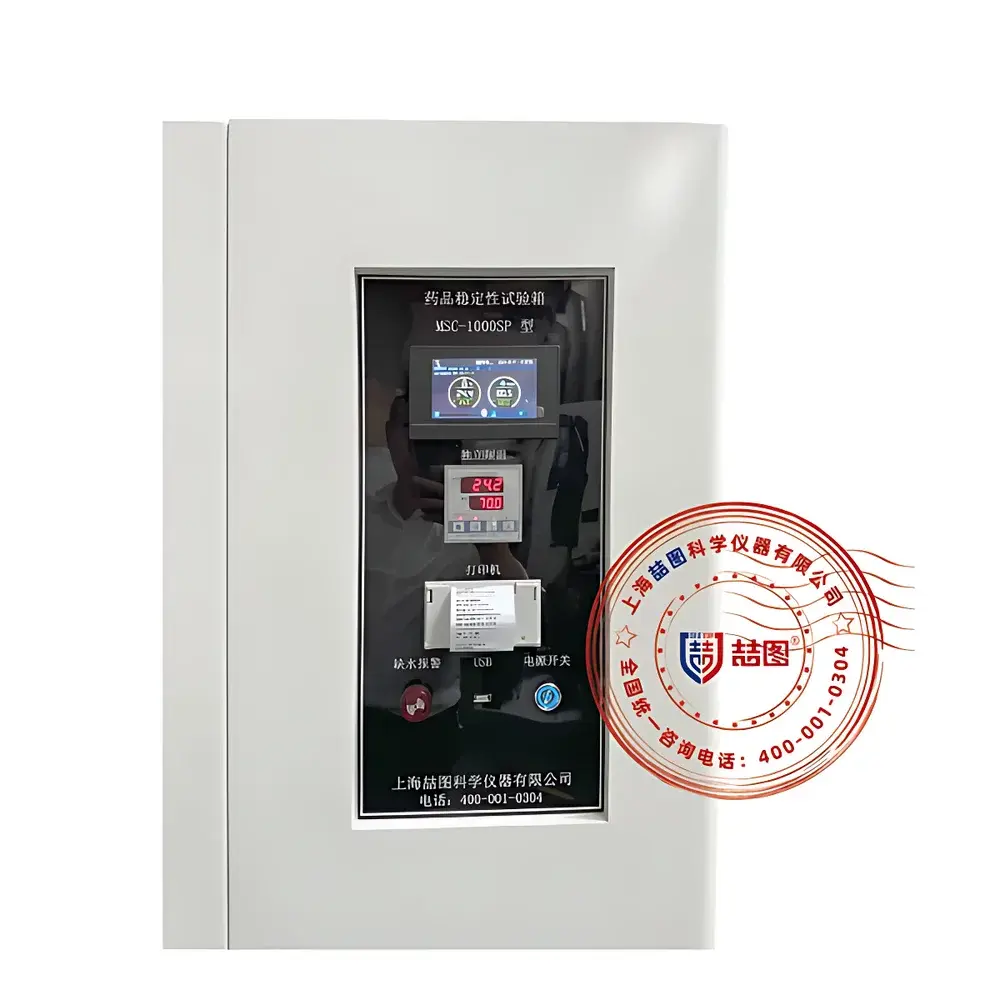
- GMP-Ready Control System: 7-inch color touchscreen interface with dual-language (English/Chinese) support, 3-tier user permission management (Operator/Administrator/Engineer), and full audit trail logging compliant with 21 CFR Part 11 requirements—including timestamped parameter changes, login/logout events, and alarm acknowledgments.
- High-Fidelity Environmental Control: PID auto-tuning algorithm delivers ±0.5 °C temperature fluctuation and ±1.5 °C uniformity (per ASTM E2865–22); humidity control accuracy ±3–5 %RH; programmable up to 999 cycles, each with 100 segments including ramp rates, dwell times, and conditional logic (e.g., “hold at 40 °C/75 %RH until deviation < ±0.3 °C”).
- Dual-Compressor Redundancy (II-Type Option): Failover-capable refrigeration system with independent compressors enables continuous operation during maintenance or compressor fault—critical for 12-month long-term stability trials mandated by ICH Q5C.
- GMP-Validated Structural Design: 304 stainless-steel interior with radius-corner construction; silicone gasket sealing tested to ≤0.5 Pa·m³/s leakage rate (per ISO 10648-2); removable, autoclavable shelves; 25 mm diameter test port standard (optional 10/50/80 mm variants).
Sample Compatibility & Compliance
The GMC-250V accommodates diverse pharmaceutical formats—including glass vials (2–50 mL), blister packs, sachets, syringes, and lyophilized trays—across three adjustable stainless-steel shelves (standard configuration). Its internal volume of 250 L (580 × 500 × 850 mm W×D×H) supports ICH-aligned loading density protocols (≤⅔ chamber volume occupied). All materials contacting the test environment comply with USP Class VI biocompatibility and ISO 10993-5 cytotoxicity standards. The chamber meets electromagnetic compatibility (EMC) per IEC 61326-1, safety per IEC 61010-1, and environmental testing standards including GB/T 10586–2006 (Chinese national standard for environmental test chambers) and ISO 16770:2022 (stability testing of pharmaceuticals).
Software & Data Management
Data integrity is enforced through native firmware-level compliance with ALCOA+ principles (Attributable, Legible, Contemporaneous, Original, Accurate, Complete, Consistent, Enduring, Available). Real-time temperature/humidity/light intensity values are logged at user-defined intervals (1 s to 60 min) and stored internally with ≥1-year retention capacity. Historical data exports directly to Excel (.xlsx) or CSV format via USB flash drive, preserving metadata (operator ID, calibration status, alarm timestamps). RS485 Modbus RTU interface enables seamless integration with laboratory MES/LIMS platforms (e.g., LabVantage, Thermo Fisher SampleManager) and cloud-based monitoring dashboards. Optional IQ/OQ/PQ documentation packages include protocol templates, test scripts, acceptance criteria, and traceable calibration certificates issued by CNAS-accredited laboratories.
Applications
- ICH Q1A(R2) long-term stability studies (25 °C ± 2 °C / 60 %RH ± 5 %RH, 12 months)
- ICH Q1B photostability testing under Option 1 (UV + visible light, 1.2 million lux·hr, 200 kJ/m² UV dose)
- Accelerated stability assessment per Q1A(R2) (40 °C ± 2 °C / 75 %RH ± 5 %RH, 6 months)
- Intermediate condition evaluation (30 °C ± 2 °C / 65 %RH ± 5 %RH)
- High-humidity stress testing for hygroscopic formulations
- Excipient compatibility screening under controlled thermal-hygrometric gradients
- Biological product real-time stability monitoring (e.g., monoclonal antibodies, mRNA-LNPs)
FAQ
Does the GMC-250V meet FDA 21 CFR Part 11 requirements for electronic records?
Yes—the system includes role-based access control, electronic signatures, immutable audit trails, and secure data export functionality fully aligned with Part 11 Subpart B.
What is the maximum allowable sample load for ICH-compliant testing?
Per ICH Q5C guidance, total sample volume must not exceed 66 % of chamber internal volume (i.e., ≤165 L for GMC-250V) to ensure adequate air exchange and environmental uniformity.
Can the vertical illumination be calibrated traceably to NIST standards?
Yes—optional NIST-traceable photometric calibration (illuminance and spectral power distribution) is available using calibrated spectroradiometers (e.g., Ocean Insight HDX) with uncertainty ≤3.5 % (k=2).
Is remote monitoring supported without on-site IT infrastructure?
With optional Wireless Remote Alarm System (WW) and Cloud Control Module (Y), real-time alerts and parameter adjustments can be executed via cellular network—no local LAN or VPN required.
How is humidity recovery performance validated after door opening?
Recovery time to ±3 %RH of setpoint within 15 minutes (from ambient 25 °C/50 %RH, 15-second door open) is verified per ISO 16770 Annex C and documented in PQ reports.
Related Products






