

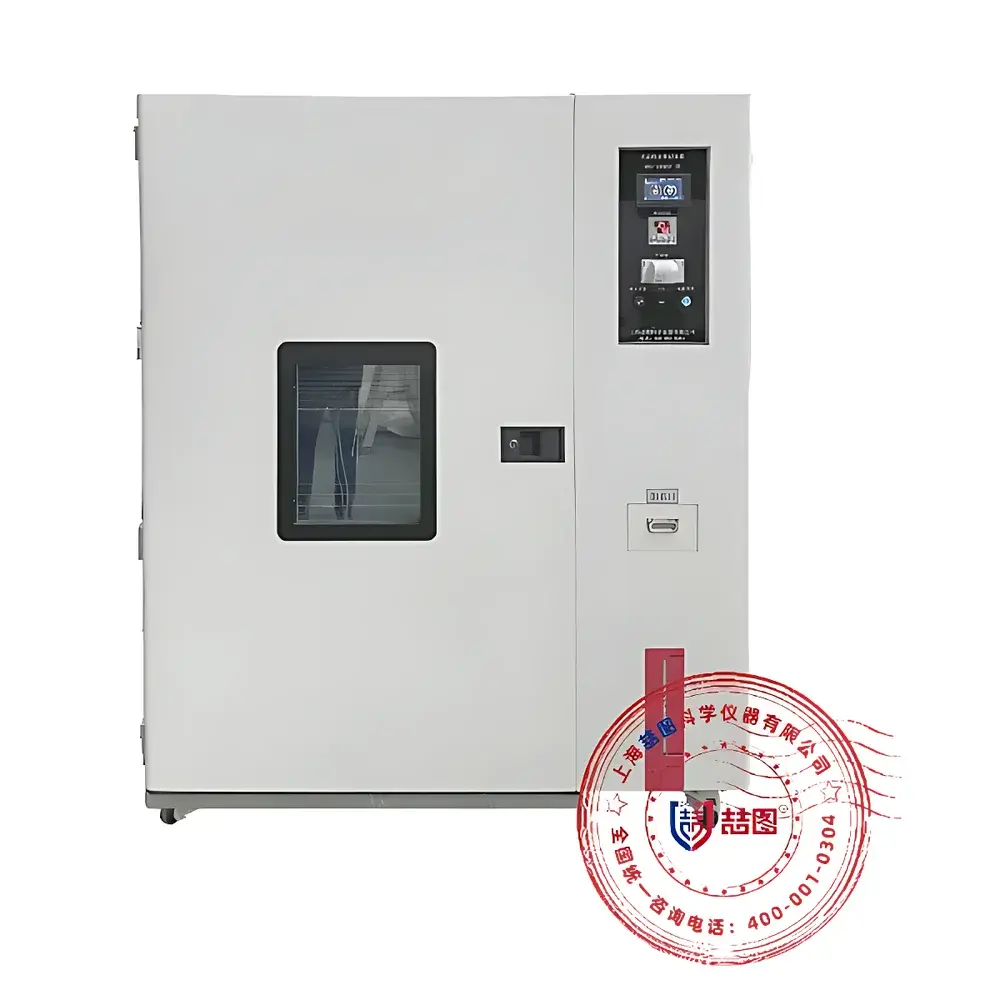
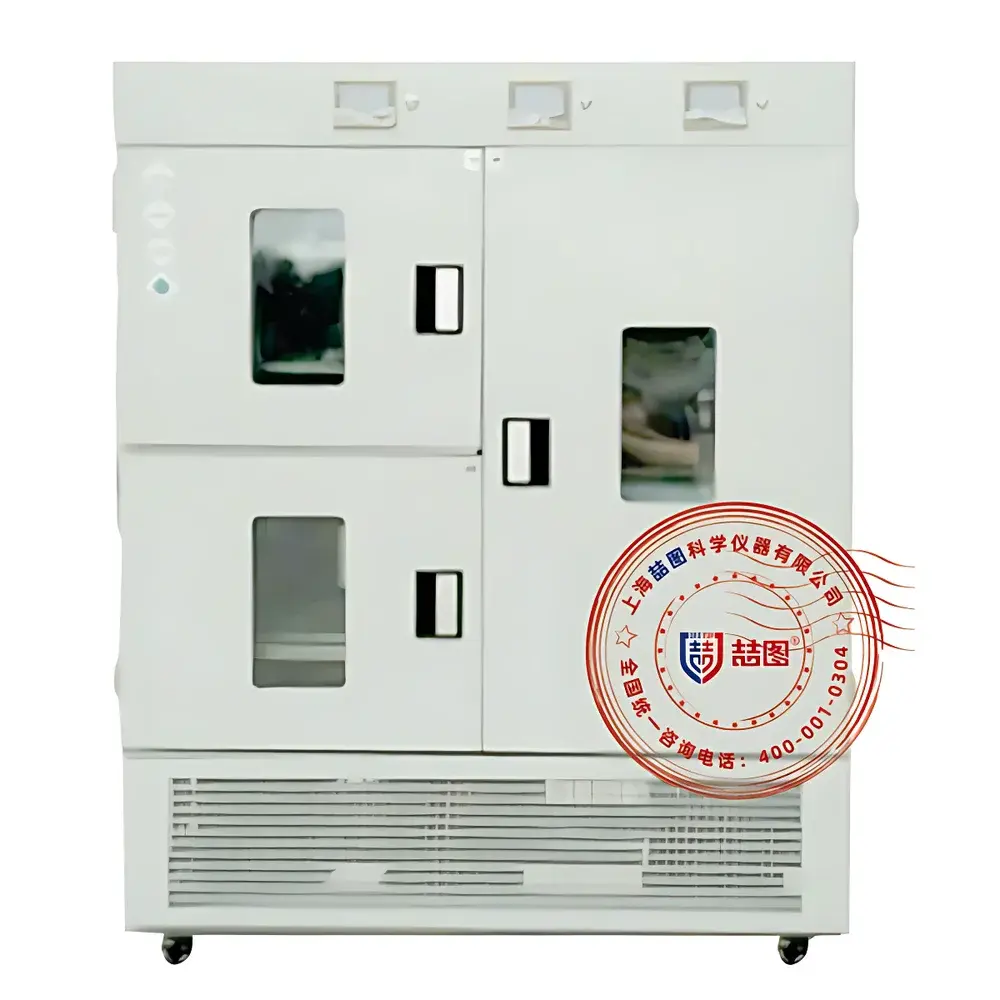
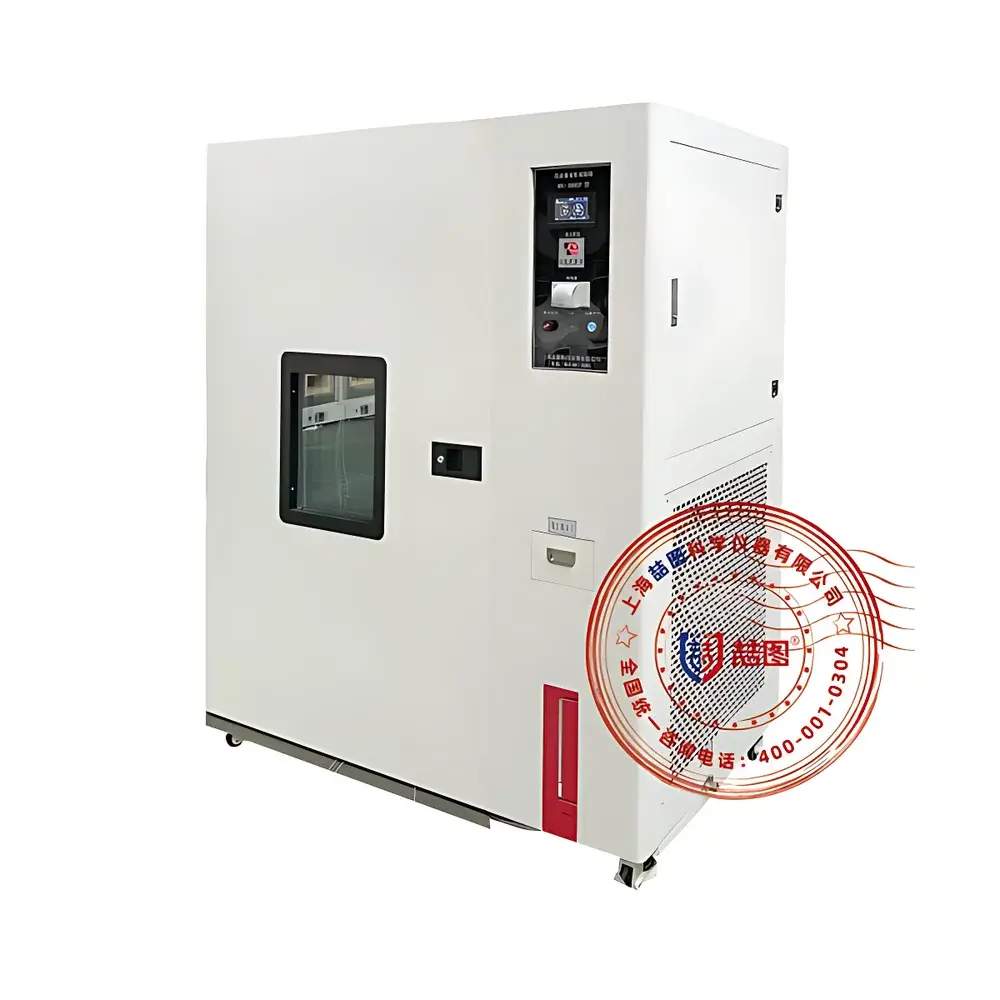
DRETOP GMC-LL150-II Multi-Chamber Drug Stability Testing Chamber
| Brand | DRETOP |
|---|---|
| Origin | Shanghai, China |
| Manufacturer Type | OEM Manufacturer |
| Country of Origin | China |
| Model | GMC-LL150-II |
| Price Range | USD 11,800 – 13,900 |
Overview
The DRETOP GMC-LL150-II Multi-Chamber Drug Stability Testing Chamber is an engineered environmental simulation system designed to meet the stringent requirements of ICH Q1–Q5, USP , and Chinese Pharmacopoeia (2020 Edition) stability testing protocols. It implements a dual-chamber architecture—comprising two independent, thermally isolated 150 L test compartments—enabling concurrent execution of multiple stability protocols (e.g., long-term, accelerated, high-humidity, and photostability studies) under identical or divergent environmental conditions. Each chamber operates with independent PID-controlled temperature (0–65 °C), humidity (30–95% RH, optionally 20–98% RH), and optional LED-based illumination (0–25,000 lx, digitally adjustable). The system complies with ISO 14644-1 Class 8 cleanroom-compatible airflow design and maintains temperature uniformity ±1.5 °C and humidity deviation ±3–5% RH across the working volume—critical for reproducible degradation kinetics assessment in pharmaceutical development and GMP-regulated release testing.
Key Features
- Independent Dual-Chamber Architecture: Two physically separated 150 L chambers (W500 × D450 × H1000 mm each), each with dedicated refrigeration, heating, humidification, and control systems—eliminating cross-contamination risk and enabling parallel ICH Q1A(R2) condition validation (e.g., 25 °C/60% RH + 40 °C/75% RH).
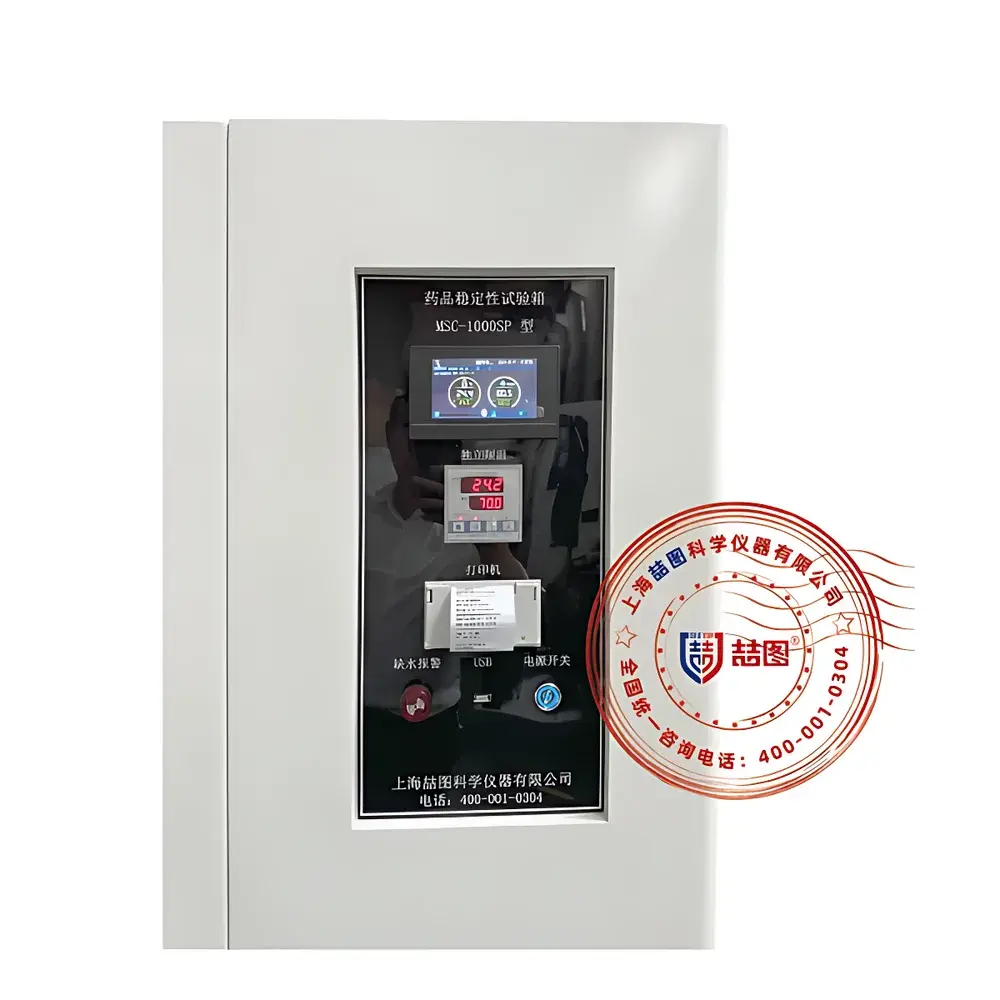
- GMP-Compliant Control System: 7-inch color touchscreen with bilingual (English/Chinese) GUI; supports three-tier user access (Operator / Administrator / Engineer) with role-based permissions, electronic signature, and full audit trail per 21 CFR Part 11 Annex 11 requirements.
- Advanced Environmental Control: Dual-compressor refrigeration (II-type configuration) with auto-defrost and compressor redundancy; NiCr heating elements with centrifugal forced-air circulation; ultrasonic humidifier with anti-scale reservoir; all subsystems governed by adaptive PID algorithms achieving ±0.5 °C temperature fluctuation and ≤±3% RH humidity deviation.
- Programmable Test Sequencing: Stores up to 999 multi-segment programs (100 segments per program); supports ramp/soak profiles, cycle repetition, slope-controlled transitions, and conditional logic (e.g., “hold at 40 °C/75% RH for 14 days, then switch to 25 °C/60% RH”); includes dedicated timers for temperature-only, humidity-only, or combined hold periods.
- Structural Integrity & Cleanability: 304 stainless steel interior with radius-cornered welds; electrostatically coated carbon steel exterior; silicone gasket sealing rated for >100,000 door cycles; removable adjustable shelves; 25 mm diameter test port (standard) with optional sealed feedthroughs for power, gas, or signal lines.
Sample Compatibility & Compliance
The GMC-LL150-II accommodates diverse pharmaceutical sample formats—including blister packs, vials, syringes, ampoules, sachets, and stability-indicating reference standards—without compromising environmental fidelity. Its chamber geometry and airflow pattern ensure uniform exposure across stacked configurations (up to 4 adjustable shelves per chamber). All materials in contact with the test environment comply with USP Class VI biocompatibility and ISO 10993-5 cytotoxicity standards. The system meets mechanical and electrical safety requirements per IEC 61010-1 and is certified to GB/T 10586–2006 (Environmental Test Equipment General Specifications). Optional IQ/OQ/PQ documentation packages are available for full GMP validation lifecycle support, including installation qualification (IQ), operational qualification (OQ), and performance qualification (PQ) against ICH Q5C and WHO TRS 992 Annex 5 criteria.
Software & Data Management
Data integrity is ensured through embedded real-time logging of temperature, humidity, program stage, alarm status, and user actions—with timestamped records stored internally and exportable via USB to CSV or Excel format. The built-in RS485 interface supports Modbus RTU protocol for integration into laboratory MES, SCADA, or cloud-based LIMS platforms. Optional remote monitoring (Y-series module) enables secure mobile access to live chamber status, historical trends, and configurable SMS/email alerts for critical excursions. The system generates PDF-formatted deviation reports, trend analysis charts, and audit-ready documentation—including raw data logs with immutable timestamps, operator IDs, and parameter change histories—fully satisfying ALCOA+ (Attributable, Legible, Contemporaneous, Original, Accurate, Complete, Consistent, Enduring) principles mandated by FDA, EMA, and NMPA.
Applications
- ICH-compliant long-term stability studies (25 °C/60% RH, 30 °C/65% RH) and accelerated testing (40 °C/75% RH) per Q1A(R2)
- Photostability assessment per ICH Q5B using optional LED illumination modules (white, UV-Vis-IR spectrum, or vertical-directional V-series)
- High-humidity stress testing (90% RH) for hygroscopic API evaluation and packaging permeability screening
- Bracketing and matrixing study designs requiring simultaneous multi-condition exposure
- Stability protocol development for biologics, vaccines, and temperature-sensitive formulations
- Reference standard storage under controlled ambient conditions aligned with USP
FAQ
What ICH guidelines does the GMC-LL150-II support?
It fully supports ICH Q1A(R2), Q1B (photostability), Q5C (biotechnology product stability), and Q5D (cell substrate stability), with programmable profiles matching specified temperature/humidity/light parameters.
Can both chambers run different protocols simultaneously?
Yes—each chamber has independent controllers, sensors, and environmental subsystems, enabling truly concurrent operation under distinct ICH conditions without thermal or humidity crosstalk.
Is 21 CFR Part 11 compliance built-in?
Yes—the system provides electronic signatures, audit trails, role-based access control, and data immutability features required for regulated submissions; optional validation documentation (IQ/OQ/PQ) is available.
What maintenance intervals are recommended?
Humidifier descaling every 3 months; air filter replacement every 6 months; annual calibration verification using NIST-traceable probes; compressor oil inspection per 10,000 operating hours.
Does the system support third-party LIMS integration?
Yes—via RS485/Modbus RTU or optional Ethernet gateway; compatible with LabVantage, STARLIMS, Thermo Fisher SampleManager, and custom MES interfaces.






