

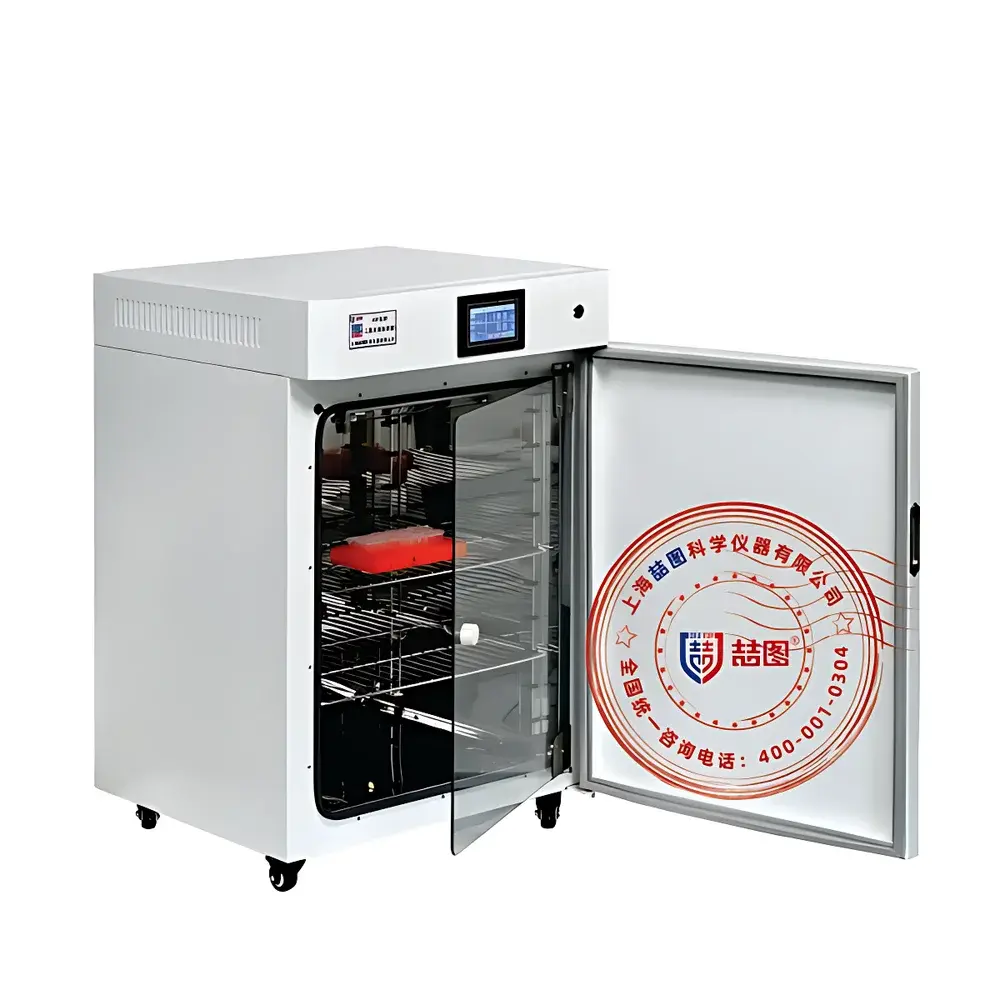
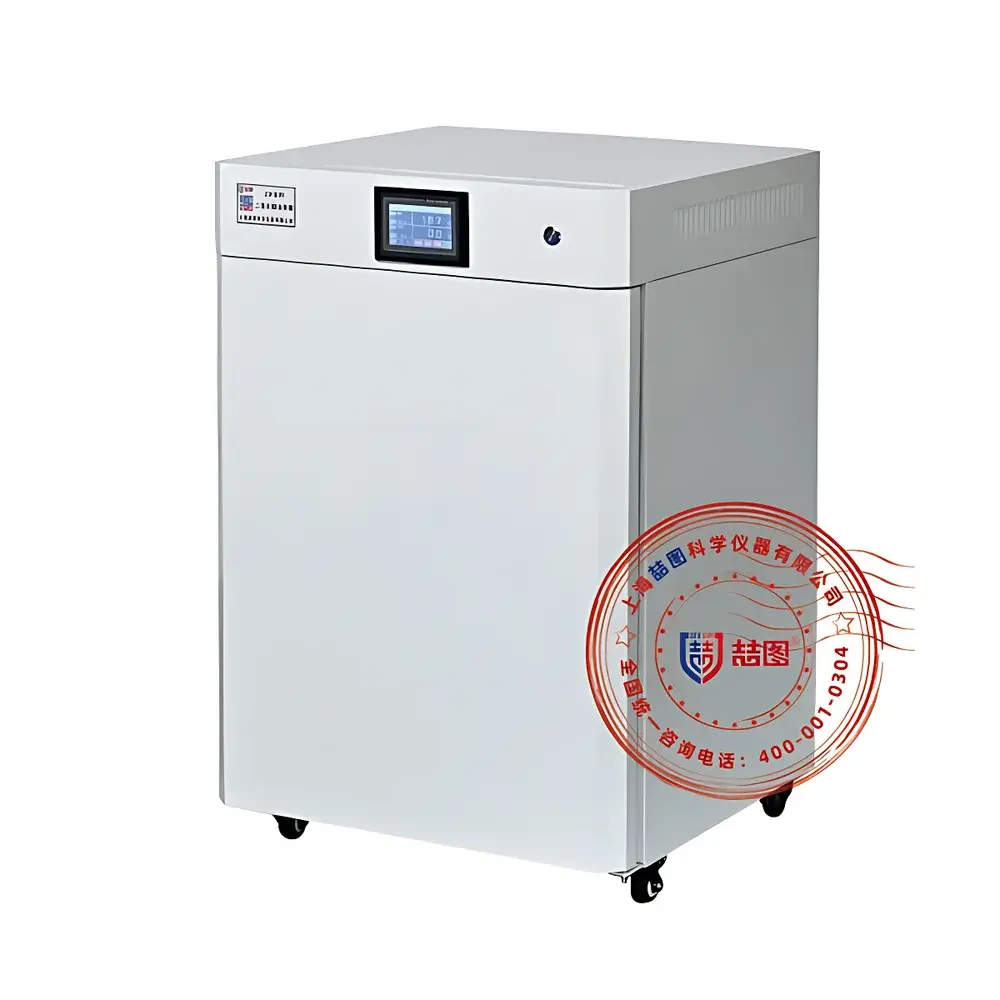
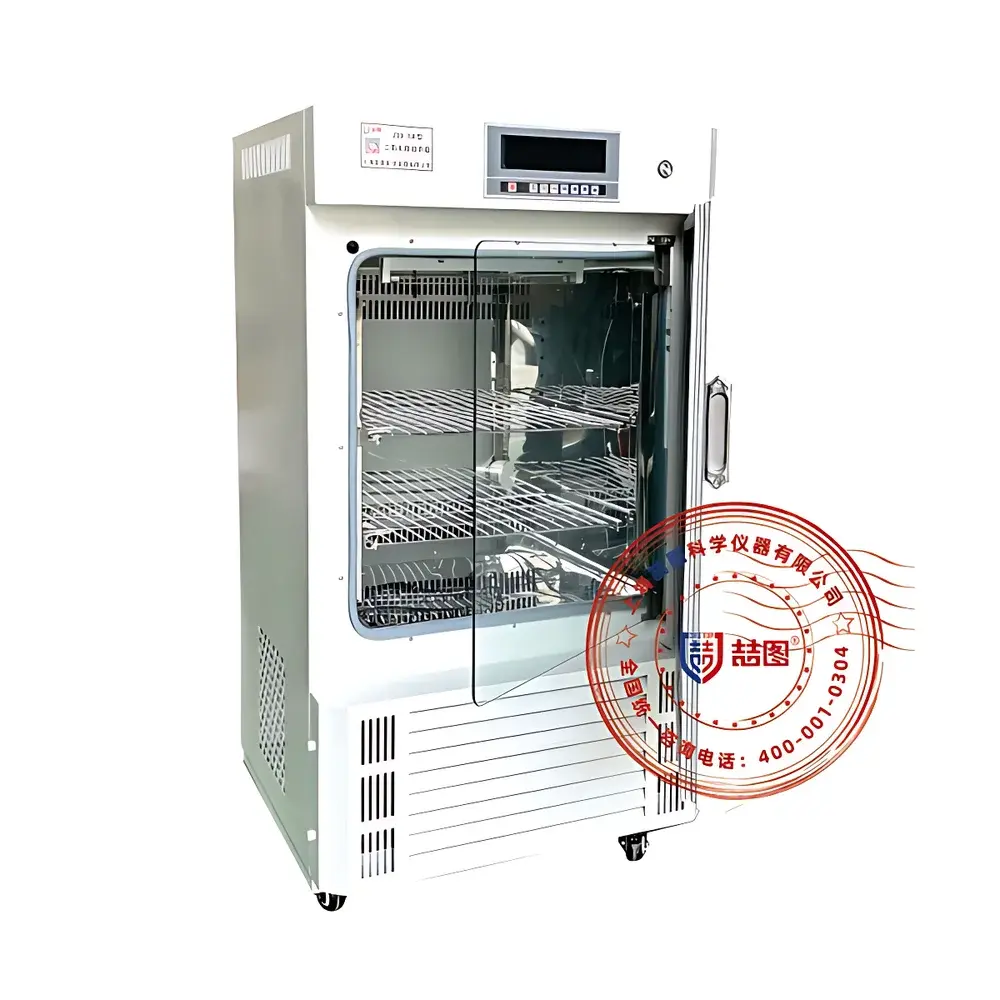
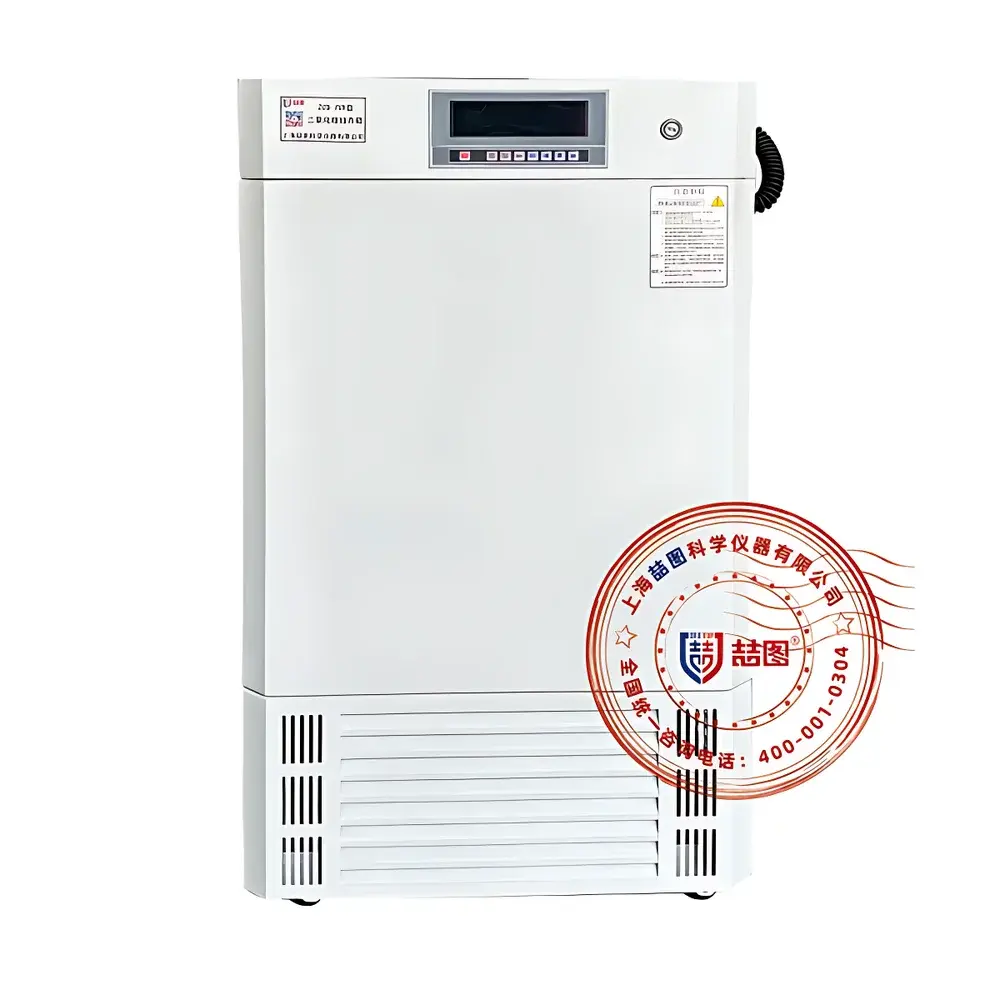
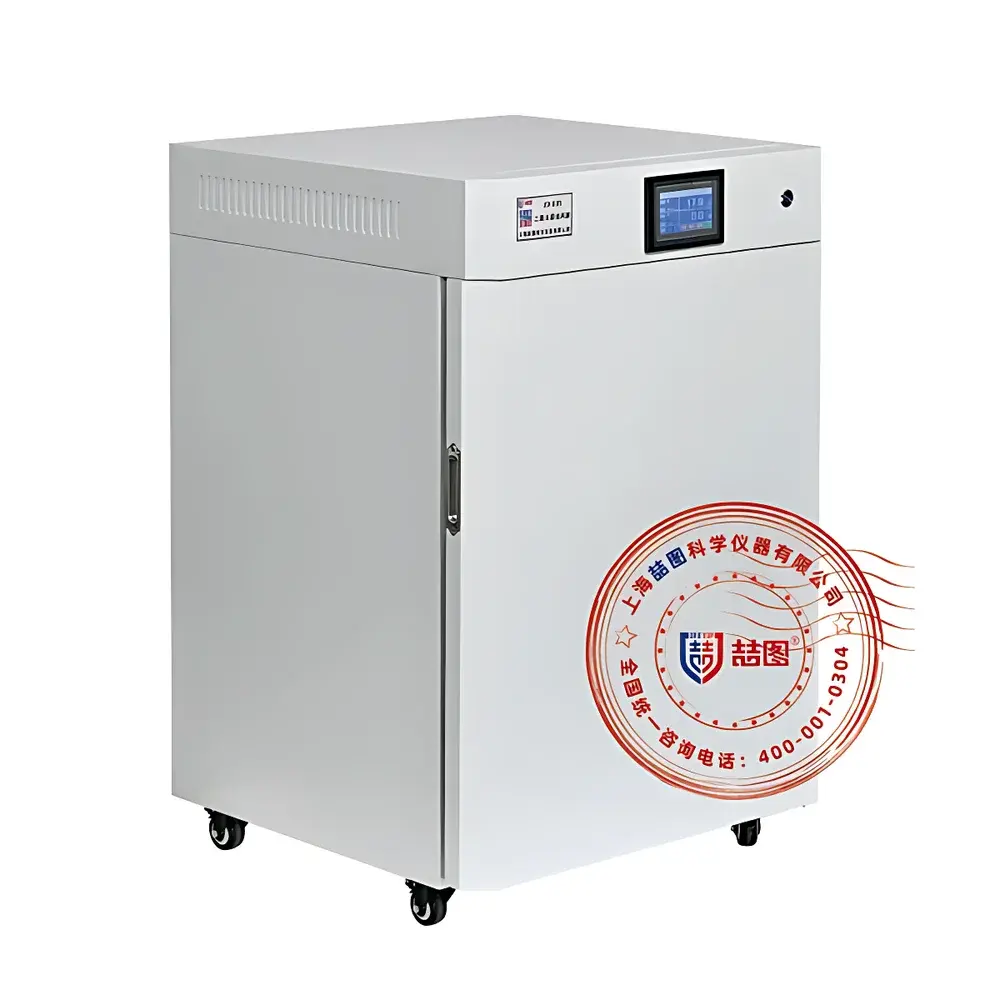
DRETOP MFC-250 Multifunctional CO₂ Incubator
| Brand | DRETOP |
|---|---|
| Origin | Shanghai, China |
| Manufacturer Type | Direct Manufacturer |
| Instrument Type | Air-Jacketed CO₂ Incubator |
| CO₂ Detection | Infrared (IR) Sensor |
| Temperature Control Range | 0–60 °C (dark), 10–50 °C (with illumination) |
| Temperature Uniformity | Not specified |
| CO₂ Concentration Range & Accuracy | 0–20% vol, ±0.1% vol |
| Humidity Control Range & Accuracy | 50–95% RH, ±3–5% RH |
| Chamber Capacity | 250 L |
| External Dimensions (W×D×H) | 780 × 745 × 1560 mm |
| Heating Method | Air-jacketed |
| Humidification Method | Reservoir-based natural evaporation |
| Illumination Capability | Adjustable white-light LED array (0–20,000 lux) |
| Sterilization Options | Optional 90 °C high-humidity thermal decontamination cycle |
| Control System | Microprocessor-based integrated temperature, CO₂, humidity, and light controller with programmable day/night cycling |
Overview
The DRETOP MFC-250 Multifunctional CO₂ Incubator is an engineered platform designed to replicate physiologically relevant environmental conditions for long-term mammalian cell culture, stem cell expansion, tissue engineering, and photobiological assays. Unlike standard CO₂ incubators limited to temperature and gas control, the MFC-250 integrates four independent environmental axes—temperature, CO₂ concentration, relative humidity, and programmable illumination—enabling precise simulation of diurnal cycles and light-responsive biological processes. Its air-jacketed thermal architecture employs independently controlled heating elements surrounding the chamber walls, ensuring rapid thermal recovery (<6 min to 37 °C after 30-sec door opening) and minimal spatial gradients during frequent access. The IR-based CO₂ sensor operates with zero oxygen dependency and immunity to catalytic poisoning, delivering stable 5% CO₂ setpoint maintenance even under dynamic humidity and temperature transients. This architecture meets foundational requirements for GLP-compliant cell banking, IVF laboratories, and preclinical drug screening workflows where environmental fidelity directly impacts assay reproducibility.
Key Features
- Air-jacketed heating system with PID-controlled nickel-chromium heating elements ensures fast temperature equilibration and superior stability (±0.2 °C fluctuation at 37 °C).
- Infrared CO₂ sensor with automatic zero-point calibration, temperature compensation, and overvoltage/reverse-polarity protection for long-term measurement integrity.
- Integrated humidity management via large-surface-area stainless steel reservoir; achieves 95% RH with ±3–5% RH accuracy and recovers >90% RH within 15 minutes post-door opening.
- Programmable illumination module (0–20,000 lux, white LED) supports circadian rhythm studies, photodynamic therapy development, and plant tissue culture without external lighting fixtures.
- Antimicrobial mirror-finish stainless steel interior with radius-cornered construction and tool-free adjustable shelving for complete cleanability and ISO 5-compatible aseptic operation.
- Dual-glass door with heated inner pane prevents condensation, eliminating microbial harborage zones and maintaining optical clarity during high-humidity operation.
- Comprehensive safety suite: independent overtemperature cut-off, low-water-level alarm (for optional water-jacket retrofit), door-open duration logging, and power-failure memory retention.
Sample Compatibility & Compliance
The MFC-250 accommodates standard SBS-format multiwell plates (6–384-well), T-flasks (up to T225), roller bottles, and Petri dishes across two adjustable stainless steel shelves. Its chamber geometry (580 × 500 × 850 mm internal) permits vertical stacking of equipment-compatible accessories including gas-tight humidification trays and custom mounting brackets. From a regulatory standpoint, the incubator’s microprocessor logs all critical parameters—including temperature, CO₂, humidity, door events, and sterilization cycles—with timestamped records exportable via RS485 interface. While not pre-certified to FDA 21 CFR Part 11, its audit-trail-capable firmware architecture supports validation protocols aligned with ISO 13485, ASTM E1998 (standard practice for incubator qualification), and EU Annex 1 requirements for sterile manufacturing environments. Optional high-humidity thermal decontamination (90 °C, ≥12 h) achieves ≥6-log reduction of bacterial endospores per EN 554, supporting routine chamber bioburden control.
Software & Data Management
The embedded controller features a 7-inch color touchscreen interface with intuitive icon-driven navigation and multilingual support (English, German, French, Chinese). Users configure up to 20 independent programs comprising time-stamped setpoint ramps for temperature, CO₂, humidity, and light intensity—enabling simulation of seasonal photoperiods or metabolic stress responses. All operational data are stored internally for ≥30 days and exportable as CSV files via USB port. Optional RS485 communication enables integration into LabVantage, STARLIMS, or custom SCADA systems using Modbus RTU protocol. Real-time remote monitoring is supported through optional Ethernet gateway modules compliant with IEEE 802.3, allowing centralized supervision across multi-incubator facilities while preserving local control autonomy.
Applications
- Mammalian cell culture requiring strict pH regulation (via 5% CO₂/bicarbonate buffer systems) and high humidity to prevent medium evaporation.
- Stem cell differentiation studies involving light-sensitive opsins or vitamin D metabolism pathways.
- Organoid and 3D bioprinted construct maturation under dynamically modulated environmental cues.
- Phototoxicity and photostability assessment of pharmaceutical compounds under controlled irradiance.
- Plant protoplast regeneration and callus induction where spectral quality and diel temperature shifts influence morphogenesis.
- Quality control of monoclonal antibody production in CHO cells, where batch-to-batch consistency depends on environmental reproducibility.
FAQ
Is the MFC-250 certified to ISO 13485 or FDA 21 CFR Part 11?
No. It is supplied as a general-purpose laboratory instrument. However, its data logging architecture, parameter traceability, and configurable alarm thresholds facilitate user-led validation against ISO 13485 Annex A or 21 CFR Part 11 Subpart B requirements.
Can the incubator operate continuously at 4 °C for low-temperature cell storage?
No. The MFC-250 is not refrigerated; its minimum operating temperature is 0 °C (in dark mode). For sub-ambient applications, refer to DRETOP’s ZCQ-70R low-temperature CO₂ incubator series.
What maintenance is required for the IR CO₂ sensor?
The sensor requires no consumables or periodic recalibration beyond the built-in auto-zero function. Annual verification against NIST-traceable gas standards is recommended for GMP-regulated use.
Does the humidification system support sterile filtration of make-up water?
The reservoir accepts distilled or deionized water only. For closed-loop sterile humidification, third-party vapor-phase hydrogen peroxide (VHP) integration kits are available through authorized DRETOP application engineers.
How is temperature uniformity validated across the chamber volume?
DRETOP provides a 9-point thermal mapping template (per ASTM E2874) with instructions for user-performed qualification. Factory-installed thermocouple ports at standardized locations enable direct datalogger connection during IQ/OQ execution.




