
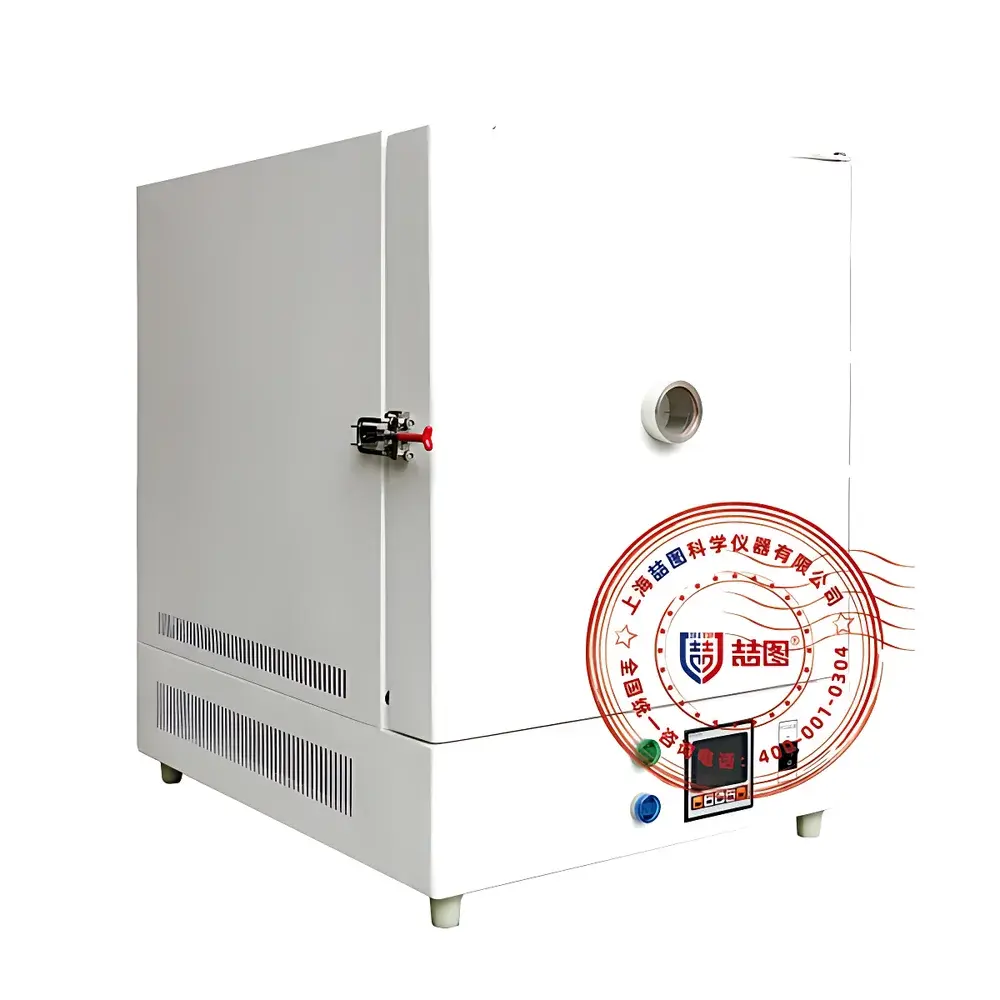
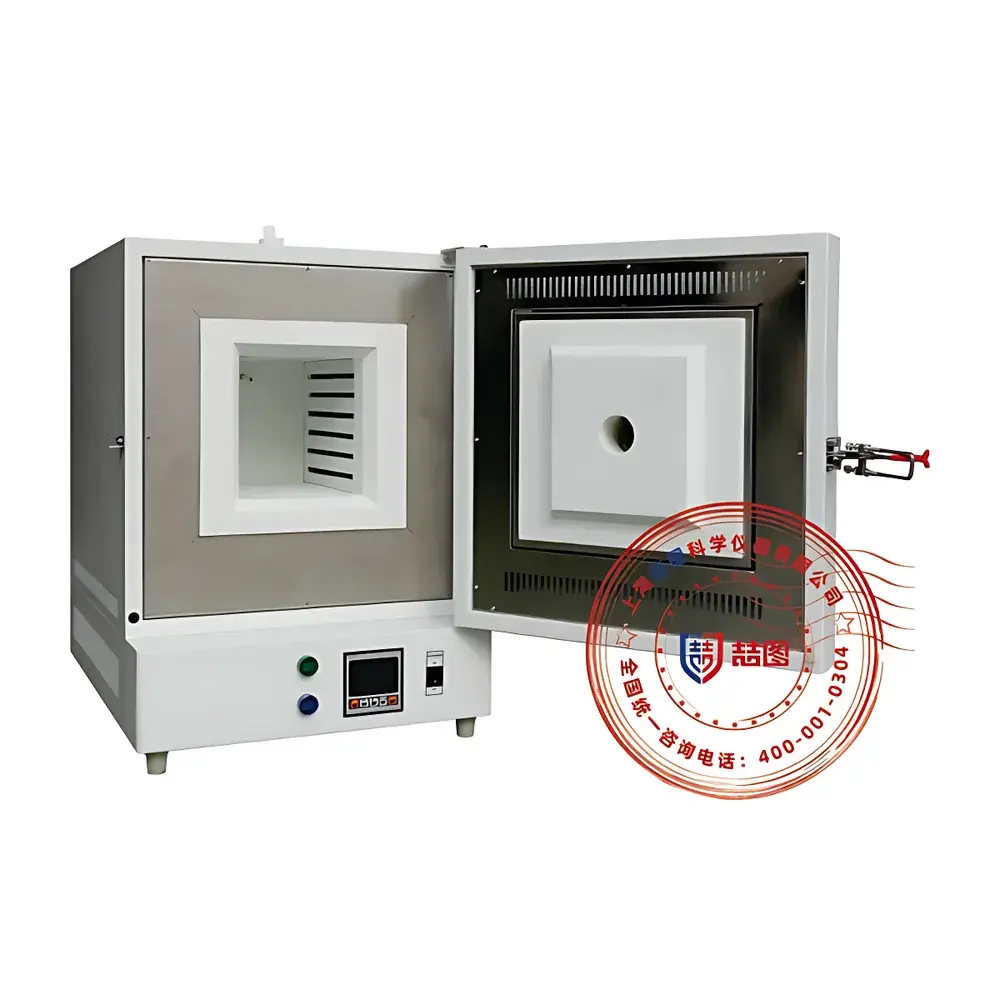
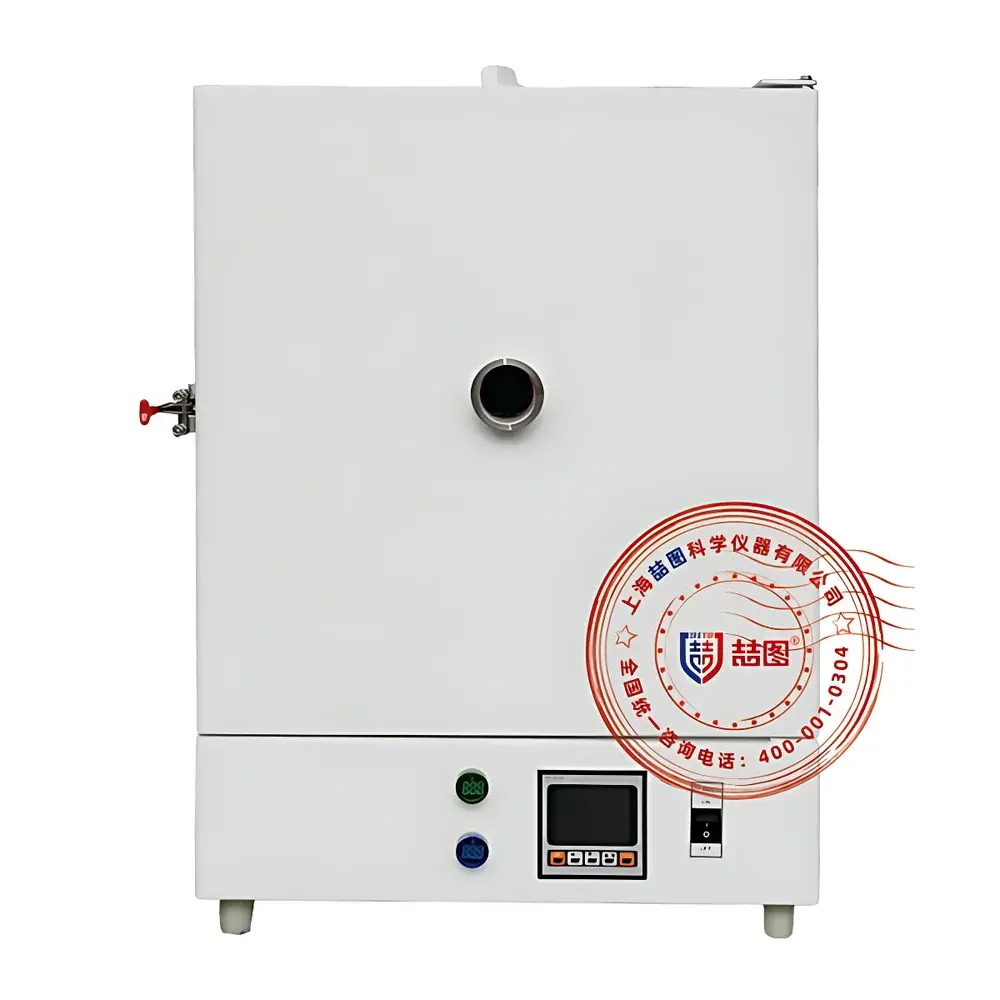
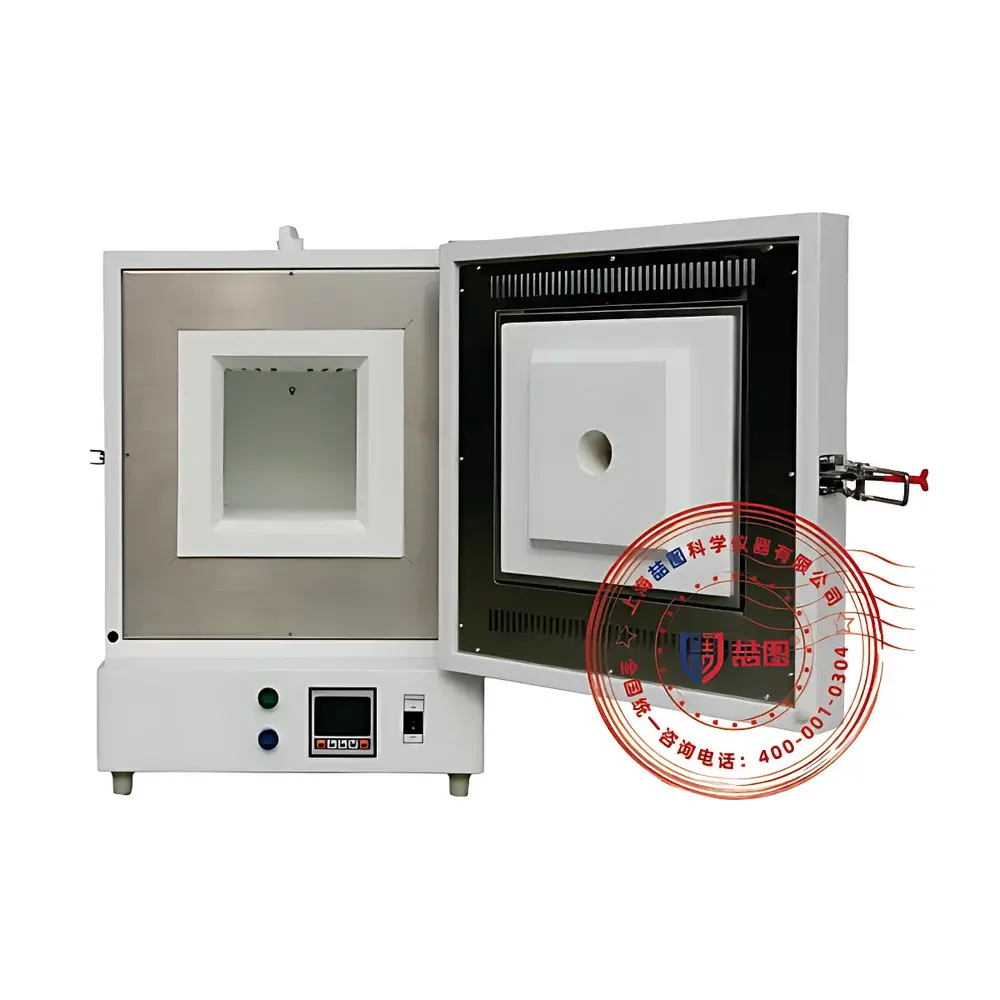
DRETOP MK10-12 Cat-Eye View Muffle Furnace
| Brand | DRETOP |
|---|---|
| Origin | Shanghai, China |
| Manufacturer Type | Direct Manufacturer |
| Product Category | Domestic |
| Model | MK10-12 |
| Instrument Type | Box-Type Muffle Furnace |
| Maximum Temperature | 1200 °C |
| Temperature Control Accuracy | ±1 °C |
| Rated Power | 6 kW |
| Heating Time to Max Temp | 45 min |
| Heating Element Material | Ultra-High-Temperature Alloy |
| Internal Chamber Dimensions (W×D×H) | 200 × 300 × 220 mm |
| Control System | Microcomputer-Based PID Controller |
| Nominal Volume | 13 L |
Overview
The DRETOP MK10-12 Cat-Eye View Muffle Furnace is a high-performance, ceramic fiber–insulated box-type furnace engineered for precision thermal processing in research laboratories, quality control environments, and materials development facilities. Operating on resistive heating principles via ultra-high-temperature alloy elements embedded in a three-sided radiant configuration, the furnace delivers rapid, uniform heat distribution across its 13 L nominal chamber. Its maximum operating temperature of 1200 °C—combined with ±1 °C thermal stability—supports demanding applications including ashing, calcination, sintering, annealing, and heat treatment protocols requiring strict thermal reproducibility. The integrated 5 cm-diameter borosilicate glass cat-eye viewport enables real-time visual monitoring of sample behavior without compromising chamber integrity or thermal equilibrium—a critical advantage for process optimization and failure mode analysis during high-temperature reactions.
Key Features
- Ceramic fiber insulation: Vacuum-microporous alumina-silica board construction reduces thermal mass, enabling faster ramp rates (≤45 min to 1200 °C) and improving energy efficiency by up to 40% versus traditional brick-lined furnaces.
- Triple-wall heating architecture: Spiral-wound ultra-high-temperature alloy heating elements are embedded along the left, right, and rear chamber walls, ensuring radial symmetry and minimizing axial temperature gradients (<±3 °C at 1200 °C per ASTM E220).
- Dual-stage overtemperature protection: Independent hardware-based thermal cutoff (1250 °C mechanical limiter) and software-configurable alarm thresholds provide redundant safety compliance with IEC 61000-6-2 and EN 61000-6-3 electromagnetic compatibility standards.
- Intelligent door interlock system: Automatic power interruption upon door opening meets ISO/IEC 17025 clause 5.4.2 requirements for procedural integrity; resumption of heating after closure preserves programmed thermal profiles.
- Robust mechanical design: Phosphate conversion coating + high-temp epoxy powder coating on cold-rolled steel housing ensures corrosion resistance under repeated thermal cycling; reinforced door gasket and cam-lock mechanism maintain >95% thermal retention at 1200 °C (per DIN 17007).
Sample Compatibility & Compliance
The MK10-12 accommodates standard crucibles (alumina, quartz, silicon carbide), graphite boats, and ceramic setters up to 200 mm wide × 300 mm deep × 180 mm tall. Its inert atmosphere compatibility—via optional N₂/Ar inlet valve and exhaust chimney—enables controlled oxidation studies per ASTM C1171 and ISO 11843-2. The furnace conforms to GLP/GMP documentation requirements through built-in audit trail functionality (when equipped with TC-series color touchscreen or Pro-series PLC controller), supporting 21 CFR Part 11 electronic record integrity when paired with optional RS485 serial logging and timestamped event history. All electrical components comply with UL 61010-1 and CE marking directives for laboratory equipment safety.
Software & Data Management
Standard configuration includes a microcomputer PID controller with large-format LCD display and 30-segment programmable ramp-soak profiles. Optional TC-series color touchscreens offer graphical real-time temperature curve visualization, multi-level user access control (engineer/operator/administrator), and USB data export in CSV format. Integrated RS485 Modbus RTU interface allows seamless integration into LIMS or SCADA systems for centralized thermal process monitoring. Optional miniature printer provides hard-copy traceability of cycle parameters, start/stop timestamps, and deviation alerts—essential for ISO 17025 accreditation audits.
Applications
- Materials science: Sintering of nanoceramics, densification of metal powders, crystallization kinetics of oxide glasses, and microstructural evolution studies in battery cathode precursors.
- Environmental testing: Gravimetric determination of total suspended solids (TSS), volatile solids (VS), and fixed residue per EPA Method 2540B and APHA Standard Methods 2540F.
- Metallurgy: Homogenization annealing of alloy tool steels, stress-relief cycles for castings, and tempering validation per ASTM A956.
- Pharmaceutical QA/QC: Loss-on-drying (LOD) analysis of active pharmaceutical ingredients (APIs), residual solvent quantification, and excipient thermal stability screening aligned with USP <1231>.
- Geological analysis: Fusion bead preparation for XRF spectroscopy, carbonate decomposition in limestone assays, and clay mineral dehydration profiling.
FAQ
What is the maximum recommended continuous operating temperature?
The MK10-12 is rated for continuous operation at 1200 °C; extended exposure above this threshold may accelerate heating element degradation and compromise calibration stability.
Can the furnace be used under inert or reducing atmospheres?
Yes—when fitted with the optional inert gas inlet valve and exhaust chimney, it supports nitrogen, argon, or forming gas environments; ensure proper venting and gas flow rate control per NFPA 56 guidelines.
Is the cat-eye viewport capable of withstanding full 1200 °C operation?
The borosilicate viewport is rated for continuous use up to 1200 °C; however, prolonged direct line-of-sight exposure to radiant heating elements may induce localized thermal stress—position samples centrally and avoid focusing optical instruments directly on glowing elements.
Does the furnace support automated data logging without optional hardware?
Basic cycle parameters (setpoint, actual temp, elapsed time) are retained in non-volatile memory; full timestamped logging requires RS485 interface module or TC-series touchscreen.
How is temperature uniformity validated across the working zone?
Per internal verification protocol (aligned with ASTM E220 Annex A3), uniformity is confirmed using nine-point thermocouple mapping at 1000 °C and 1200 °C; typical results show ≤±2.5 °C variation within the central 70% volume.



