
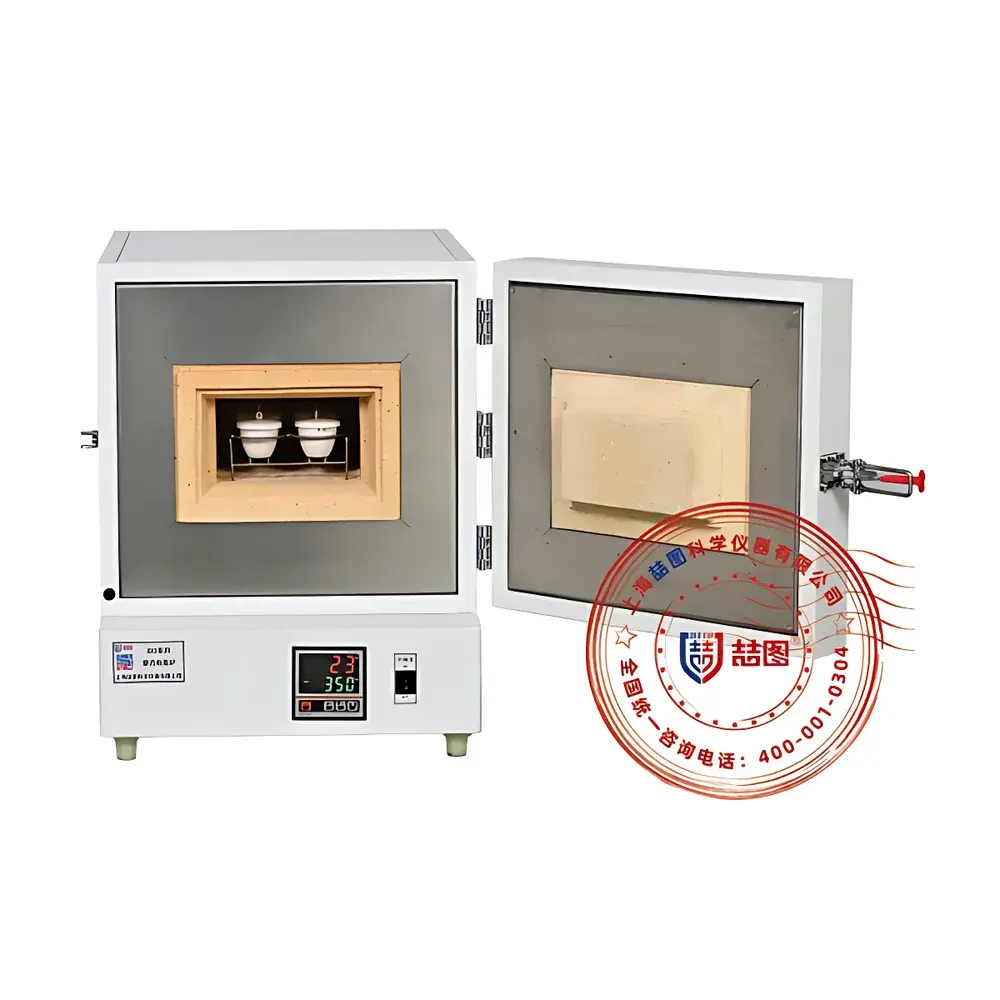
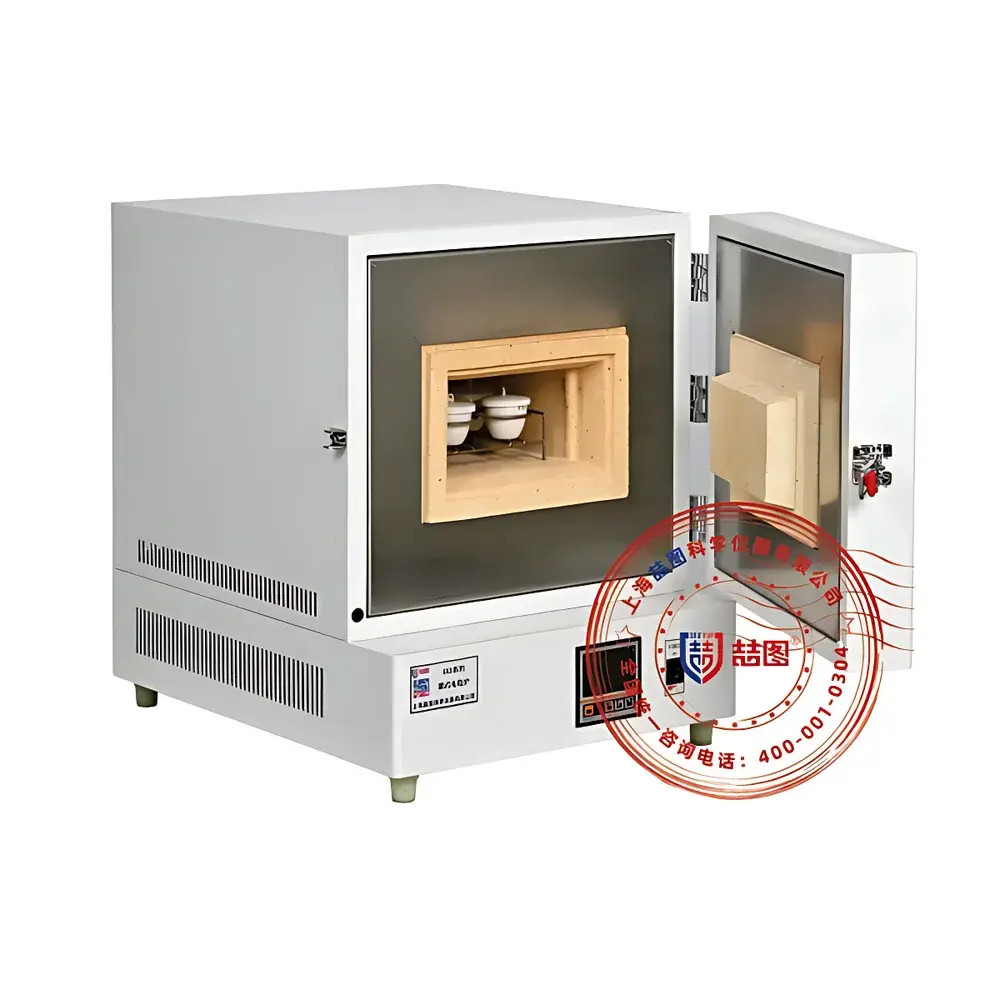
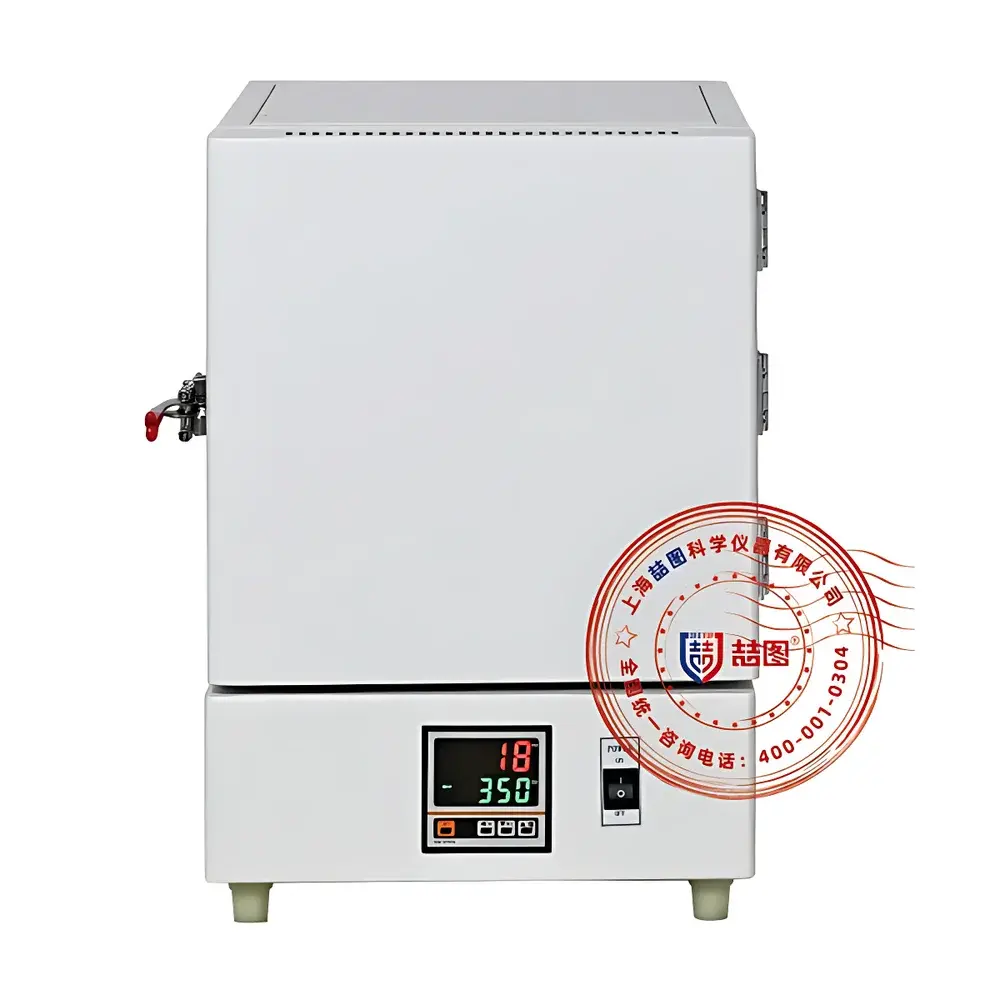
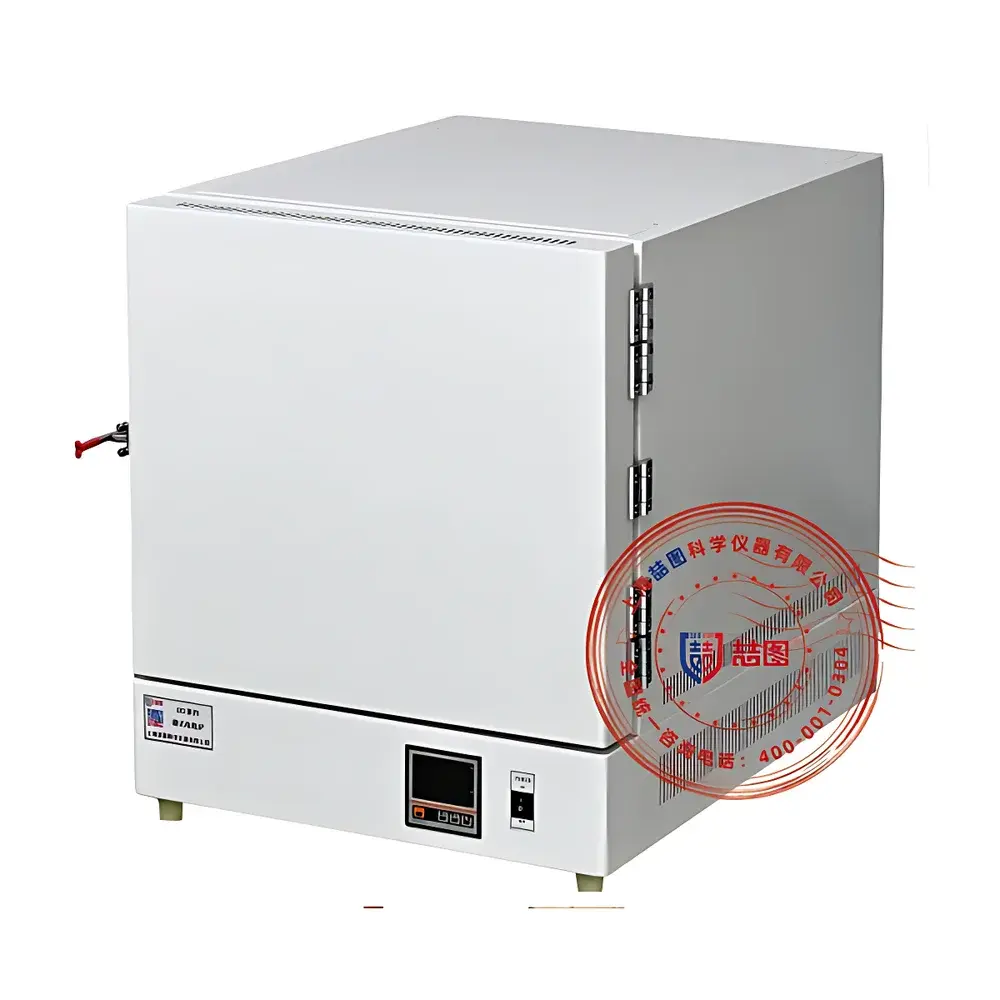
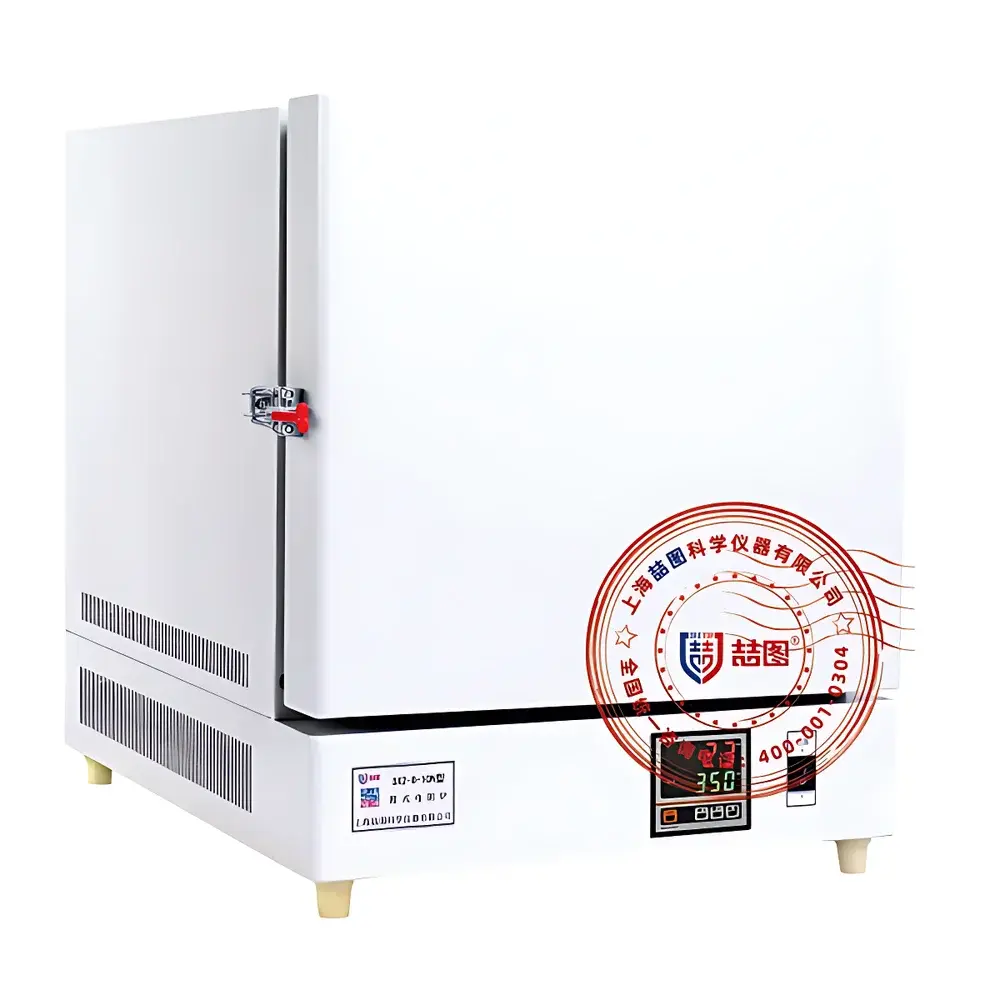
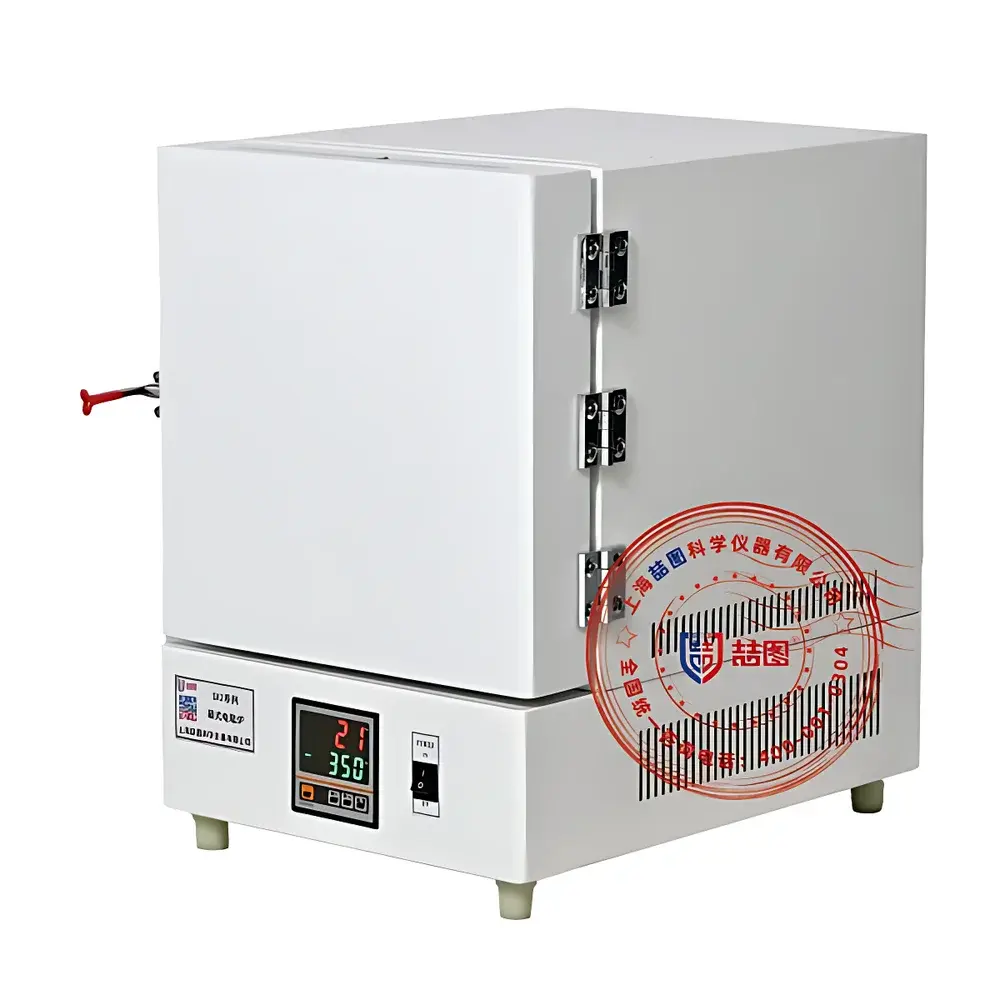
DRETOP NF10-45 Box-Type Muffle Furnace
| Brand | DRETOP |
|---|---|
| Origin | Shanghai, China |
| Manufacturer Type | Direct Manufacturer |
| Regional Classification | Domestic (China) |
| Model | NF10-45 |
| Instrument Type | Box-Type Muffle Furnace |
| Maximum Operating Temperature | 1000 °C |
| Temperature Control Accuracy | ±1 °C |
| Rated Power | 2.5 kW |
| Heating Time to Max Temp | 50 min |
| Heating Element Material | Nickel-Chromium Alloy Wire |
| Internal Chamber Dimensions (W×D×H) | 300 mm × 500 mm × 300 mm |
| Nominal Chamber Volume | 45 L |
| Control System | Microcomputer-Based PID Controller with Digital LED Display |
| Programmable Ramp/Soak Capability | 30-Stage (P-Series Optional) |
| Safety Features | Dual-Level Over-Temperature Protection, Door-Interlocked Power Cut-off, Real-Time Voltage/Current Monitoring, Power-Failure Memory Retention |
Overview
The DRETOP NF10-45 Box-Type Muffle Furnace is a precision-engineered laboratory furnace designed for controlled high-temperature thermal processing in analytical, quality control, and materials research applications. Operating on resistive heating principles, it utilizes embedded nickel-chromium alloy heating elements arranged in a four-wall configuration to generate uniform radiant heat distribution across the insulated chamber. This architecture ensures stable thermal equilibrium and minimizes axial and radial temperature gradients—critical for reproducible ashing, calcination, annealing, and loss-on-ignition (LOI) procedures per ASTM D3174, ISO 1171, and USP <281>. With a maximum operating temperature of 1000 °C and a certified control accuracy of ±1 °C, the NF10-45 meets the thermal stability requirements for standardized coal analysis, cement clinker testing, pharmaceutical excipient validation, and catalyst thermal characterization.
Key Features
- Four-Sided Radiant Heating Architecture: Nickel-chromium alloy heating coils are helically wound and embedded within all four chamber walls, enabling rapid, symmetrical heat transfer and minimizing hot/cold zones—validated by internal thermocouple mapping per IEC 60584-2.
- PID-Controlled Thermal Regulation: A microprocessor-based PID controller with digital LED interface delivers real-time setpoint tracking, automatic tuning, and disturbance rejection—ensuring consistent ramp rates and soak stability over extended durations.
- 30-Stage Programmable Profile (P-Series Option): Supports complex multi-step thermal protocols including ramp-to-setpoint, dwell-at-temperature, and controlled cooling sequences—essential for GMP-compliant method development and GLP audit trails.
- Door-Actuated Safety Interlock: Integrated mechanical switch interrupts power supply upon door opening, eliminating thermal shock to samples and preventing operator exposure to radiant heat—compliant with EN 61000-6-4 electromagnetic compatibility and IEC 61010-1 safety standards.
- Dual-Layer Thermal Insulation: Refractory brick lining (Al₂O₃ ≥92%) combined with high-density ceramic fiber insulation achieves surface temperatures ≤45 °C at ambient conditions, reducing energy consumption and enhancing lab safety.
- Robust Structural Design: Phosphate-conversion coated steel enclosure with high-temperature epoxy powder coating resists oxidation, corrosion, and mechanical wear under repeated thermal cycling.
Sample Compatibility & Compliance
The NF10-45 accommodates standard crucibles (alumina, silica, platinum), ceramic boats, and refractory sample holders up to 300 mm wide × 500 mm deep × 300 mm high. Its uniform 45 L chamber volume supports batch processing of multiple ASTM D3172-compliant coal samples or ISO 6874-certified cement powders without repositioning. The furnace conforms to key regulatory frameworks including FDA 21 CFR Part 11 (when equipped with C-series touchscreen and audit-trail-enabled software), EU RoHS Directive 2011/65/EU, and GB/T 10066.1–2004 (Chinese national standard for industrial resistance furnaces). Optional inert gas inlet (N₂/Ar) enables oxygen-sensitive applications such as metal oxide reduction or carbon residue stabilization.
Software & Data Management
When configured with the optional C-series color touchscreen controller, the NF10-45 provides built-in data logging with timestamped temperature profiles, event-driven alarms (e.g., over-temperature, thermocouple failure), and password-protected user roles (Operator, Technician, Administrator). Data export is supported via USB 2.0 or RS485 Modbus RTU protocol for integration into LIMS or MES platforms. All thermal cycles are stored with immutable metadata—including operator ID, start/stop timestamps, deviation alerts, and calibration verification status—fulfilling ALCOA+ data integrity principles required under GxP environments.
Applications
- Quantitative ash content determination in coal, coke, and biomass per ASTM D3174 and ISO 1171
- Loss-on-ignition (LOI) analysis of soil, cement, and ceramic raw materials (ASTM C114, ISO 11358)
- Thermal decomposition studies of polymers, pharmaceuticals, and battery cathode precursors
- Pre-treatment of catalyst supports and activated carbon regeneration
- Calibration and verification of thermocouples and RTDs using fixed-point reference materials
- Heat treatment of metallurgical samples for microstructural homogenization prior to SEM/EDS analysis
FAQ
What is the recommended maintenance interval for the heating elements and insulation?
Heating elements require visual inspection every 200 operational hours; refractory lining integrity should be verified quarterly using infrared thermography to detect localized hot spots indicative of fiber degradation.
Can the NF10-45 be integrated into an automated lab workflow?
Yes—via RS485 Modbus RTU or optional 4–20 mA analog output, enabling remote start/stop, setpoint modulation, and real-time temperature feedback to PLC or SCADA systems.
Is the furnace suitable for use in Class 100 cleanroom environments?
While not rated for ISO 14644-1 certification, its sealed chamber design and low particulate emission profile (verified per ASTM F50) make it compatible with cleanroom-adjacent prep areas when coupled with HEPA-filtered exhaust ducting.
Does the controller support NIST-traceable calibration reporting?
The P- and C-series controllers log calibration events with operator signature, reference standard ID, and as-found/as-left deviation data—exportable in CSV format for inclusion in metrology records.



