
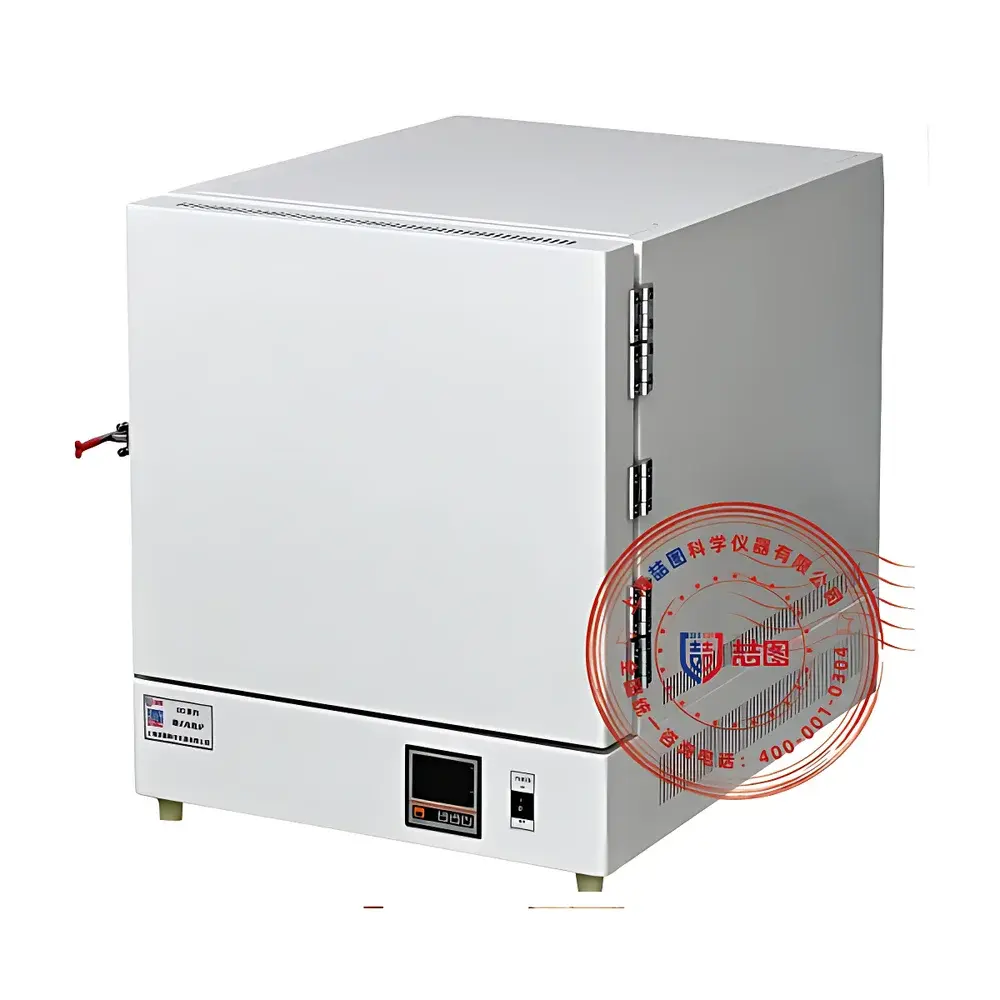
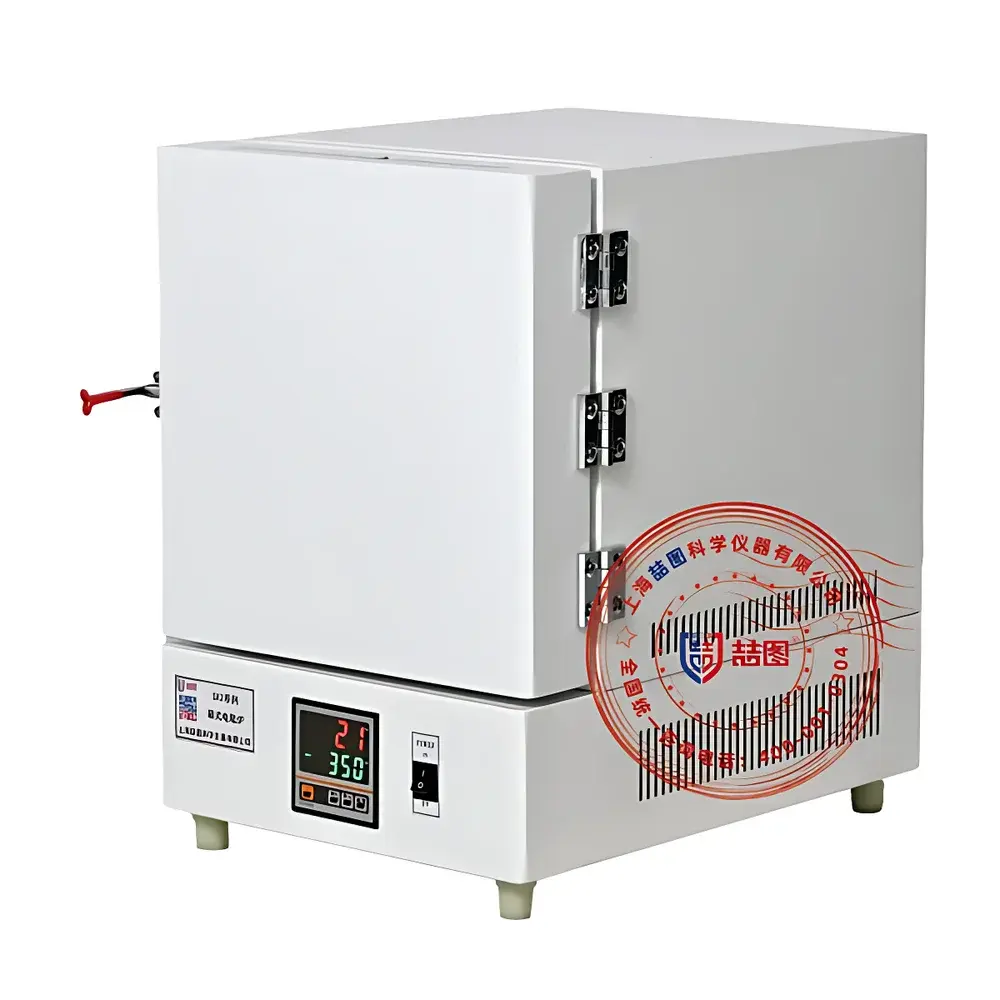
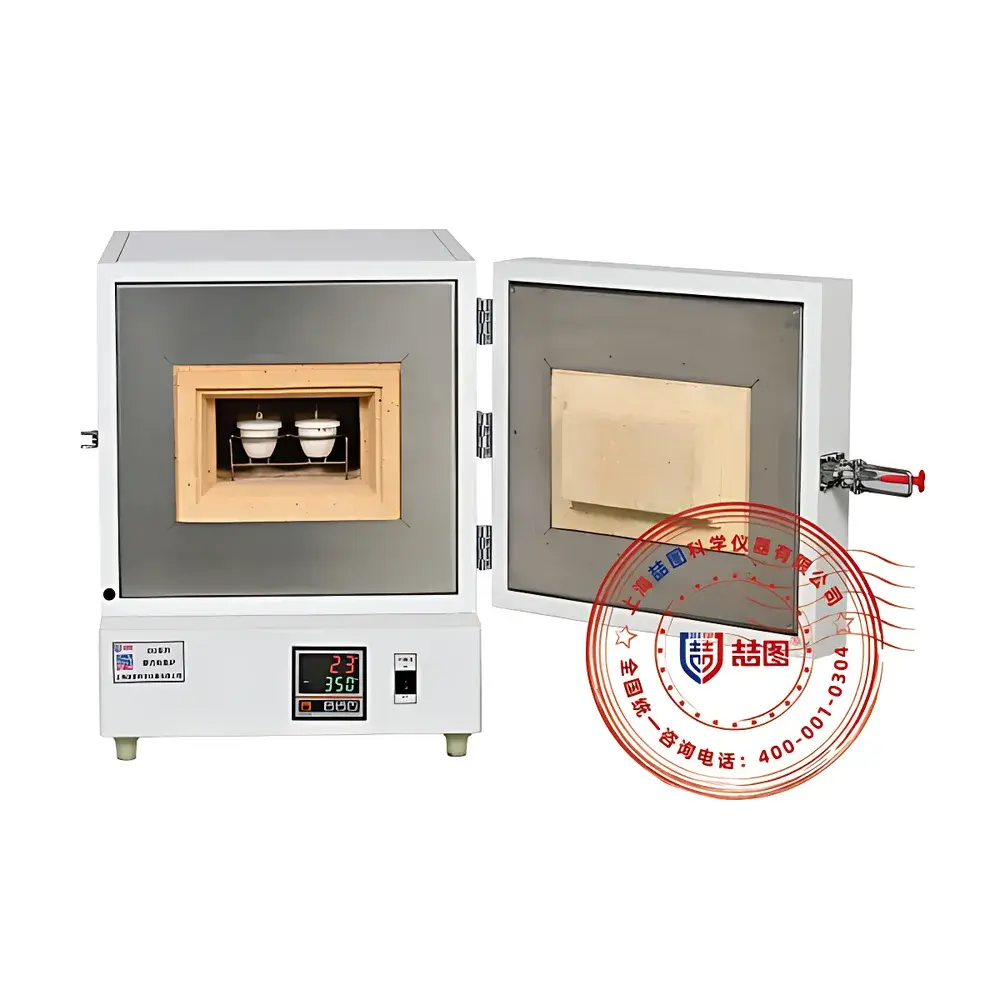
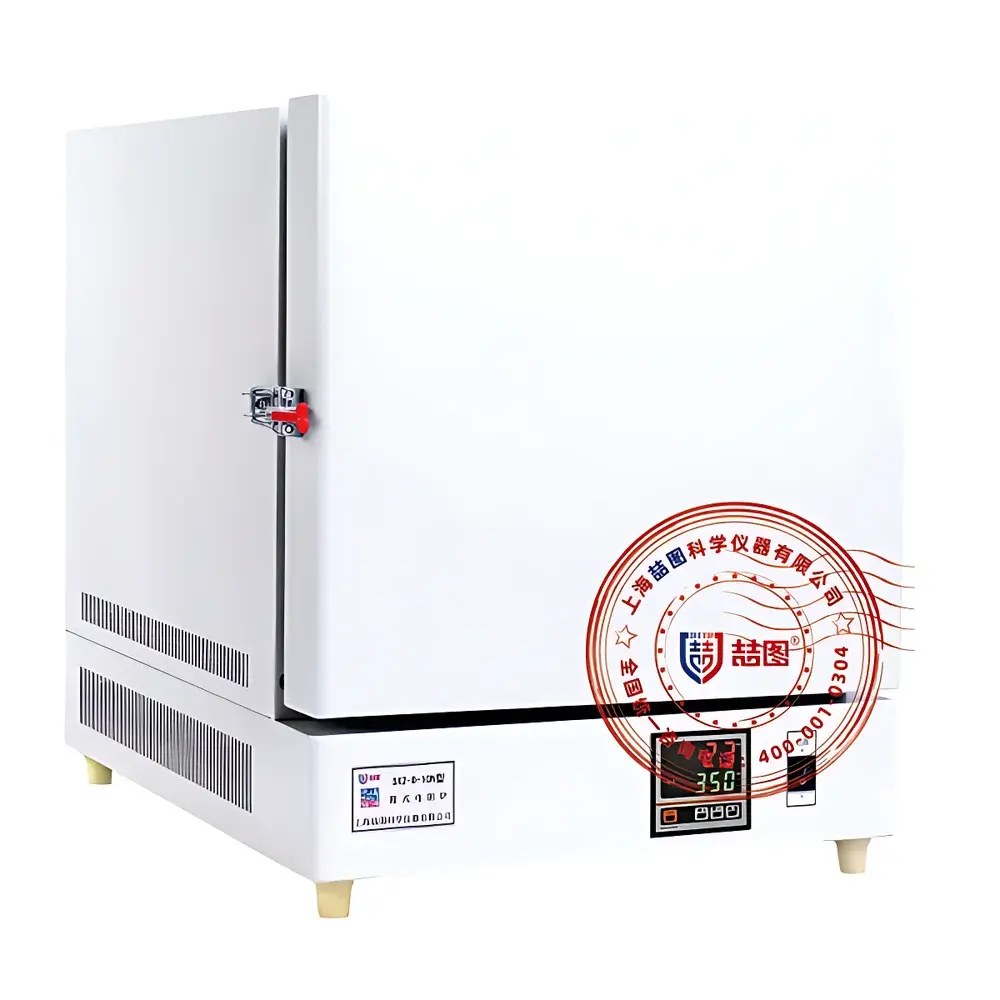
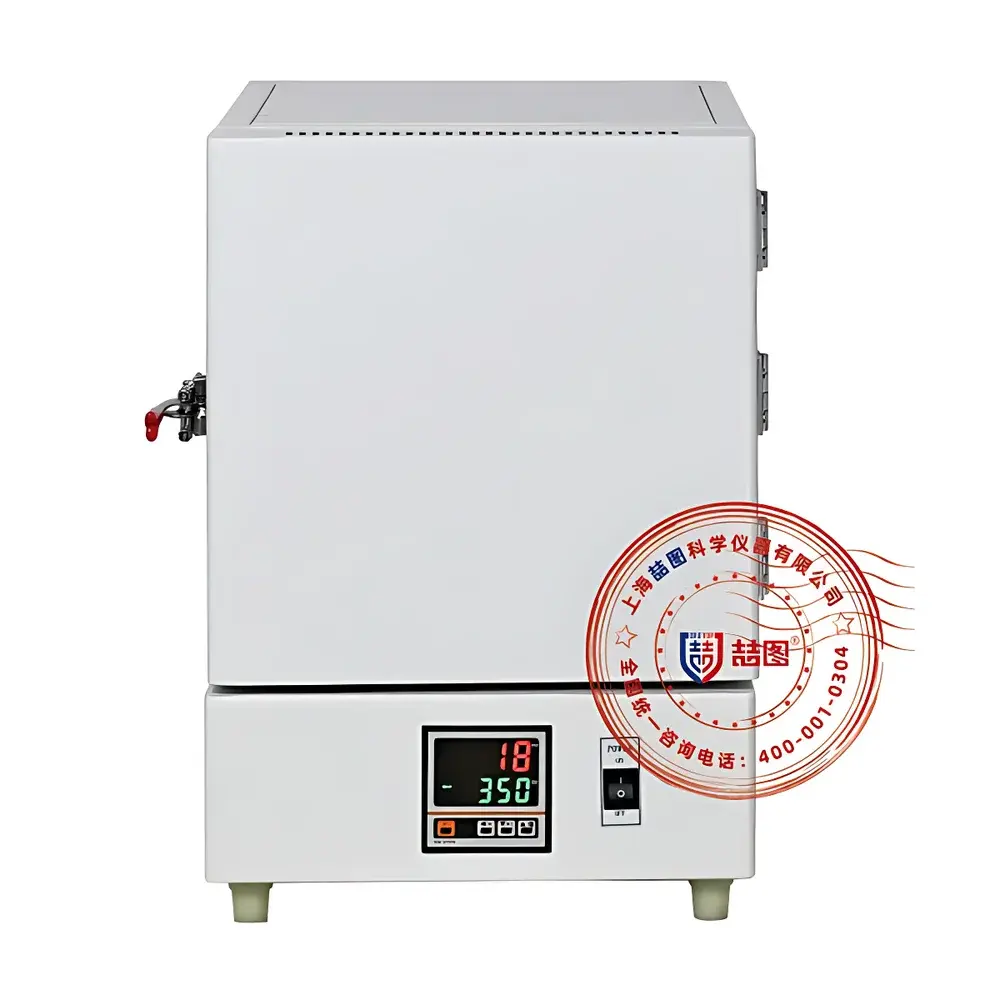
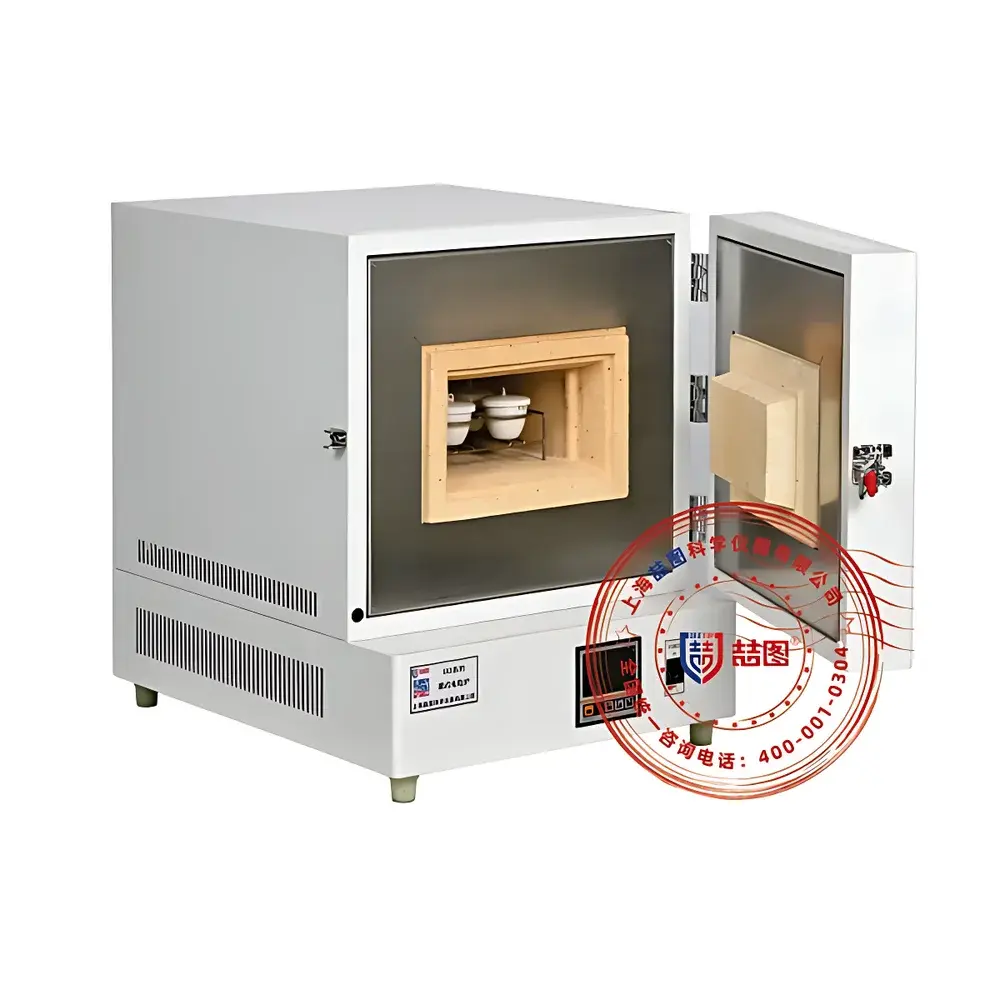
DRETOP NF12-16C Box-Type Resistance Furnace
| Brand | DRETOP |
|---|---|
| Origin | Shanghai, China |
| Model | NF12-16C |
| Instrument Type | Box-Type Muffle Furnace |
| Maximum Temperature | 1200 °C |
| Temperature Control Accuracy | ±1 °C |
| Rated Power | 8000 W |
| Internal Chamber Dimensions (W×D×H) | 250 mm × 400 mm × 160 mm |
| Nominal Volume | 16 L |
| Heating Element Material | Nickel-Chromium Alloy |
| Control System | Programmable PID Controller (30-Stage Ramp/Soak Profile) |
| Safety Features | Dual-Stage Over-Temperature Protection, Door-Interlocked Power Cut-off, Real-Time Voltage/Current Monitoring, Auto-Restart After Power Recovery |
| Insulation | Refractory Brick Lining with High-Density Ceramic Fiber Backup |
| Compliance | Designed for ASTM E1112, ISO 7888, and GLP-compliant thermal processing workflows |
Overview
The DRETOP NF12-16C is a precision-engineered box-type resistance furnace designed for laboratory-scale thermal processing under controlled atmospheric conditions. Operating on Joule heating principles, it employs high-stability nickel-chromium alloy heating elements embedded in a four-wall refractory brick chamber to deliver uniform radiant heat distribution across the entire 16 L working volume. With a maximum operating temperature of 1200 °C and a certified control accuracy of ±1 °C, the furnace supports reproducible calcination, ashing, sintering, annealing, and heat-treatment protocols essential in materials science, geochemical analysis, pharmaceutical stability testing, and quality control laboratories. Its muffle configuration isolates samples from direct contact with heating elements and combustion byproducts—ensuring contamination-free thermal exposure compliant with ASTM D3174 (ash content), ISO 1171 (determination of ash), and USP heavy metals preparation methods.
Key Features
- Four-wall heating architecture with spiral-wound NiCr elements ensures exceptional temperature uniformity (±3 °C at 1200 °C across the working zone), validated per IEC 60068-3-5 thermal mapping requirements.
- 30-segment programmable PID controller enables precise ramp-soak profiles—including multi-step heating, hold-and-cool cycles, and automatic termination—supporting method development per FDA 21 CFR Part 11–compliant electronic records when paired with optional RS485 interface and audit-trail-enabled software.
- Dual-stage over-temperature protection: primary limit set at 1220 °C via independent thermocouple; secondary mechanical cut-off at 1250 °C, both triggering audible/visual alarms and forced power disengagement.
- Door-interlocked safety circuit halts all heating immediately upon door opening—eliminating thermal shock risk to samples and operator exposure—and resumes operation automatically after closure, maintaining programmed sequence integrity.
- Robust dual-layer insulation system: dense firebrick lining (Al₂O₃ ≥ 92%) backed by low-conductivity ceramic fiber board (≤ 0.08 W/m·K at 1000 °C) minimizes surface temperature rise (35% versus single-layer designs.
- Front-panel digital display with real-time voltage/current monitoring allows continuous verification of electrical load integrity—critical for detecting element degradation or phase imbalance in three-phase AC380V configurations.
Sample Compatibility & Compliance
The NF12-16C accommodates standard crucibles (alumina, quartz, silicon carbide), ceramic boats, and metal sample holders up to 200 mm in height. Its sealed muffle chamber supports inert gas purging (via optional inlet valve) for reducing or controlled-atmosphere applications—validated for use with N₂, Ar, and forming gas mixtures per ISO 8501-1 surface preparation standards. The furnace meets structural and operational requirements for GLP and GMP environments: full traceability of calibration certificates (Type S thermocouple, NIST-traceable), documented thermal validation reports (IQ/OQ/PQ templates available), and compatibility with third-party data loggers satisfying EN 12830 cold-chain monitoring equivalency for thermal process verification.
Software & Data Management
While the base unit operates via standalone front-panel control, optional integration includes RS485 Modbus RTU communication for connection to LabVIEW™, MATLAB®, or custom SCADA systems. The NC-series color touchscreen variant (available as upgrade) provides real-time temperature curve visualization, user-level access control (engineer/operator/admin tiers), password-protected parameter editing, and CSV export of time-stamped temperature/voltage/current logs. All firmware versions maintain full audit trail functionality—including user ID, timestamp, action type, and pre/post-value changes—aligned with FDA 21 CFR Part 11 Subpart B electronic signature and record retention mandates.
Applications
- Coal and coke analysis: ash fusion temperature determination (ASTM D1857), volatile matter assay (ASTM D3175), and fixed carbon quantification.
- Pharmaceutical excipient thermal degradation profiling under ICH Q1A(R2) stability testing guidelines.
- Cement clinker phase transformation studies (e.g., C₃S formation kinetics) requiring sustained 1200 °C holds.
- Residue-on-ignition testing for inorganic impurities in APIs and intermediates (USP , EP 2.4.15).
- Pre-treatment of catalyst supports (γ-Al₂O₃, SiO₂) prior to impregnation or calcination steps.
- Calibration of thermogravimetric analyzers (TGA) using certified reference materials (CRMs) traceable to NIST SRM 720.
FAQ
What is the recommended calibration frequency for the NF12-16C?
Annual calibration against NIST-traceable reference thermocouples is advised; quarterly verification using calibrated portable thermometers is recommended for GLP/GMP operations.
Can the furnace operate continuously at 1200 °C?
Yes—rated for uninterrupted operation up to 1200 °C with proper ventilation and periodic inspection of heating elements per manufacturer maintenance schedule.
Is the internal chamber resistant to acidic fumes during ashing?
The alumina-rich refractory brick lining provides excellent resistance to weak acids; for strong acid ashing (e.g., HCl/HNO₃ digestion residues), optional quartz or silicon carbide crucible liners are recommended.
Does the furnace support nitrogen purge for oxygen-sensitive samples?
Yes—when equipped with the optional inert gas inlet valve (G1/4″ BSP), flow rates of 0.5–2 L/min can be maintained to achieve O₂ levels <100 ppm within the chamber.
What documentation is provided for regulatory submissions?
Factory calibration certificate, CE Declaration of Conformity, RoHS compliance statement, and IQ/OQ protocol templates are included; PQ support available upon request.



