

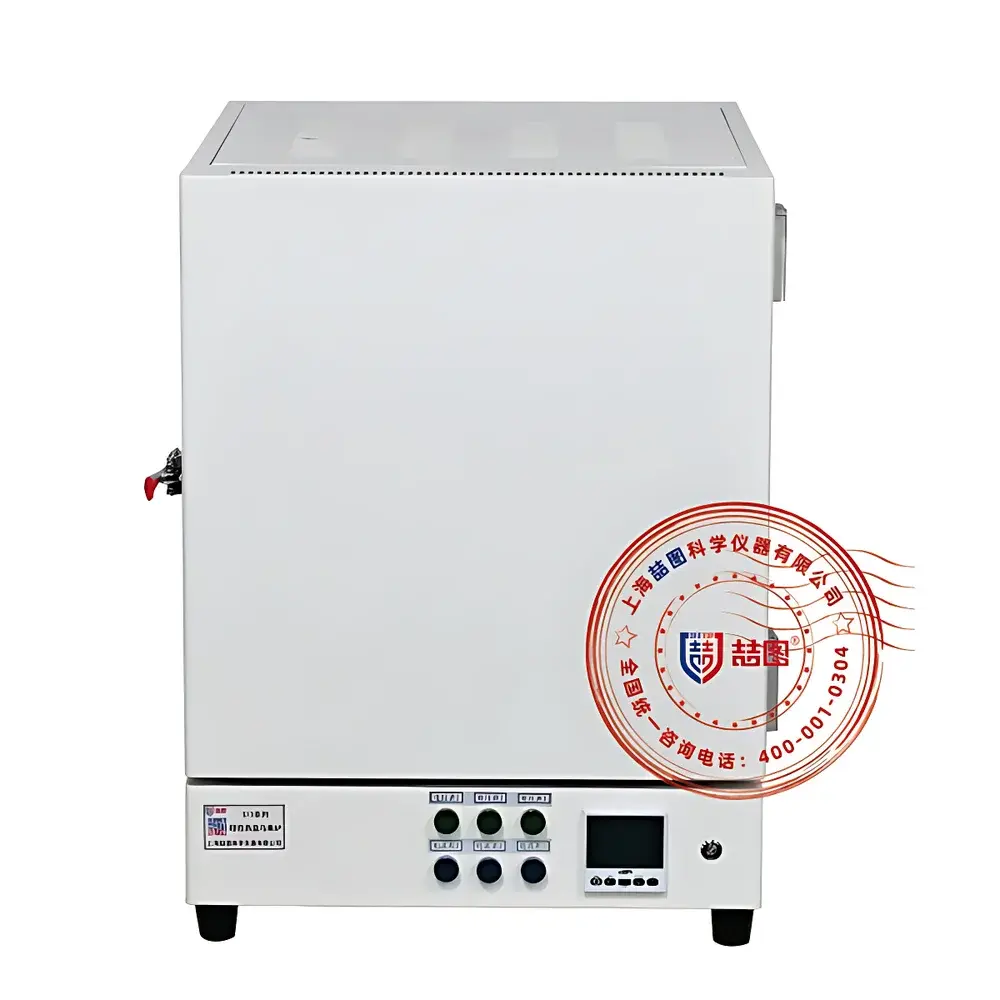
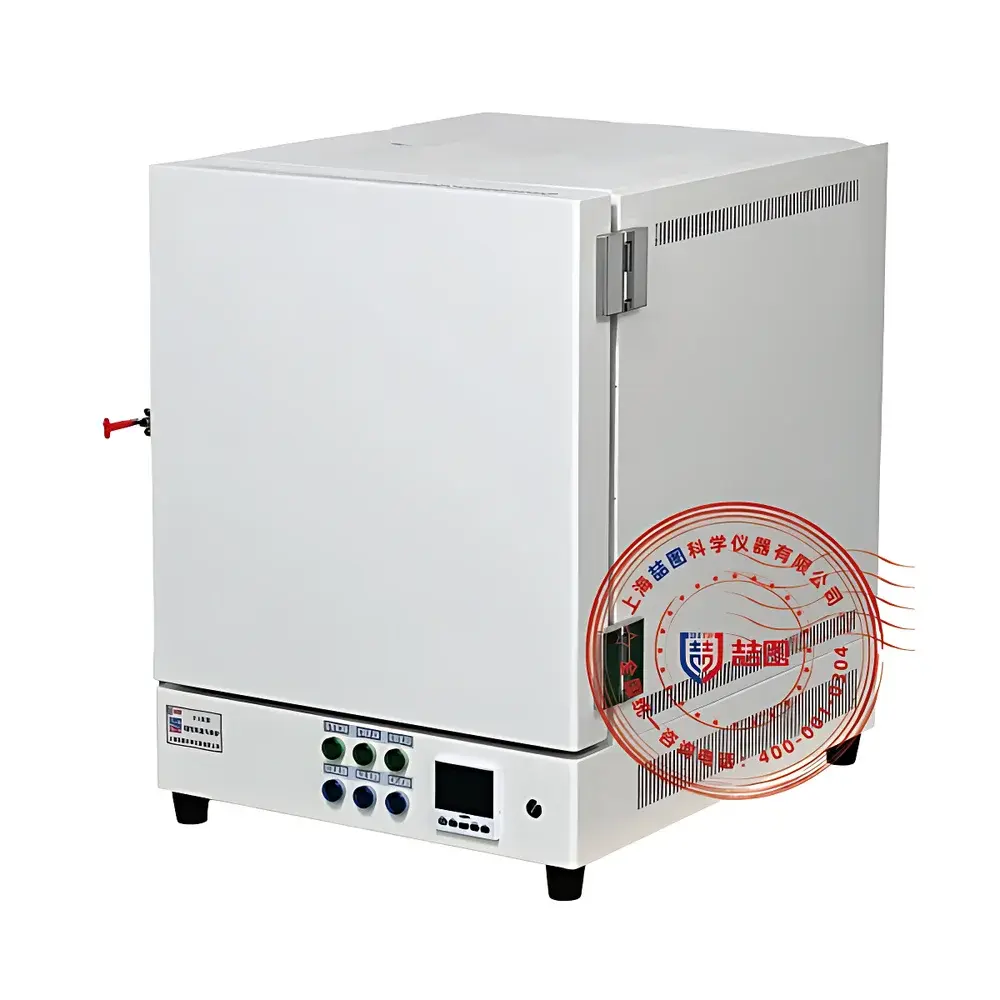
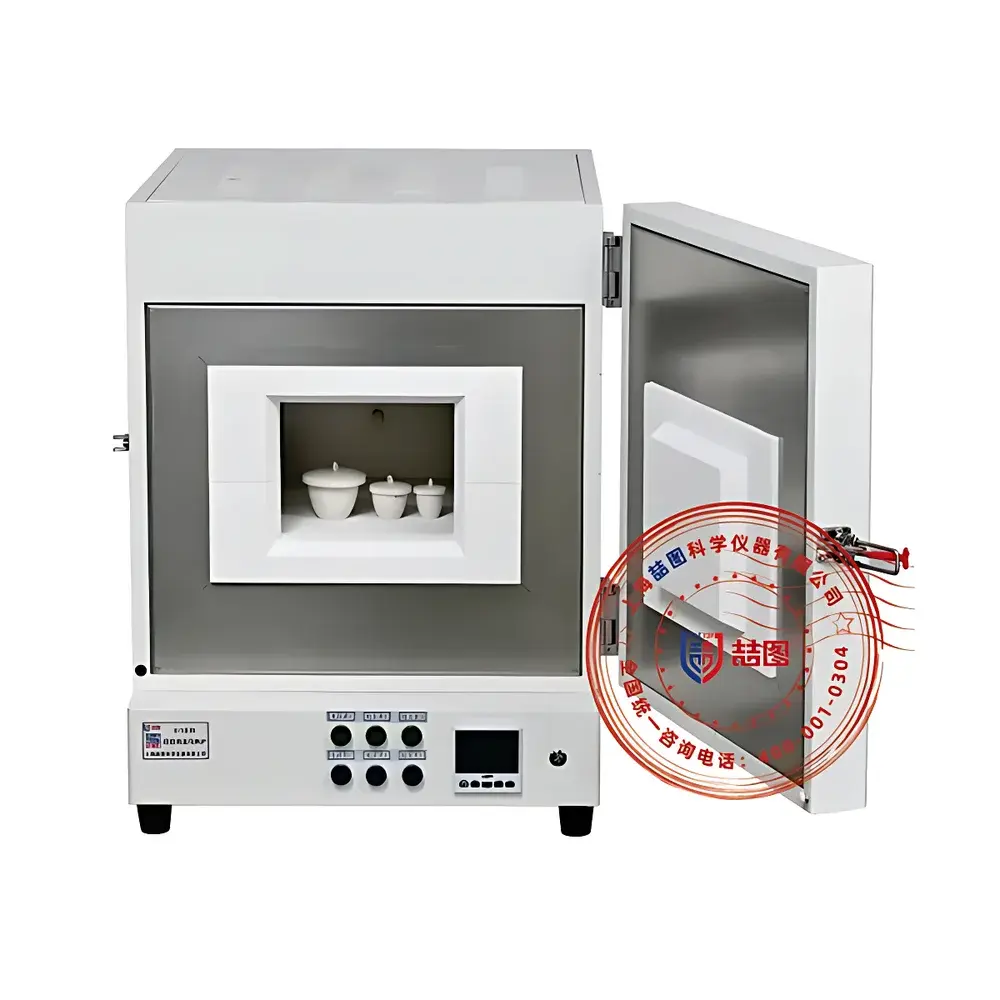
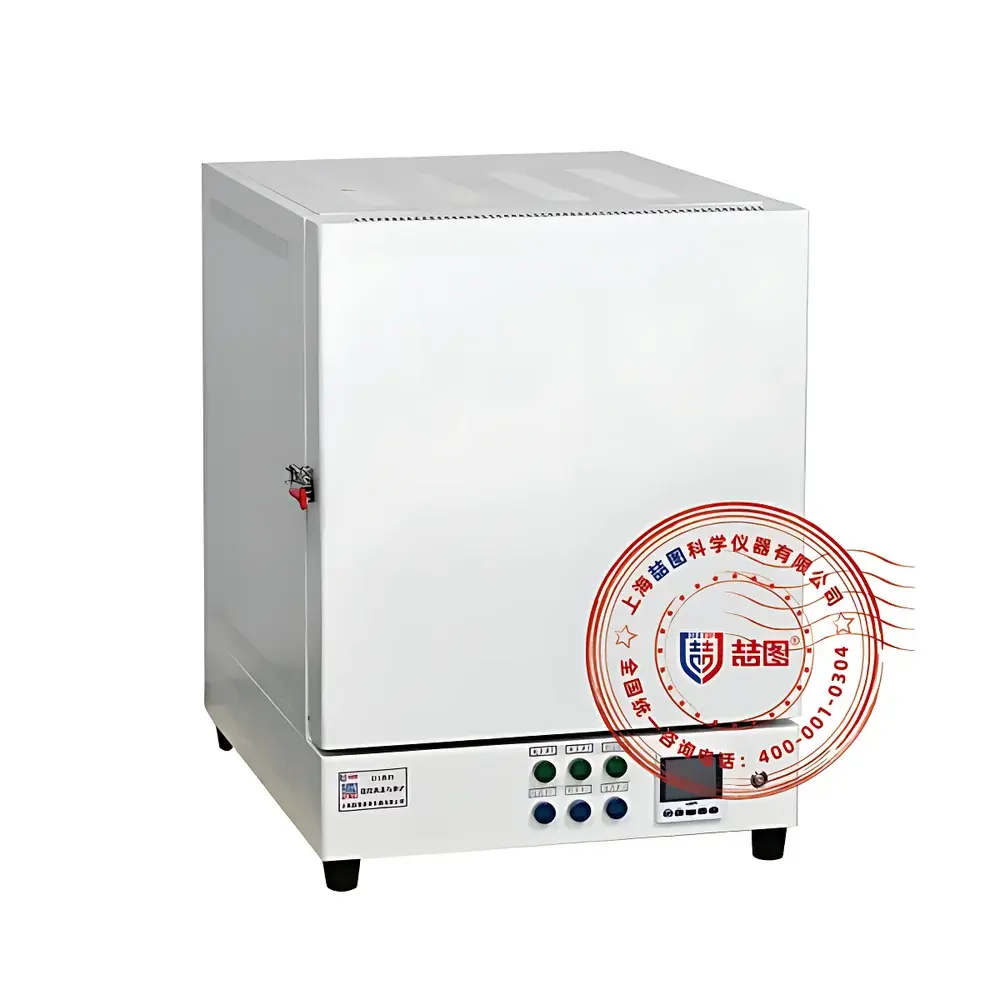
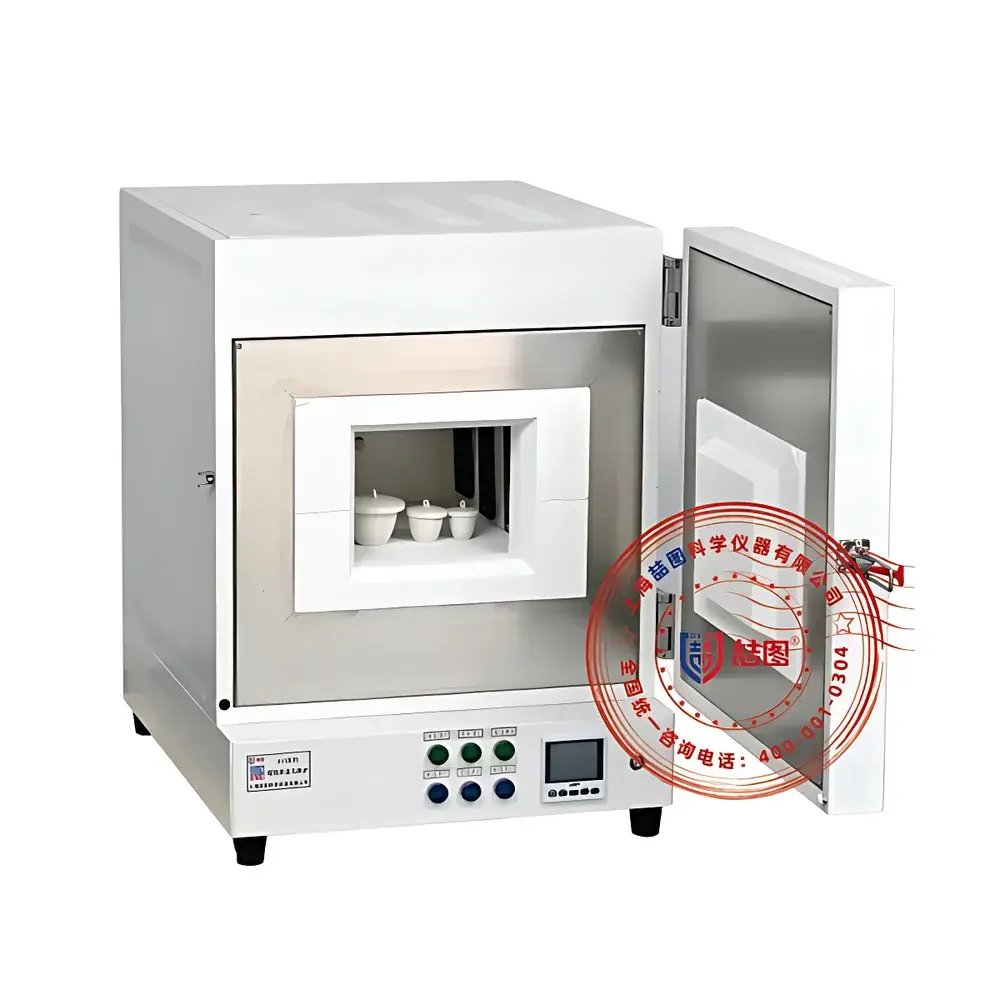
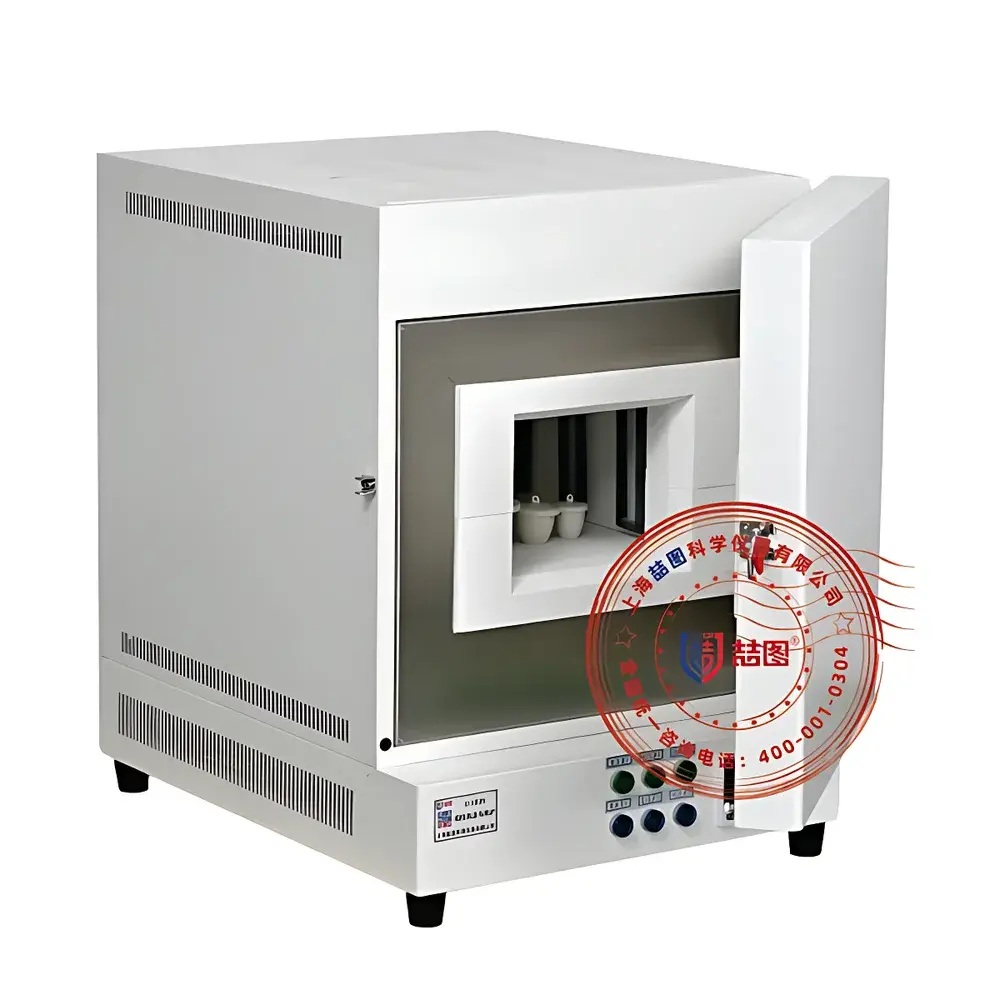
DRETOP S13-36PV-II Programmable High-Temperature Box-Type Muffle Furnace
| Brand | DRETOP |
|---|---|
| Origin | Shanghai, China |
| Manufacturer Type | Direct Manufacturer |
| Instrument Type | Box-Type Muffle Furnace |
| Maximum Temperature | 1300 °C |
| Temperature Control Accuracy | ±1 °C |
| Rated Power | 15 kW |
| Time to Max Temperature | 50 min |
| Heating Element | Silicon Carbide Rods |
| Internal Chamber Dimensions | 300 × 400 × 300 mm |
| Nominal Volume | 36 L |
| Control System | Expandable Full-Color Touchscreen Controller |
Overview
The DRETOP S13-36PV-II is a programmable high-temperature box-type muffle furnace engineered for precision thermal processing in research laboratories, quality control facilities, and industrial R&D environments. It operates on the principle of resistive heating via silicon carbide (SiC) rods embedded in three walls of the chamber, enabling uniform radiant heat distribution and rapid thermal response. Designed for applications requiring strict thermal profiles—including ashing, calcination, sintering, heat treatment, and thermal gravimetric pre-conditioning—the furnace delivers stable, repeatable temperature control from ambient +50 °C up to 1300 °C. Its structural integrity, thermal insulation architecture, and intelligent control system align with international laboratory equipment standards for safety, reproducibility, and long-term operational reliability.
Key Features
- Triple-wall SiC rod heating configuration ensures symmetrical heat radiation and minimizes axial/radial temperature gradients across the 36 L chamber.
- Expandable full-color touchscreen controller with multi-stage program capability—supports ramp/soak profiles, rate-limited heating/cooling, auto-stop on completion, and real-time curve visualization.
- Intelligent PID algorithm with auto-tuning function; includes upper/lower limit alarms, positive/negative deviation alerts, and adaptive compensation for ambient temperature fluctuations.
- Robust thermal enclosure: vacuum-microporous ceramic fiber insulation (low thermal conductivity, <0.12 W/m·K at 1000 °C), 2 cm stainless steel inner sealing flange, and phosphate-coated & powder-coated steel housing for corrosion resistance.
- Dual-level safety architecture: independent over-temperature cutoff (OTC) circuit, thermocouple break detection, phase-loss monitoring, and automatic power interruption upon door opening—compliant with IEC 61000-6-2 EMC immunity requirements.
- Front-access door with precision-machined refractory gasket and mechanical latch ensures tight thermal seal; integrated heat-deflecting baffle reduces convection loss at the aperture.
Sample Compatibility & Compliance
The S13-36PV-II accommodates standard crucibles (alumina, quartz, graphite, or platinum), ceramic boats, and small metallic specimens up to 300 mm in length. Its uniform ±2 °C temperature homogeneity (measured per ASTM E220-22 at 1000 °C, 3-point mapping) supports standardized test methods including ASTM D3174 (ash content), ASTM D3175 (volatile matter), ISO 1171 (determination of ash), and USP & EP monographs for residual solvent and heavy metal testing. The furnace meets general electrical safety requirements per IEC 61010-1 and is suitable for GLP/GMP environments when paired with audit-trail-capable software (via optional RS485/USB interface). Optional inert gas inlet (N₂/Ar) enables controlled-atmosphere treatments compliant with ISO 8501-1 surface preparation protocols.
Software & Data Management
The PV-II series controller supports data logging at user-defined intervals (1–60 s resolution) with timestamped CSV export via USB flash drive. Optional communication modules (RS485 Modbus RTU, USB CDC) enable integration into centralized LIMS or SCADA platforms. Firmware includes configurable engineer-level access tiers (three password-protected levels), electronic signature support for critical parameter changes, and non-volatile memory retention for ≥10,000 program cycles. When used with validated third-party software, the system satisfies FDA 21 CFR Part 11 requirements for electronic records and signatures—including audit trail generation, user authentication, and change control logs.
Applications
- Materials science: ash residue analysis of polymers, catalyst support calcination, ceramic green-body densification, and metal oxide synthesis.
- Environmental testing: EPA Method 2540C (total suspended solids ashing), ASTM D7580 (petroleum coke ash determination), and ISO 14852 (biodegradability screening).
- Pharmaceutical QA/QC: USP residue on ignition, heavy metals testing per USP , and excipient thermal stability profiling.
- Coal & energy sector: ASTM D3172–D3176 proximate analysis, ash fusion temperature determination (ASTM D1857), and elemental composition prep (ICP-OES sample digestion support).
- Academic research: solid-state reaction kinetics, phase transformation studies, and calibration of thermogravimetric analyzers (TGA).
FAQ
What is the maximum recommended continuous operating temperature?
The furnace is rated for continuous operation at 1300 °C; intermittent use up to 1320 °C is permissible with reduced element lifetime.
Can this furnace be operated under inert or reducing atmospheres?
Yes—when equipped with the optional inert gas inlet kit (including mass flow controller and sealed feedthrough), it supports N₂, Ar, or forming gas (5% H₂/95% N₂) environments up to 1100 °C.
Is the touchscreen controller compatible with external PC-based data acquisition systems?
Yes—via RS485 (Modbus RTU) or USB virtual COM port; drivers and register maps are provided in the technical documentation package.
How is temperature uniformity verified and documented?
Uniformity is validated using three calibrated Type-S thermocouples placed at center, top-front corner, and bottom-rear corner per ASTM E220; certificate of conformance is included with each unit.
What maintenance intervals are recommended for silicon carbide heating elements?
Under normal usage (≤12 h/day at ≤1200 °C), SiC rods typically require inspection every 6 months and replacement every 18–24 months depending on thermal cycling frequency and atmosphere conditions.



