

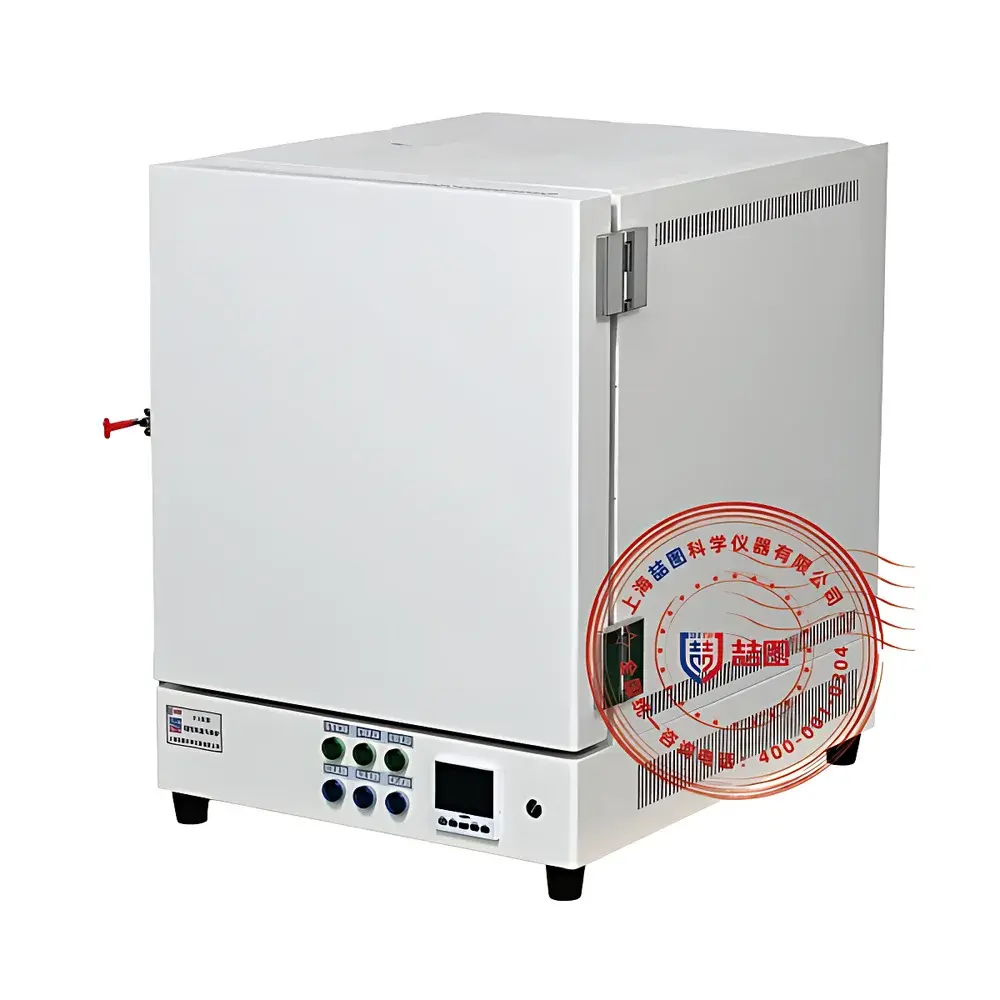
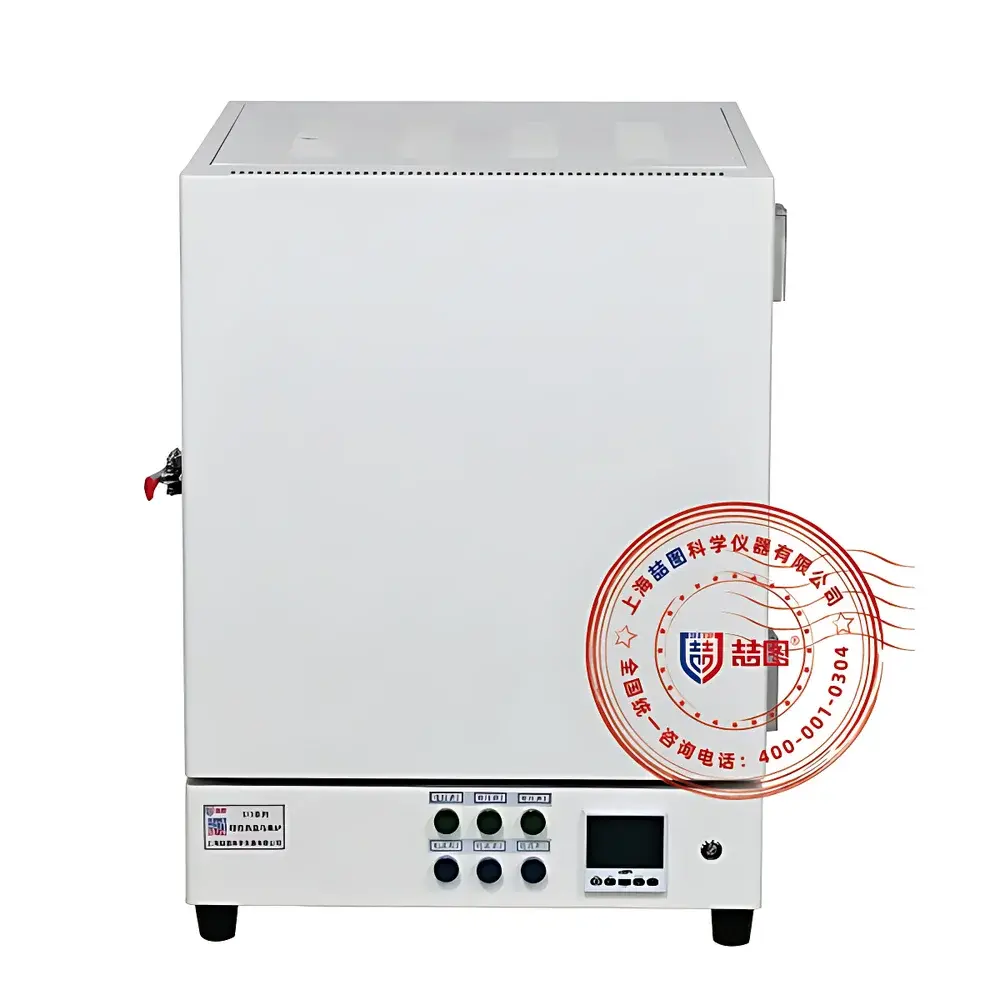
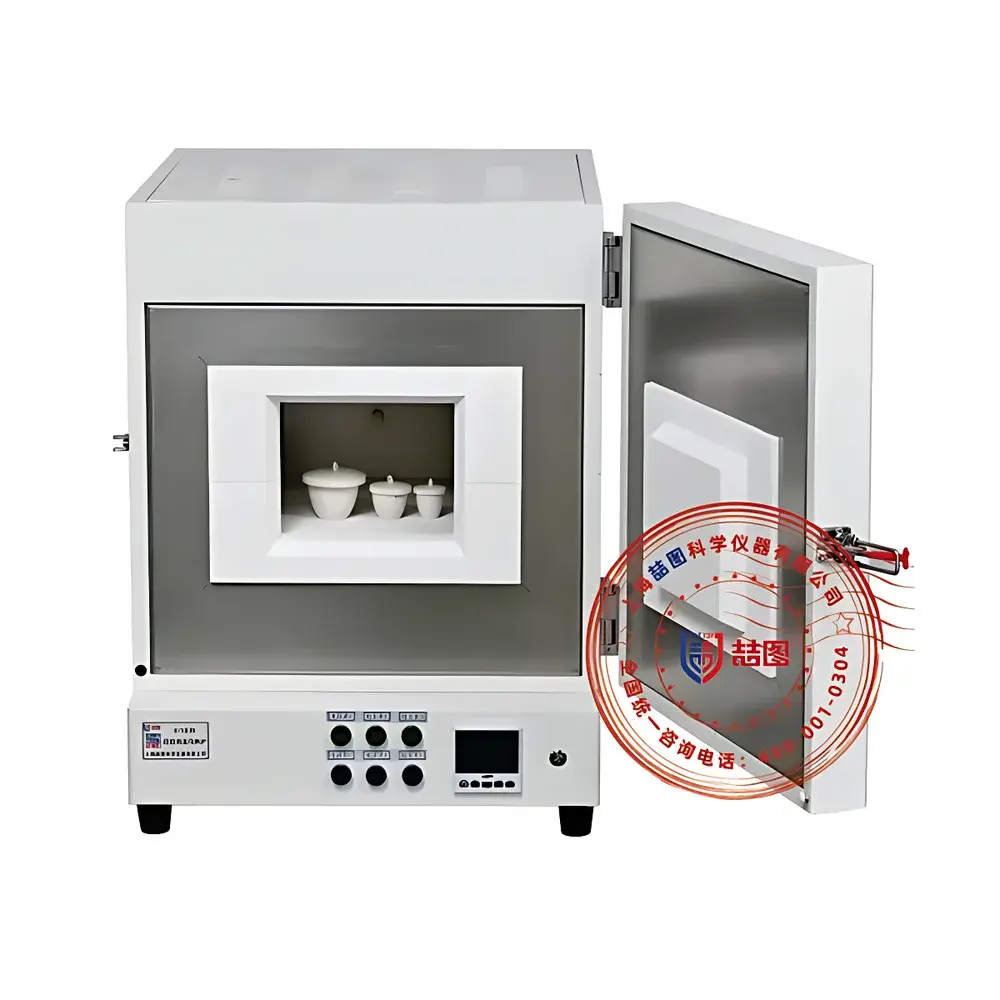
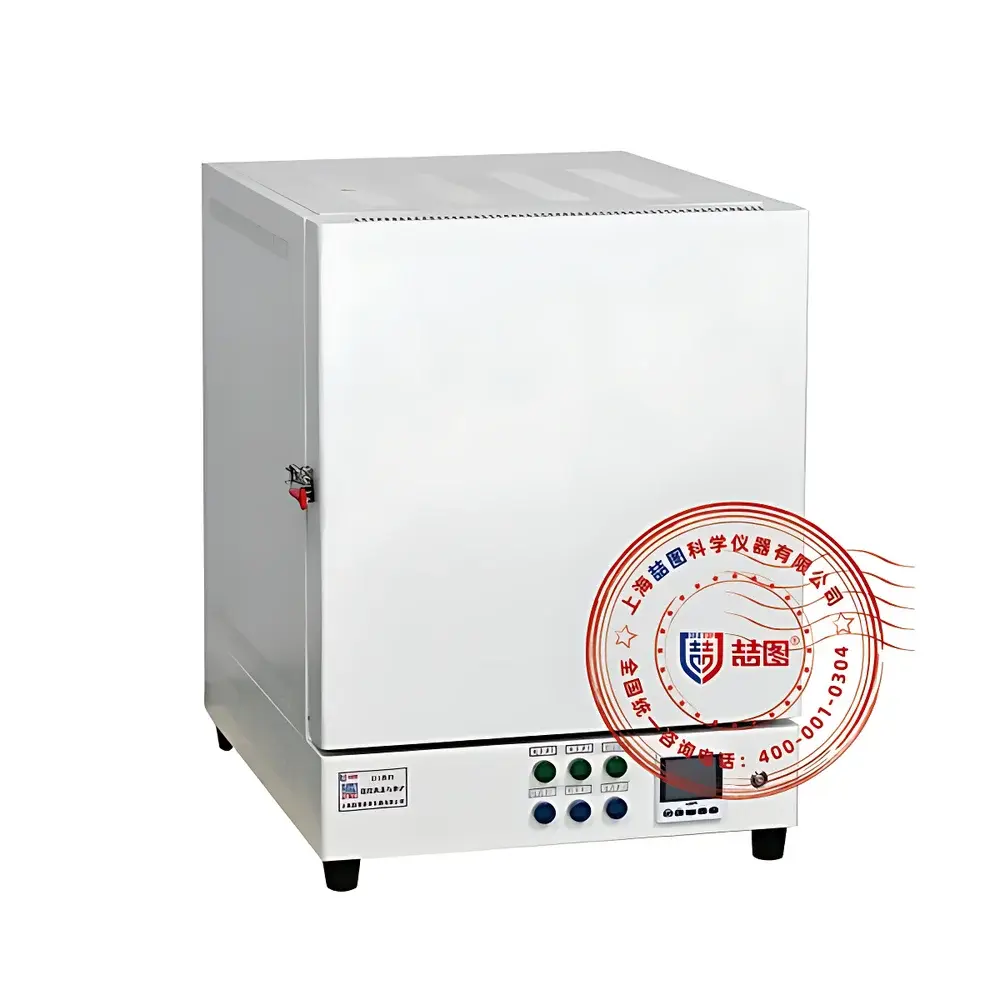
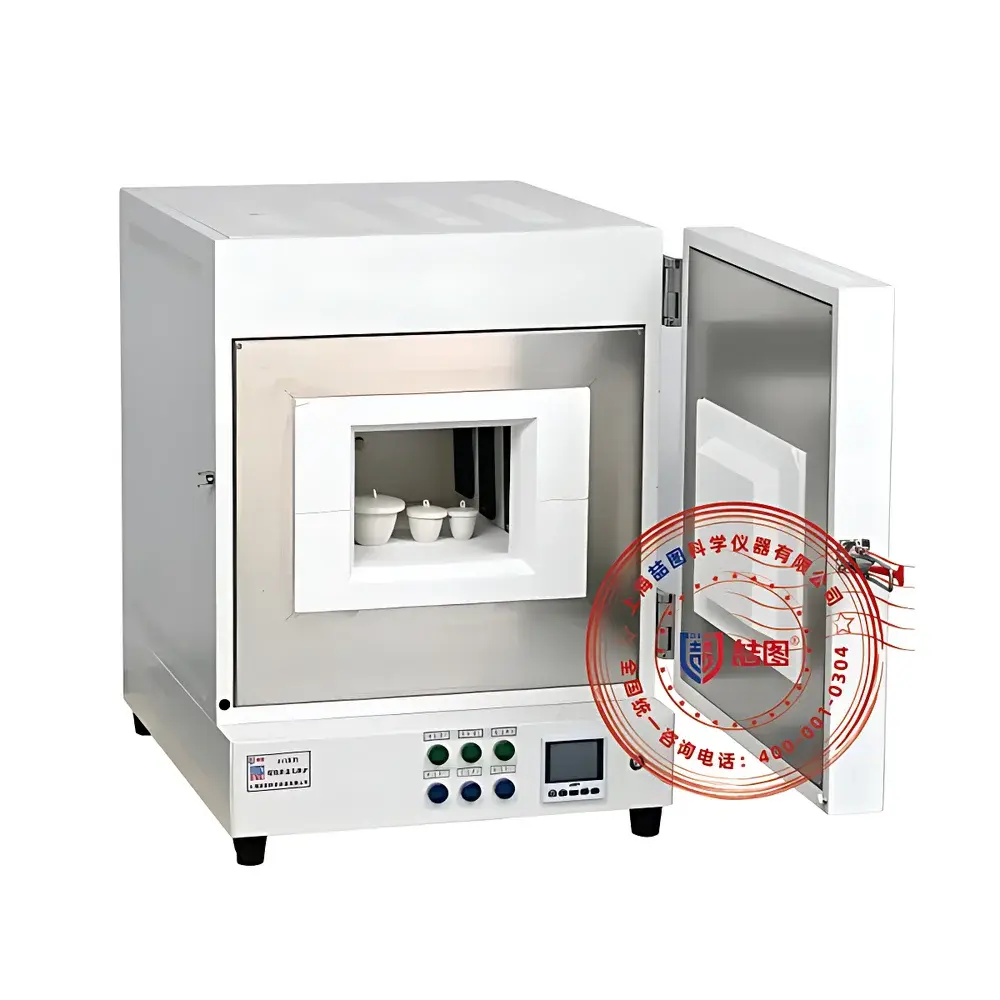
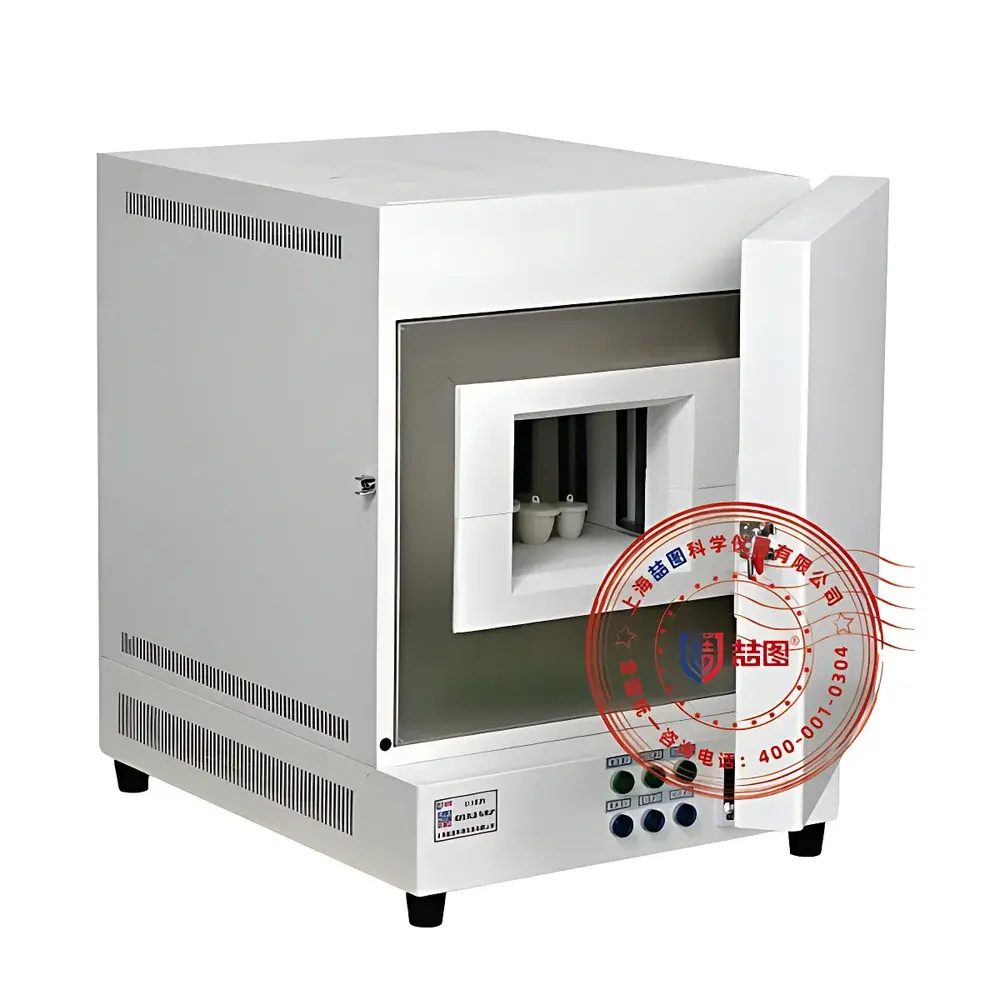
DRETOP S13-4P Programmable High-Temperature Muffle Furnace
| Brand | DRETOP |
|---|---|
| Origin | Shanghai, China |
| Manufacturer Type | Direct Manufacturer |
| Product Category | Domestic |
| Model | S13-4P |
| Instrument Type | Box-Type Muffle Furnace |
| Maximum Temperature | 1300 °C |
| Temperature Control Accuracy | ±1 °C |
| Rated Power | 4 kW |
| Heating Time to Max Temp | 50 min |
| Heating Element | Silicon Carbide Rods |
| Internal Chamber Dimensions | 150 × 250 × 100 mm |
| Control System | AI-Based Fuzzy PID Controller |
| Nominal Volume | 4 L |
Overview
The DRETOP S13-4P Programmable High-Temperature Muffle Furnace is a precision-engineered box-type thermal processing instrument designed for repeatable, programmable heat treatment in research laboratories, quality control facilities, and industrial R&D environments. Operating on the principle of resistive heating via silicon carbide (SiC) rod elements embedded in a triple-wall ceramic fiber insulation matrix, the furnace delivers uniform radiant heat distribution across its chamber—enabling accurate thermal profiles for ashing, calcination, sintering, annealing, and pre-treatment of analytical samples. Its maximum operating temperature of 1300 °C complies with standard thermal protocols in ASTM E1112 (ash content determination), ISO 562 (volatile matter in coal), and USP & EP methods for pharmaceutical residue-on-ignition testing. The unit is engineered for stable long-term operation under cyclic thermal stress, with structural integrity validated through repeated open-door thermal shock testing per IEC 61000-4-11.
Key Features
- AI-based fuzzy PID temperature controller with auto-tuning capability, supporting ramp/soak programming, deviation alarms (±0.5–5 °C adjustable), and dual-limit overtemperature protection;
- Triple-sided SiC heating configuration ensures radial and axial thermal symmetry; measured temperature uniformity is ≤±3 °C within the working zone at 1300 °C (per DIN 17052-1 verification method);
- Reinforced vacuum-microporous ceramic fiber chamber (density: 180–220 kg/m³) with stainless steel inner lining (2 mm thick AISI 304) for corrosion resistance and ease of cleaning after high-temperature ashing;
- Integrated door interlock system: automatic power cutoff upon door opening, with seamless resumption of programmed sequence upon closure;
- Front-mounted digital display panel (LED or optional color touchscreen) showing real-time temperature, setpoint, elapsed time, and fault codes; all control electronics housed below the furnace chamber to minimize thermal drift;
- Robust mechanical design featuring phosphate conversion coating + high-temp epoxy powder coating (200 µm thickness), rated for continuous operation up to 1300 °C without external casing deformation.
Sample Compatibility & Compliance
The S13-4P accommodates crucibles, boats, and trays up to Ø90 mm × 60 mm height, compatible with alumina, quartz, and silicon carbide labware. It supports standardized sample preparation workflows in coal analysis (ASTM D3174, D3175), cement clinker testing (ASTM C114), pharmaceutical residual solvents (USP ), and environmental solid waste characterization (EPA Method 3050B). The furnace meets CE marking requirements for electromagnetic compatibility (EN 61326-1) and low-voltage safety (EN 61010-1). Optional inert gas inlet (N₂ or Ar) enables controlled-atmosphere treatments compliant with ISO 8501-1 for oxidation-sensitive materials. All firmware versions support audit trail logging required under FDA 21 CFR Part 11 when paired with optional RS485 or USB data export modules.
Software & Data Management
Standard configuration includes a 4-digit LED controller with 30-segment programmable profile memory. Optional PV-II series upgrade adds a 7-inch capacitive touchscreen interface supporting multi-level user authentication (engineer/operator/admin), real-time temperature curve visualization, and CSV export via USB 2.0. Communication protocols include Modbus RTU (RS485) for integration into LIMS or SCADA systems. Data logging intervals are configurable from 1 s to 60 min; stored records include timestamped temperature, power status, alarm events, and controller diagnostics—retained for ≥10,000 cycles. Firmware updates are performed locally via microSD card, with version rollback capability for GLP traceability.
Applications
- Thermal gravimetric analysis (TGA) sample conditioning prior to DSC or XRD;
- Moisture, ash, and volatile matter determination in biomass, coal, and municipal solid waste;
- Pre-ashing of filter papers and digestion vessels in EPA-compliant water and soil testing;
- Heat treatment of metallurgical powders, catalyst supports, and ceramic precursors;
- Residue-on-ignition (ROI) assays in pharmacopeial monographs (e.g., USP , Ph. Eur. 2.2.35);
- Calibration of thermocouples and reference materials in metrology labs (traceable to NIST SRM 720).
FAQ
What is the recommended maintenance interval for the silicon carbide heating elements?
Silicon carbide rods typically maintain rated performance for ≥3,000 hours at 1300 °C under clean-air conditions. Visual inspection every 500 operating hours is advised; replacement is indicated by visible cracking, localized blackening, or >10% resistance increase measured with a milliohm meter.
Can the furnace be operated under vacuum or reducing atmospheres?
No—the S13-4P is designed exclusively for ambient air or inert gas purging. Vacuum operation requires specialized flanged construction and cooling water jackets not present in this model.
Is the temperature uniformity validated across the entire chamber volume?
Yes. Uniformity mapping per DIN 17052-1 was conducted using nine calibrated Type S thermocouples placed on a 3×3 grid at chamber center plane; results confirmed ±2.8 °C deviation at 1300 °C steady state.
Does the controller support remote monitoring via Ethernet or Wi-Fi?
Not natively. Remote access requires third-party Modbus-to-Ethernet gateways or integration with building management systems via RS485 Modbus RTU protocol.
What safety certifications does the unit carry?
CE (EMC Directive 2014/30/EU, LVD Directive 2014/35/EU), RoHS 2011/65/EU, and compliance with GB/T 13384–2008 (Chinese general technical requirements for electrical equipment). Factory calibration certificates are provided with NIST-traceable thermocouple references.



