

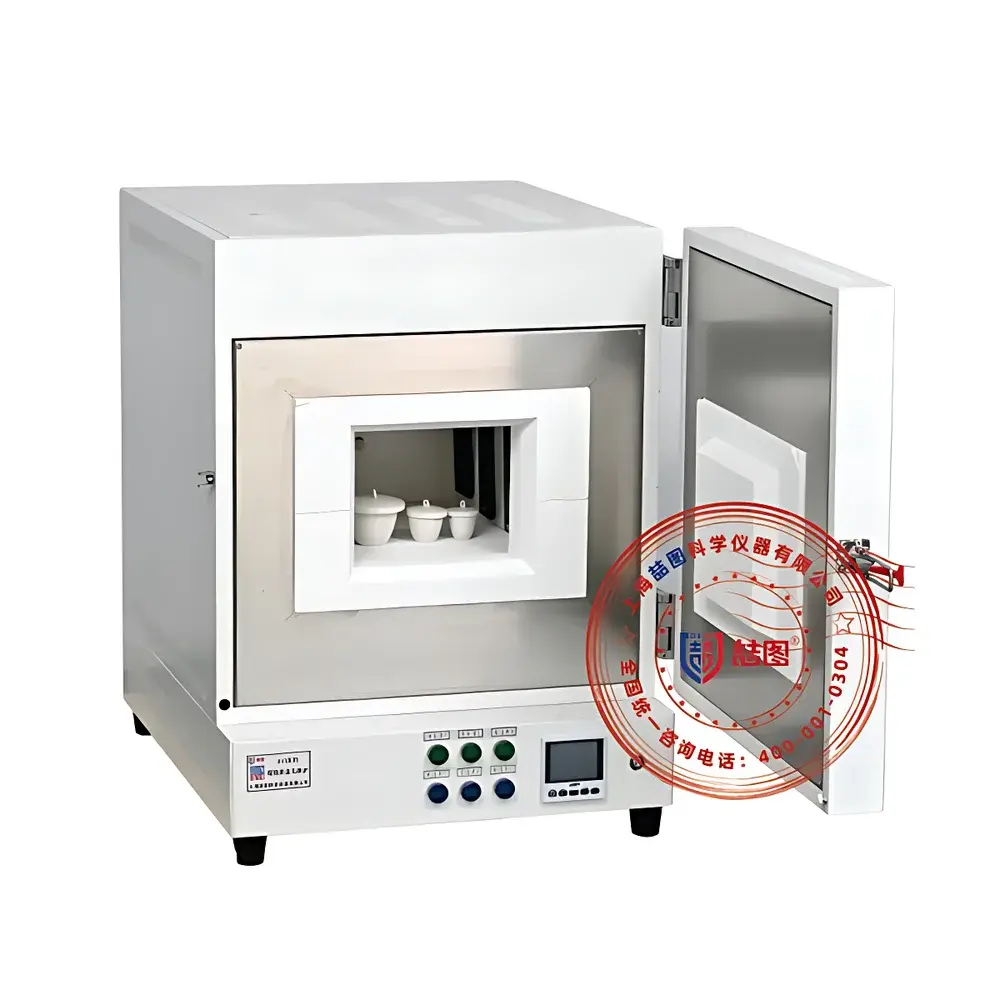
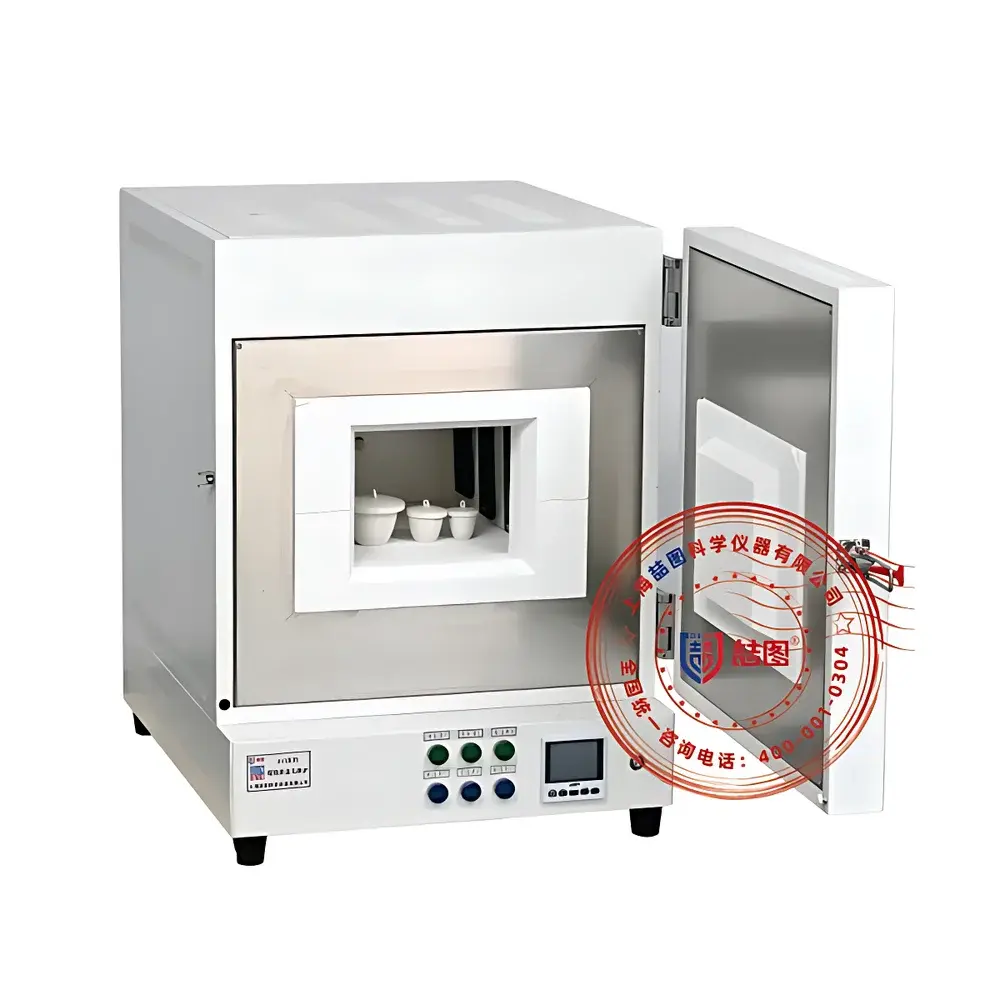
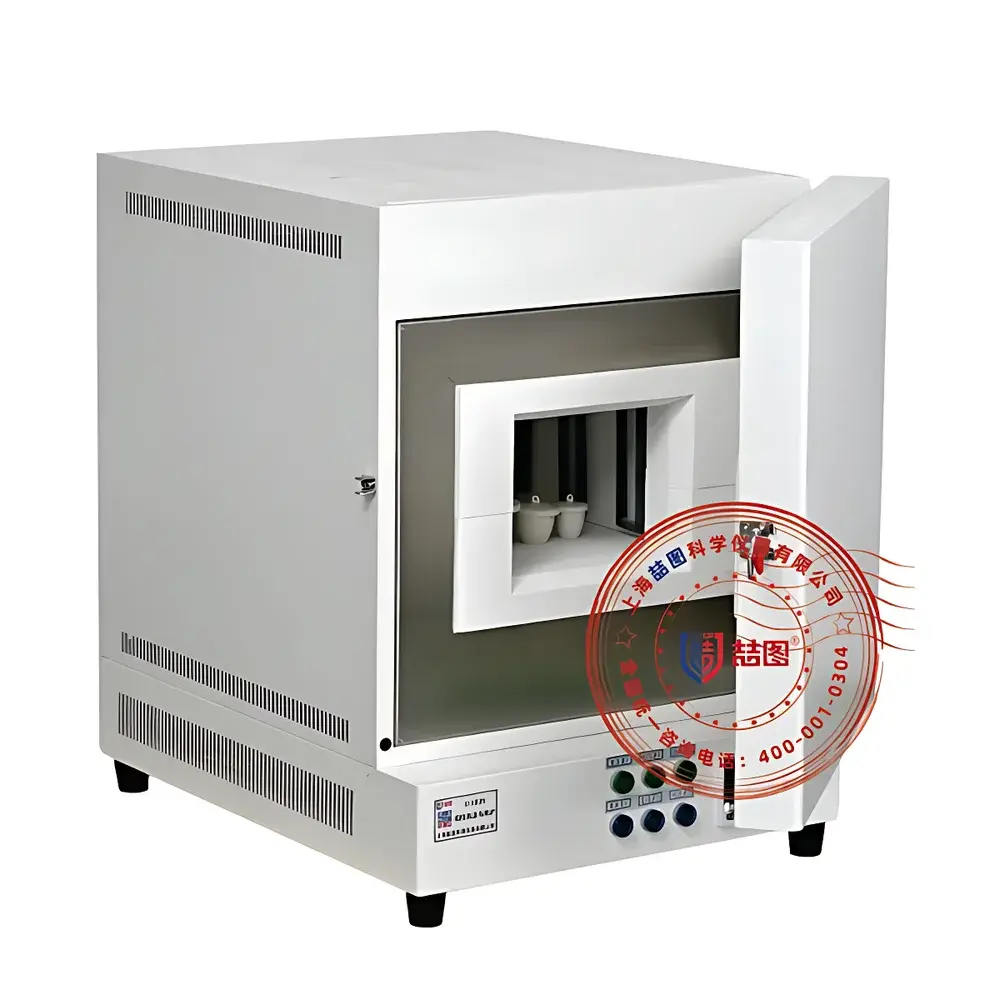
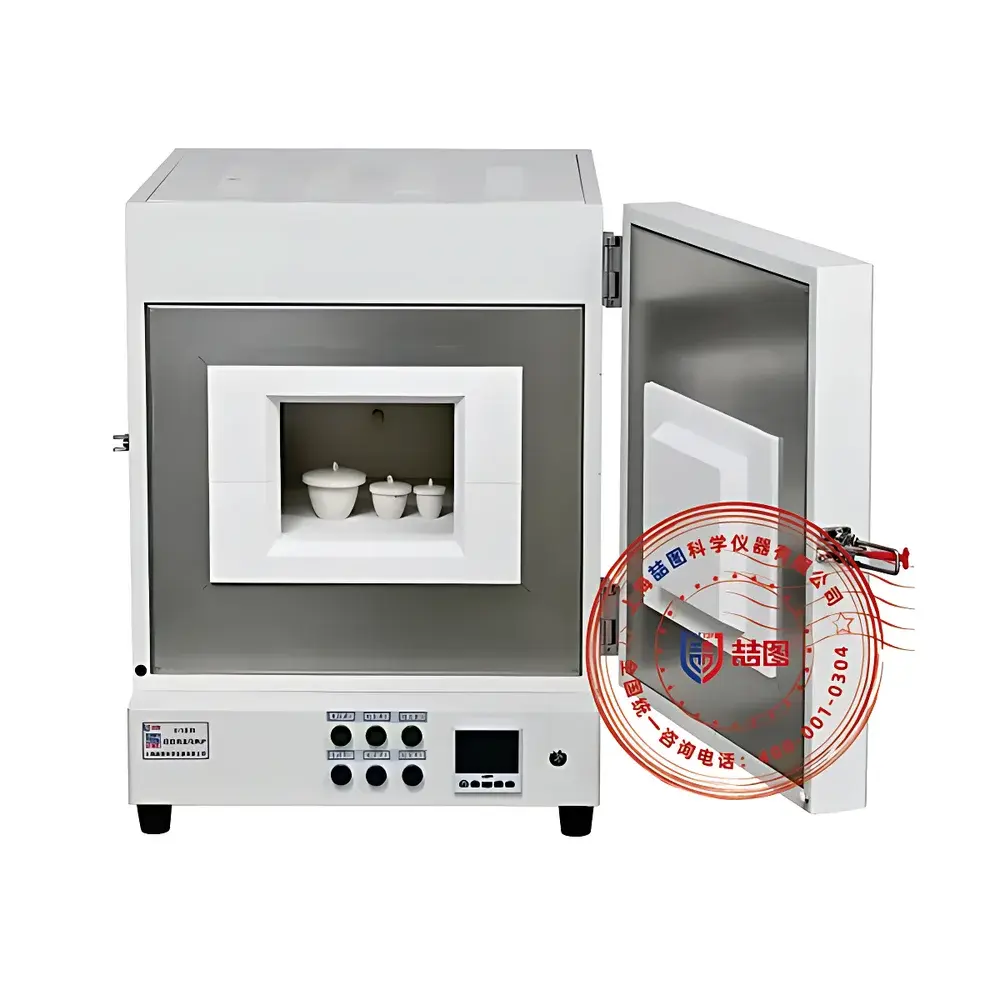
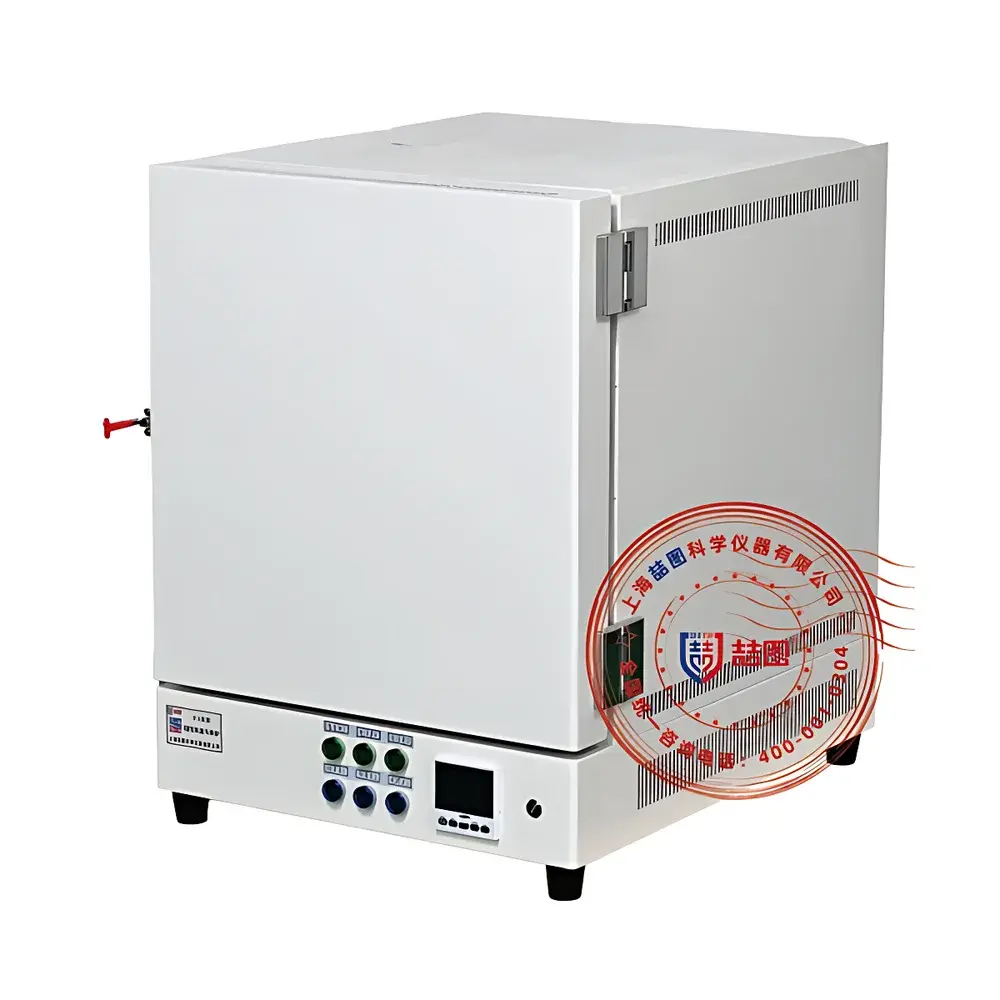
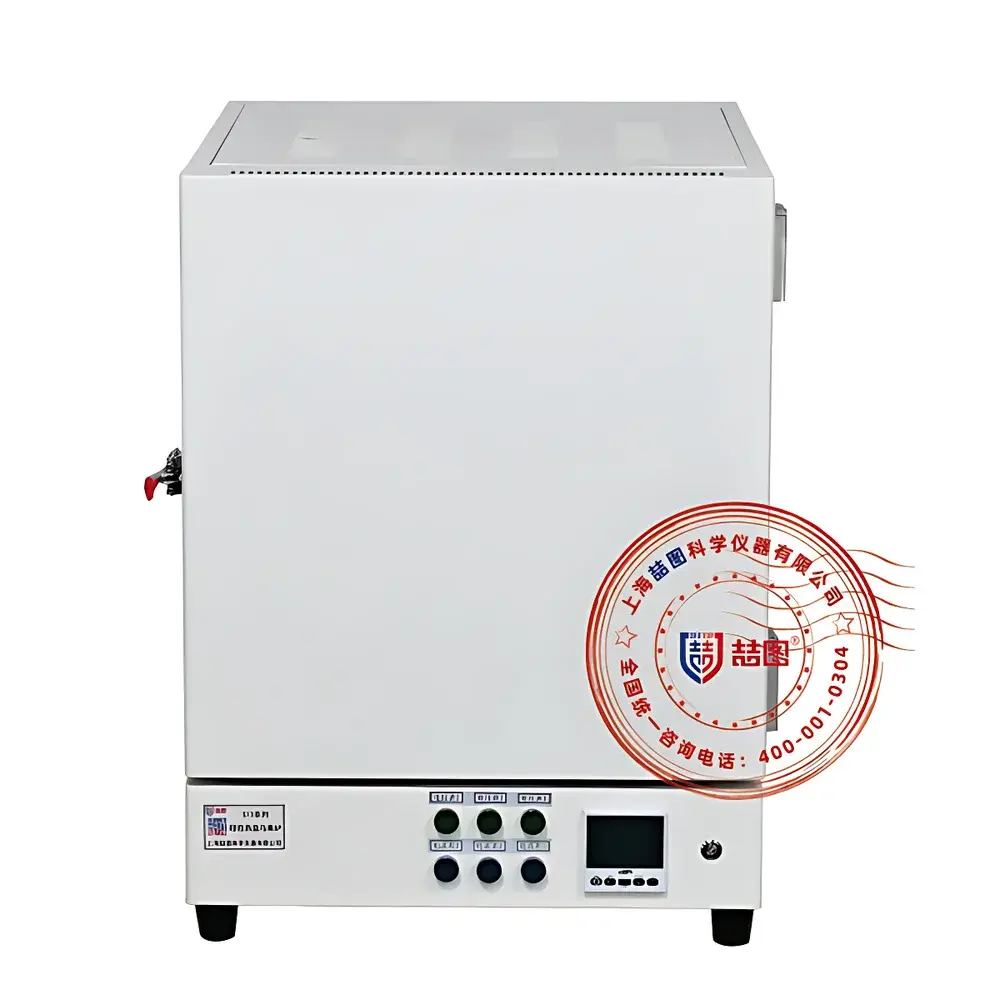
DRETOP S13-4PV Programmable High-Temperature Muffle Furnace
| Brand | DRETOP |
|---|---|
| Origin | Shanghai, China |
| Manufacturer Type | Direct Manufacturer |
| Product Category | Domestic |
| Model | S13-4PV |
| Instrument Type | Box-Type Muffle Furnace |
| Maximum Temperature | 1300 °C |
| Temperature Control Accuracy | ±1 °C |
| Rated Power | 4 kW |
| Time to Max Temperature | 50 min |
| Heating Method | Silicon Carbide (SiC) Rods |
| Internal Chamber Dimensions | 150 × 250 × 100 mm |
| Control System | Color Touchscreen Controller |
| Nominal Volume | 4 L |
Overview
The DRETOP S13-4PV Programmable High-Temperature Muffle Furnace is a precision-engineered box-type thermal processing instrument designed for repeatable, programmable heat treatment across research laboratories, quality control environments, and industrial R&D settings. Operating on the principle of resistive heating via silicon carbide (SiC) rod elements embedded in a triple-wall ceramic fiber insulation structure, the furnace delivers uniform radiant heat distribution throughout its 4 L chamber—enabling consistent thermal profiles critical for ashing, calcination, sintering, annealing, and thermal gravimetric pre-treatment. Its operational range spans from ambient +50 °C to 1300 °C, with programmable ramp/soak cycles supporting multi-step thermal protocols compliant with ASTM E1131, ISO 562, ISO 1171, USP , and EN 15407 standards for coal, cement, pharmaceutical, and environmental sample preparation.
Key Features
- Triple-surface SiC rod heating configuration ensures radial and axial thermal symmetry; measured temperature uniformity ≤±3 °C at 1300 °C across the working zone (per IEC 60068-3-5)
- Intelligent PID controller with auto-tuning capability, real-time deviation monitoring, and dual-limit alarm thresholds (upper/lower bound, positive/negative error)
- Integrated safety architecture: door-interlocked power cutoff, dual-stage overtemperature protection (hardware + software), thermocouple break detection, phase-loss and voltage anomaly monitoring
- High-density vacuum-formed ceramic fiber chamber (density ≥128 kg/m³) with stainless steel inner liner (304 SS, 2 mm thickness) for corrosion resistance and easy residue removal
- Ergonomic color touchscreen interface (7″ TFT-LCD) with graphical temperature curve display, password-protected engineering access levels, and built-in data logging (≥10,000 cycle records)
- Structural integrity reinforced by phosphate conversion coating + high-temp epoxy powder coating on cold-rolled steel housing; thermal expansion-compensated door sealing mechanism minimizes heat leakage
Sample Compatibility & Compliance
The S13-4PV accommodates standard crucibles (alumina, quartz, platinum, graphite) up to Ø80 mm × 60 mm height, supporting batch processing of solid matrices including geological samples, pharmaceutical tablets, polymer composites, fly ash, activated carbon, and metallurgical powders. Its design meets GLP and GMP documentation requirements through traceable calibration logs, audit-ready event timestamps (power-on, door open/close, alarm triggers), and optional 21 CFR Part 11–compliant firmware upgrade (with electronic signature support). All electrical components comply with CE EN 61000-6-3 (EMC) and EN 61000-6-2 (immunity); thermal insulation conforms to ISO 23993 for energy efficiency classification.
Software & Data Management
The embedded controller supports RS485 Modbus RTU communication protocol for integration into centralized lab management systems (e.g., LabVantage, STARLIMS). Optional USB export enables direct transfer of temperature/time datasets (.csv) for post-processing in MATLAB or Python-based thermal modeling workflows. Firmware includes configurable data sampling intervals (1–60 s), alarm history export, and user-defined parameter templates (up to 32 stored programs). For regulated environments, optional validation packages include IQ/OQ documentation templates aligned with ASTM E2500 and Annex 11 guidelines.
Applications
- Coal and coke analysis: moisture, volatile matter, fixed carbon, ash content, and ash fusion temperature determination (ASTM D3172–D3176, ISO 1171)
- Pharmaceutical QC: residual solvent removal, excipient thermal stability screening, and USP loss-on-drying assays
- Environmental testing: TSS/TDS residue ignition, heavy metal digestion matrix conditioning, and EPA Method 2540E ash correction
- Materials science: pre-sintering of ceramic green bodies, binder burnout in MIM processes, and thermal aging of battery cathode precursors
- Academic research: kinetic studies of decomposition reactions, oxidation behavior of nanomaterials, and calibration of thermogravimetric analyzers (TGA)
FAQ
What is the recommended maintenance schedule for the SiC heating elements?
Silicon carbide rods require no scheduled replacement under normal operation; however, visual inspection every 200 operating hours is advised for surface cracking or localized hot spots. Average service life exceeds 2,000 h at 1200 °C.
Can inert gas purging be integrated into this model?
Yes—optional N₂/Ar inlet valve (0–5 L/min flow rate, pressure-rated to 0.1 MPa) is available with calibrated mass flow meter and interlocked purge timing synchronization.
Is the furnace compatible with external data acquisition systems?
Standard RS485 interface supports Modbus RTU polling at 9600–115200 bps; analog 4–20 mA output for temperature signal replication is available as an add-on module.
How does the door-open safety interlock function during active ramping?
Upon door actuation, power to all SiC elements is cut within ≤100 ms; the controller preserves current program state and resumes heating automatically upon full door closure and latch engagement.
What calibration documentation is provided with shipment?
Each unit ships with a factory-as-tested calibration certificate (traceable to NIM, China), including three-point verification (600 °C, 900 °C, 1200 °C) using Class 1 Pt100 reference sensors per JJG 229–2010.



