

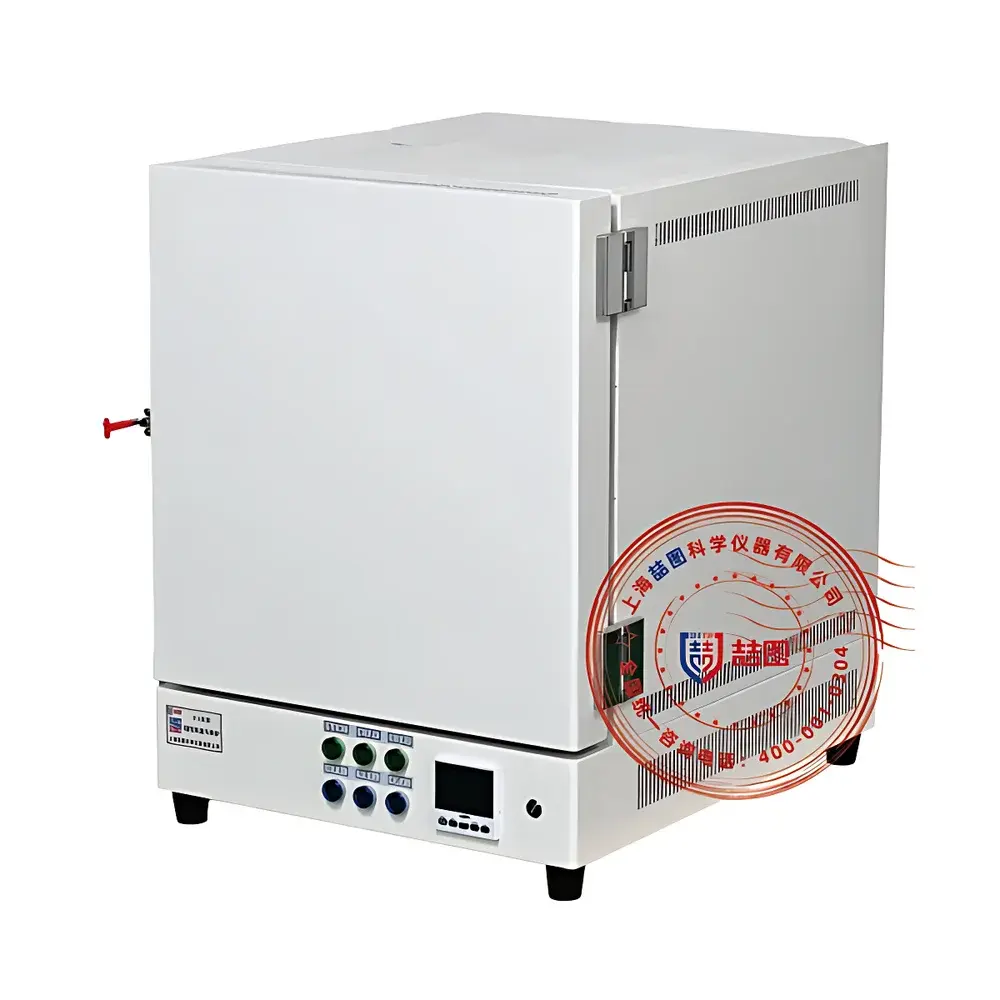
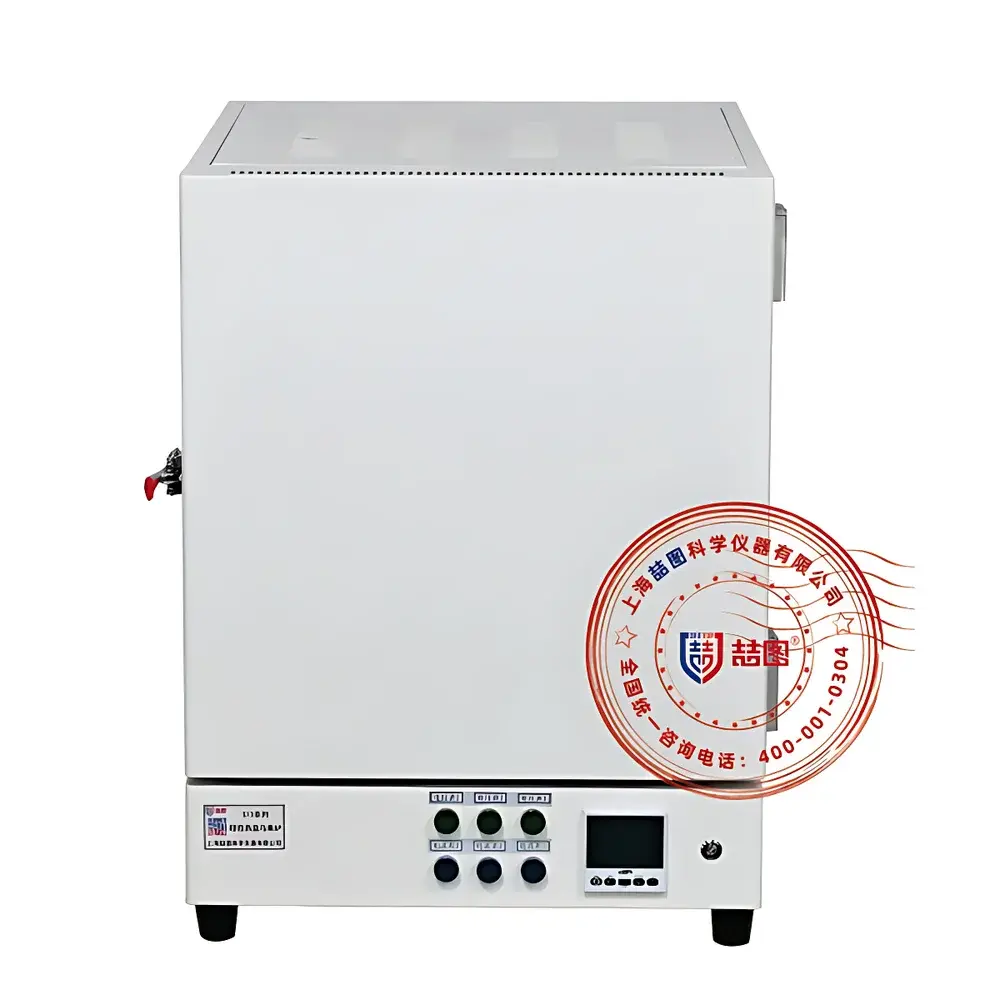
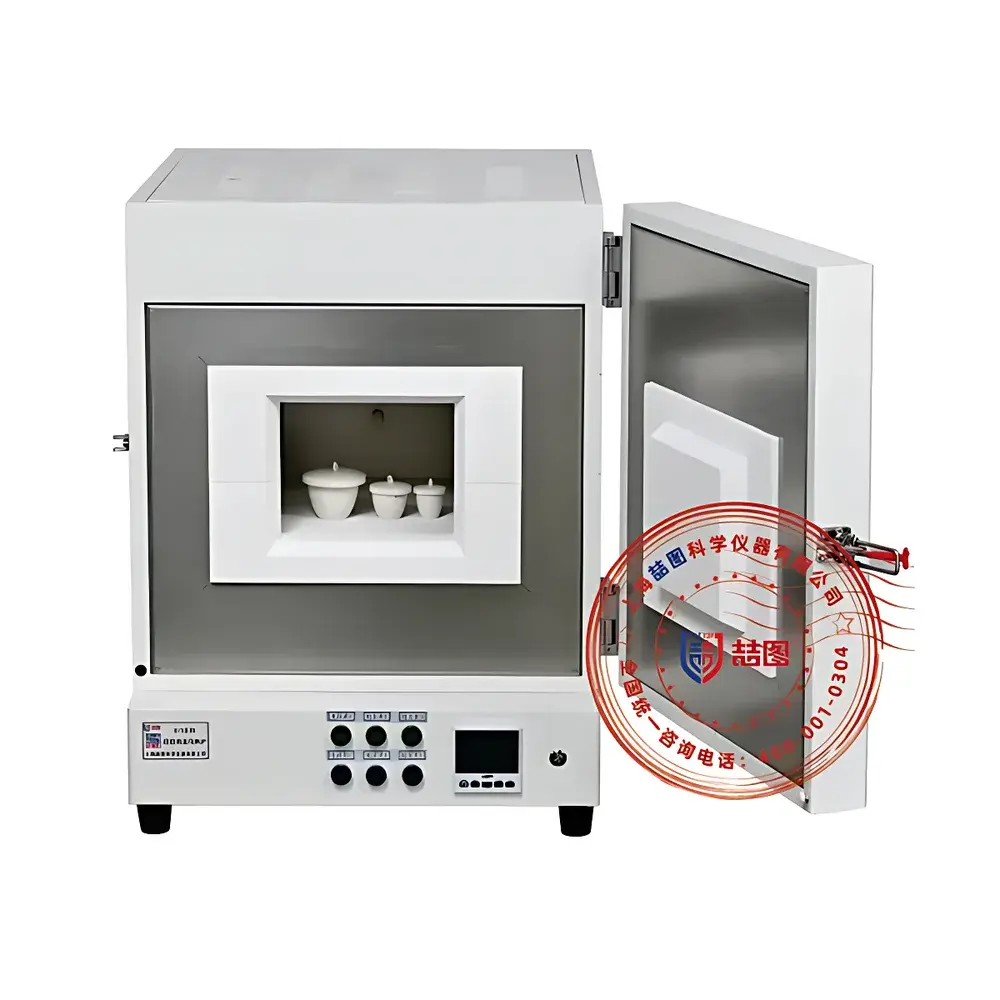
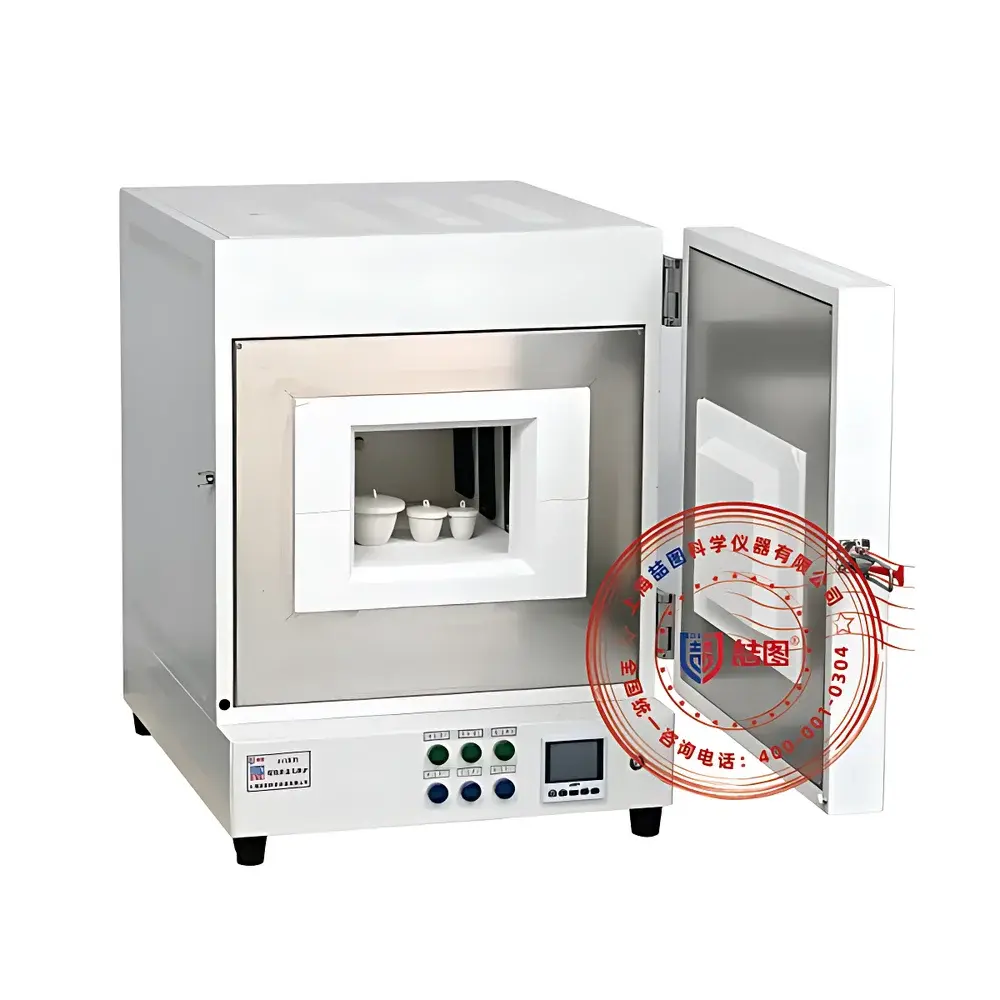
DRETOP S14-36P Programmable High-Temperature Box-Type Muffle Furnace
| Brand | DRETOP |
|---|---|
| Origin | Shanghai, China |
| Manufacturer Type | Direct Manufacturer |
| Product Category | Domestic |
| Model | S14-36P |
| Instrument Type | Box-Type Furnace |
| Maximum Temperature | 1400 °C |
| Temperature Control Accuracy | ±1 °C |
| Rated Power | 15 kW |
| Time to Max Temperature | 60 min |
| Heating Method | Silicon Carbide Rods |
| Internal Chamber Dimensions | 300 × 400 × 300 mm |
| Control System | Programmable Digital Display Controller |
| Nominal Volume | 36 L |
Overview
The DRETOP S14-36P is a programmable high-temperature box-type muffle furnace engineered for precision thermal processing in research laboratories, quality control facilities, and industrial R&D environments. Operating on the principle of resistive heating via silicon carbide (SiC) rod elements embedded in a triple-wall ceramic fiber insulation architecture, the furnace delivers stable, uniform, and repeatable temperature profiles across its 36 L chamber. Designed to meet the rigorous demands of ASTM E1112 (Standard Practice for Calibrating High-Temperature Furnaces), ISO/IEC 17025-compliant thermal validation protocols, and GLP/GMP-aligned process documentation requirements, the S14-36P supports fully automated thermal cycles—including ramp-hold-cool sequences—with user-defined rates and dwell times. Its maximum operating temperature of 1400 °C enables applications ranging from ashing and calcination to sintering, heat treatment of metallic alloys, and pre-conditioning of refractory materials—without requiring inert gas purging or vacuum integration.
Key Features
- Triple-wall heating configuration with SiC rods mounted on all three vertical chamber walls ensures radial thermal symmetry and minimizes axial temperature gradients; measured uniformity is ≤±3 °C at 1300 °C (per IEC 60584-2 thermocouple calibration).
- Intelligent PID controller with auto-tuning capability and dual-stage deviation alarm (upper/lower limit + positive/negative error thresholds) maintains setpoint stability within ±1 °C over extended holds.
- Integrated door interlock circuit cuts power immediately upon opening and resumes heating automatically after closure—eliminating manual reset steps and reducing operator exposure to radiant heat.
- High-density vacuum-formed ceramic fiber board lining (density: 220 kg/m³, service temperature: 1450 °C) provides low thermal mass, rapid cool-down, and energy savings of ≥35% versus traditional brick-lined furnaces.
- Front-access control panel with large-digit LED display, real-time voltage/current monitoring, and fault-code diagnostics simplifies operation and facilitates preventive maintenance logging.
- Dual-level safety architecture includes over-temperature cut-off (OTC), thermocouple break detection, phase-loss protection, and grounded chassis design compliant with IEC 61000-6-2 EMC immunity standards.
Sample Compatibility & Compliance
The S14-36P accommodates standard crucibles (alumina, silica, platinum, and graphite), ceramic boats, and small metallic specimens up to 250 mm in length. Its open-chamber geometry permits unrestricted access for sample insertion/removal and compatibility with custom fixtures. The furnace meets key regulatory expectations for analytical workflows: it supports USP heavy metal residue testing, ASTM D3174 (ash content in coal), ASTM D5373 (carbon/hydrogen analysis), and ISO 1171 (determination of ash in solid mineral fuels). For pharmaceutical applications, its programmable logic enables full audit trail generation when paired with optional RS485 or USB data export modules—supporting alignment with FDA 21 CFR Part 11 electronic record requirements where validated software packages are deployed externally.
Software & Data Management
While the base S14-36P operates via standalone digital controller, optional interfaces enable integration into lab-wide data ecosystems. The RS485 port supports Modbus RTU protocol for connection to SCADA systems or centralized HVAC/thermal monitoring platforms. USB output allows direct logging of time-temperature profiles to external storage devices. When equipped with the PV-II series touchscreen upgrade (sold separately), users gain multi-level password-protected access, graphical trend visualization, and CSV export of cycle logs—including timestamps, actual vs. setpoint deviations, and alarm event codes. All firmware adheres to IEC 62443-3-3 security baseline requirements for industrial control devices.
Applications
- Thermal gravimetric analysis (TGA) sample pre-conditioning and residue quantification in environmental labs (e.g., EPA Method 1631 for mercury analysis).
- Residue-on-ignition (ROI) determination in cement and construction material testing per ASTM C114.
- Pharmaceutical excipient moisture and volatile content assessment under USP .
- Metallurgical heat treatment of tool steels, stainless alloys, and Ni-based superalloys prior to microstructural evaluation.
- Preparation of reference standards for XRF and ICP-OES analysis through controlled ashing of biological tissues and soils.
- Calibration verification of thermocouples and RTDs using fixed-point metals (e.g., Zn, Al, Cu) within defined soak periods.
FAQ
What thermocouple type is used for internal temperature sensing?
Type S (Platinum/Rhodium) thermocouples are factory-installed and calibrated traceably to NIST standards.
Is the furnace suitable for inert-atmosphere processing?
Yes—optional flanged ports accept standard 1/4″ VCR fittings for nitrogen or argon inlet/outlet lines; recommended flow rate: 0.5–2 L/min.
Can the controller store multiple programs?
The standard P-series controller stores up to 16 independent programs, each with 30 segments (ramp/hold combinations).
What maintenance intervals are recommended?
Visual inspection of SiC rods and ceramic fiber integrity every 200 operating hours; thermocouple recalibration annually or after 500 cycles.
Does the unit comply with CE marking requirements?
Yes—certified to EN 61000-6-3 (EMI emission), EN 61000-6-2 (immunity), and EN 61010-1 (safety) by TÜV Rheinland.



