

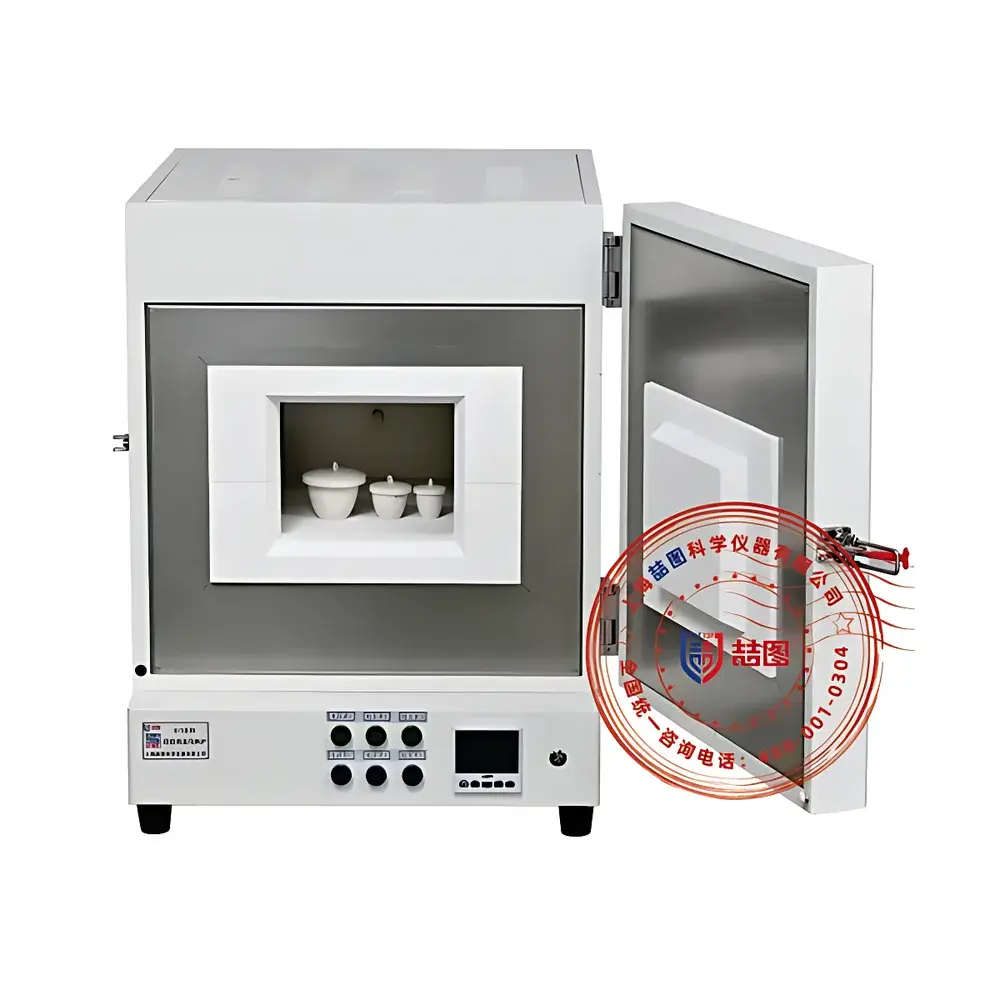
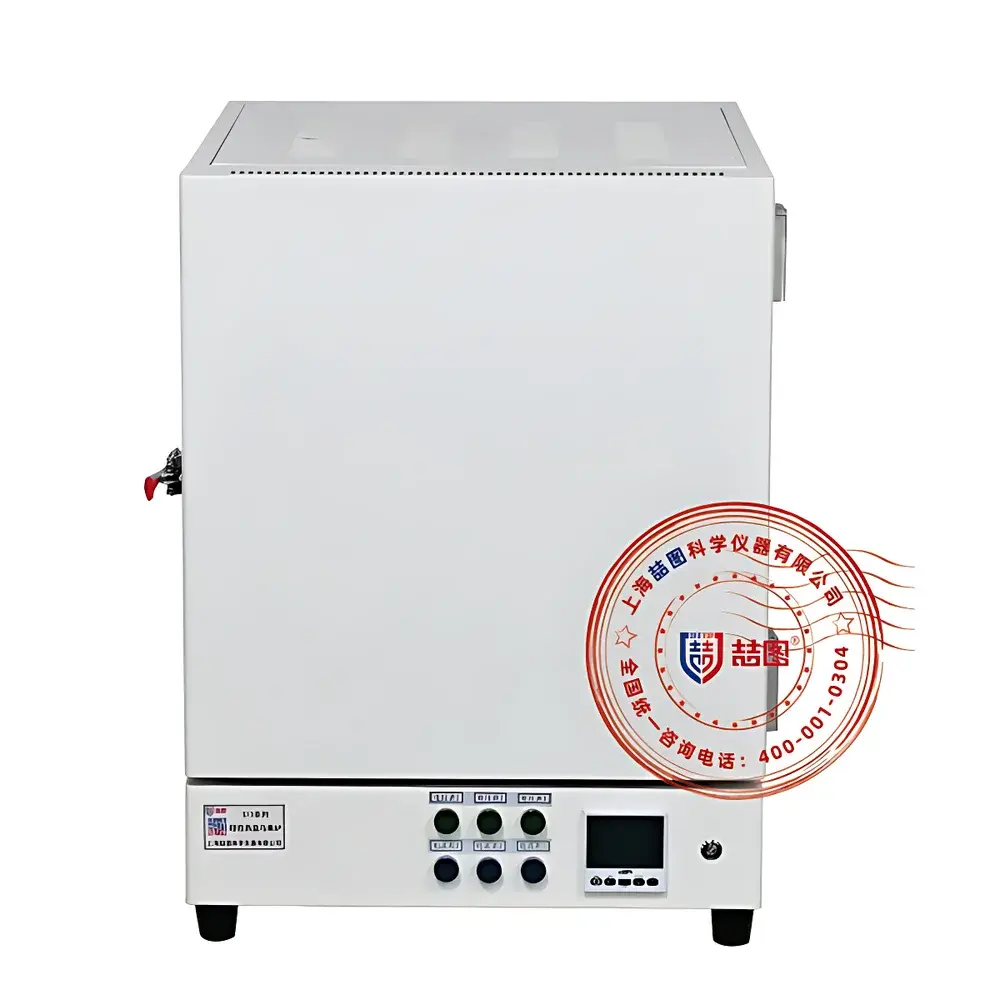
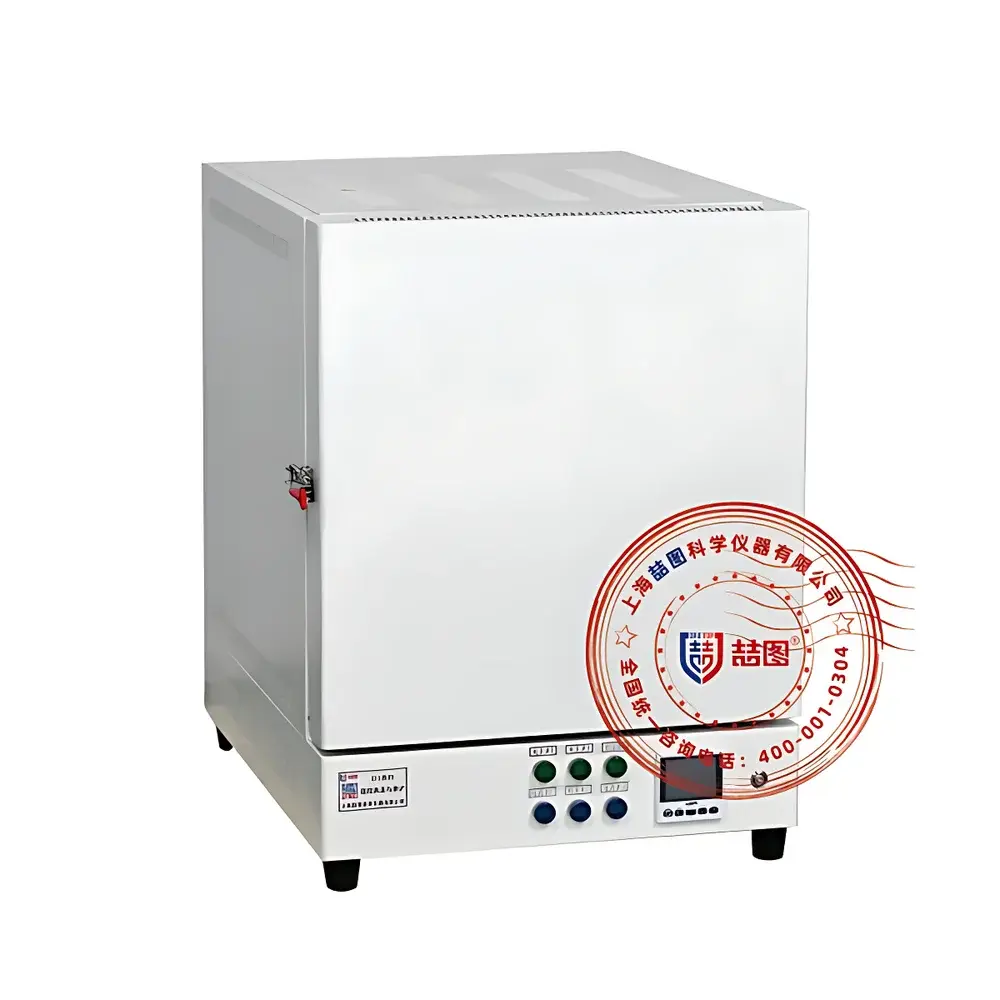
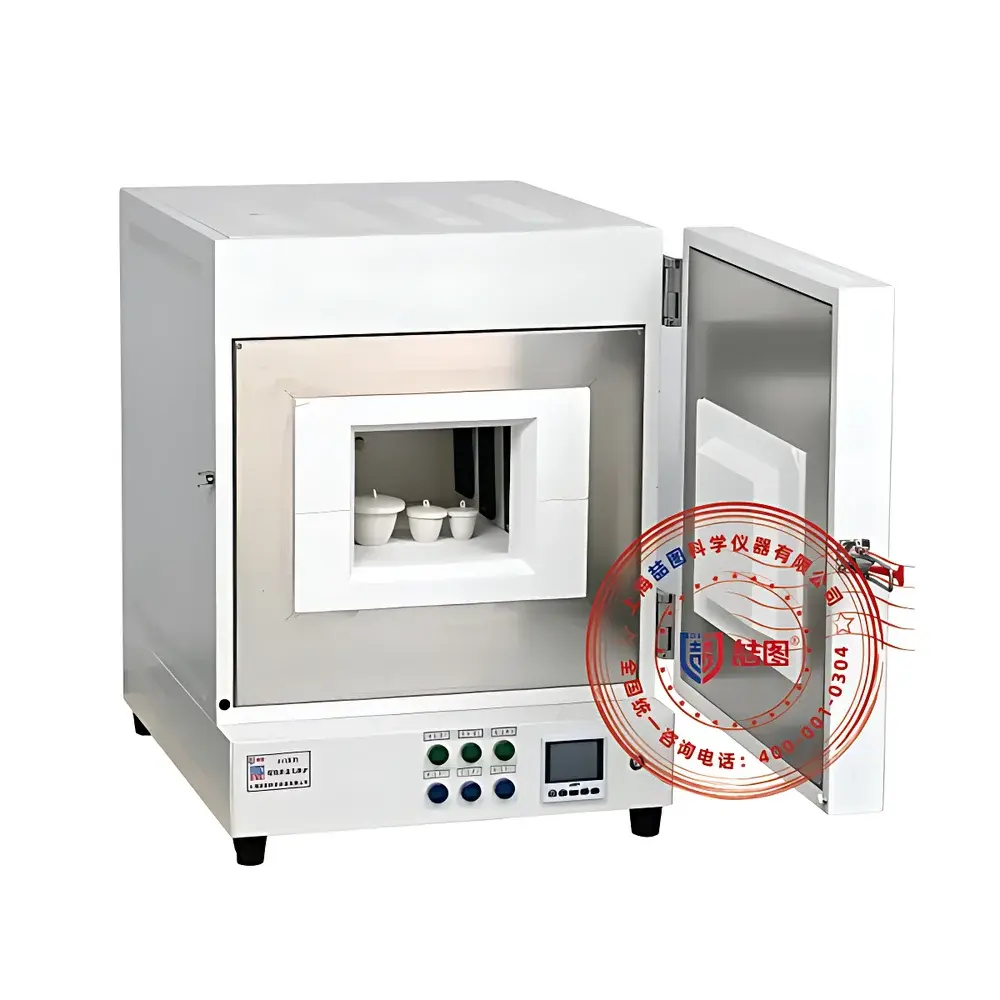
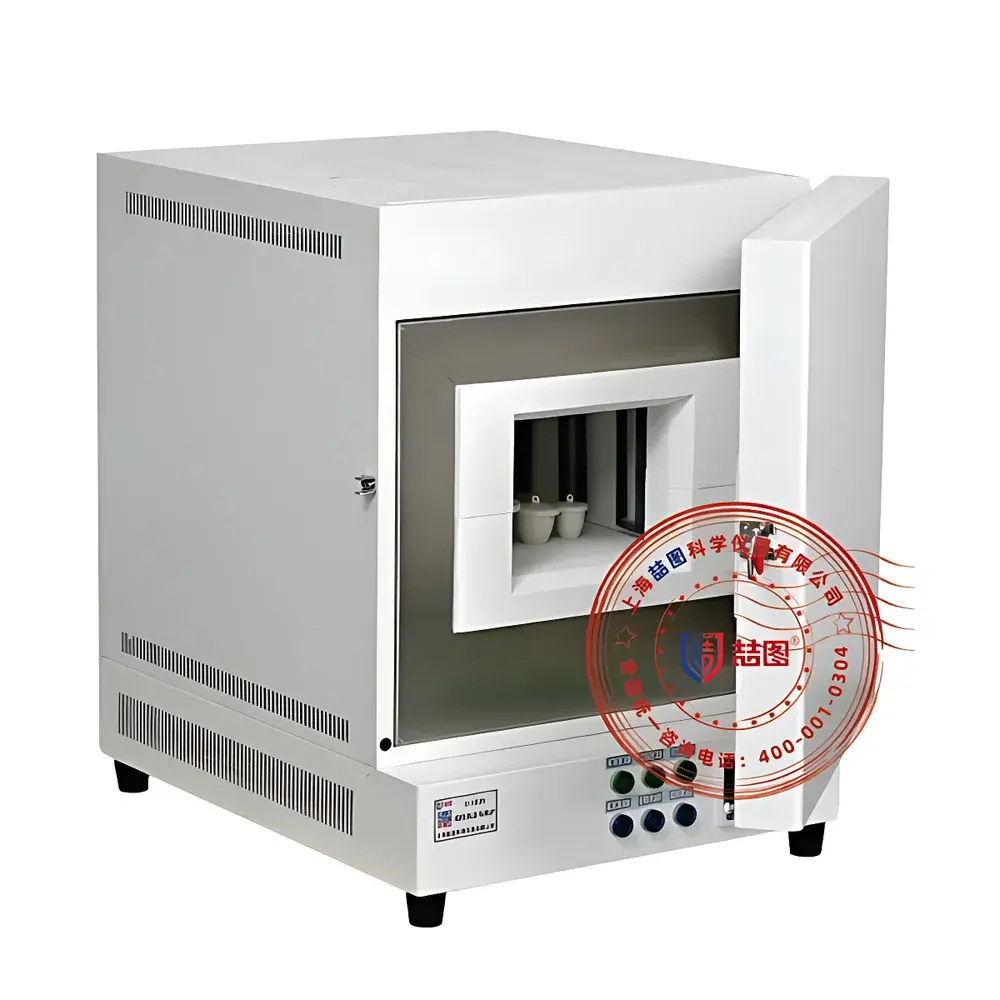
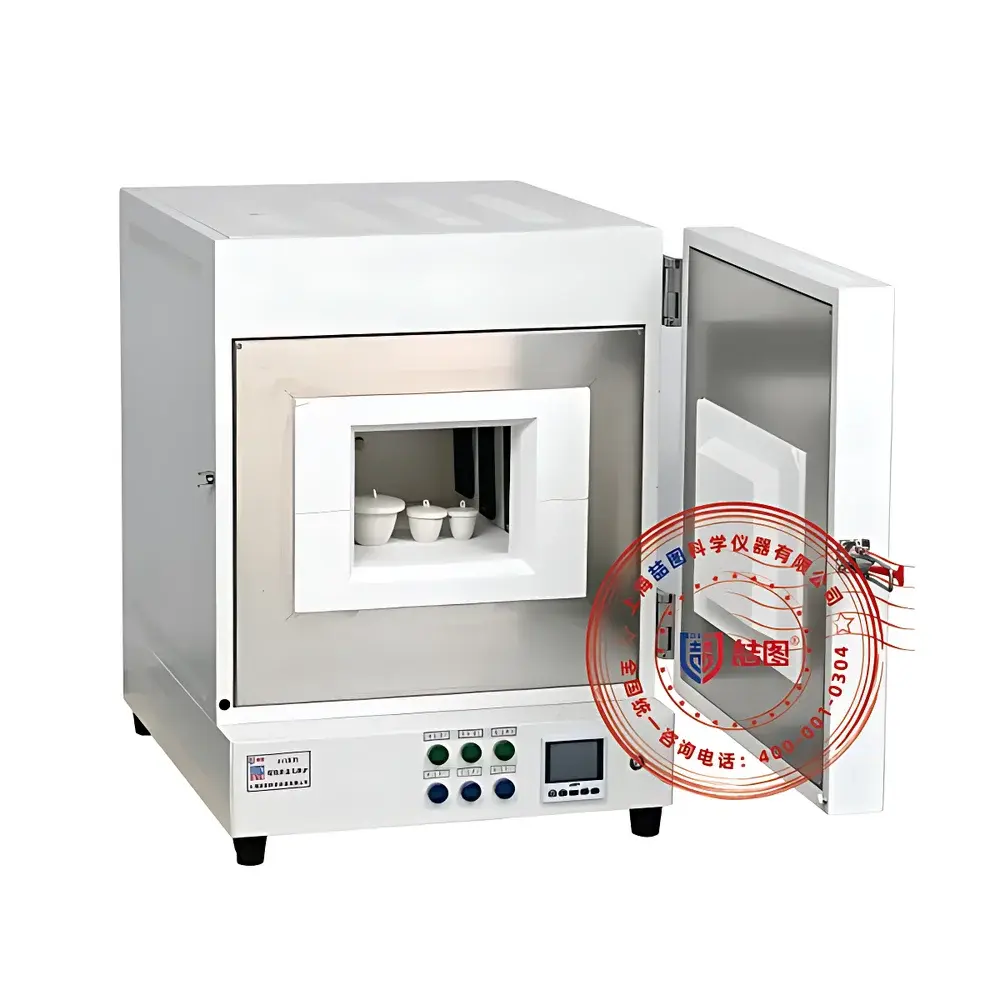
DRETOP S14-36PV Programmable High-Temperature Box-Type Muffle Furnace
| Brand | DRETOP |
|---|---|
| Origin | Shanghai, China |
| Manufacturer Type | Direct Manufacturer |
| Instrument Type | Box-Type Muffle Furnace |
| Maximum Temperature | 1400 °C |
| Temperature Control Accuracy | ±1 °C |
| Rated Power | 15 kW |
| Heating Time to Max Temp | ≤60 min |
| Heating Element | Silicon Carbide Rods |
| Internal Chamber Dimensions | 300 × 400 × 300 mm (W × D × H) |
| Control System | Industrial-Grade Color Touchscreen Controller |
| Nominal Volume | 36 L |
Overview
The DRETOP S14-36PV is a programmable high-temperature box-type muffle furnace engineered for precision thermal processing in research laboratories, quality control facilities, and industrial R&D environments. Operating on resistive heating principles via silicon carbide (SiC) rod elements embedded in a triple-wall radiant configuration, it delivers stable, uniform thermal fields up to 1400 °C—suitable for controlled calcination, ashing, sintering, heat treatment, and thermal decomposition protocols. Its design complies with fundamental thermal safety and performance expectations aligned with ISO 17025–accredited laboratory practices and supports traceable process execution under GLP/GMP-relevant workflows where temperature ramping, dwell time, and cooling profiles must be reproducible and auditable.
Key Features
- Triple-Sided Radiant Heating Architecture: SiC heating rods are helically wound and embedded across three internal chamber walls, enabling symmetrical heat distribution and minimizing axial/radial thermal gradients—critical for consistent sample transformation and inter-batch repeatability.
- Intelligent PID Control with Auto-Tuning: Equipped with an adaptive fuzzy logic PID algorithm, the furnace automatically identifies optimal control parameters during initial commissioning and maintains ±1 °C stability across the full operating range (RT + 50 °C to 1400 °C).
- Interlocked Safety Protocol: Integrated door-switch circuitry halts power delivery immediately upon opening; heating resumes automatically once the door is fully closed and sealed—eliminating manual intervention and reducing operator exposure risk.
- Dual-Stage Thermal Protection: Independent overtemperature cutoff (setpoint +10 °C default), thermocouple break detection, phase-loss monitoring, and real-time voltage/current metering provide redundant safeguards compliant with IEC 61000-6-2 EMC and EN 60519-2 electrical safety standards.
- Thermal Insulation System: Vacuum-microporous ceramic fiber board lining (density ~280 kg/m³) minimizes thermal mass and conduction losses; stainless steel inner flange (2 mm thick) ensures cleanability and resistance to oxidation-induced discoloration at repeated high-temperature cycles.
Sample Compatibility & Compliance
The S14-36PV accommodates standard crucibles (alumina, quartz, platinum, or graphite), ceramic boats, and refractory sample holders within its 36 L chamber. It is routinely deployed in ASTM E166–22 (ash content determination), ASTM D3174–21 (coal ash analysis), ISO 1171 (determination of ash in solid mineral fuels), and USP (residue on ignition). The furnace’s uniformity profile (±3 °C at 1300 °C per ASTM E220–20 mapping) supports method validation requirements for regulatory submissions. Optional inert gas inlet (N₂/Ar) and exhaust chimney facilitate oxygen-sensitive processes and volatile byproduct removal—enhancing analytical fidelity in elemental analysis and thermal gravimetric coupling.
Software & Data Management
The embedded color touchscreen controller supports up to 30 independent multi-step programs, each with definable ramp rates (0.1–30 °C/min), soak durations (1–9999 min), and cooling profiles. Real-time temperature curve visualization, password-protected engineering access levels (3-tier), and timestamped event logging—including door open/close, alarm triggers, and setpoint changes—meet FDA 21 CFR Part 11 data integrity prerequisites when paired with optional RS485/USB export modules. Audit trails are stored internally for ≥12 months and exportable in CSV format for LIMS integration.
Applications
- Quantitative ash residue analysis in pharmaceutical excipients, dietary supplements, and herbal matrices per USP and EP 2.4.15.
- Coal and coke characterization: moisture, volatile matter, fixed carbon, and ash fusion temperature (AFT) determination per ASTM D3172–21 and ISO 562.
- Pre-concentration and matrix destruction in environmental testing (e.g., EPA Method 3010B for soil/sediment digestion prior to ICP-MS).
- Heat treatment of metallurgical samples, ceramic green bodies, and catalyst precursors requiring precise thermal history control.
- Calibration and verification of thermocouples and reference materials under controlled soak conditions.
FAQ
What is the maximum recommended continuous operating temperature?
The furnace is rated for continuous operation at 1350 °C; 1400 °C is specified as short-term peak capability (≤2 h per cycle) to preserve heating element longevity.
Can the furnace be integrated into a centralized lab automation system?
Yes—via optional RS485 Modbus RTU interface or USB host mode, enabling remote start/stop, parameter upload/download, and status polling from SCADA or LabWare LIMS platforms.
Is NIST-traceable calibration documentation available?
Factory calibration certificates (including as-found/as-left data at 600 °C, 1000 °C, and 1300 °C) are provided; on-site IQ/OQ/PQ protocol support and third-party certification services can be arranged.
What maintenance intervals are recommended for silicon carbide rods?
Under typical usage (≤8 h/day at ≤1300 °C), SiC rods exhibit service life exceeding 2000 h; visual inspection every 500 h and resistance measurement every 1000 h are advised to detect early degradation.
Does the unit comply with CE marking requirements?
Yes—the S14-36PV conforms to EU directives 2014/30/EU (EMC), 2014/35/EU (LVD), and 2012/19/EU (WEEE); full technical files and Declaration of Conformity are supplied with shipment.



